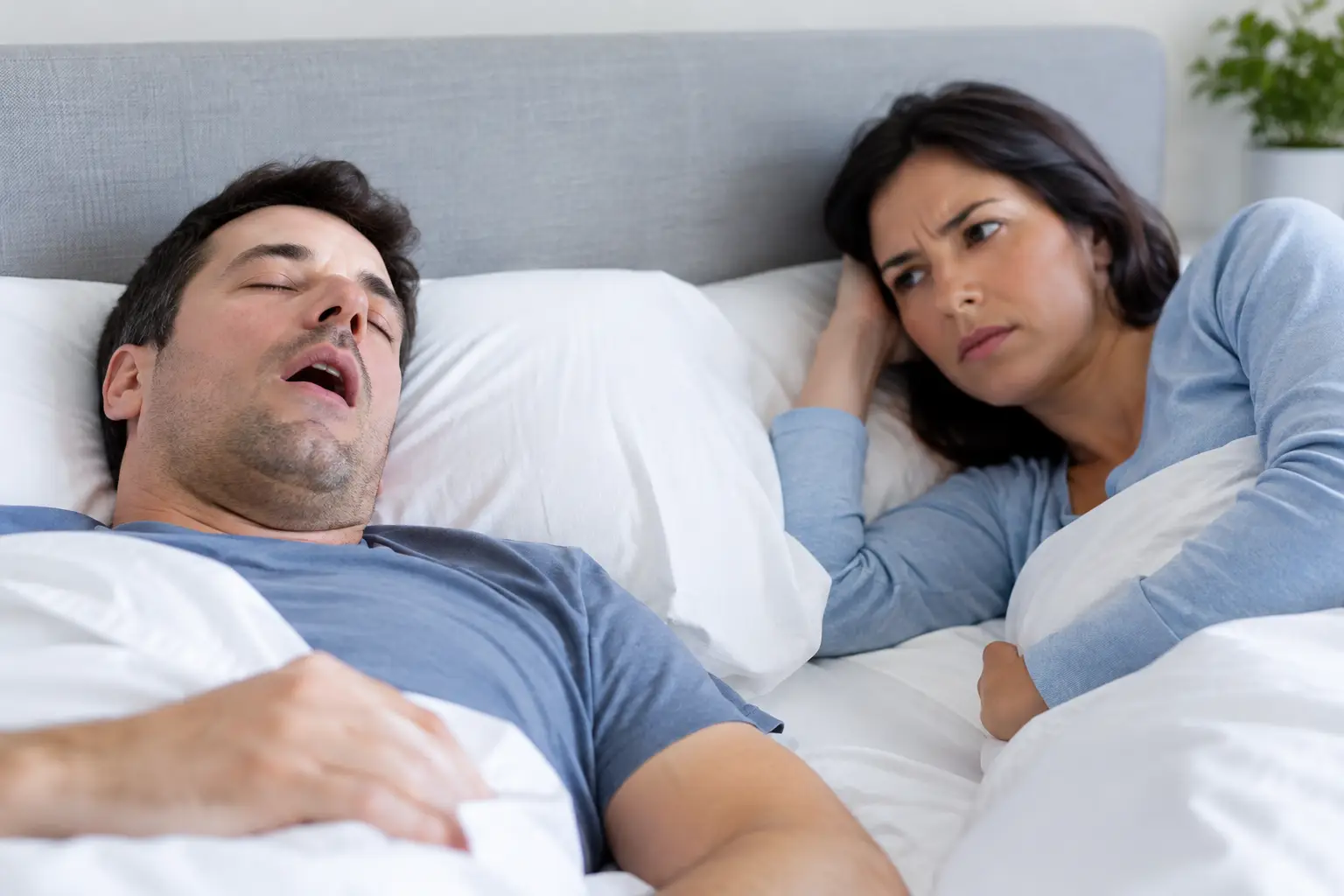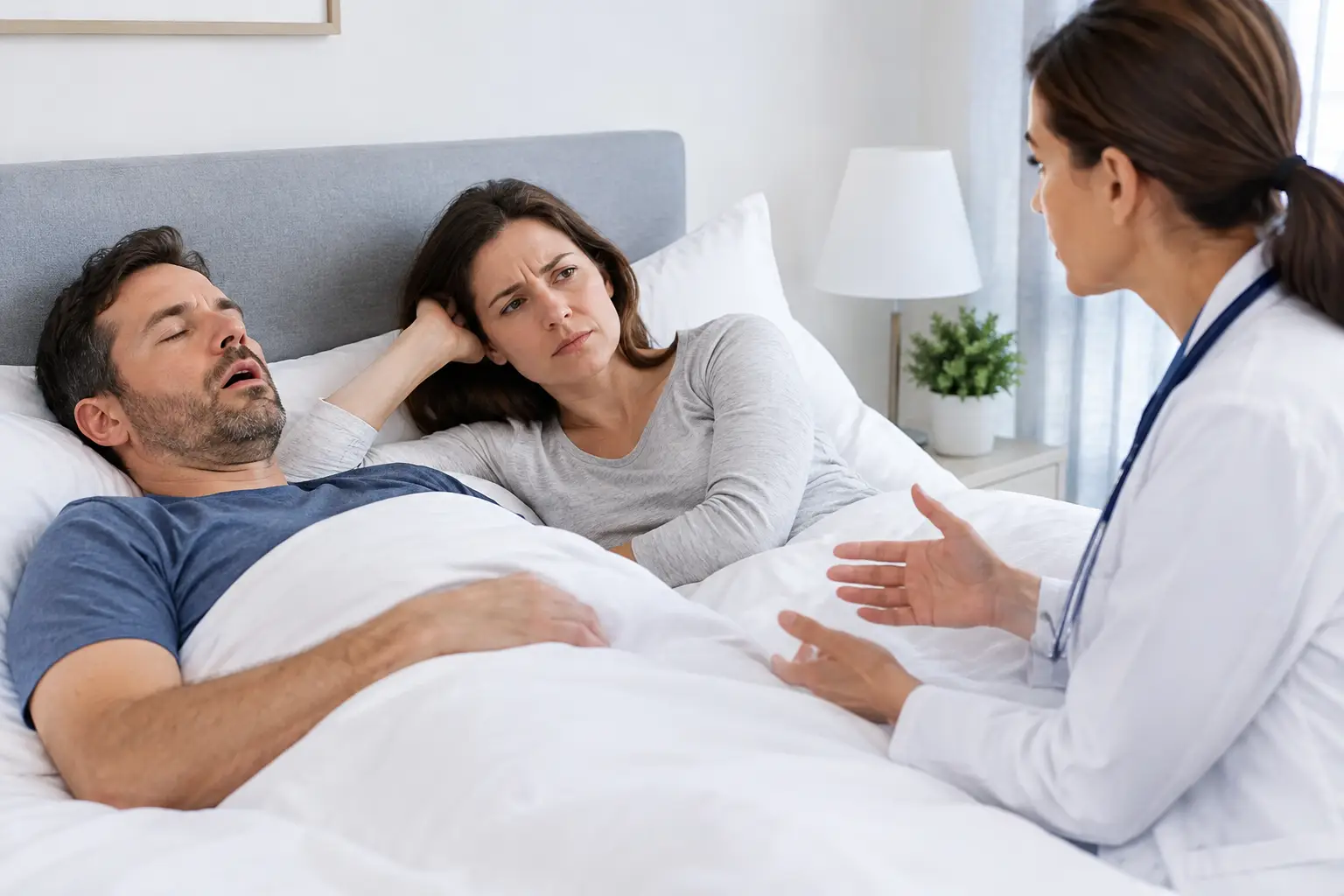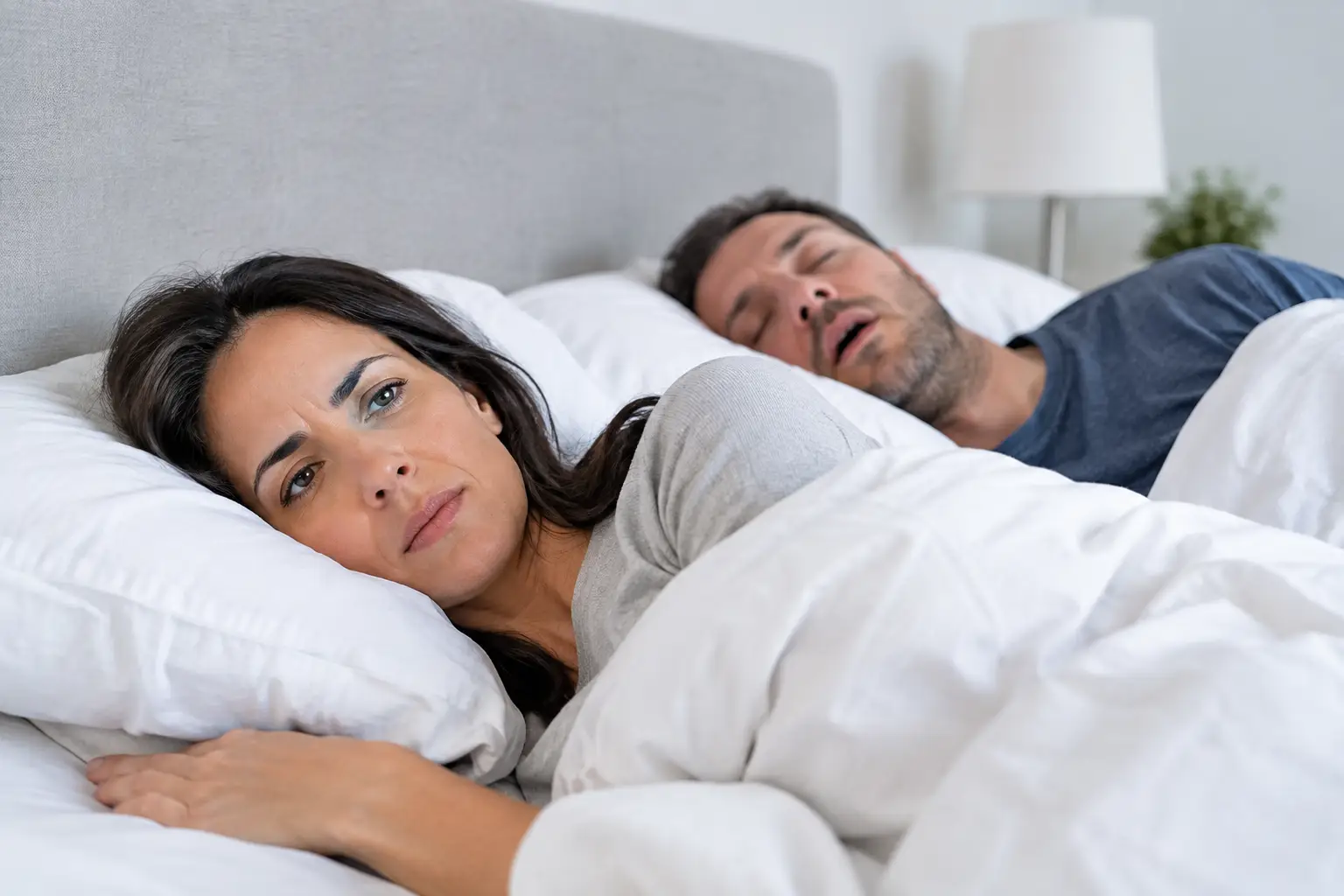
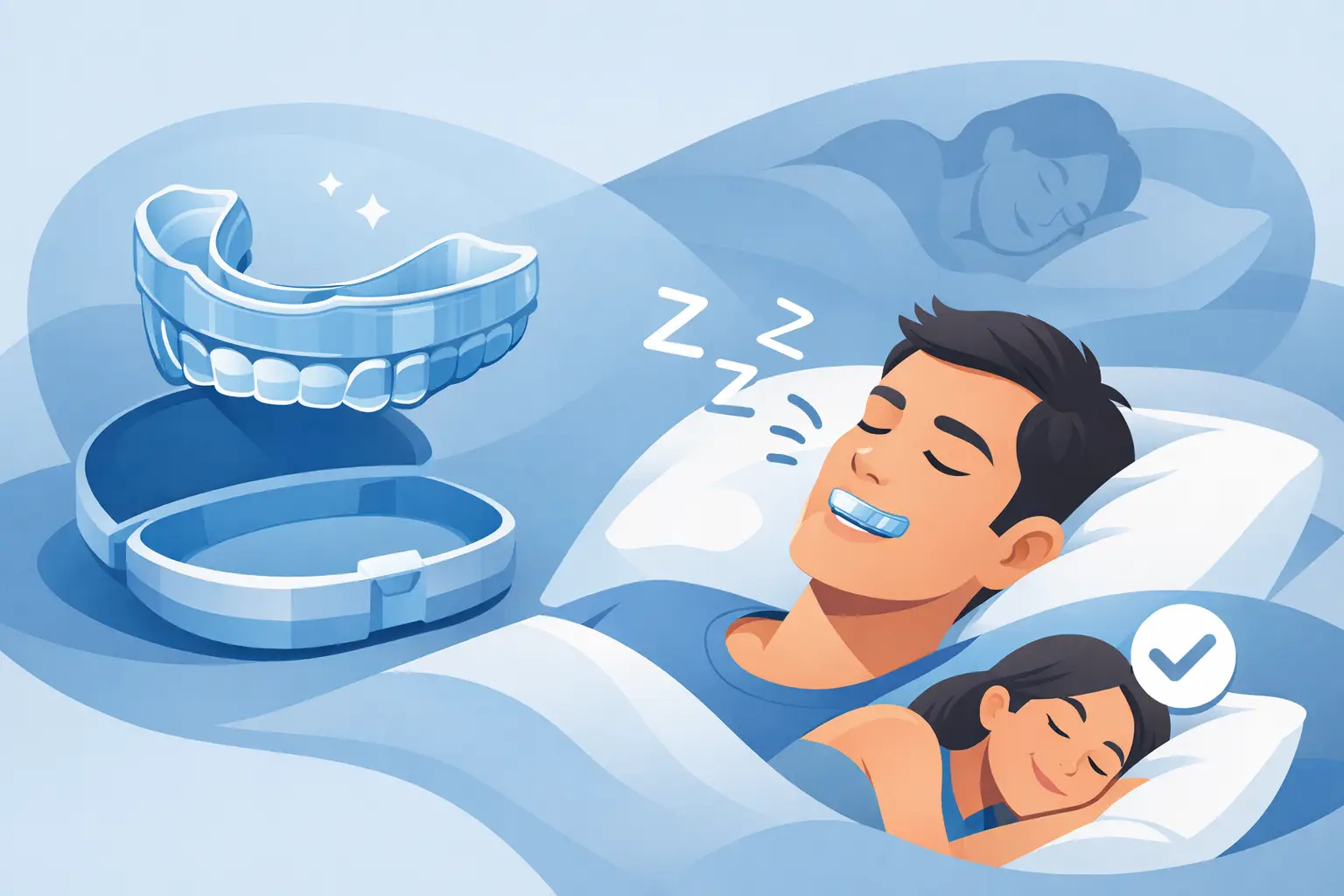
A partner’s elbow in the middle of the night is often the first sign that snoring has become more than a minor annoyance. If you are searching for a mouth guard for snoring , you may be hoping for a quiet, comfortable solution that helps everyone sleep better. The right oral appliance can help some people significantly. But not every device marketed as a mouth guard is designed to treat snoring, and persistent snoring deserves a closer look before you buy one.
Snoring happens when tissues in the upper airway vibrate as air moves past them during sleep. For many adults, the airway becomes narrower when the jaw and tongue relax backward. A properly designed oral appliance can gently position the lower jaw forward, helping keep the airway more open. The key is finding out whether that approach fits your breathing, bite, and overall health.
What Is a Mouth Guard for Snoring?
The phrase “mouth guard” can mean several different things. A sports mouth guard protects teeth from impact. A night guard protects teeth from grinding. Neither is intended to improve breathing during sleep.
A mouth guard for snoring is more accurately called an oral appliance or mandibular advancement device. It is a custom-fitted device worn over the upper and lower teeth. The two pieces work together to hold the lower jaw slightly forward while you sleep. That small adjustment can bring the tongue forward as well and create more room for airflow behind it.
Some appliances use a different approach by holding the tongue forward. These tongue-retaining devices may be considered when a person cannot wear a jaw-advancing appliance, although they are not the best fit for everyone. A dental professional trained in dental sleep medicine can help determine which design, if any, is appropriate.
Can an Oral Appliance Stop Snoring?
For people whose snoring is related to jaw position and a partially narrowed airway, an oral appliance can reduce the volume and frequency of snoring. Some patients notice improvement quickly. Others need gradual adjustment over several weeks to find a position that supports breathing without causing jaw discomfort.
The result depends on the cause of the snoring. Nasal congestion, alcohol close to bedtime, sleep position, weight changes, enlarged tissues, certain medications, and anatomy can all play a role. An appliance may be helpful, but it is not a universal cure and should not be treated as one.
It also matters whether snoring is isolated or part of obstructive sleep apnea. Obstructive sleep apnea occurs when the airway repeatedly narrows or closes during sleep, causing breathing pauses and drops in oxygen. Snoring is common with sleep apnea, but not every person who snores has the condition. The only reliable way to know is through an appropriate sleep evaluation.
Signs Snoring May Be Sleep Apnea
Do not assume loud snoring is harmless if it comes with other symptoms. A sleep assessment is especially worthwhile if you or your partner notice gasping, choking, witnessed pauses in breathing, morning headaches, dry mouth, frequent nighttime urination, or excessive daytime sleepiness.
Sleep apnea can also show up less obviously. Difficulty concentrating, irritability, low energy, and falling asleep easily during quiet activities may be signs of disrupted sleep. Untreated sleep apnea is associated with higher risks involving blood pressure, heart health, metabolism, mood, and daytime driving safety. A snoring appliance should support proper care, not delay it.
Store-Bought Devices vs. Custom Oral Appliances
Over-the-counter boil-and-bite devices are widely available because they are inexpensive and easy to order. They may seem like a reasonable first experiment, particularly when snoring is disrupting a household. The trade-off is that a generic device cannot account for your teeth, bite, gums, jaw joints, or the amount of advancement your airway needs.
A poorly fitting device can slip out during the night, feel bulky, trigger gagging, irritate gums, or create tooth and jaw soreness. More concerningly, it can change the way your teeth meet over time when used without monitoring. If it is uncomfortable, most people simply stop wearing it, which means it never has a fair chance to help.
Custom oral appliances are made from records of your teeth and are adjusted in small, controlled increments. This makes them more comfortable and allows the provider to balance airway improvement with the health of your jaw and bite. Follow-up visits matter because treatment is not simply about delivering a device. It is about checking comfort, making adjustments, and confirming that the therapy is working.
What to Expect From a Snoring Appliance Evaluation
A thoughtful evaluation begins with listening. Your provider may ask when the snoring began, whether anyone has observed breathing pauses, how rested you feel in the morning, and whether you have tried CPAP or a previous oral appliance. Your health history and medications are part of the conversation too.
The dental examination looks at factors that affect appliance treatment: the health and stability of your teeth, gum condition, existing crowns or implants, jaw movement, bite relationship, and signs of grinding. People with extensive dental work can often still be candidates, but the appliance design must be planned carefully. Loose teeth, untreated gum disease, significant jaw-joint pain, or too few stable teeth may require treatment or a different approach first.
If sleep apnea is suspected , a physician-directed sleep study is typically the next step. Many adults can complete testing at home, though some need an in-lab study. A sleep physician diagnoses sleep apnea and helps determine the appropriate treatment path. Oral appliance therapy may be recommended for primary snoring, mild to moderate obstructive sleep apnea, or for some people with more severe sleep apnea who cannot tolerate CPAP.
For patients with diagnosed sleep apnea, oral appliance therapy is often coordinated between the sleep physician and a qualified dental provider. This teamwork helps ensure that snoring has not simply become quieter while breathing problems remain untreated.
Comfort, Adjustment, and Long-Term Care
Most people need a short adjustment period. Mild tooth pressure in the morning or temporary jaw stiffness can occur as the jaw adapts to sleeping in a new position. A custom device should be adjusted gradually, not tightened aggressively in pursuit of an immediate result.
Regular follow-up protects more than comfort. Your provider checks for bite changes, tooth movement, joint symptoms, appliance wear, and evidence that sleep quality has improved. A morning repositioning guide or exercises may be recommended to help your jaw return to its normal bite after removing the appliance.
Daily care is straightforward: rinse the device after use, clean it with a soft brush and the recommended cleanser, allow it to dry, and store it in its case. Avoid hot water, which can distort many appliance materials. Bring the device to dental visits so fit and condition can be reviewed.
When CPAP May Be the Better Choice
CPAP uses gentle air pressure to keep the airway open and remains a highly effective treatment for obstructive sleep apnea, especially when apnea is severe or oxygen levels are significantly affected. For some patients, it is the clearest first choice.
That does not mean treatment is all-or-nothing. Some people use an oral appliance when traveling, while others use it in combination with CPAP under clinical guidance. If nasal obstruction, mask discomfort, or pressure intolerance has made CPAP difficult, it is worth discussing the problem rather than giving up on treatment. A different mask, pressure setting, nasal treatment, or oral appliance plan may make care more manageable.
Choosing Help That Looks Beyond the Device
An appliance is small, but the decision behind it should be thorough. The goal is not merely to reduce the sound of snoring. It is to support healthier breathing, better sleep, and a treatment plan you can comfortably maintain.
At Seattle Oral Care, oral appliance therapy is provided with attention to both sleep needs and long-term dental health. An AADSM-certified prosthodontist can assess whether a custom appliance is appropriate, coordinate with your sleep physician when needed, and monitor the way treatment affects your teeth and bite.
If snoring is affecting your energy, your health, or the person beside you, a conversation is a practical next step. You deserve an answer that considers your airway, your comfort, and the health of your smile - not just a device that promises a quieter night.