Waking up tired, dozing off during the day, or struggling with a dry mouth every morning should not automatically be dismissed as part of getting older. Oral appliance therapy for elderly patients may be a comfortable, effective option for some adults with obstructive sleep apnea, particularly when CPAP feels difficult to tolerate. The right choice depends on the severity of apnea, overall health, and the condition of the teeth, gums, jaw, and existing dental work.
Sleep apnea deserves careful attention at every age. Untreated breathing interruptions can affect alertness, mood, blood pressure, heart health, balance, and quality of life. A thoughtful evaluation can help an older adult and their family understand the available treatment options without pressure or guesswork.
Why sleep apnea in older adults can be easy to miss
Obstructive sleep apnea occurs when tissues in the throat relax during sleep and narrow or block the airway. The brain briefly wakes the body enough to restore breathing, often many times per hour. A person may not remember these awakenings, yet still feel the effects the next day.
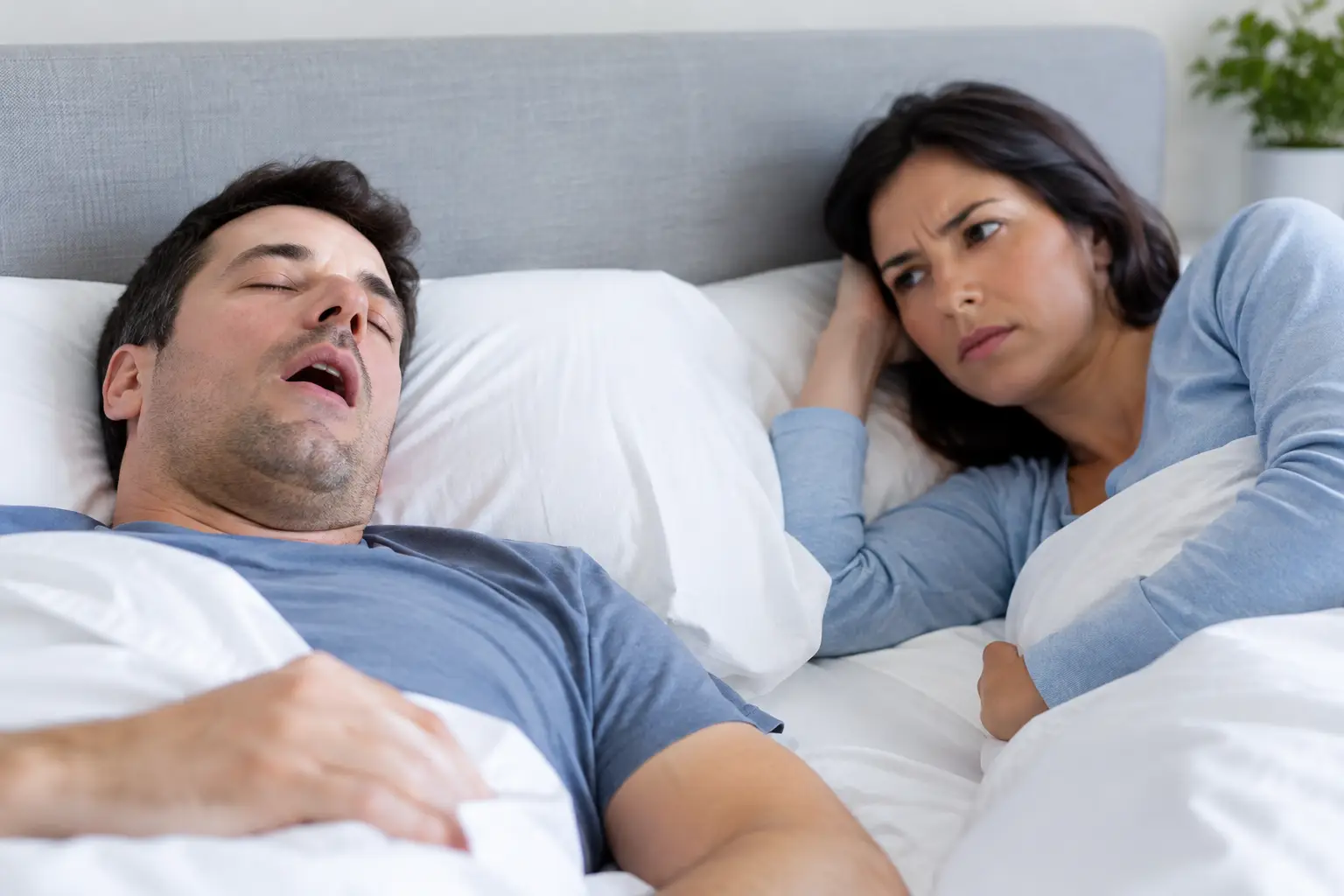
Loud snoring and witnessed pauses in breathing are common signs, but they are not the only ones. In older adults, sleep apnea may show up as morning headaches, frequent nighttime bathroom trips, insomnia, irritability, memory concerns, fatigue, or daytime sleepiness. Some people assume these symptoms are caused by medications, aging, or another health condition. Those factors can play a role, but they should not prevent a conversation with a physician or sleep specialist.
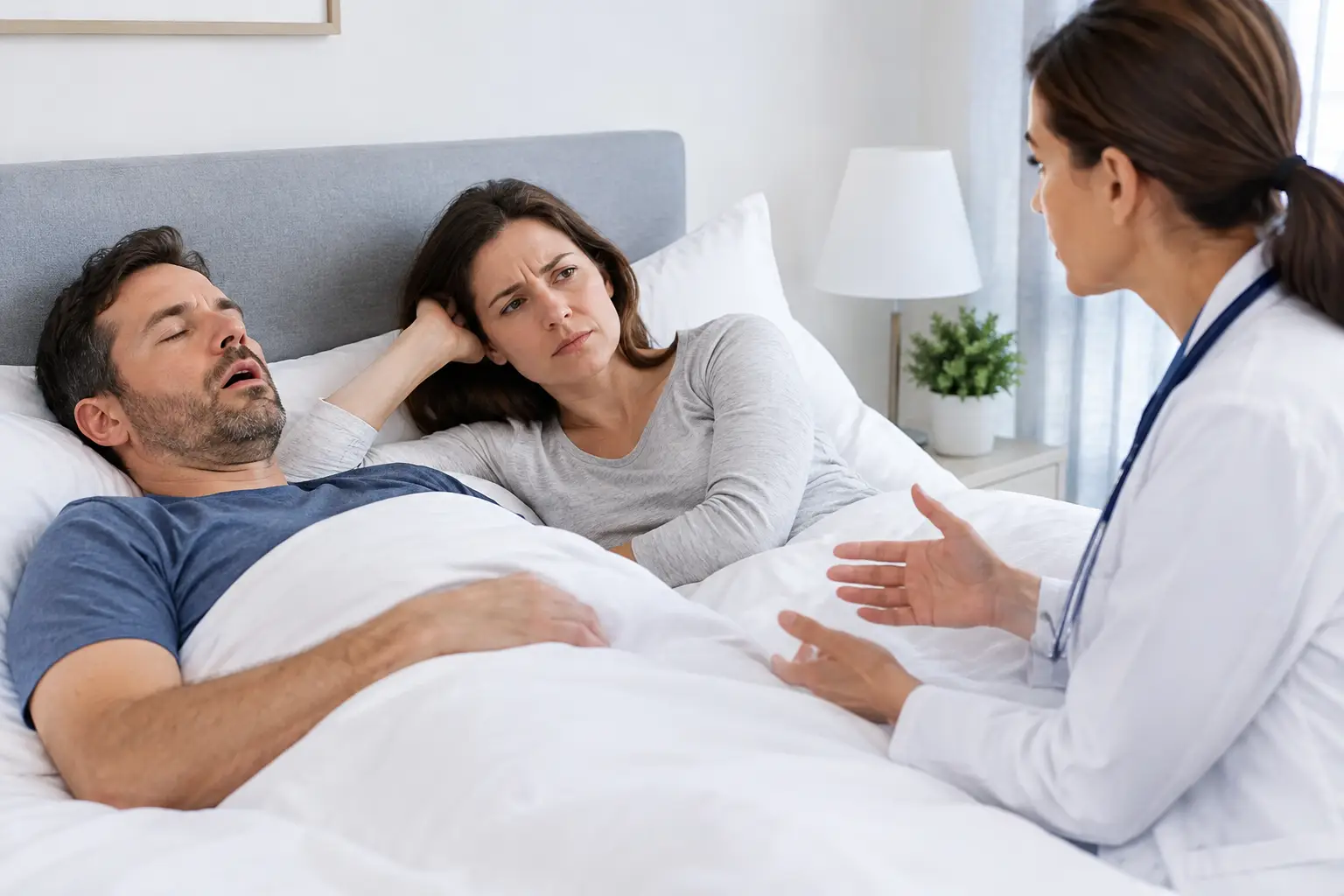
A sleep study is the starting point. It confirms whether sleep apnea is present, identifies its severity, and helps the care team recommend the safest treatment. Dental providers do not diagnose sleep apnea on their own, but a dentist trained in dental sleep medicine can work alongside the diagnosing physician to provide and monitor an oral appliance when appropriate.
What an oral appliance does
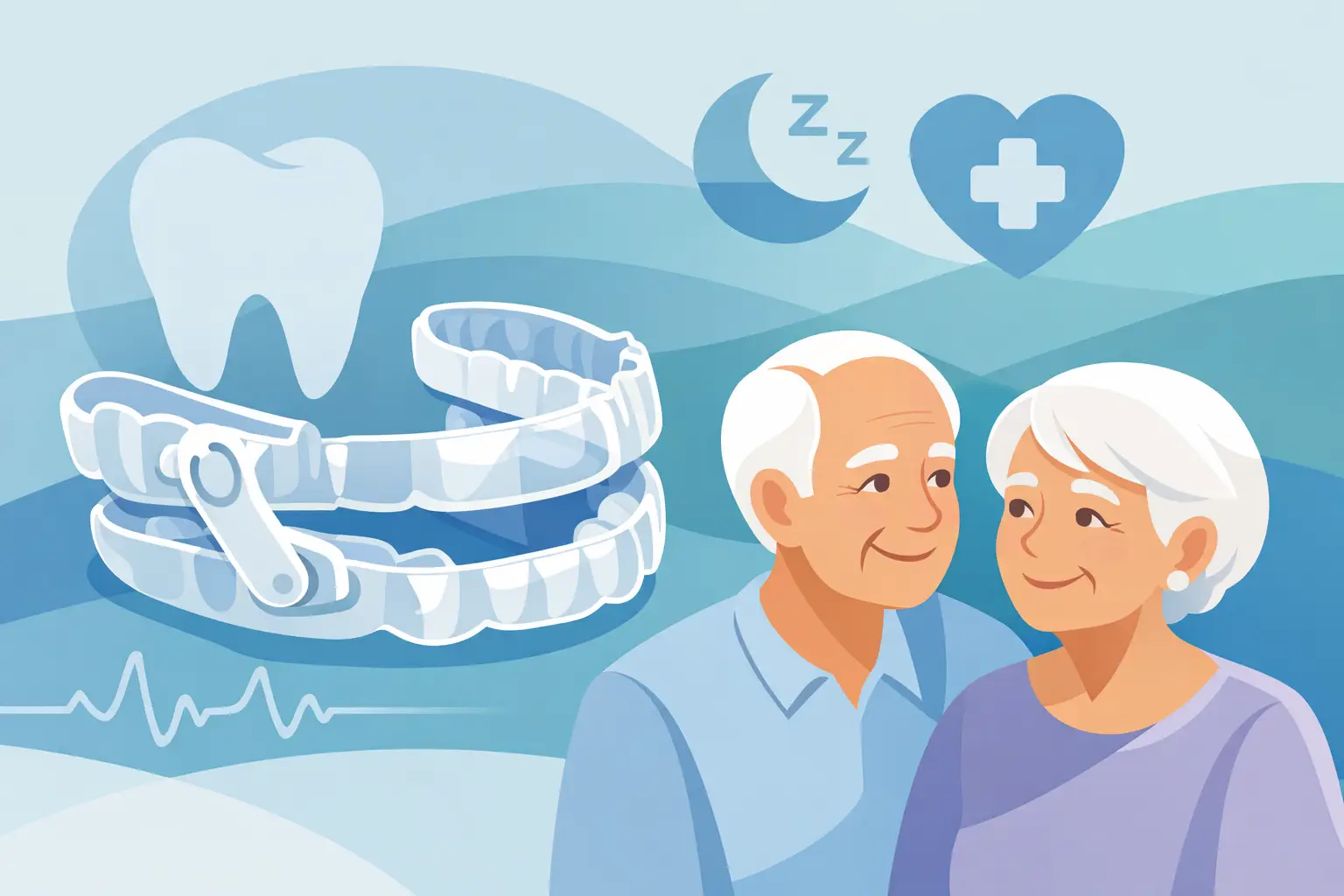
A custom oral sleep appliance is worn at night, much like a protective mouthguard. Most appliances used for obstructive sleep apnea gently hold the lower jaw forward. This forward position helps keep the tongue and soft tissues from collapsing into the airway.
Unlike an over-the-counter snoring device, a medical oral appliance is made from detailed impressions or digital scans of the teeth. It is adjusted in small increments to find a position that supports breathing while respecting comfort, jaw function, and dental health. The goal is not simply to reduce snoring. It is to treat the airway problem confirmed by the sleep physician.
For many patients, the practical appeal is clear. An appliance is small, quiet, portable, and does not require a mask, tubing, or electricity. It can be especially helpful for people who remove CPAP during the night, feel claustrophobic with a mask, travel often, or cannot manage CPAP equipment consistently.
Sleep apnea treatment for seniors is not one-size-fits-all
CPAP remains a highly effective treatment and is often the first recommendation for severe obstructive sleep apnea. It delivers air pressure through a mask to keep the airway open. For some older adults, CPAP is comfortable and successful. For others, issues such as mask leaks, nasal dryness, arthritis in the hands, limited mobility, or a feeling of confinement make regular use difficult.
Oral appliance therapy is commonly considered for mild to moderate obstructive sleep apnea, or for patients with severe apnea who cannot tolerate CPAP and have been evaluated by their sleep physician. In some situations, an appliance may be used alongside other treatments, such as positional therapy, weight management when clinically appropriate, nasal treatment, or CPAP at a lower pressure.
The best treatment is the one that is both clinically appropriate and used consistently. An appliance that is worn every night and verified to improve breathing may offer more real-world benefit than a treatment a patient cannot keep on through the night. Still, comfort alone is not proof that apnea is controlled. Follow-up testing matters.
Is an oral appliance safe for older adults?
For the right patient, yes. Oral appliances are generally safe when they are prescribed after a sleep apnea diagnosis, custom-made, and monitored by a qualified dental sleep medicine provider. Safety depends less on age alone and more on a careful review of oral health, medical history, medications, and ability to use and maintain the device.
Before treatment, the dentist should evaluate the teeth and gums, jaw joints, bite, restorations, implants, dentures, and the amount of healthy tooth structure available to support an appliance. This examination is particularly valuable for older adults, who may have dental bridges, loose teeth, gum disease, dry mouth, or a history of jaw discomfort.
A custom appliance can sometimes be designed around crowns, bridges, and implants. However, each case is different. Teeth supporting an appliance need to be stable, and active periodontal disease or untreated decay should be addressed first. A full or partial denture does not automatically rule out treatment, but it can limit which designs are suitable. Patients with very few teeth may need a more specialized plan or another sleep apnea treatment.
Some people experience temporary tooth tenderness, jaw stiffness, extra saliva, dry mouth, or bite changes in the morning. These concerns are usually manageable when caught early. Regular follow-up allows the dentist to adjust the appliance, monitor the teeth and jaw, and provide exercises or a morning repositioning device when needed.
Health considerations that deserve a closer look
Older adults often manage multiple medical conditions, and that calls for coordinated care. A history of stroke, heart disease, atrial fibrillation, chronic lung disease, cognitive impairment, or frequent falls does not automatically exclude oral appliance therapy. It does mean the sleep physician and dental provider should have a clear understanding of the patient’s condition and treatment goals.
Sedating medications, alcohol near bedtime, and certain pain medications can worsen airway collapse or make nighttime breathing more vulnerable. A patient should never change prescribed medication without consulting the prescribing clinician, but sharing a complete medication list helps the care team make safer recommendations.
Dexterity and memory also matter. A successful appliance must be easy for the patient or caregiver to insert, remove, clean, and store. During a consultation , it is reasonable to ask the patient to practice handling a sample device. Small details like a storage case, simple cleaning instructions, and caregiver involvement can make treatment more realistic at home.
A careful fitting protects comfort and results
A high-quality oral appliance is not a one-visit solution. The process begins with a physician’s sleep apnea diagnosis and a detailed dental examination. At Seattle Oral Care, this type of treatment is planned with attention to the patient’s airway needs and long-term dental stability, including existing restorative work when applicable.
After the appliance is fabricated, the dentist makes gradual adjustments. Moving the lower jaw too far forward too quickly can create unnecessary jaw discomfort. Moving it too little may not provide adequate airway support. The fitting process is a balance between breathing improvement, comfort, and healthy jaw function.
Once the patient is wearing the appliance regularly, the sleep physician may order a follow-up home sleep test or laboratory study. This step confirms whether the treatment is adequately reducing breathing events and improving oxygen levels. It is one of the most valuable parts of care, especially when a patient reports feeling better but has moderate or severe apnea.
Questions families should ask before choosing an appliance
A good conversation should leave patients and caregivers with clear expectations. Ask whether the appliance is custom-made and adjustable, how it will work with crowns, implants, bridges, or dentures, and how often follow-up visits are needed. It is also helpful to ask who will coordinate with the sleep physician and how treatment success will be verified.
Discuss cost and insurance early as well. Coverage varies by plan and may require documentation from a sleep study and physician. Medicare and other insurers may have specific requirements. The dental office can help explain the treatment process, while the patient’s insurer can confirm individual benefits.
Most of all, do not wait for symptoms to become disruptive enough to force a decision. A partner’s concern about breathing pauses, repeated exhaustion, or a CPAP device that sits unused are all good reasons to ask for help. With a thorough evaluation and ongoing support, many older adults can find a sleep apnea treatment that feels manageable, protects their oral health, and helps them wake up with more energy.