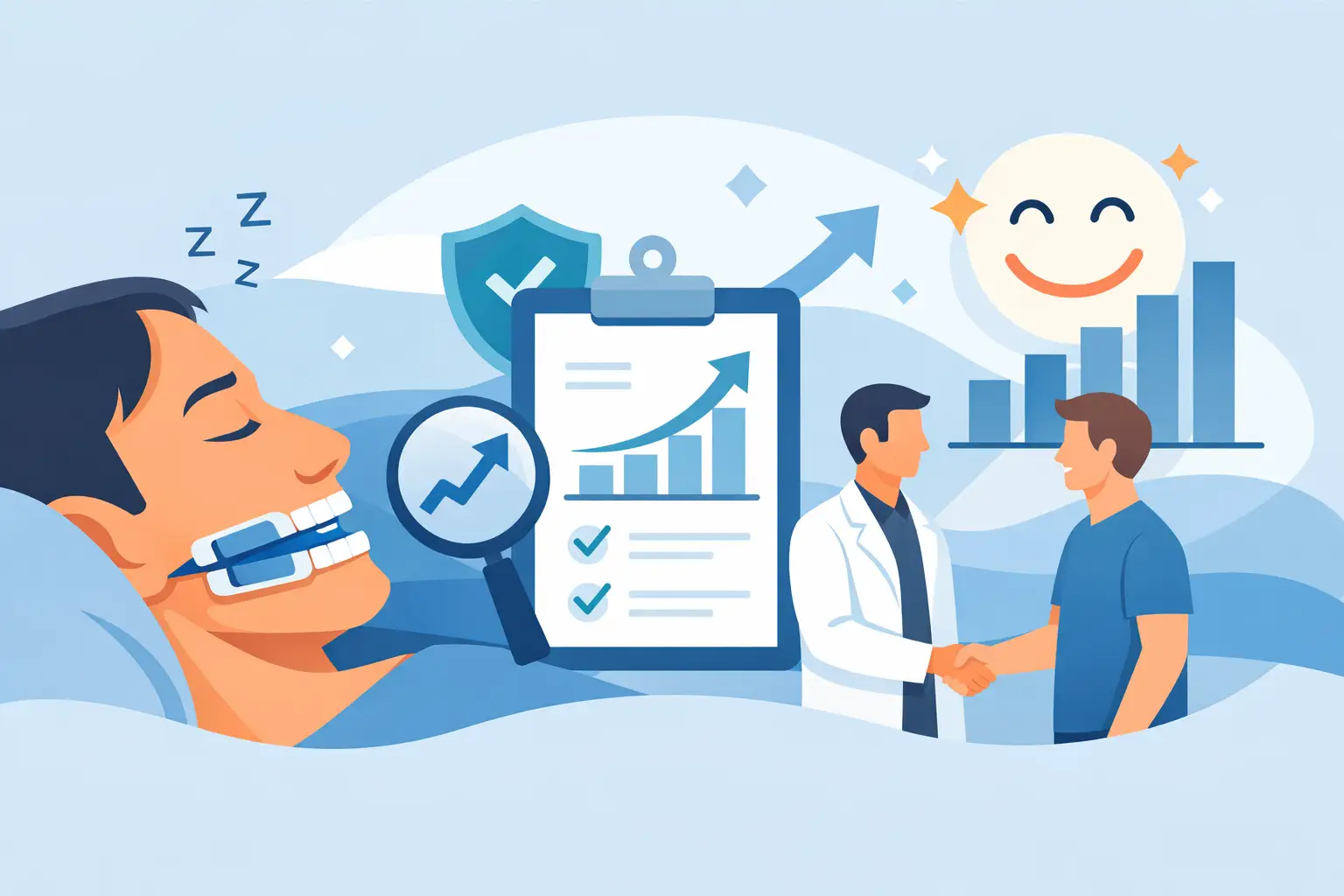
A quieter bedroom is encouraging, but it is not the only measure of success. When patients ask about the oral appliance therapy success rate , they usually want to know whether treatment can help them sleep better, feel more alert, and protect their long-term health. For many people with obstructive sleep apnea or disruptive snoring, the answer is yes, provided the appliance is carefully selected, custom fitted, and confirmed with follow-up sleep testing.
Oral appliance therapy is not a one-size-fits-all replacement for CPAP. It is a prescribed treatment that moves the lower jaw slightly forward during sleep, helping keep the airway more open. A custom mandibular advancement device is made for your teeth, adjusted in small increments, and monitored over time. Those details make a meaningful difference in both comfort and results.
What does a successful result look like?
Success is measured differently in different studies, which is why a single percentage can be misleading. Some researchers define success as reducing the apnea-hypopnea index, or AHI, by at least 50%. Others require the AHI to reach below 10 events per hour, or even below five events per hour. AHI measures breathing interruptions and partial obstructions during sleep.
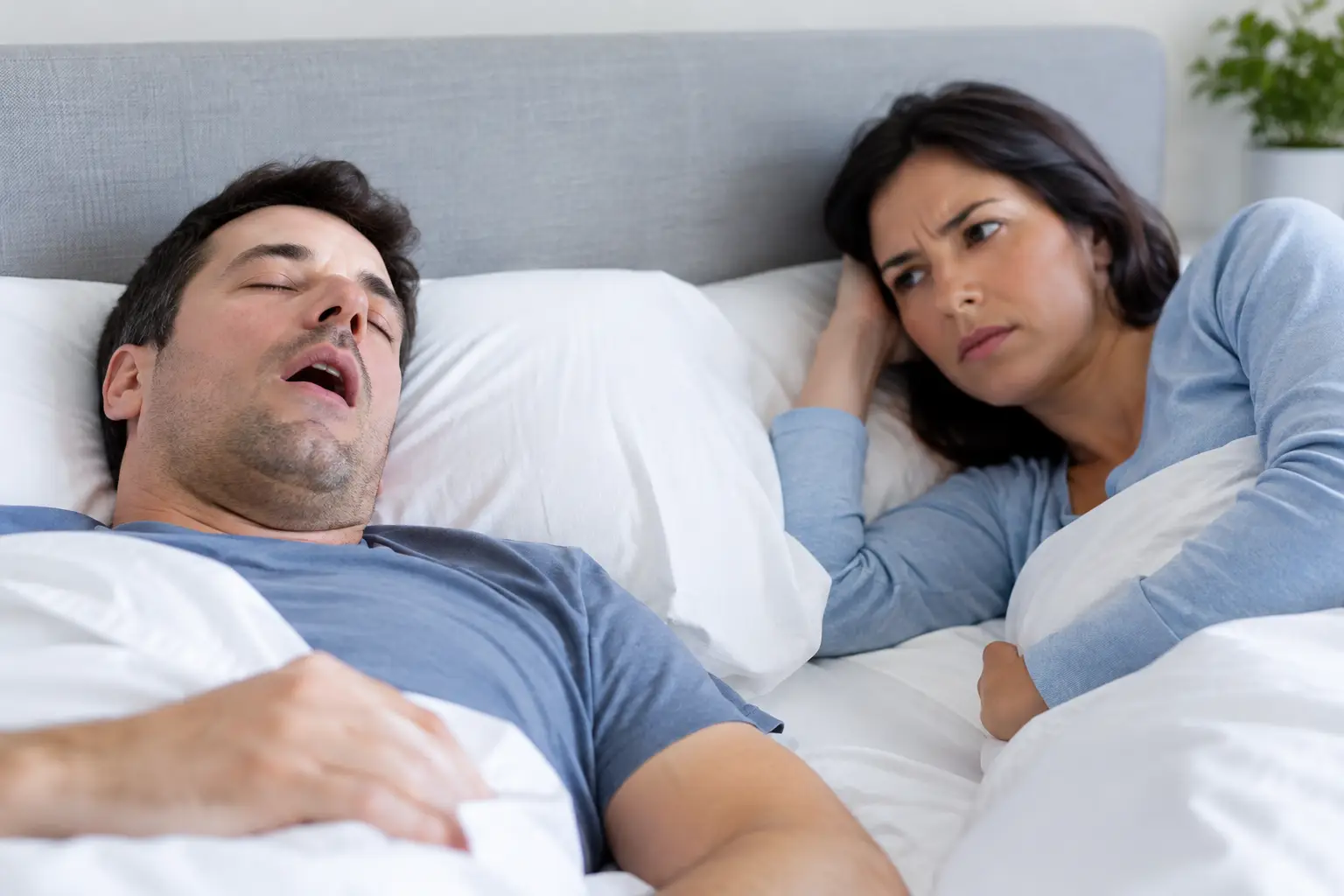
From a patient's perspective, success also includes less snoring, fewer nighttime awakenings, improved daytime energy, better concentration, and a bed partner who is finally getting restful sleep. Those improvements matter. Still, feeling better does not always prove that sleep apnea is adequately controlled. A follow-up home sleep test or sleep study is the clearest way to see how well the appliance is working for your airway.
For this reason, a meaningful oral appliance therapy success rate combines two questions: Does it reduce breathing events enough to improve health risk, and can the patient wear it consistently enough to receive that benefit night after night?
How effective is oral appliance therapy for sleep apnea?
Oral appliances are an evidence-based treatment for many adults with obstructive sleep apnea. Professional sleep medicine guidelines support custom, adjustable oral appliances for adults who prefer an alternative to CPAP or who cannot tolerate CPAP. They are also widely used for primary snoring after a sleep clinician has evaluated the patient for sleep apnea.
Research consistently shows that custom mandibular advancement appliances reduce AHI, improve oxygen levels for many patients, lessen snoring, and reduce daytime sleepiness. They can also produce modest improvements in blood pressure for some people with sleep apnea. The degree of improvement varies, but the body of evidence is strong enough that oral appliance therapy is a recognized medical treatment, not simply a snoring remedy.
CPAP usually lowers AHI more completely when it is worn as prescribed, particularly in severe sleep apnea. That distinction matters. However, an appliance may be easier for some patients to use consistently because it is quiet, compact, and does not involve a mask or pressurized air. In real life, a treatment that is slightly less powerful on paper but worn every night may provide meaningful benefit. The right choice depends on sleep study results, medical history, comfort, and personal ability to stay with treatment.
What oral appliance therapy research tells us
The strongest oral appliance therapy research focuses on custom, titratable devices made and managed by qualified dental professionals. These appliances can be adjusted gradually until the jaw position balances airway improvement with comfort. Research findings from these devices should not be assumed to apply to over-the-counter boil-and-bite guards, generic anti-snoring products, or devices purchased without professional oversight.
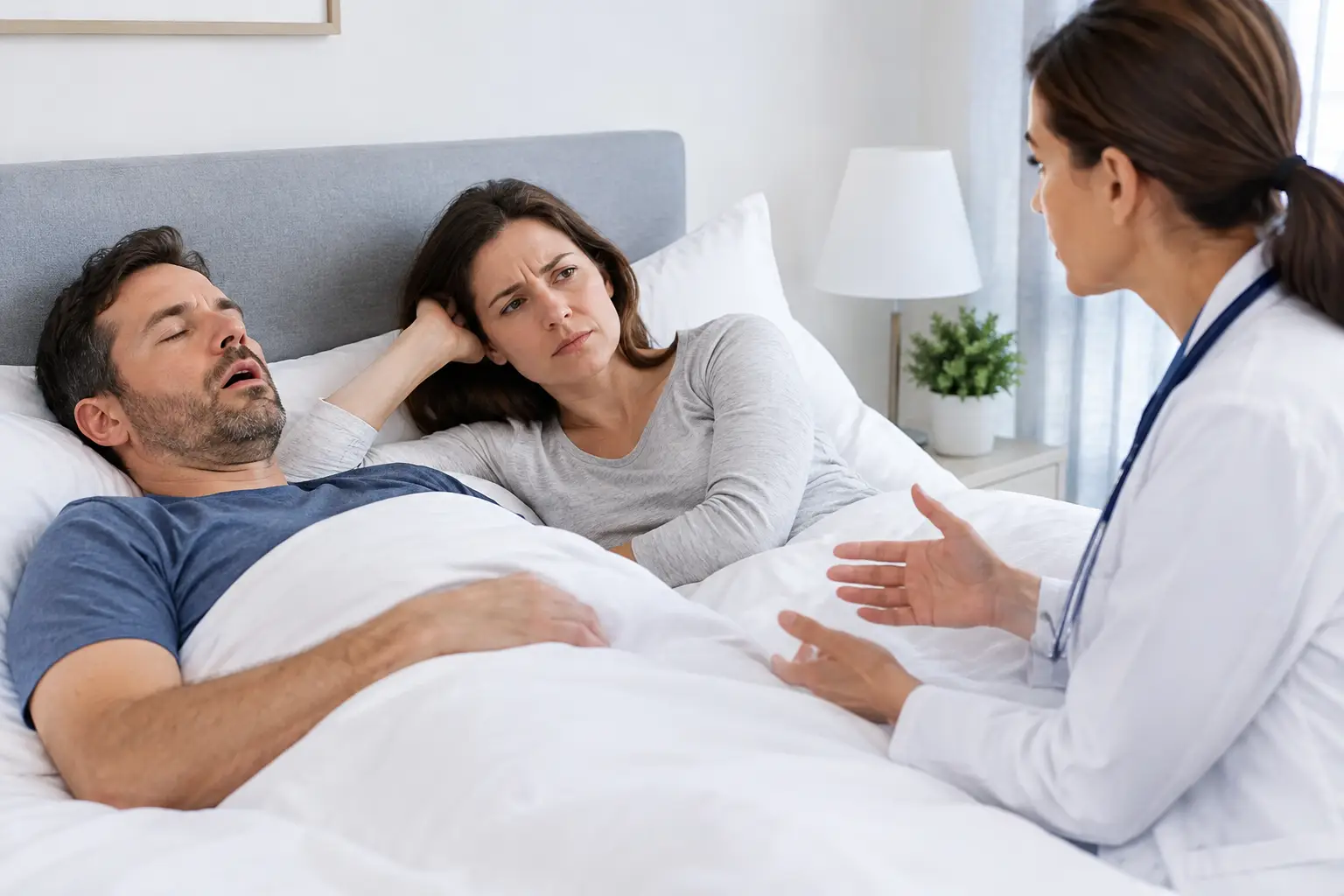
Studies also show why follow-up matters. An appliance may need several adjustments before it reaches its most effective position. Even after symptoms improve, testing confirms whether the reduction in breathing events is sufficient. This partnership between a sleep physician and a dentist trained in dental sleep medicine helps ensure treatment is based on more than a spouse's report that snoring has improved.
Does oral appliance therapy really work for everyone?
No treatment works equally well for every person, and honest treatment planning should make room for that. Oral appliance therapy tends to be especially effective for people with mild to moderate obstructive sleep apnea. It can also be an appropriate option for some patients with severe sleep apnea who are unable to use CPAP, but they need careful medical supervision and objective testing.
Several factors can influence the result. The severity and pattern of apnea, body weight, airway anatomy, nasal breathing, sleep position, and jaw structure all play a role. People whose sleep apnea is worse while lying on their back may benefit from combining an appliance with positional therapy. Others may benefit from treatment for nasal obstruction, weight management support, or a coordinated plan that includes CPAP.
Dental health matters, too. An oral appliance needs stable teeth and gums for reliable retention. Patients with missing teeth, loose teeth, active periodontal disease, untreated decay, limited jaw movement, or significant jaw joint pain may need dental treatment or a modified approach before beginning therapy. That does not automatically rule out an appliance. It simply means the plan should be individualized.
Why custom fitting and adjustment affect the success rate
A comfortable appliance is more likely to be worn. A properly adjusted appliance is more likely to help the airway. Both are essential.
Your dentist begins with an examination of your teeth, bite, jaw joints, and supporting bone. Digital scans or impressions are used to create a device designed for your mouth. After delivery, the appliance is adjusted in small steps based on comfort, symptoms, and guidance from your sleep care team. Advancing the jaw too quickly can cause soreness. Advancing it too little may not adequately improve the airway.
Patients should also know that oral appliance therapy requires maintenance. Temporary tooth tenderness, jaw stiffness, excess saliva, or dry mouth can occur during the adjustment period. Long-term use may gradually change the bite in some patients. Regular dental follow-up helps identify these changes early and protect oral health while treatment continues.
At Seattle Oral Care, sleep appliance treatment is delivered by an AADSM-certified prosthodontist, with attention to both airway goals and the condition of your teeth, bite, and jaw joints. That level of oversight is particularly valuable for patients with complex restorative needs or a history of dental discomfort.
A practical path to knowing if it will work for you
The first step is not choosing a device. It is receiving an accurate diagnosis. Snoring can be harmless, but it can also be a sign of obstructive sleep apnea. A sleep physician can determine whether apnea is present and how severe it is, often using a home sleep test when appropriate.
If an oral appliance is recommended, expect a process rather than a single appointment. Your dental provider will create and fit a custom device, then guide adjustments over several weeks or months. Once the appliance feels stable and symptoms have improved, a follow-up sleep test checks the result. If the test shows remaining apnea, the device may be adjusted further or paired with another therapy.
That process gives you a more useful answer than a broad online statistic. The most reliable measure is whether your appliance improves your own sleep study results, symptoms, comfort, and ability to use treatment consistently. Better sleep should feel better, and it should be verified.