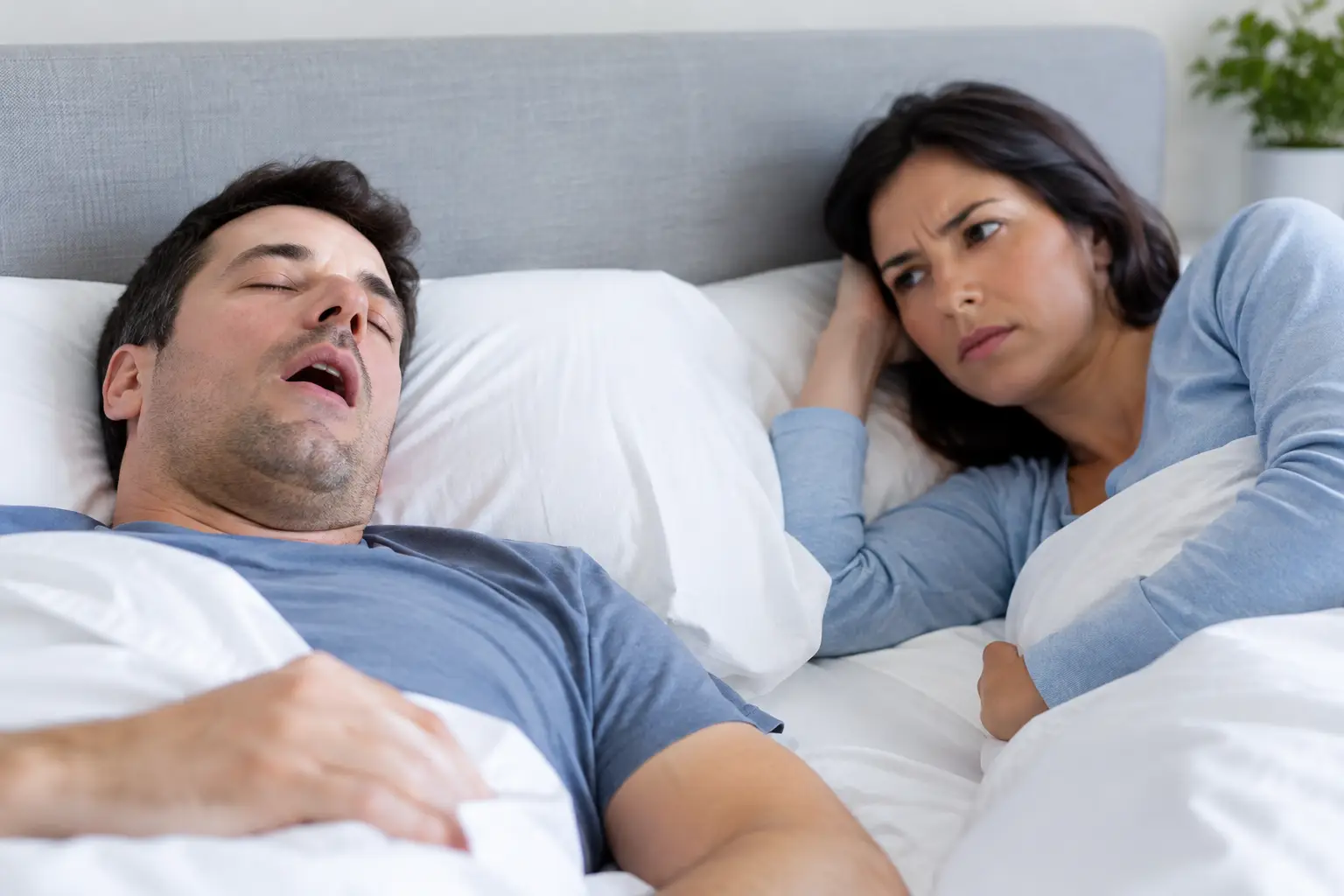
Waking up tired after a full night in bed is frustrating. So is hearing that your snoring is keeping a partner awake. A dental appliance for snoring can be a comfortable, effective option for some adults, but snoring is not always a simple noise problem. It can also be a sign of obstructive sleep apnea, a condition that deserves proper evaluation before treatment begins.
At Seattle Oral Care, sleep-focused oral care begins with listening. Your symptoms, medical history, jaw comfort, dental health, and sleep-testing results all matter when deciding whether an oral appliance is the right fit.
What a dental appliance for snoring does
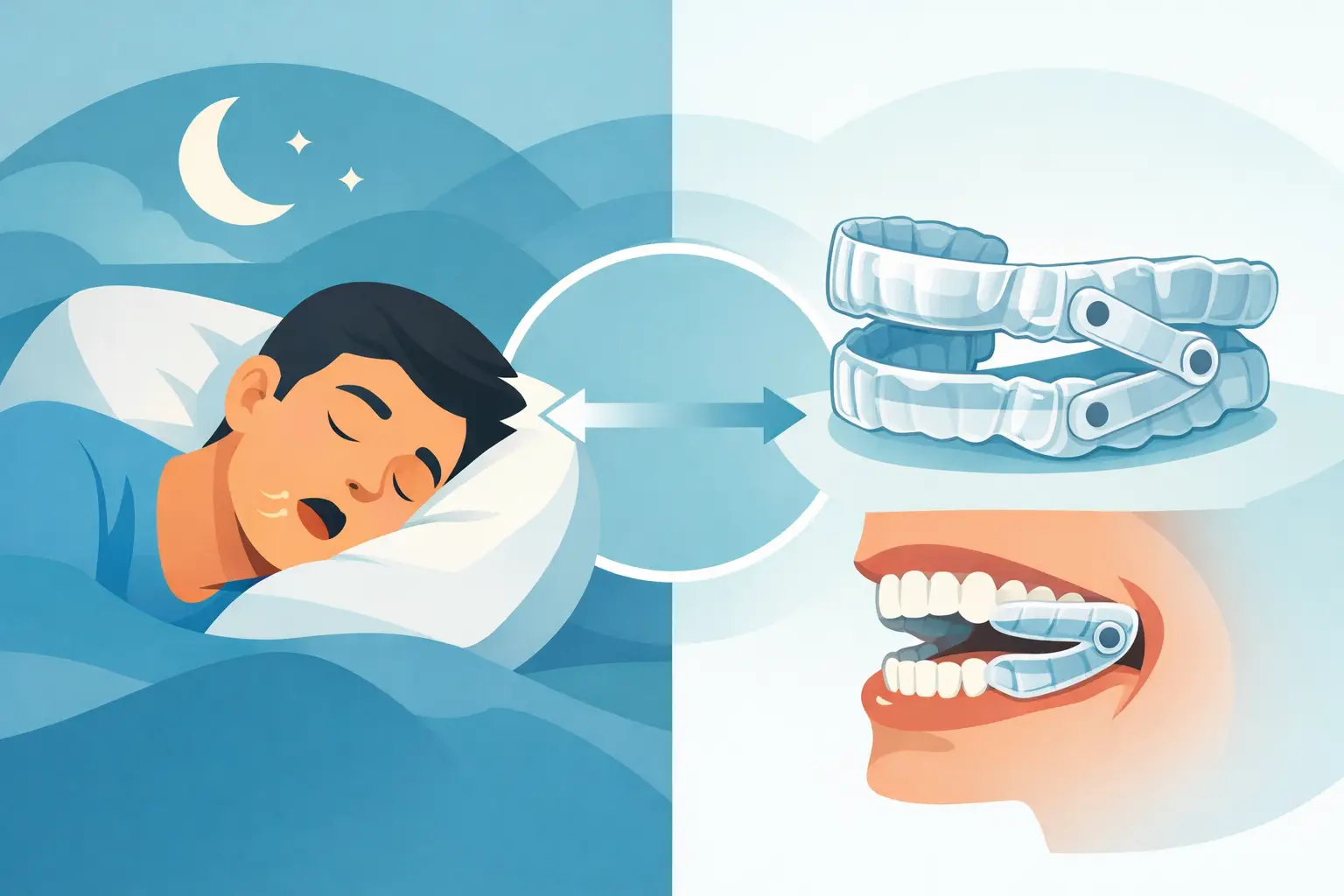
Most prescription dental appliances for snoring are mandibular advancement devices. They are custom-made, upper-and-lower trays that fit over your teeth and gently hold your lower jaw slightly forward while you sleep. This position can help keep the airway more open by reducing the tendency of soft tissues at the back of the throat to collapse.
When the airway stays open, airflow may become smoother and snoring may decrease. For people with obstructive sleep apnea, an appliance may also reduce the number of breathing interruptions during sleep. The goal is not simply a quieter bedroom. It is safer, more restorative sleep.
You may see several names used for this treatment, including dental appliances, a sleep dental appliance, an OSA dental appliance, or an apnea dental appliance. In practice, the right device and treatment plan depend on the diagnosis, the shape of your airway, your teeth and gums, and how your jaw joints function.
Over-the-counter mouthpieces are not the same as a custom oral appliance prescribed and monitored by a qualified dental sleep medicine provider. Store-bought products may be bulky, poorly fitted, or difficult to adjust. They can also place uneven pressure on teeth and jaw joints. A custom device is designed to be adjustable, durable, and specific to your bite.
Snoring versus obstructive sleep apnea
Snoring happens when air moves through a narrowed upper airway and causes surrounding tissues to vibrate. Alcohol near bedtime, nasal congestion, sleeping on your back, weight changes, and normal aging can all make it worse. In some cases, primary snoring is not associated with repeated drops in oxygen or significant breathing pauses.
Obstructive sleep apnea is different. During an apnea event, the airway partially or completely closes repeatedly during sleep. The brain briefly arouses the body to restart breathing, often without the person remembering it the next morning. That cycle can disrupt deep sleep and place strain on the cardiovascular system.
Common signs that snoring may be connected to sleep apnea include witnessed pauses in breathing, choking or gasping during sleep, morning headaches, dry mouth, daytime sleepiness, difficulty concentrating, and high blood pressure. Not everyone with sleep apnea fits a stereotype. People of many body types and ages can have it, and some people notice fatigue or insomnia rather than loud snoring.
That is why a sleep study matters. A physician or sleep specialist can diagnose sleep apnea through an in-lab study or, when appropriate, a home sleep test. A dentist can assess whether your mouth and jaw are suitable for an appliance, but a dental exam does not replace a medical sleep diagnosis.
Who may benefit from an oral appliance
Oral appliance therapy is commonly considered for adults with primary snoring and for patients with mild to moderate obstructive sleep apnea. It can also be an option for some people with more severe sleep apnea who cannot tolerate CPAP or prefer an alternative after discussing the risks and benefits with their sleep physician.
CPAP remains highly effective for many patients because it uses gentle air pressure to keep the airway open. Yet success depends on consistent use. If a mask, tubing, pressure sensation, or travel demands make regular CPAP use difficult, a custom sleep appliance may provide a practical path forward. It is smaller, quiet, portable, and does not require electricity.
Still, an oral appliance is not automatically the better choice. CPAP may be more appropriate when sleep apnea is severe, oxygen levels drop significantly, or other medical conditions require close control of breathing events. Some patients do best with both therapies available, using CPAP most nights and an appliance for travel. Others may benefit from positional therapy, weight management, nasal treatment, or a combination of approaches.
The most useful question is not, “Which treatment is easiest?” It is, “Which evidence-based treatment can protect my health and be used consistently?”
What makes someone a good candidate
A sleep dental appliance needs healthy enough teeth and supporting bone to hold it securely. Before moving forward, your dentist should evaluate for untreated cavities, active gum disease, loose teeth, tooth wear, missing teeth, bite concerns, and temporomandibular joint symptoms.
People with significant jaw pain, limited jaw movement, or certain bite patterns may need additional evaluation. An appliance can occasionally increase jaw soreness or change tooth position over time, especially without regular follow-up. These risks do not always rule out treatment, but they should be discussed plainly before a device is made.
This is especially relevant for patients with crowns, bridges, implants, dentures, or a history of extensive restorative dentistry. A carefully planned device can often be made for complex dental situations, but it should be designed with the entire mouth in mind. Coordinated care is valuable when your sleep treatment must protect long-term restorative work.
What the treatment process looks like
The first step is a consultation and review of your sleep history. If you already have a sleep study and a prescription for oral appliance therapy , bring that information to the appointment. If you have not been tested but your symptoms raise concern for sleep apnea , the appropriate next step may be a referral for medical evaluation.
Once oral appliance therapy is recommended, detailed impressions or digital scans are used to create a custom device. At the delivery appointment, the appliance is checked for fit, comfort, retention, and bite balance. You will learn how to insert it, remove it, clean it, and make any prescribed adjustments.
Adjustment is gradual. Moving the jaw forward too quickly can create soreness; moving it too little may not adequately improve airflow. Your dentist will guide this process and monitor your teeth, bite, gums, and jaw joints as treatment progresses.
Follow-up sleep testing is often recommended after the appliance has been adjusted to a therapeutic position. Feeling better is encouraging, but symptoms alone cannot confirm that breathing interruptions and oxygen levels have improved enough. Objective testing helps your medical and dental teams verify that the treatment is working.
What to expect during the first few weeks
Most patients need an adjustment period. Extra saliva, mild tooth tenderness, temporary jaw stiffness, or a different bite feeling in the morning can occur early on. Many appliances include a morning repositioning guide that helps the jaw return to its usual position after the device is removed.
Persistent pain, worsening headaches, tooth movement, a loose appliance, or a major bite change should not be ignored. Call your dental provider rather than trying to force the device to fit or making unapproved adjustments. Regular maintenance appointments are part of responsible therapy, not an optional add-on.
Good care also extends the life of the appliance. Rinse it after use, clean it with products recommended for the material, let it dry thoroughly, and store it in its protective case. Avoid hot water, which can warp many appliance materials.
A better next step than guessing
If snoring is affecting your sleep, relationship, focus, or energy, you do not have to choose between ignoring it and buying a generic mouthpiece online. Start with an honest conversation and the right diagnostic information. A custom appliance can be life-changing for the right patient, but it works best when it is part of a plan that protects both your breathing and your long-term dental health.
The goal is simple: quieter nights, more restorative sleep, and a treatment you can feel comfortable using consistently.