A sleep apnea appliance without a sleep study may sound like the fastest answer to loud snoring, poor sleep, and a tired partner. But if you are a snorer who wants a quick mouthpiece and skips the diagnosis step, you could miss the reason you are struggling to breathe at night - and choose a device that does not address it.
A properly fitted oral appliance can be an effective, comfortable treatment for many people with obstructive sleep apnea. The key is matching the treatment to the condition. That starts with knowing whether you have primary snoring, obstructive sleep apnea, another sleep disorder, or a combination of concerns.
Do I Need a Sleep Study for an Oral Appliance?
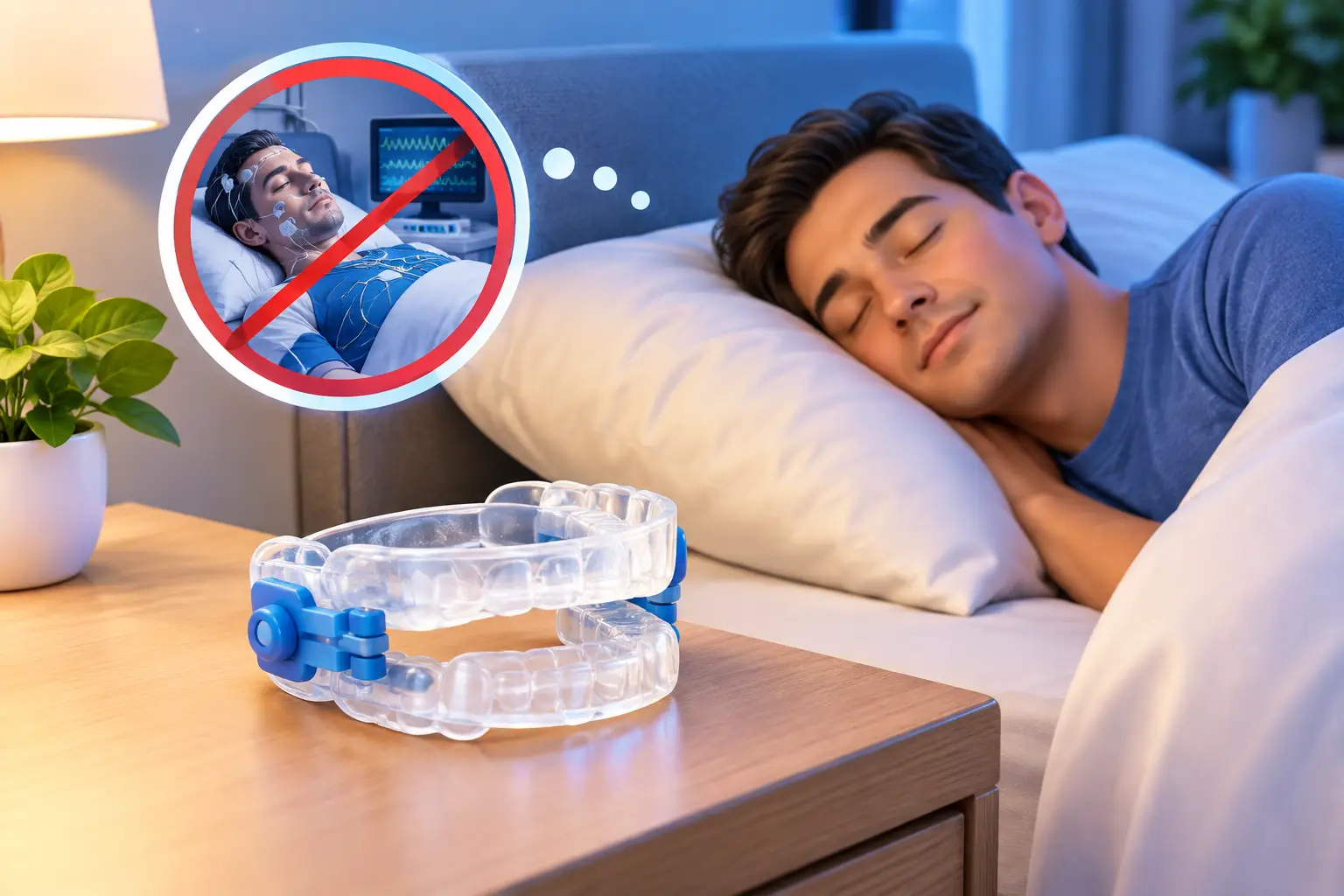
If an oral appliance is being used to treat suspected sleep apnea, a sleep study is generally needed before treatment. It establishes whether sleep apnea is present, how severe it is, how often breathing is interrupted, and whether oxygen levels fall during sleep. Those details guide safe treatment planning.
Snoring alone does not tell the whole story. Some people snore loudly without having sleep apnea. Others have significant sleep apnea but do not realize they snore because they sleep alone. Waking unrefreshed, morning headaches, dry mouth, daytime sleepiness, frequent nighttime urination, irritability, and witnessed pauses in breathing can all be clues, but symptoms are not a diagnosis.
A sleep physician can order either a home sleep apnea test or an overnight study in a sleep center. For many adults with a straightforward likelihood of obstructive sleep apnea, a home test is a convenient first step. An in-lab study may be more appropriate when symptoms are complex, a home test is inconclusive, or there are other medical factors to consider.
The result is not simply a pass-or-fail report. It helps determine whether an oral appliance is an appropriate first treatment, whether CPAP is likely to be recommended, and whether treatment should be coordinated with your physician. It also creates a useful baseline for confirming that the appliance works after it is fitted.
Why a Quick Mouthpiece Can Be the Wrong Shortcut
Store-bought mouthpieces and boil-and-bite devices are often marketed as easy snoring solutions. Some may temporarily move the lower jaw forward or hold the tongue in a different position. That can reduce noise for certain people, but it is not the same as treating diagnosed sleep apnea with a custom oral appliance.
An over-the-counter device cannot measure breathing interruptions or oxygen levels. It cannot tell whether your snoring is coming from nasal congestion, sleep position, alcohol use, enlarged tissues, jaw anatomy, or airway collapse during sleep. It also cannot be adjusted with the precision of a custom device made for your teeth and bite.
There are dental trade-offs as well. A poorly fitting mouthpiece can cause jaw soreness, tooth movement, gum irritation, or changes in how your teeth come together. People with loose teeth, untreated gum disease, significant jaw joint pain, or extensive dental work need an individualized evaluation before using a device that applies pressure to the teeth and jaw.
This does not mean every person who snores needs an elaborate process. It means the right first step depends on the concern. If the goal is to address suspected sleep apnea, testing should come first. If a physician has ruled out sleep apnea and the issue is primary snoring, a dental evaluation can help determine whether a custom appliance may be reasonable.
Can a Dentist Diagnose Sleep Apnea?
A dentist can recognize signs that suggest sleep-disordered breathing and can screen for obstructive sleep apnea. During an evaluation, a dentist may ask about snoring, daytime fatigue, waking up gasping, sleep quality, medications, and health history. They can also evaluate your bite, jaw position, tongue size and posture, tooth wear, gum health, and the condition of the jaw joints.
That evaluation matters because oral appliances are dental devices. They must fit comfortably, protect the teeth and gums, allow gradual adjustment, and be monitored over time. A dentist with training in dental sleep medicine can determine whether your mouth and jaw are suitable for oral appliance therapy.
However, the medical diagnosis of sleep apnea is made by a qualified sleep physician based on a sleep study and clinical evaluation. Think of the roles as coordinated rather than competing. The physician identifies the sleep condition and recommends treatment options. The dentist provides the custom oral appliance when it is appropriate, adjusts it as needed, and watches for dental or jaw-related changes.
At Seattle Oral Care, sleep-focused oral care is provided with this team-based mindset. An AADSM-certified prosthodontist can assess the dental side of treatment while helping patients understand the next appropriate step in the medical diagnosis process.
What Happens After a Sleep Apnea Diagnosis?
For adults with mild to moderate obstructive sleep apnea, a custom mandibular advancement device is often considered when CPAP is not preferred, is not tolerated, or is not the best fit for the individual. It may also be considered for some people with more severe apnea when a sleep physician determines it is appropriate and treatment is carefully monitored.
The appliance is made from digital scans or impressions of your teeth. It gently holds the lower jaw forward during sleep to help keep the airway more open. Unlike a one-size-fits-all mouthpiece, it is designed around your bite, existing dental restorations, and jaw comfort.
Fitting the appliance is only the beginning. The jaw is advanced gradually based on symptoms, comfort, and physician guidance. Follow-up visits allow the dentist to check the fit, make adjustments, and monitor the teeth, gums, bite, and jaw joints. A follow-up sleep test is commonly used to verify that the appliance is adequately controlling apnea, not merely reducing snoring.
That verification is especially valuable because quieter sleep is not always the same as healthier sleep. A partner may notice less noise while breathing interruptions continue. Objective testing provides the reassurance that treatment is doing its intended job.
When an Oral Appliance May Not Be the Whole Answer
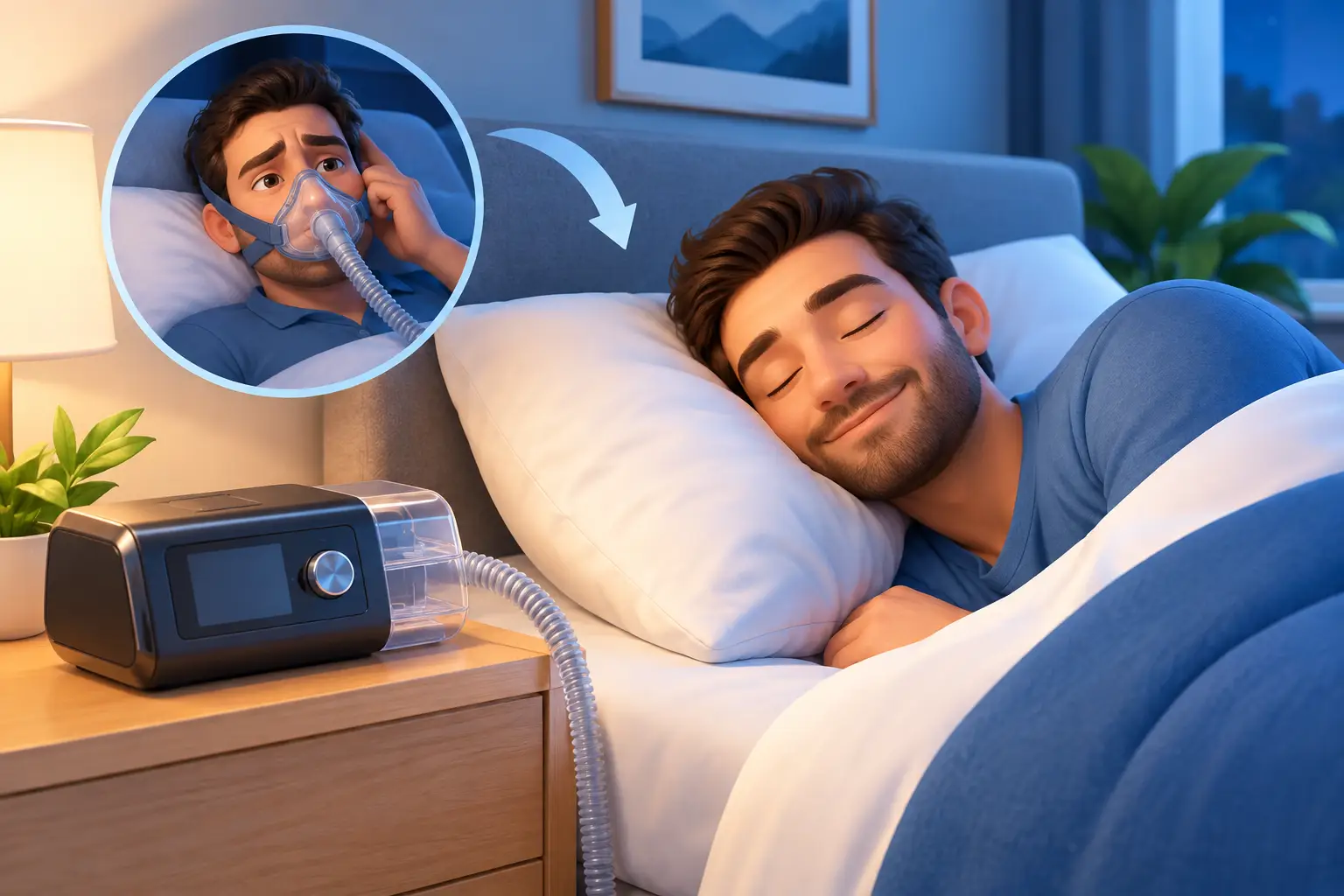
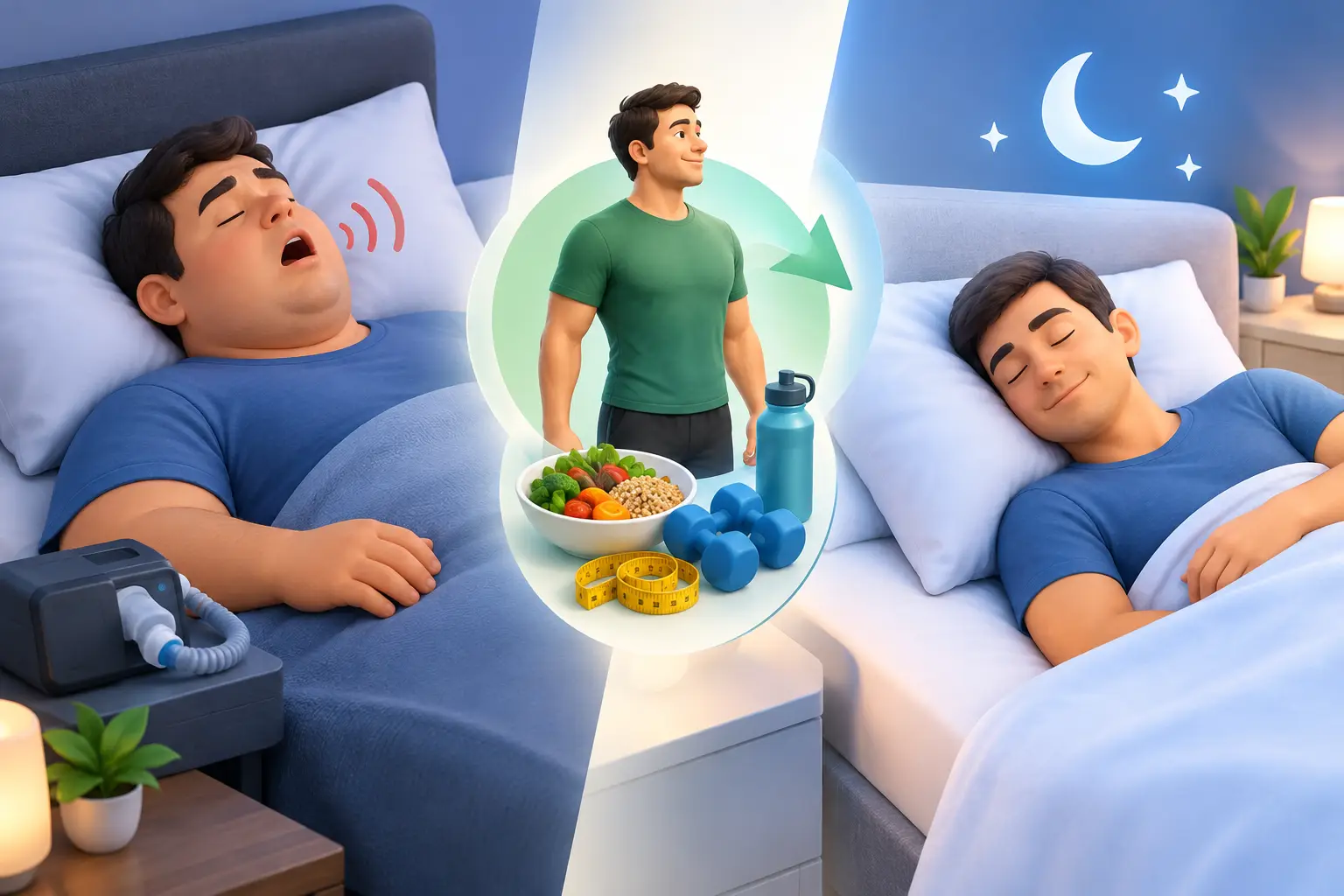
Oral appliance therapy can be life-changing for the right patient, but it is not a universal replacement for CPAP. CPAP remains highly effective, particularly for many people with severe obstructive sleep apnea. Some patients do best with CPAP, some with an oral appliance, and some with a combination approach that may include weight management, positional therapy, nasal care, or treatment for other airway concerns.
Your medical history matters, too. Heart disease, uncontrolled high blood pressure, significant daytime sleepiness, prior stroke, irregular heart rhythm, opioid use, or suspected central sleep apnea are reasons to involve a sleep physician promptly. Do not rely on a mouthpiece alone if you are falling asleep while driving, waking with chest symptoms, or having witnessed prolonged pauses in breathing.
Dental factors matter as well. Oral appliances depend on having enough healthy teeth or stable dental support to retain the device. Missing teeth, implants, bridges, dentures, active tooth pain, and jaw joint disorders do not automatically rule out treatment, but they may change the design or the plan. A thorough dental assessment prevents surprises later.
A Better First Step Than Buying a Mouthpiece
If your snoring has become a concern, start by describing what is happening at night and how you feel during the day. Bring in observations from a partner if possible. Mention how often you snore, whether anyone has noticed pauses or gasping, and whether you wake tired despite spending enough time in bed.
A dental sleep consultation can identify whether a custom appliance could be a good option for your teeth and jaw. If sleep apnea has not been diagnosed, the next step is often a referral for sleep testing rather than immediate appliance fabrication. That extra step protects you from treating the wrong problem and gives your care team a clear target.
You deserve more than a device that simply makes the room quieter. A careful diagnosis and a well-fitted appliance can help you pursue more comfortable sleep with a plan that protects both your breathing and your long-term dental health.