A dental appointment can feel much more manageable when you know what comfort options are available before you sit in the chair. When patients ask about nitrous oxide versus sedation , the answer is not usually an either-or choice. Nitrous oxide is itself a form of minimal sedation, while other approaches may provide a deeper level of relaxation. The right option depends on your procedure, medical history, anxiety level, and how much support you need to feel at ease.
At Seattle Oral Care, conversations about comfort start with listening. Whether you are coming in for a routine procedure, dental implant treatment , or a more extensive restoration, you deserve clear answers and a care plan that respects your concerns.
Nitrous Oxide Versus Sedation: The Key Difference
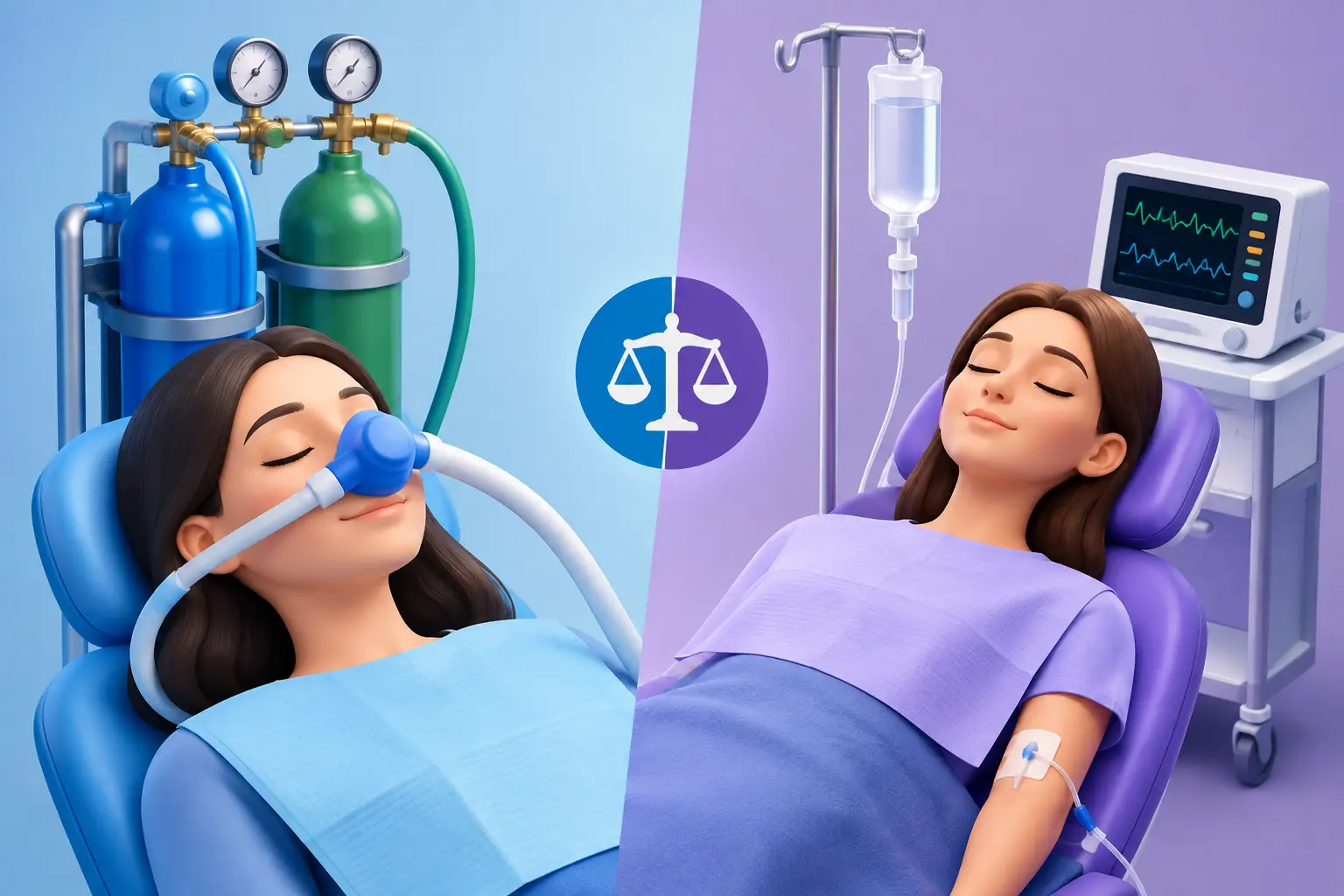
Nitrous oxide, often called laughing gas, is a mild inhaled sedative. You breathe it through a small mask placed over your nose. Within a few minutes, many patients feel calmer, lighter, and less focused on the sounds, sensations, or time involved in treatment. You remain awake, can respond to questions, and continue breathing on your own.
The term sedation can also refer to oral sedation or IV sedation. These options may create a deeper sense of relaxation than nitrous oxide. Oral sedation involves taking a prescribed medication before treatment. IV sedation is administered through a vein and can be adjusted during the procedure by appropriately trained providers. With either option, patients may remember little of the appointment, even though they are not necessarily fully asleep.
General anesthesia is different again. It places a patient into a controlled unconscious state and is typically reserved for specific surgical settings, complex needs, or hospital-based care. It is not the same as the relaxation most people mean when they ask for dental sedation.
What Nitrous Oxide Feels Like
Nitrous oxide is often a good fit for people who want help taking the edge off but would still like to feel present and in control. Some patients describe a warm, floaty feeling or mild tingling in their hands and feet. Others simply notice that their worry quiets down.
One of its practical advantages is how quickly it wears off. Once the mask is removed, the dental team provides oxygen for several minutes to help clear the nitrous oxide from your system. Most patients can return to normal activities afterward and may be able to drive themselves home, subject to their dentist's instructions and their individual response.
Nitrous oxide does not eliminate all sensation on its own. Local anesthetic is still used to numb the treatment area when needed. Think of nitrous oxide as support for anxiety and comfort, while local anesthetic controls pain.
When nitrous oxide may be a good choice
Nitrous oxide can be helpful for a patient with mild to moderate dental anxiety, a sensitive gag reflex, or difficulty relaxing during a shorter appointment. It may also be useful when someone has avoided care because the idea of treatment feels overwhelming but wants to resume routine visits gradually.
Because the effect is brief, it can suit patients who need to return to work, family responsibilities, or other plans later in the day. Still, comfort is personal. A short procedure may feel easy for one person and very stressful for another, so the length of an appointment is only one part of the decision.
When Other Sedation May Make More Sense
Oral or IV sedation may be worth discussing when anxiety is more intense, a procedure is lengthy, or several treatments need to be completed in one visit. For example, someone undergoing a surgical procedure or extensive restorative care may prefer a deeper level of relaxation and have a trusted adult available to drive them home and stay with them afterward.
Oral sedation generally takes longer to begin working and can leave you drowsy for the rest of the day. You will need a responsible escort and should plan to avoid driving, operating equipment, signing important documents, or making major decisions until the medication has fully worn off.
IV sedation may offer a more predictable and adjustable level of relaxation for appropriate patients, but it also requires closer monitoring and more preparation. Your dental team will review health history, medications, allergies, sleep-related breathing concerns, and prior experiences with anesthesia before recommending an option.
No comfort method is automatically better. For a patient who values a fast recovery and a clear-headed drive home, nitrous oxide may be ideal. For someone whose fear has led them to postpone needed treatment for years, a deeper approach may help make care possible. The goal is not to make every appointment feel the same. It is to make your appointment feel manageable and safe.
Safety Starts With a Complete Conversation
Sedation decisions should never be based on anxiety alone. Your overall health matters. Be prepared to discuss prescription medications, supplements, alcohol or recreational drug use, respiratory conditions, heart conditions, pregnancy, and any history of sleep apnea or snoring. These details help your dentist determine which approach is appropriate and what monitoring may be needed.
Patients with obstructive sleep apnea deserve particular attention because sedating medications can affect breathing. That does not automatically rule out sedation, but it does mean the care team should plan thoughtfully. Bringing information about your diagnosis, CPAP use, or oral appliance can be helpful.
Your dentist may also give eating and drinking instructions before treatment. These instructions vary by the type and depth of sedation planned. Follow them carefully, and ask in advance if you are unsure whether to take a usual medication on the morning of your visit.
Questions to Ask Before Choosing a Comfort Option
A good consultation should leave you knowing not just what is being recommended, but why. Ask how alert you are likely to feel, whether you will need someone to take you home, how long recovery may take, and what the plan is for managing discomfort once the numbness fades.
It can also help to share what specifically makes you nervous. Is it needles, gagging, the sound of instruments, a previous difficult experience, or concern about losing control? Sometimes the most effective answer is not deeper sedation. Extra time, a clear stop signal, breaks during treatment, headphones, topical numbing medication, or a step-by-step explanation can make a meaningful difference.
For complex treatment, ask whether your plan can be coordinated across the professionals involved. Comprehensive care is often more comfortable when the surgical, periodontal, restorative, and long-term maintenance considerations are planned together rather than treated as separate concerns.
Preparing for a More Comfortable Visit
If you choose nitrous oxide, arrive with enough time to settle in and let the team know if anything has changed in your health since your consultation. If you are scheduled for oral or IV sedation, arrange transportation before the day of treatment. Choose an adult who can stay with you as instructed and help you get home safely.
Wear comfortable clothing, avoid rushing, and bring a written medication list if you take several prescriptions. Most importantly, tell the team if you are feeling more anxious than expected. Dental professionals cannot adjust to concerns they do not know about, and a compassionate practice will welcome that conversation.
The best choice between nitrous oxide and other forms of sedation is the one that supports safe, consistent care without asking you to push through fear alone. With the right planning, even a long-delayed appointment can become a positive first step toward a healthier, lasting smile.