For a person with severe sleep apnea who cannot tolerate CPAP, the question is not whether they should simply live with poor sleep. Untreated obstructive sleep apnea can strain the heart, raise accident risk through daytime drowsiness, and make daily life feel much harder than it should. A custom oral appliance may be part of a safe solution, but severe sleep apnea needs careful medical oversight and follow-up testing.
What severe sleep apnea means
Obstructive sleep apnea happens when the soft tissues of the throat repeatedly narrow or close during sleep. Breathing pauses, oxygen levels can fall, and the brain briefly wakes the body to reopen the airway. Many people do not remember those awakenings, yet they may wake unrefreshed, struggle with concentration, experience morning headaches, or fall asleep unintentionally during the day.
Sleep studies commonly classify apnea by the apnea-hypopnea index, or AHI. This measures breathing disruptions per hour of sleep. Severe obstructive sleep apnea generally means an AHI of 30 or more. The number matters, but it is not the whole picture. Oxygen levels, medical history, symptoms, airway anatomy, body position, and the types of breathing events all help determine the safest treatment plan.
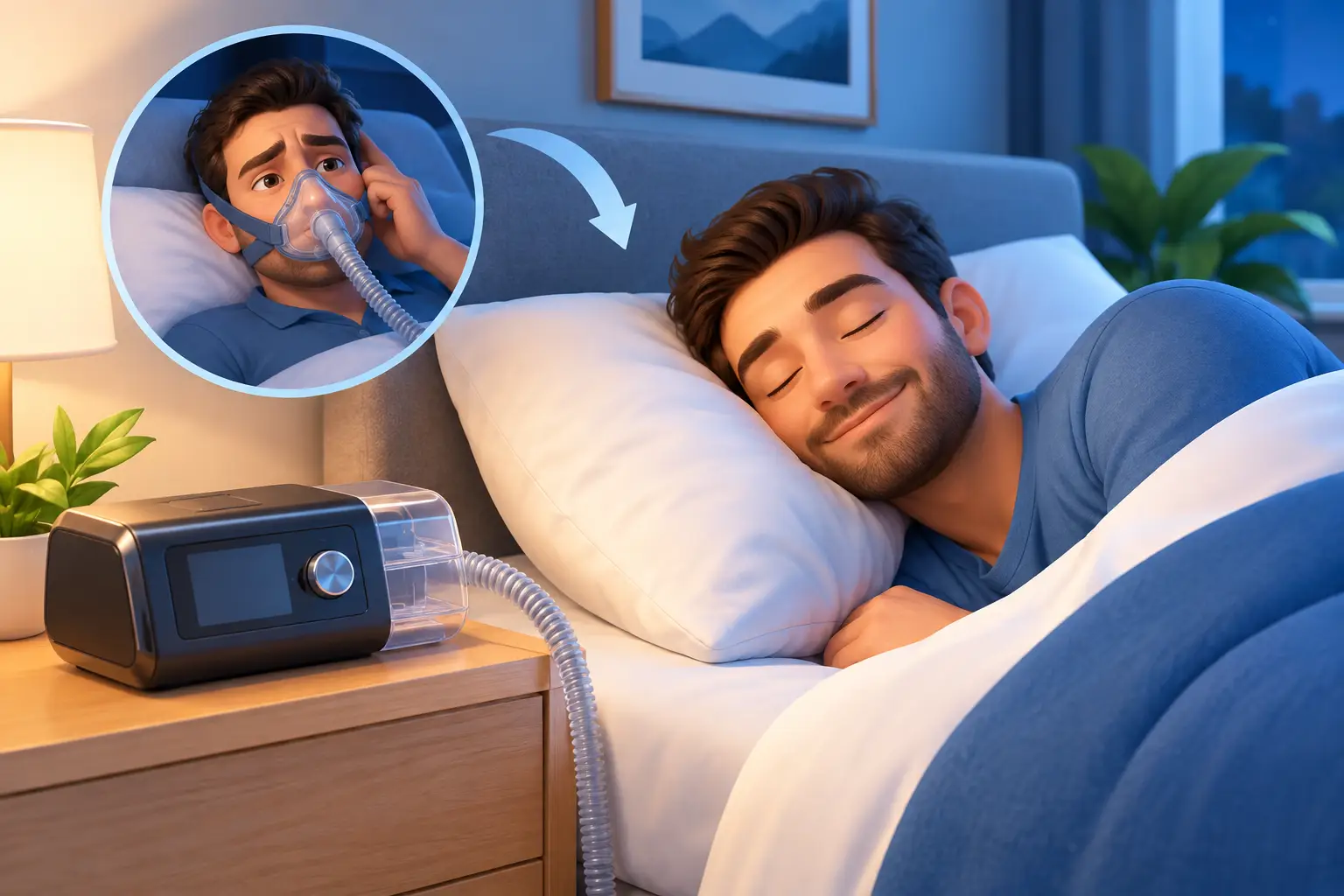
CPAP, which uses gentle air pressure to keep the airway open, is typically the first-line treatment for severe obstructive sleep apnea. When worn consistently, it is highly effective. The challenge is that effectiveness only helps when the device is actually used. Some patients cannot tolerate the mask, pressure, leaks, dry mouth, noise, or the feeling of sleeping attached to equipment, even after thoughtful adjustments.
Can an oral appliance treat severe sleep apnea?
The honest answer is: sometimes, but it depends. Oral appliance therapy for severe sleep apnea is not usually considered the equal of CPAP in its ability to reduce breathing events for every patient. Still, a properly selected and carefully adjusted appliance can offer meaningful improvement for people who cannot use CPAP or who decline it after trying appropriate alternatives.
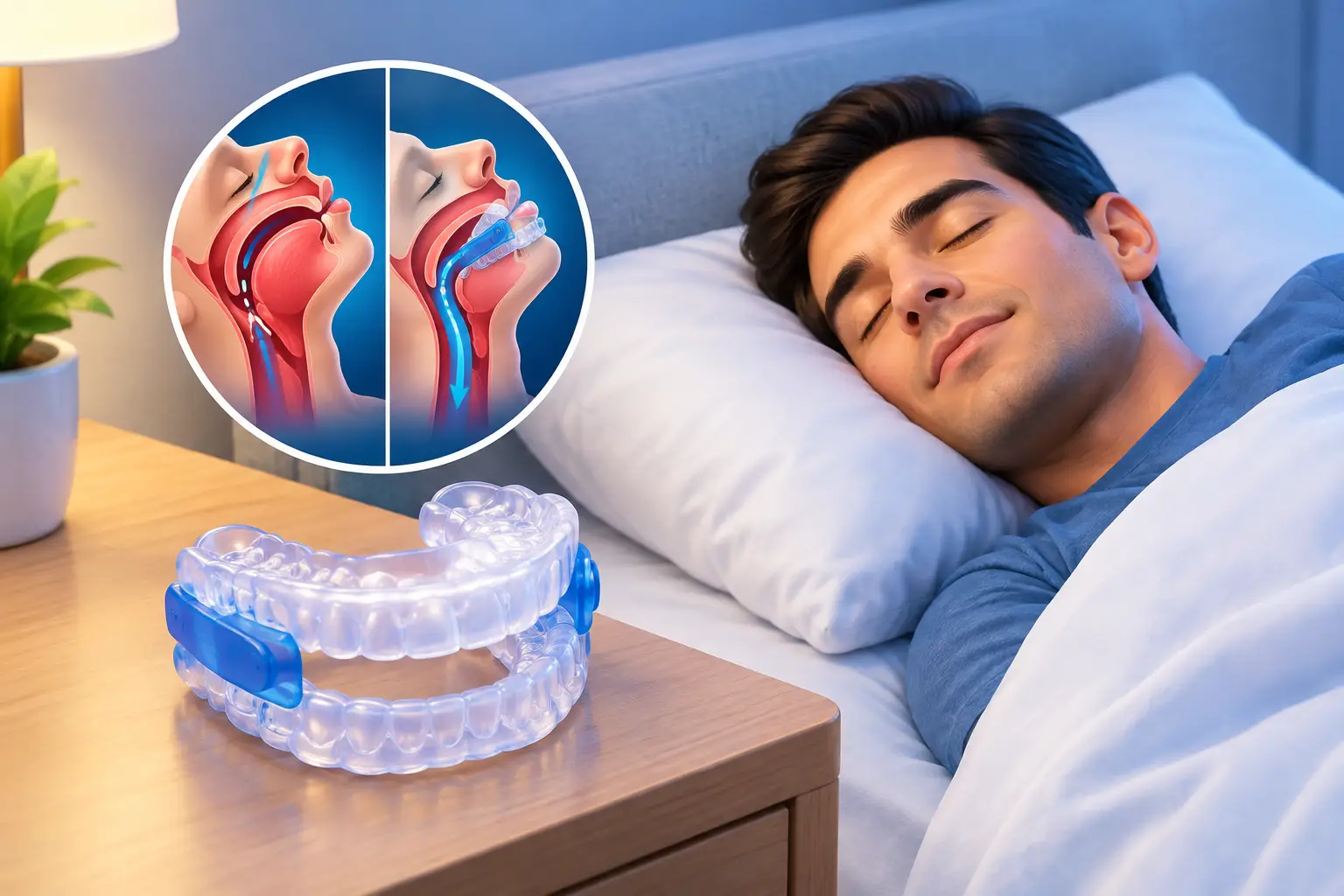
A sleep appliance is not an over-the-counter mouthguard. It is a custom, adjustable device worn over the teeth at night. Most appliances gently bring the lower jaw forward. That forward position can help keep the tongue and surrounding tissues from falling back and blocking the airway.
For some people with severe apnea, an oral appliance can reduce the AHI substantially, improve oxygen levels, lessen snoring, and help them feel more alert. For others, it may reduce apnea but not enough to reach a safe treatment target. That is why a dental evaluation alone is not enough. The results must be checked with follow-up sleep testing ordered or interpreted by the treating sleep physician.
The goal is not simply a quieter bedroom. The goal is to control obstructive events and protect long-term health.
When an oral appliance may be a reasonable CPAP alternative
A severe sleep apnea CPAP alternative deserves consideration when CPAP remains intolerable despite a real effort to improve the experience. Before moving on, a sleep team may be able to help with mask refitting, humidification, pressure adjustments, different machine settings, or treatment for nasal congestion. Those changes can make CPAP workable for many people.
If CPAP still is not sustainable, an oral appliance may be appropriate when the sleep study confirms obstructive, rather than central, sleep apnea and the patient has enough healthy teeth and jaw support to wear the device comfortably. The jaw and bite also matter. A dentist trained in dental sleep medicine evaluates the teeth, gums, jaw joints, restorations, and range of movement before recommending treatment.
An appliance may be especially useful if apnea is worse while sleeping on the back, if the jaw responds favorably during airway assessment, or if a patient’s anatomy suggests that forward jaw positioning could help. None of these factors guarantees success. They simply help guide a more individualized recommendation.
For patients with very severe oxygen drops, significant cardiovascular disease, dangerous daytime sleepiness, or safety-sensitive work such as commercial driving, the need for prompt and reliable control is particularly urgent. CPAP may remain the preferred path, or an oral appliance may be used as part of a combination plan rather than a stand-alone treatment.
Why custom fitting and adjustment matter
A qualified dentist does more than take an impression and deliver a device. The appliance must be designed around your teeth, restorations, gums, bite, and jaw movement. It is then adjusted in small increments to find a position that supports the airway without creating unnecessary jaw pain or bite problems.
At first, some patients notice tooth pressure, extra saliva, dry mouth, or temporary jaw stiffness. These effects often improve with adjustments, but they should not be ignored. Long-term appliance use can also change tooth position or the way the teeth meet. Ongoing visits allow the dentist to monitor those changes and protect oral health.
This is especially relevant for people with crowns, bridges, implants, gum disease, missing teeth, or jaw-joint concerns. These conditions do not automatically rule out oral appliance therapy, but they can affect device selection and treatment planning. Coordinated dental care can make treatment safer and more comfortable.
Follow-up sleep testing is the proof
Feeling better is encouraging, but it does not prove that severe sleep apnea is controlled. Snoring may decrease while breathing disruptions continue. A repeat home sleep apnea test or an in-lab study, performed after the appliance has been adjusted, shows whether treatment is meeting its goal.
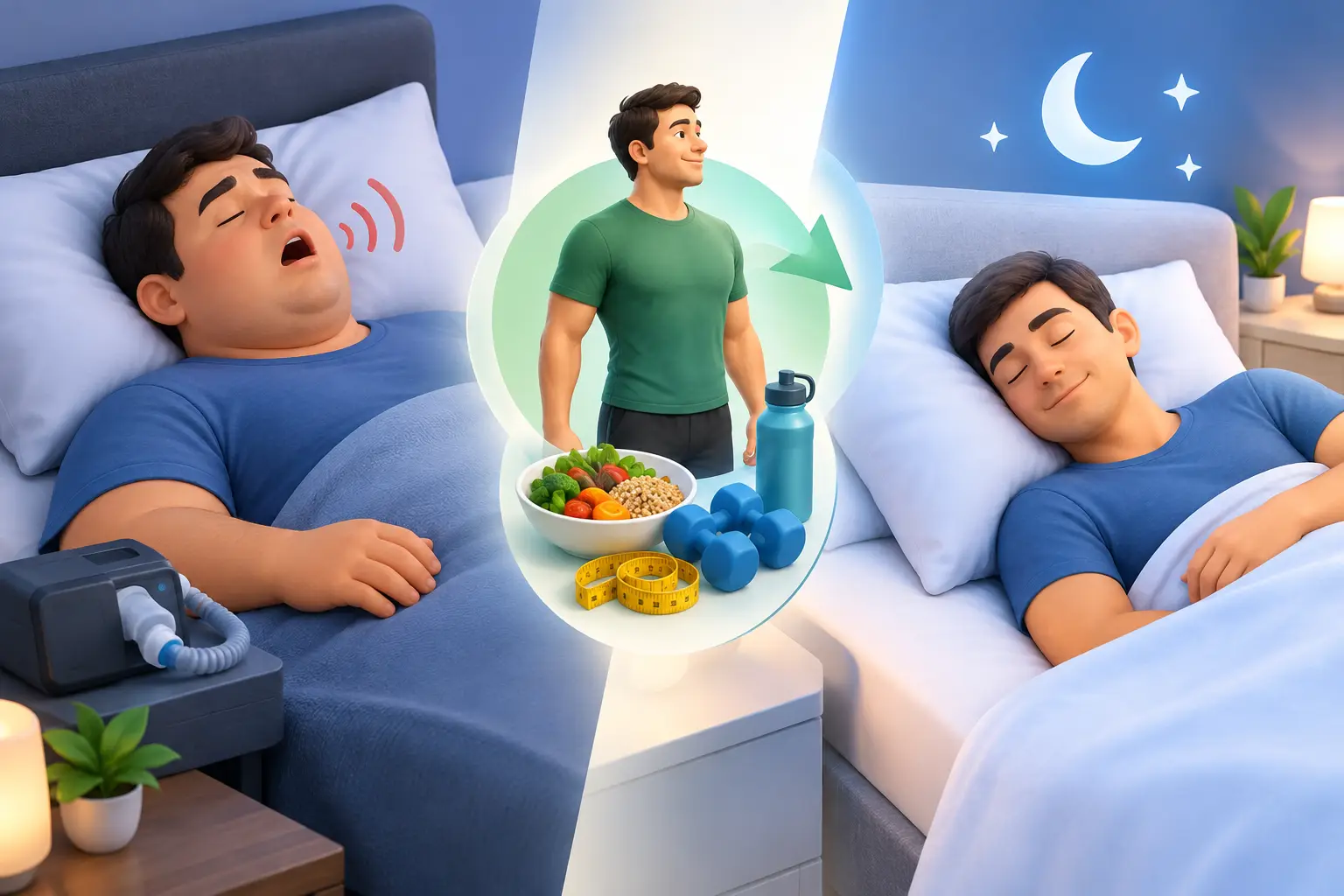
The sleep physician reviews the results and may recommend further appliance adjustment, continued CPAP efforts, positional therapy, weight management support, treatment for nasal obstruction, or other options. In some cases, combining an oral appliance with CPAP allows for lower pressure and a more tolerable experience. In others, the appliance is paired with positional therapy to address apnea that is much worse on the back.
This collaboration matters because obstructive sleep apnea is a medical condition, while the appliance is a dental treatment. The best outcomes come from both sides of care working together.
Questions to ask before choosing oral appliance therapy
Before starting treatment, ask whether your diagnosis is obstructive sleep apnea and how severe the oxygen drops were on your sleep study. Ask what CPAP adjustments have already been tried and whether an oral appliance is expected to be a primary option, a backup for travel, or part of combination therapy.
It is also reasonable to ask how the device will be monitored, whether your dentist works with your sleep physician, and when repeat sleep testing will be completed. A clear answer to these questions helps you avoid a common mistake: assuming that a comfortable appliance automatically means effective treatment.
Seattle Oral Care provides custom oral appliance therapy through an AADSM-certified prosthodontist, with attention to both airway goals and the long-term health of your teeth and bite. For patients who have felt discouraged by CPAP, a calm, thorough consultation can clarify what is realistic without pressure or guesswork.
If severe sleep apnea is affecting your energy, relationships, or safety, you do not have to choose between an uncomfortable treatment and no treatment at all. Start with a conversation involving your sleep physician and a qualified dental sleep provider, then let objective follow-up testing guide the next step.