If you are a CPAP user who is struggling and wants talking points for the next appointment , you do not have to simply accept poor sleep, mask discomfort, or a device that sits unused on the nightstand. Asking your doctor about an oral appliance for sleep apnea is a reasonable, productive next step. The goal is not to decide on treatment by yourself. It is to explain what is happening, understand whether oral appliance therapy may fit your diagnosis and health needs, and make a clear plan with your sleep physician and dentist.
How to Ask Your Doctor About an Oral Appliance for Sleep Apnea
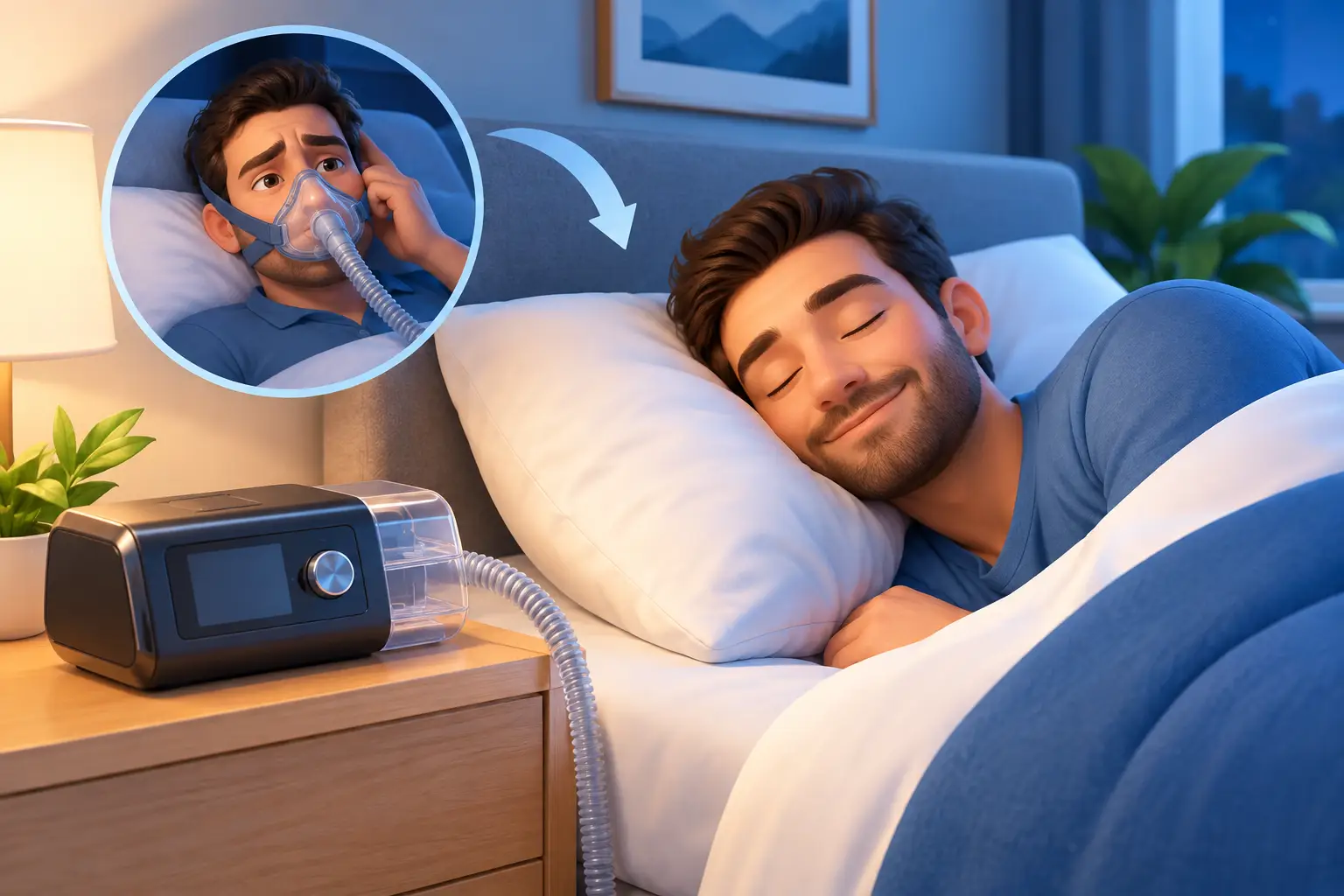
Start with a direct statement about your CPAP experience. Your physician needs an honest picture of what is getting in the way of treatment. Saying that you “do not like CPAP” is a start, but specific details help your care team identify whether adjustments, a different CPAP setup, or another treatment approach could make sense.
You might say: “I have tried to use my CPAP, but I am struggling with mask leaks and waking up several times a night. Could an oral appliance for sleep apnea be appropriate for me?”
Other concerns worth bringing up include feeling claustrophobic in the mask, dry mouth, skin irritation, pressure discomfort, congestion, difficulty traveling with equipment, or removing the mask in your sleep. If you have CPAP usage data, bring it to the appointment. Your doctor can see how consistently the device is being used and whether it is effectively controlling breathing events when you do wear it.
It also helps to describe the daytime effects. Are you still tired at work? Do you wake with headaches? Has your bed partner noticed continued snoring or pauses in breathing? Treatment decisions should consider both your sleep-study results and how you are functioning in everyday life.
A simple way to begin the conversation
You do not need to sound clinical or arrive with all the answers. Try this: “I want to treat my sleep apnea, but I am having trouble tolerating CPAP. I have heard that a custom oral appliance may help some people. Can we talk about whether it is safe and effective for my type of sleep apnea?”
That wording makes two things clear: you are committed to treatment, and you want guidance rather than a shortcut.
CPAP Alternatives: How to Talk to My Doctor
An oral appliance is not a one-size-fits-all replacement for CPAP. For many adults with mild to moderate obstructive sleep apnea, a custom, adjustable oral appliance can be an effective option. It gently holds the lower jaw forward during sleep, helping keep the airway more open. It may also be considered for some people with severe sleep apnea who cannot tolerate CPAP, although that decision requires careful medical oversight.
CPAP remains highly effective when it is worn consistently and set correctly. If pressure, mask fit, or humidification is the problem, your sleep physician may recommend troubleshooting those issues first. Sometimes a different mask style, pressure setting, heated tubing, or treatment for nasal congestion makes CPAP much easier to use.
Still, treatment only works when it is actually used. An oral appliance can be easier for some patients to wear every night, particularly those who travel often or feel uncomfortable with a mask. The trade-off is that oral appliances require healthy enough teeth and gums to support the device, along with a jaw joint and bite that can tolerate gradual adjustment. They can cause temporary jaw soreness, tooth discomfort, dry mouth, or bite changes, which is why professional fitting and follow-up matter.
Ask your doctor these questions at your next visit:
- Based on my sleep study, am I a candidate for a custom oral appliance?
- Is my sleep apnea mild, moderate, or severe, and does that change my options?
- Are there health conditions or medications that affect whether an appliance is appropriate?
- Should I try CPAP adjustments first, use an appliance instead, or consider combination therapy?
- How will we confirm that the appliance is controlling my sleep apnea once it is fitted?
These questions move the discussion from “What else can I try?” to a treatment plan based on your actual diagnosis.
Asking for a Referral for Oral Appliance Therapy
If your doctor agrees that oral appliance therapy may be appropriate, ask for a referral to a qualified dentist with training in dental sleep medicine. You can say: “Would you refer me to a dentist who provides custom oral appliance therapy for obstructive sleep apnea?”
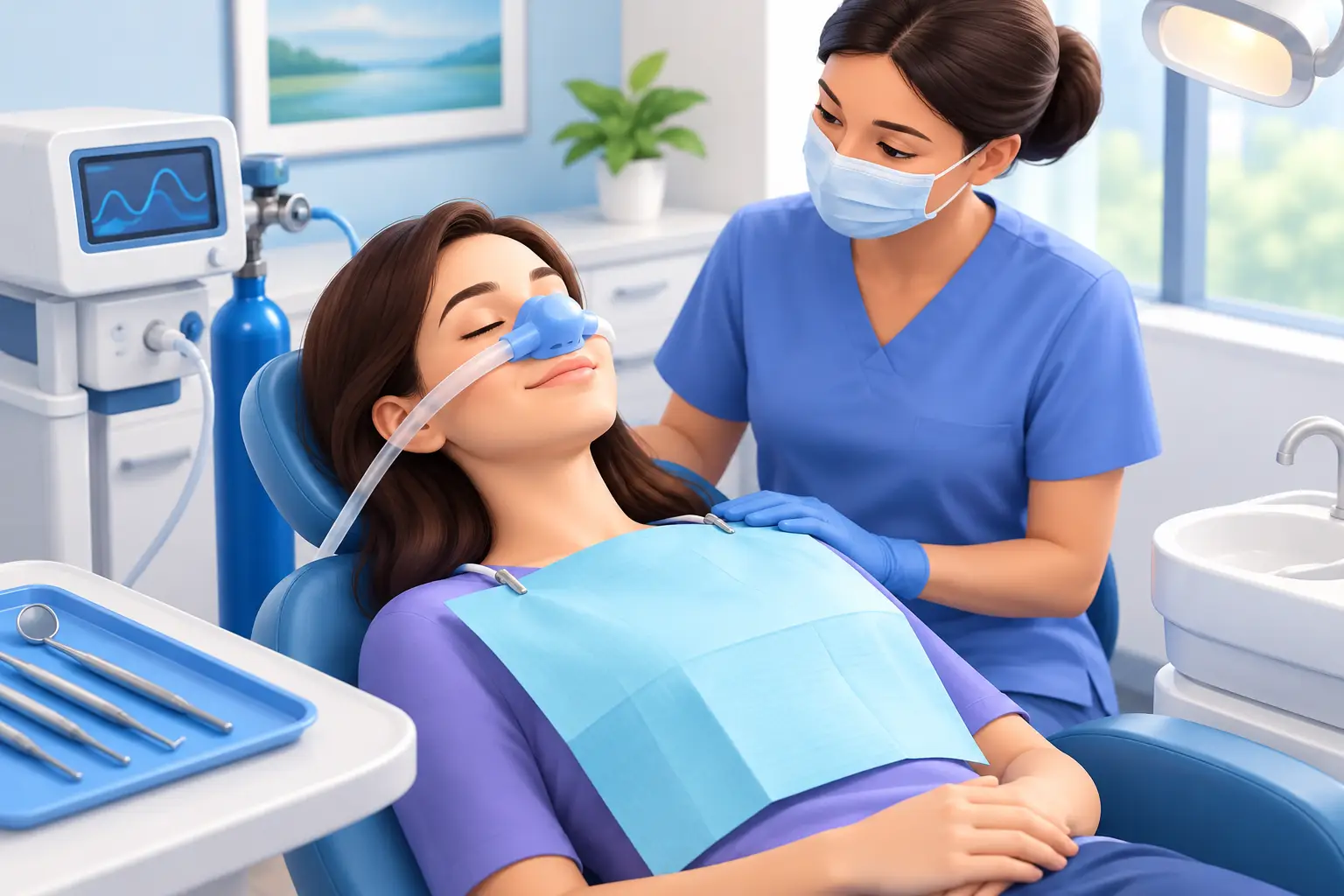
A referral for oral appliance therapy supports coordination between your medical and dental teams. Your sleep physician diagnoses sleep apnea and helps determine which treatment options are medically appropriate. The dentist evaluates your teeth, gums, jaw joints, bite, and airway-related oral structures before designing and adjusting a custom device.
Avoid over-the-counter snoring guards or boil-and-bite devices as a substitute for professionally managed treatment. They are not designed to treat diagnosed obstructive sleep apnea, cannot be precisely adjusted to your needs, and may create jaw or bite problems when used without supervision.
A qualified dental sleep provider will take impressions or digital scans, create a custom appliance, and make gradual adjustments based on your comfort and response. Follow-up is part of treatment, not an extra. Your provider monitors jaw comfort, tooth movement, bite changes, and appliance fit over time.
Bring the right information to the dental consultation
Once you have a referral, bring a copy of your sleep-study report if available, along with your current medication list and information about previous treatments. Tell the dentist about missing teeth, loose teeth, crowns, implants, grinding, jaw clicking, facial pain, or past orthodontic treatment. These details do not automatically rule out an appliance, but they can affect the design and whether treatment is advisable.
At Seattle Oral Care, oral appliance therapy is provided by an AADSM-certified prosthodontist who understands how sleep treatment, bite stability, restorations, and long-term dental health work together. That perspective can be especially valuable for patients with implants, crowns, missing teeth, or more complex dental needs.
What Happens After You Receive an Oral Appliance
Getting the appliance is the beginning, not the finish line. During the first few weeks, the dentist typically makes incremental adjustments to move the jaw into an effective, comfortable position. You may be asked to track snoring, sleep quality, morning symptoms, and any jaw or tooth discomfort.
Your sleep physician may recommend follow-up testing after the appliance has been adjusted. This can be a home sleep apnea test or an in-lab study, depending on your medical history and the original severity of your condition. The purpose is to confirm that the appliance is reducing breathing interruptions, not simply reducing snoring.
If you have severe sleep apnea, cardiovascular disease, significant daytime sleepiness, or safety-sensitive work, do not stop prescribed CPAP treatment without speaking with your physician. In some cases, CPAP and an oral appliance can be used together. Combination therapy may allow lower CPAP pressure while supporting airway control, though it depends on the individual.
Make the Next Appointment Count
It is easy to minimize a difficult CPAP experience because you do not want to seem noncompliant. Resist that instinct. Your doctor needs accurate information to help you find a treatment you can maintain. Write down your main concerns before the appointment, bring your usage data if you have it, and ask plainly about a referral for oral appliance therapy.
Better sleep treatment is not about choosing the most convenient option on paper. It is about finding an evidence-based option that fits your diagnosis, your health, and your life well enough to use consistently. You deserve a conversation where your concerns are heard and your next step feels clear.