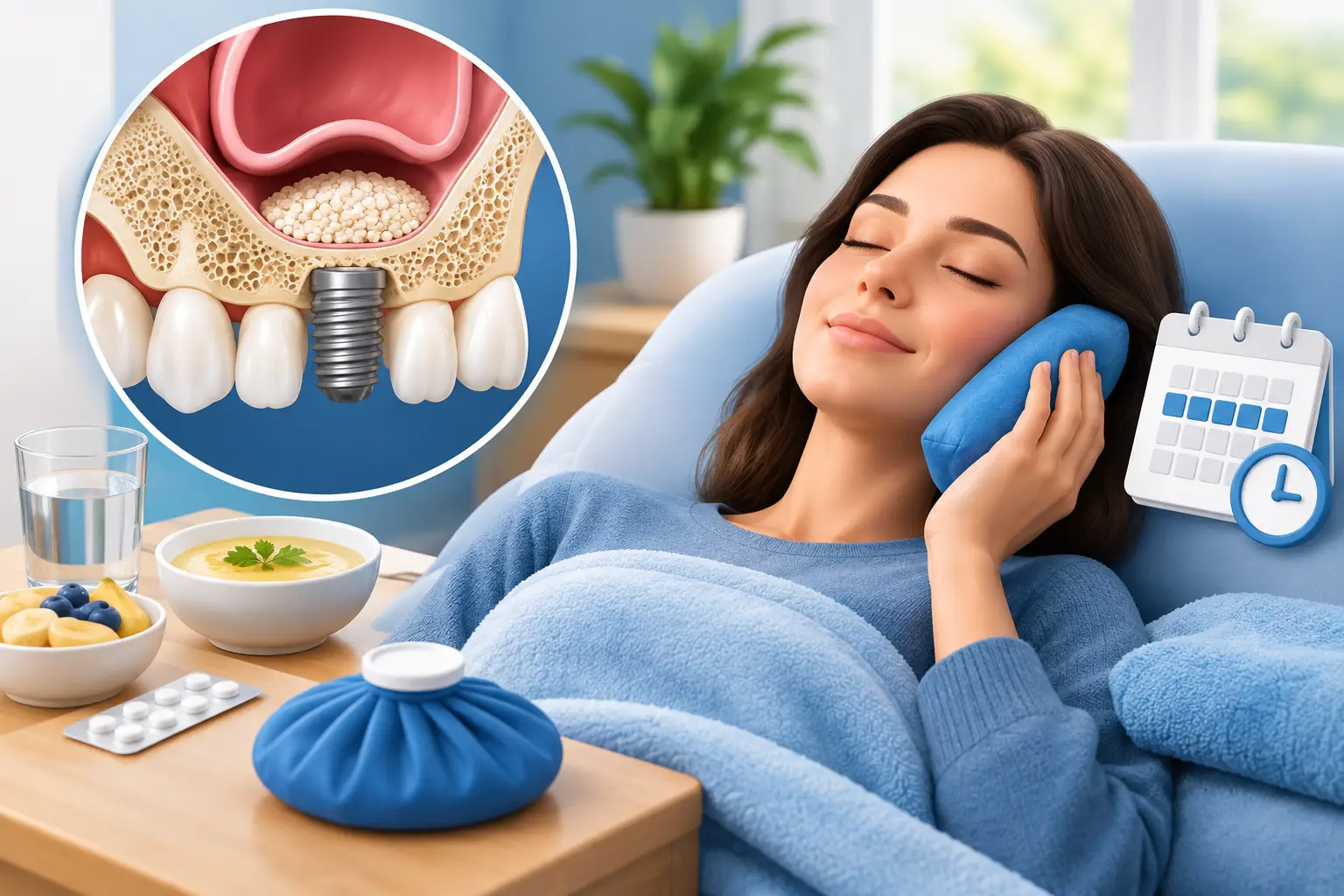
A sinus lift is often the step that makes a strong, long-lasting dental implant possible in the upper back jaw. Still, it is natural to have questions once you leave the office: How much swelling is normal? When can you eat normally? What does protecting the sinus actually mean? Understanding sinus lift recovery can replace uncertainty with a clear plan for healing.
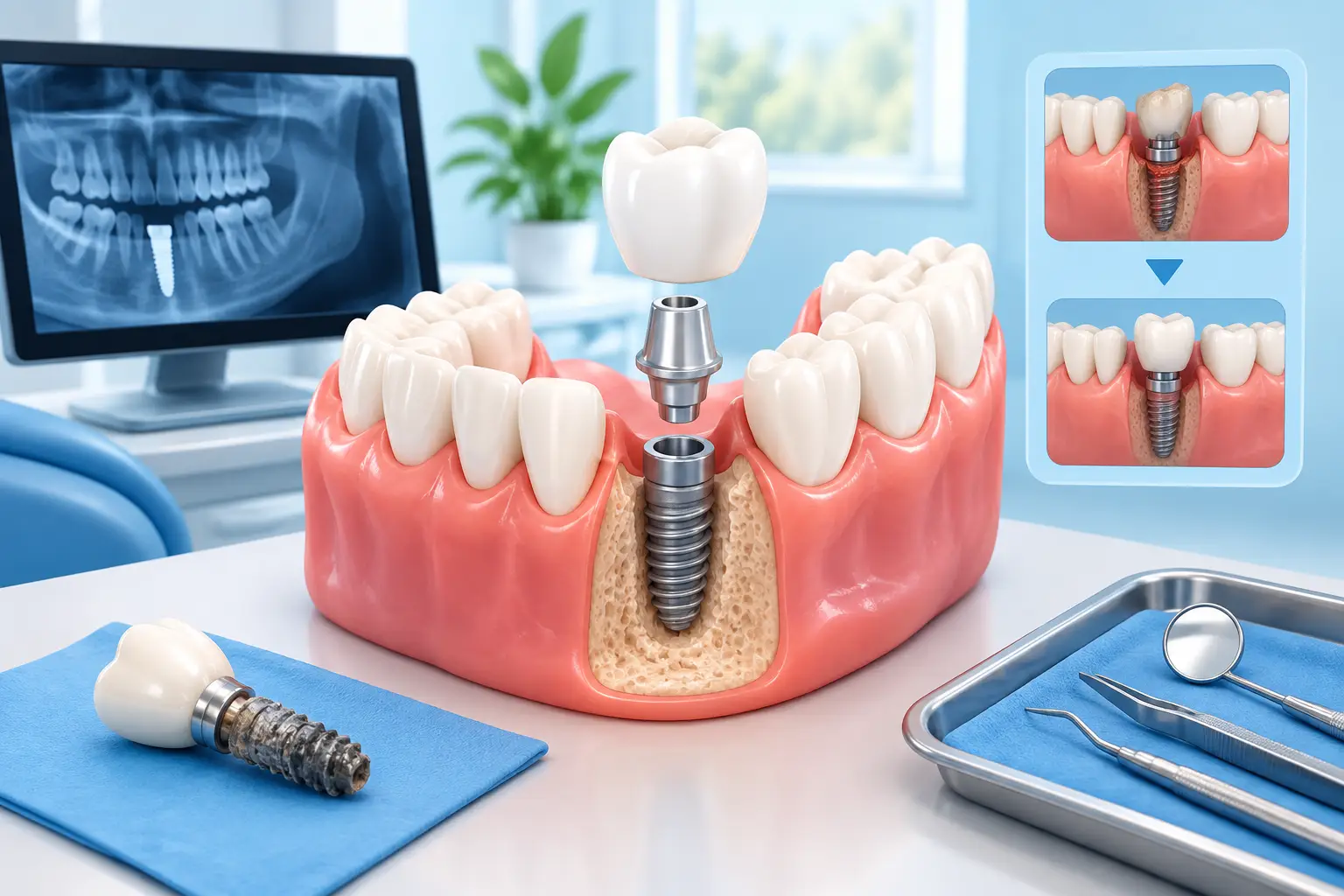
A sinus lift, also called sinus augmentation, creates additional bone height beneath the maxillary sinus. Your surgical team carefully lifts the sinus membrane and places bone grafting material where bone is needed for a future implant or, in some cases, an implant placed at the same appointment. Healing requires patience because the graft needs time to become stable, living bone.
The First 72 Hours: Protect the Surgical Site
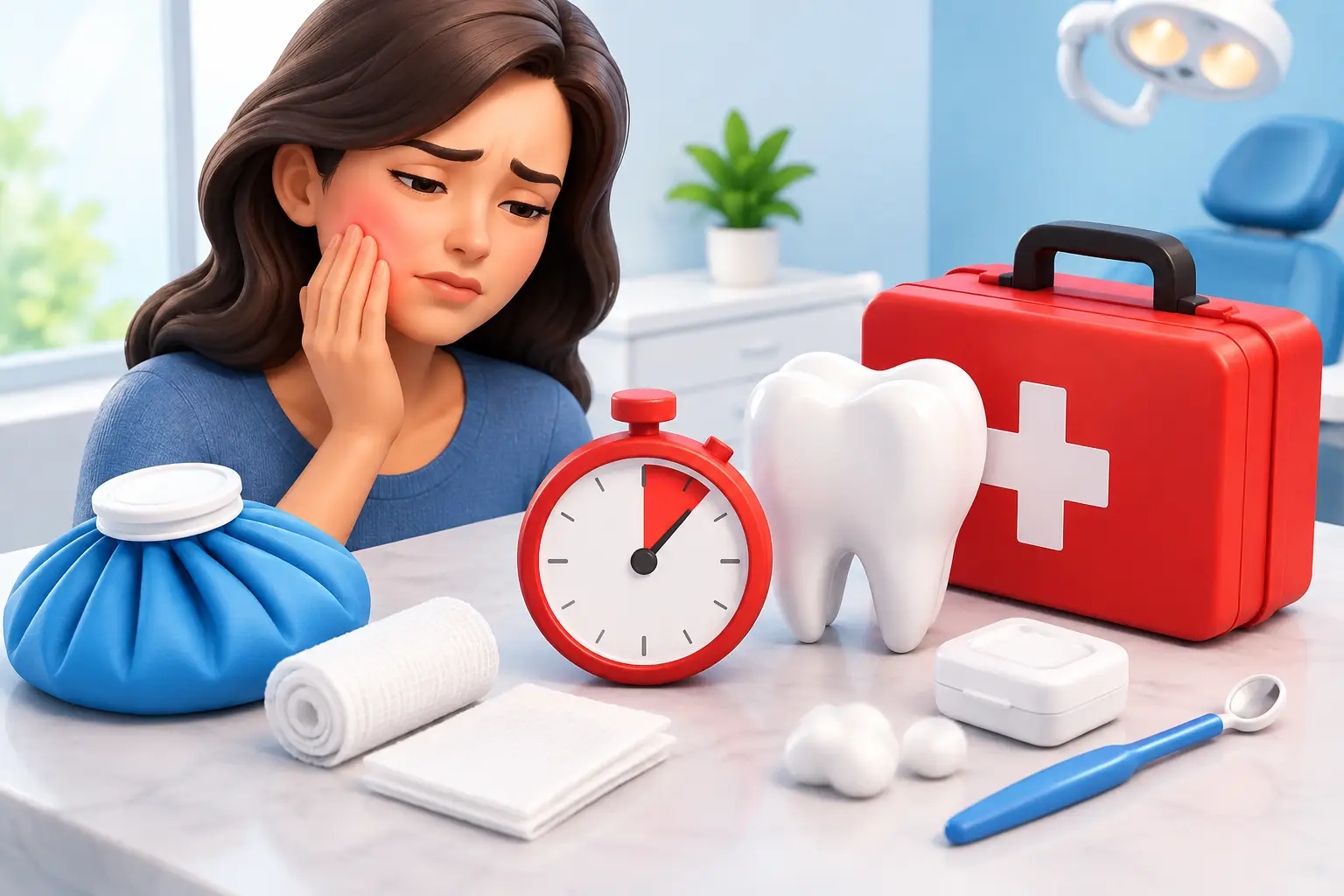
Some tenderness, facial swelling, mild bruising, and light bleeding or pink-tinged saliva are common after surgery. Swelling often reaches its peak around the second or third day before gradually improving. Use any prescribed medications exactly as directed, and use a cold pack on the outside of the face in short intervals during the first day or two if your clinician recommends it.
The central goal during these first days is to avoid pressure changes in the sinus. Do not blow your nose. If you need to sneeze, keep your mouth open and let the sneeze out gently rather than trying to suppress it. Avoid forceful spitting, smoking, and vaping, all of which can disrupt the surgical area and slow healing. Your surgeon may also ask you to avoid straws, depending on the details of your procedure.
Choose cool or lukewarm, soft foods at first. Yogurt, eggs, oatmeal, soup that is not hot, smoothies eaten with a spoon, and soft pasta are often easier to manage. Stay hydrated, but avoid swishing liquids vigorously. If you had sedation, plan for a responsible adult to take you home and remain available during the early recovery period.
Sinus Lift Recovery in the First Two Weeks
By the end of the first week, many patients feel substantially more comfortable, though bruising and residual swelling can take longer to resolve. You may notice a feeling of fullness or congestion on the treated side. This does not necessarily mean you have a sinus infection. It can simply reflect normal inflammation near the sinus and surgical site.
Follow your individualized instructions for brushing and rinsing. In many cases, you will brush the untreated areas normally while cleaning near the surgical site gently and carefully. If you receive a prescription mouth rinse, use it only as instructed. Do not probe the area with your tongue, finger, toothbrush, or water flosser.
Your food choices can usually become more varied as comfort returns, but protect the site from hard, sharp, chewy, or crumbly foods. Nuts, chips, crusty bread, popcorn, seeds, and tough meat can irritate the incision or become trapped nearby. If chewing feels uncomfortable, choose softer foods a little longer rather than pushing through it.
Physical activity also needs a gradual return. Gentle walking is often fine, but strenuous exercise, heavy lifting, bending repeatedly, and high-impact workouts can increase pressure and throbbing during the first several days. Your provider will tell you when it is appropriate to resume your usual routine. That timeline may differ based on the size of the graft, whether an implant was placed, your overall health, and how healing looks at follow-up visits.
If You Feel Congested
Seasonal allergies and colds can make recovery more uncomfortable. Tell your dental team if you are congested before surgery, and call if significant congestion develops afterward. Do not reach for a decongestant or nasal spray without checking first, especially if you have high blood pressure, heart concerns, or take other medications.
A saline nasal spray may be recommended in some situations, while other patients receive specific medications to support comfortable sinus healing. The best approach is personal, not one-size-fits-all.
Weeks Three Through Eight: Healing Below the Surface
The incision in your gums may look much better within a few weeks, but bone healing takes much longer than the visible recovery. The graft material needs time to integrate with your natural bone. For many patients, this phase lasts several months before implant placement is considered, although the timeline varies widely.
This is why follow-up visits matter. Your clinician evaluates the gum tissue, checks for signs of infection or graft disturbance, and determines whether healing is progressing as expected. Imaging may be part of planning the next stage of implant treatment. A comfortable mouth does not always mean the graft is ready for an implant, so keep every recommended appointment even if you feel completely well.
If an implant was placed during the sinus lift, your team will monitor how both the implant and graft are healing. This approach can shorten the overall treatment timeline for the right candidate, but it is not appropriate in every situation. Bone quality, available bone height, sinus anatomy, medical history, and bite forces all influence the treatment plan.
Symptoms That Deserve a Call
Most post-surgical symptoms improve steadily. Contact your dental team promptly if pain or swelling becomes worse after initially improving, bleeding does not slow with directed pressure, or you develop a fever. A persistent foul taste, pus, increasing redness, or a new bad odor can also signal a problem.
Call right away if you notice bone graft particles repeatedly coming from your nose or mouth, fluid passing between the mouth and nose, or a feeling that air moves through the surgical area. These symptoms do not always mean a serious complication, but they should be assessed without delay.
You should also let your provider know about ongoing numbness, a rash or breathing difficulty after medication, severe sinus pressure, or swelling that affects your eye area. If you have trouble breathing or experience a severe allergic reaction, seek emergency medical care.
Small Daily Choices That Support Healing
Good recovery is less about doing something complicated and more about being consistent. Take medications on schedule, eat nourishing foods, drink enough water, and get adequate rest. Smoking and vaping are especially harmful during graft healing because they reduce blood flow and raise the risk of infection and graft failure. If quitting feels difficult, ask your care team for support before treatment rather than waiting until after surgery.
Keep your head elevated when resting for the first few nights if advised. Limit alcohol while taking pain medication or antibiotics. If you wear a removable denture , partial denture, or nightguard, ask exactly when and how to use it. Pressure from an appliance can interfere with healing unless it has been adjusted for the surgical site.
For patients pursuing implants , the recovery period can feel like a pause between tooth loss and a restored smile. It is actually a valuable stage of treatment. Protecting the graft gives your future implant the foundation it needs to function comfortably and reliably for years.
At Seattle Oral Care, coordinated planning between restorative and surgical providers helps patients understand not only what happens on surgery day, but what each healing milestone means for their final result. You should never feel left to guess whether a symptom is normal or whether you are ready for the next step.
Give yourself permission to recover at a measured pace. A few weeks of careful habits can help support the stable bone foundation your new tooth will depend on.