When an upper back tooth has been missing for years, the question is not always whether you can get a dental implant. Often, the more important question is whether there is enough stable bone to support it. A sinus lift for dental implants can create that foundation when bone has become too thin below the sinus cavity.
Hearing that you may need an additional procedure can feel discouraging, especially if you have already lived with a missing tooth for a long time. But a sinus lift is not an automatic step for every upper-jaw implant. Careful imaging and treatment planning determine whether it is useful, which approach is appropriate, and whether alternatives may be available.
Do I Need a Sinus Lift?
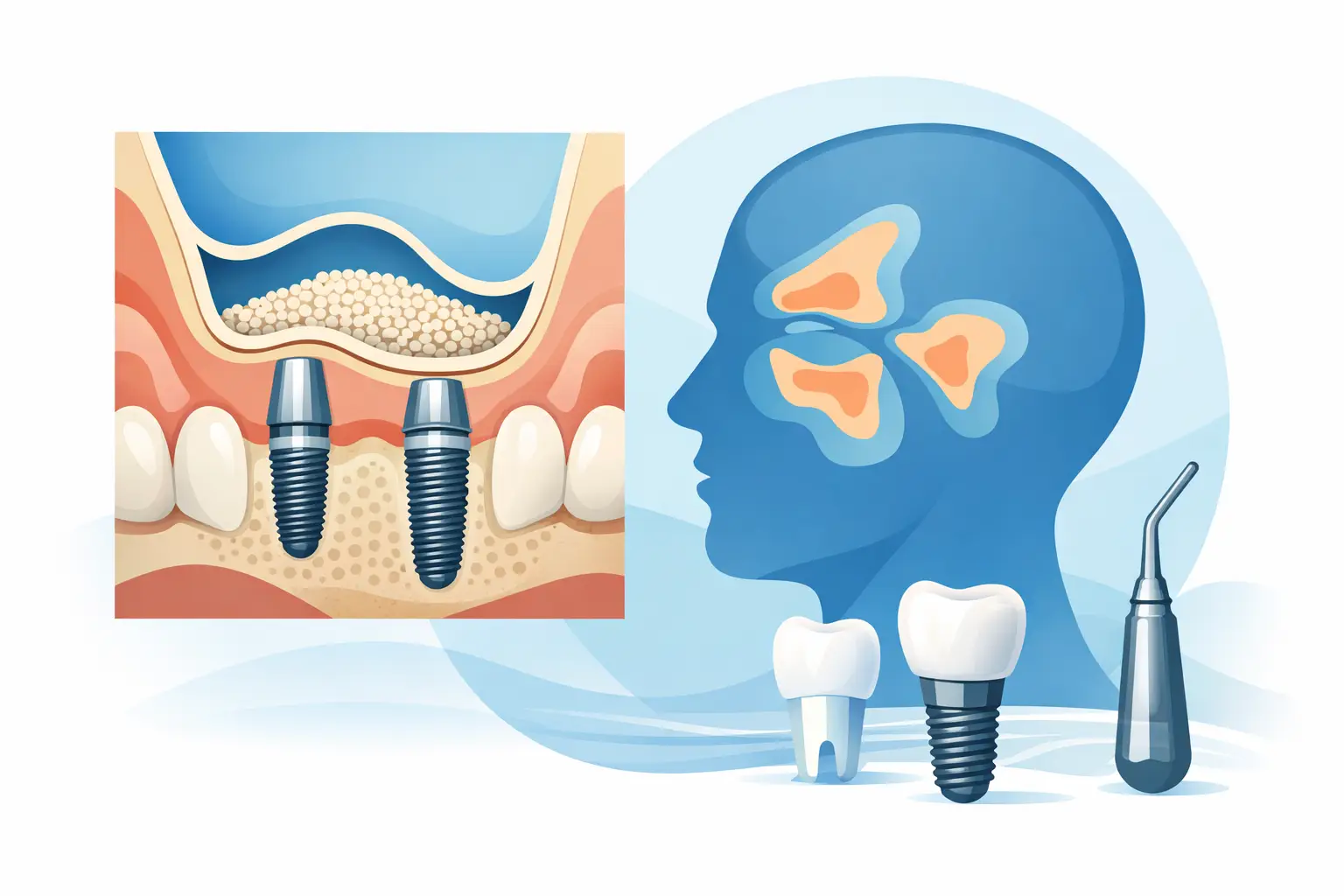
The maxillary sinus is an air-filled space located above the roots of your upper premolars and molars. After an upper back tooth is lost, the bone beneath the sinus can gradually shrink. At the same time, the sinus may naturally expand downward. This combination can leave very little bone between the gumline and the sinus floor.
Dental implants need enough healthy bone around them to remain stable under biting pressure. If the available bone is inadequate, placing a standard implant without building support first may compromise the long-term result. This is why upper jaw bone loss and implants require a more detailed assessment than a simple visual exam.
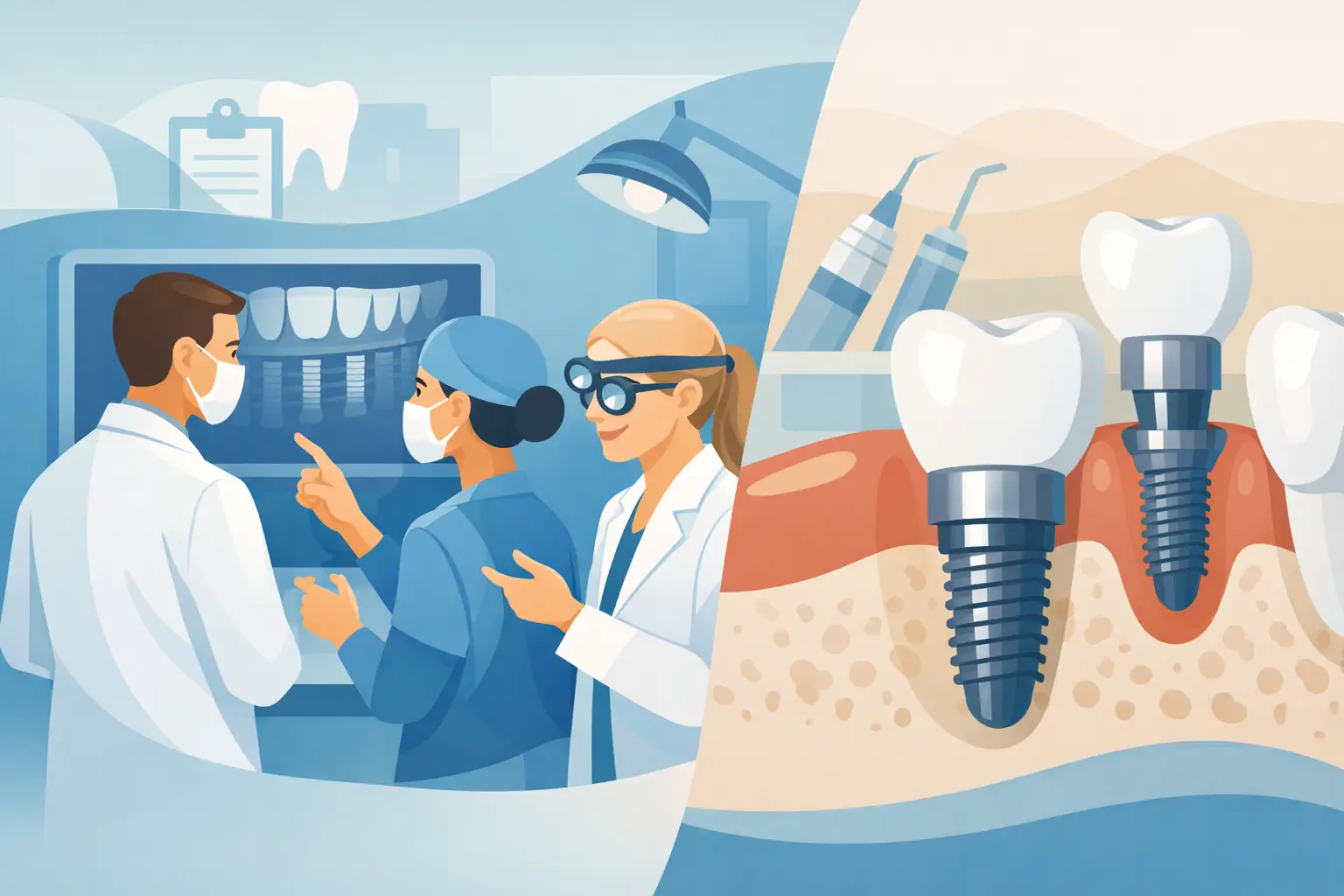
A cone beam CT scan allows the dental team to measure bone height and width in three dimensions, review the shape of the sinus, and identify concerns such as sinus inflammation or remaining root fragments. Your dentist will also consider your bite, gum health, medical history, smoking status, and the type of restoration planned.
You may not need a sinus lift if you still have sufficient bone, if a shorter or angled implant can be placed predictably, or if the missing tooth can be restored using another treatment approach. The goal is not to add surgery unnecessarily. It is to choose the option that gives your implant the best chance of lasting.
Sinus Lift vs. No Sinus Lift Implants
The difference between sinus lift vs. no sinus lift implants comes down to the foundation available at the implant site. When bone volume is adequate, an implant may be placed directly in the jawbone. This is typically the simpler path, with fewer treatment stages and a shorter overall timeline.
When bone is too shallow, a sinus lift creates space for grafting material beneath the sinus membrane. Over time, your body integrates the graft and develops bone capable of supporting an implant. This extra step can extend treatment, but it may prevent an implant from being placed in weak or insufficient bone.
There is no universal bone-height cutoff that applies to every person. Implant design, bone density, sinus anatomy, and the location of the tooth all matter. A plan that is ideal for one patient may not be the safest option for another.
Lateral vs. Crestal Sinus Lift
There are two common approaches to sinus augmentation. A crestal sinus lift, sometimes called an internal lift, is performed through the same opening used for the implant. It is generally considered when only a modest amount of additional bone height is needed.
The clinician gently elevates the sinus membrane and adds graft material through the implant site. In selected cases, the implant can be placed during the same visit. Because the access point is smaller, many patients experience less swelling and a more straightforward recovery.
A lateral sinus lift is usually recommended when there is more significant upper-jaw bone loss. The surgeon creates a small opening in the side of the upper jaw, carefully lifts the sinus membrane, and places bone graft material in the space below it. The implant may be placed at the same appointment if enough initial stability is possible. If not, the graft is allowed to heal first and the implant is placed later.
Neither method is inherently better. Lateral vs. crestal sinus lift decisions are based on anatomy and the amount of bone needed, not on a preference for the more or less involved procedure.
Sinus Lift Procedure Steps
Although every plan is individualized, sinus lift procedure steps usually follow a clear sequence. First, your dental team reviews your imaging, health history, medications, and goals. If you have seasonal allergies, chronic sinus concerns , or a history of sinus surgery, those details matter and may call for coordination with your physician or an ENT specialist.
On treatment day, the area is thoroughly numbed. Sedation options may be available for patients who feel anxious or are having a more extensive procedure. After accessing the surgical site, the clinician carefully separates and lifts the thin sinus membrane. Bone graft material is placed beneath the membrane, and the area is closed with sutures.
The graft may come from processed donor bone, a synthetic material, your own bone, or a combination selected for your clinical needs. These materials act as a scaffold for your body to form new bone. They do not simply fill space permanently.
If an implant is placed at the same appointment, it is done only when the existing bone can hold it securely. A cautious staged approach is often the better decision when stability is limited.
Can You Have a Sinus Lift and Same-Day Implants?
Sinus lift and same-day implants are possible for some patients, but “same day” can mean different things. It may mean the graft and implant are placed in one surgical visit. It does not always mean a final crown is placed or that you can bite normally on the tooth right away.
Immediate implant placement depends on the amount and quality of remaining bone. If the implant can achieve strong initial stability, placing it during the sinus lift may reduce the number of surgeries and shorten the overall process. If stability is uncertain, placing the graft first and waiting for healing is safer.
For back teeth, where chewing forces are substantial, protecting the healing implant matters. A temporary tooth may be considered in some situations, but it should not overload the area while bone is developing.
Sinus Lift Recovery Time and Healing Timeline
Most patients describe the first few days as manageable rather than painful. Swelling, mild bruising, nasal stuffiness, and tenderness are common, particularly after a lateral sinus lift. Prescription or over-the-counter pain medication may be recommended based on your needs.
A typical sinus lift recovery time for returning to desk work is often one to three days, though people with physically demanding jobs may need more time. The deeper healing process takes longer than how you feel on day three or day seven.
A general sinus lift healing timeline looks like this: initial gum healing occurs over roughly one to two weeks; early graft integration continues over the next several weeks; and the graft commonly needs about four to nine months to mature before a delayed implant is placed. Healing can be shorter or longer depending on the graft volume, your bone biology, and whether an implant was placed at the same time.
Your post-treatment instructions are especially important because the sinus membrane needs protection. Avoid forcefully blowing your nose, use any prescribed medications as directed, and sneeze with your mouth open to reduce pressure in the sinus. Your care team will also tell you when it is safe to resume strenuous exercise, flying, and normal chewing.
Understanding Sinus Lift Risks
Sinus lift risks are uncommon when the procedure is appropriately planned and performed, but every surgery carries potential complications. The most frequent concern is a small tear in the sinus membrane. Often, it can be repaired during the procedure without affecting the outcome. In other cases, the procedure may need to be postponed to allow the membrane to heal.
Other possible concerns include infection, graft failure, prolonged swelling, sinus symptoms, bleeding, or incomplete bone formation. Smoking, uncontrolled diabetes, active gum disease, poor oral hygiene, and untreated sinus disease can increase risk or affect healing.
Contact your dental office promptly if you develop worsening pain after initial improvement, persistent fever, drainage, unusual swelling, or symptoms that suggest sinus infection. Follow-up visits are not a formality. They allow the team to monitor healing and protect your investment before moving to the next stage.
Sinus Augmentation Cost: What Affects It?
Sinus augmentation cost varies because treatment is not one-size-fits-all. The total may reflect the type of lift, amount and type of grafting material, sedation, imaging, surgical complexity, whether an implant is placed at the same visit, and the final crown or restoration.
Insurance coverage can be limited, particularly when grafting is considered preparatory for an implant rather than medically necessary treatment. A written treatment plan should separate the surgical, implant, and restorative phases so you understand what is included and when costs occur. Asking about financing options can also make a staged plan more manageable.
At Seattle Oral Care, implant planning brings prosthodontic, surgical, and periodontal perspectives together so the implant, bone support, bite, and final restoration are considered as one plan. If a sinus lift is recommended, you deserve a clear explanation of why it is needed, what alternatives exist, and what healing will look like before you decide.
A missing upper tooth does not have to dictate the future of your smile. With thoughtful diagnostics, gentle surgical care, and a treatment timeline built around your health, a sinus lift can be a reliable step toward a strong, lasting implant.