Replacing a missing upper back tooth can be more complicated than replacing a tooth elsewhere in the mouth. The maxillary sinuses sit just above the roots of the upper premolars and molars, and the bone beneath them may become thinner after tooth loss. A sinus lift for dental implants can create the bone support needed to place an implant securely and plan for a restoration that is designed to last.
For many patients, the phrase “sinus lift” sounds intimidating. It is understandable to have questions about surgery near the sinus cavity, discomfort, healing time, and whether the treatment is truly necessary. A thoughtful evaluation should answer those questions clearly before you make any decisions.
Why Upper Back Teeth May Need More Bone
A dental implant needs enough healthy bone around it to remain stable under everyday chewing forces. In the upper back jaw, the available bone height can be limited for two reasons. First, the sinus naturally occupies space above these teeth. Second, after a tooth is lost, the jawbone in that area can gradually shrink because it no longer receives stimulation from a tooth root.
Periodontal disease, infection, injury, and a tooth that has been missing for many years can also affect bone volume. This does not mean implants are out of reach. It means the treatment plan may need to include bone grafting before or during implant placement .
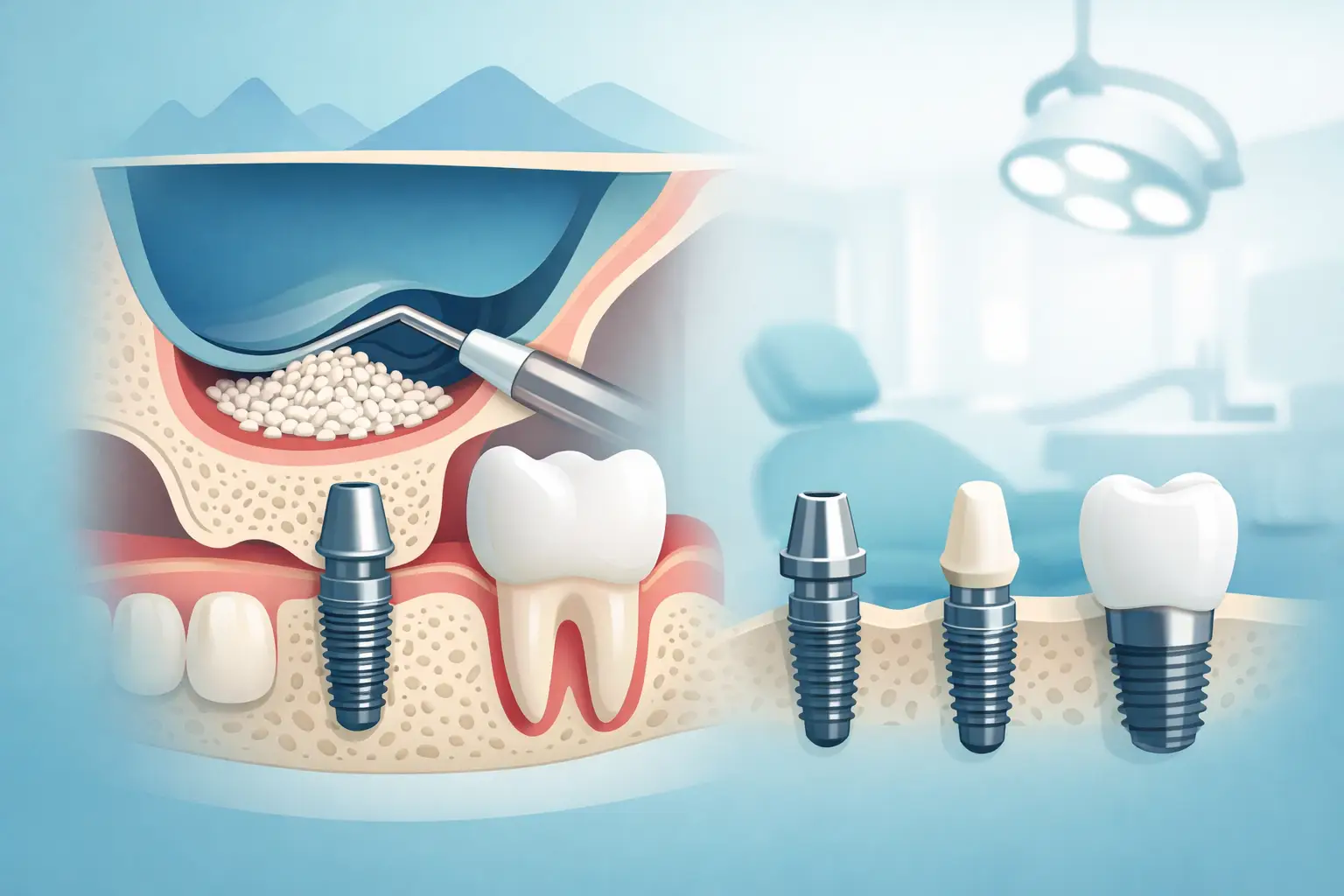
A sinus lift raises the membrane lining the floor of the maxillary sinus and places grafting material in the space below it. Over time, your body incorporates the graft and develops bone that can support an implant. The sinus itself remains functional; the goal is simply to create a stronger foundation beneath it.
When a Sinus Lift for Dental Implants Is Recommended
Not every upper-jaw implant requires a sinus lift. Modern imaging and careful planning allow the dentist to measure the bone available at the proposed implant site and determine whether augmentation is appropriate.
A sinus lift may be recommended when there is not enough bone height for a properly sized implant, when the sinus floor has expanded downward after tooth loss, or when bone quality is too limited to support predictable implant placement. Some patients may need a small, localized lift, while others need a more substantial grafting procedure.
In certain cases, a shorter implant or a different implant position may be a suitable alternative. These options depend on your bite, the neighboring teeth, the amount and shape of available bone, and the final restoration being planned. The right answer is not always the least invasive procedure in the short term. It is the approach that best balances comfort, healing, function, and long-term stability.
How the Procedure Is Planned
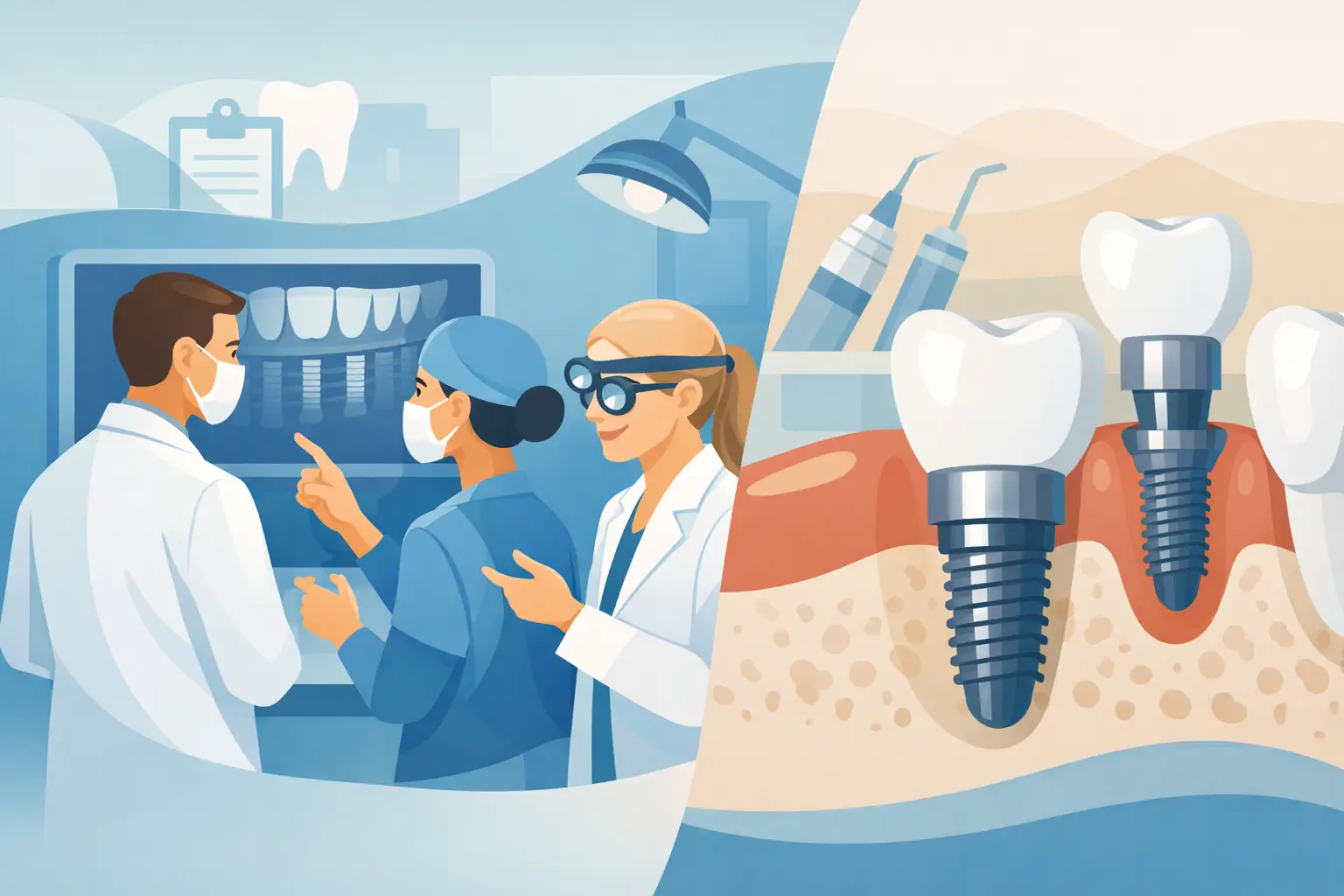
Good implant care begins well before surgery. A comprehensive exam typically includes a review of your health history, your medications, gum health, bite, and the condition of nearby teeth. Three-dimensional imaging is especially valuable for the upper back jaw because it shows the sinus anatomy, bone volume, and position of important structures.
Your care team also considers the final tooth first. An implant should be positioned to support a crown, bridge, or denture that feels comfortable and distributes pressure appropriately. Planning from the restoration backward helps avoid placing an implant simply where bone happens to be available.
At Seattle Oral Care, complex cases can be coordinated among a prosthodontist, oral surgeon, periodontist, and general dentist. This collaborative approach can be particularly helpful when tooth loss, gum disease, bone loss, or a full-mouth treatment plan affects more than one area of care.
What Happens During a Sinus Lift
The procedure is performed with local anesthesia, and additional sedation options may be discussed for patients who feel anxious or are having more extensive treatment. Your clinician makes a small opening in the side of the upper jaw or works through the implant site, depending on how much bone needs to be added.
The sinus membrane is gently elevated, creating room for bone graft material. The graft may consist of processed mineral material, your own bone, or a combination selected for your clinical needs. A protective membrane may also be used before the area is closed.
Sometimes the implant can be placed during the same appointment. This is more likely when enough existing bone is present to stabilize the implant from the start. When bone is very thin, it is often safer to allow the graft to heal first and place the implant later. While this adds time to treatment, it may improve the conditions for a stable result.
Recovery: What to Expect
Most patients describe the first few days as manageable, with swelling, tenderness, and occasional bruising that gradually improve. Your clinician may recommend medication, cold compresses, a softer diet, and gentle oral hygiene around the surgical area.
Because the procedure involves the sinus area, you will receive specific instructions to avoid pressure changes while healing. This commonly includes avoiding forceful nose blowing, holding back sneezes, and avoiding activities that create substantial pressure in the sinuses. If you need to sneeze, keeping your mouth open can help reduce pressure.
Healing timelines vary. Initial soft-tissue healing often occurs over the first couple of weeks, but the bone graft needs more time to mature. When implant placement is delayed, graft healing may take several months before the next stage. If an implant is placed at the same time, it still needs time to bond with the bone before the final restoration is attached.
Call your dental team promptly if you experience worsening pain after initial improvement, persistent bleeding, fever, drainage, or a feeling that air or fluid is moving between your mouth and nose. These concerns are uncommon, but early communication allows your clinician to guide you appropriately.
Risks and Factors That Affect Healing
Sinus lifts have been used successfully for decades, but no surgical procedure is without risk. The sinus membrane can tear during surgery, though small tears can often be repaired or managed at the time of treatment. Infection, graft failure, delayed healing, and sinus-related symptoms are also possible but are not expected outcomes.
Your overall health matters. Smoking and nicotine use can interfere with blood flow and healing. Uncontrolled diabetes, active gum disease, untreated sinus infection, and certain medications may require additional planning or treatment before surgery. A history of chronic sinus concerns does not automatically rule out a sinus lift, but it should be discussed during your consultation.
Long-term success also depends on what happens after treatment. Implants need regular professional maintenance, healthy gums, and consistent home care. If you grind or clench your teeth, a protective night guard may help protect the implant restoration from excessive force.
Questions Worth Asking at Your Consultation
A clear consultation should leave you knowing why a sinus lift is being considered, whether the implant can be placed at the same time, and what the full treatment timeline may look like. Ask what imaging shows about your available bone, what graft material is recommended, and what alternatives may be reasonable in your situation.
It is also helpful to ask who will perform each stage of care and how your final crown, bridge, or denture will be designed. A sinus lift is not an isolated procedure. It is one part of a carefully coordinated plan to restore chewing comfort, confidence, and oral health.
If you have been told you do not have enough bone for an upper-jaw implant, that does not have to be the end of the conversation. With careful diagnostics, gentle surgical care, and enough time for healing, many patients can move forward with a treatment plan built around a stable, lasting smile.