A loose lower denture can make a simple meal, conversation, or laugh feel stressful. For some patients, mini dental implants offer a less invasive way to stabilize a denture or replace a missing tooth. Still, being a mini dental implants candidate is not simply about wanting a faster procedure. The right choice depends on your bone, bite, gum health, overall health, and the type of restoration you need for lasting comfort.
What Are Mini Dental Implants?
Mini dental implants are narrow titanium posts placed into the jawbone to support a dental restoration. Like traditional implants, they act as artificial tooth roots. However, mini implants are smaller in diameter and are often designed as a one-piece implant with a small attachment at the top.
Their smaller size can make placement more conservative in selected cases, particularly when there is limited bone width. In some situations, that may reduce the need for bone grafting and allow treatment to move forward more efficiently. That does not mean mini implants are a shortcut for every missing-tooth situation. The implant must still be placed in healthy bone and positioned to handle the forces created by chewing.
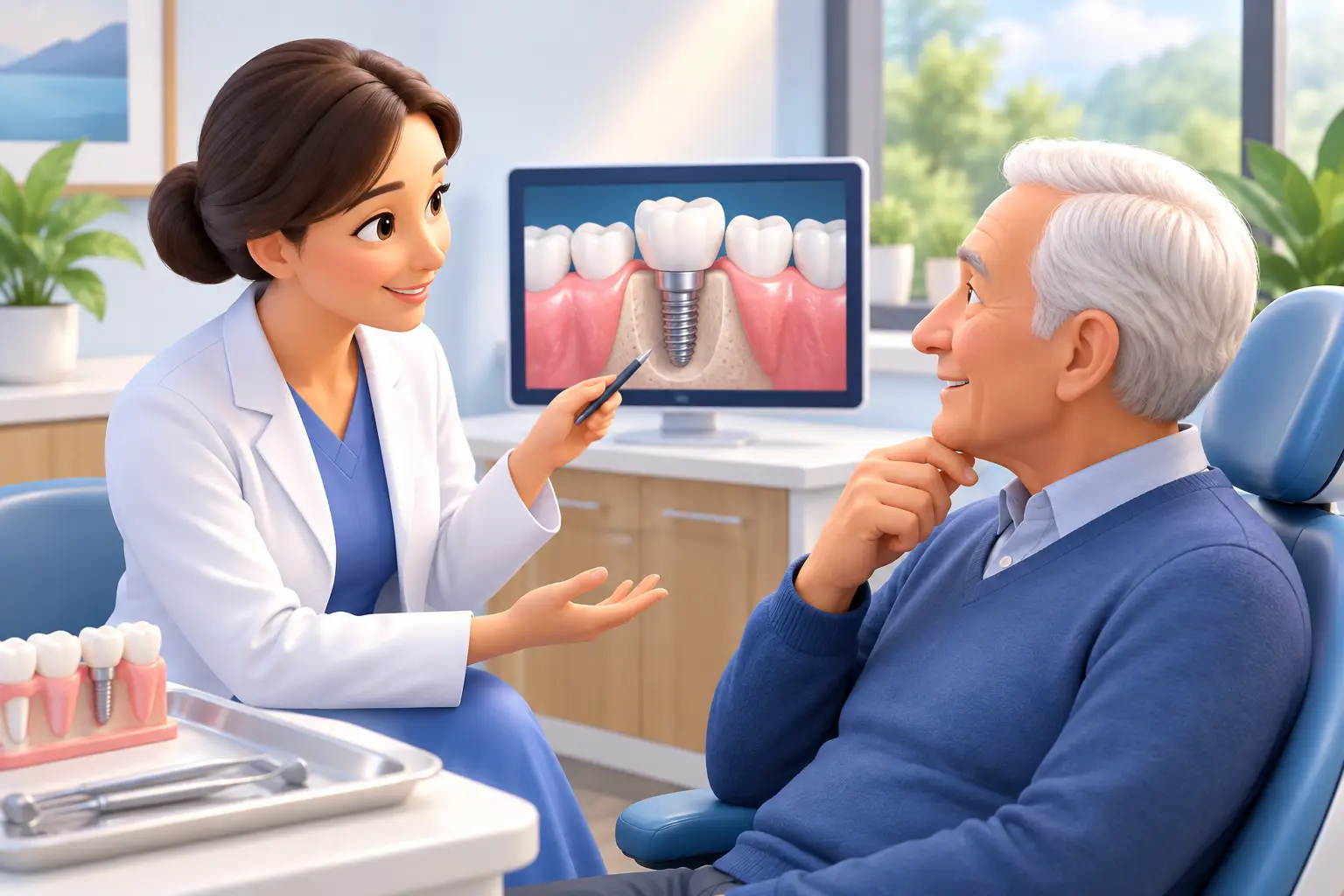
Mini implants for dentures are one of the most common uses. Several implants can be placed in the lower jaw, and the denture is fitted with attachments that snap securely onto them. This is called a mini implant retained denture. The denture remains removable for cleaning, but it is far more stable than a conventional denture that rests only on the gums.
Who Qualifies for Mini Dental Implants?
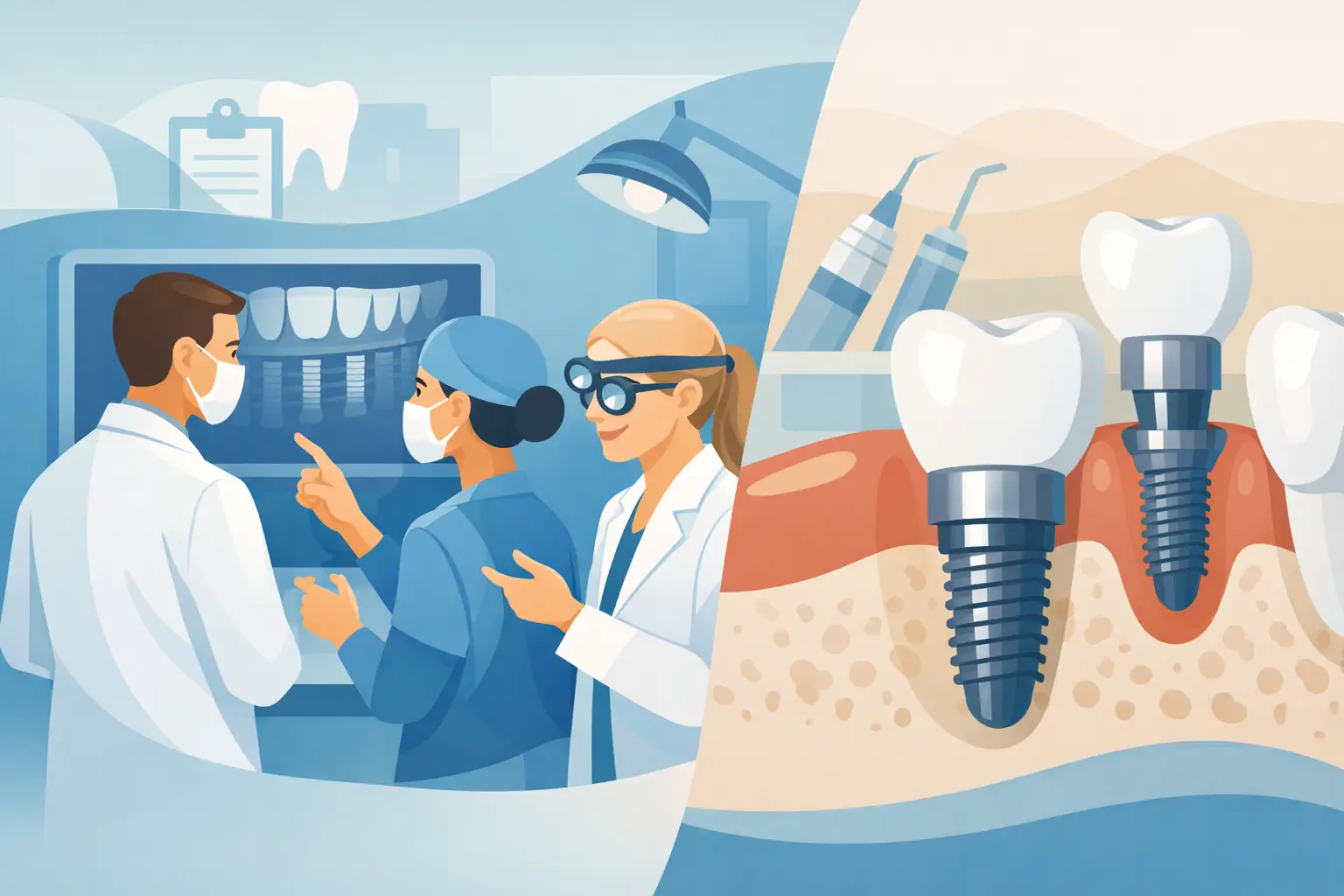
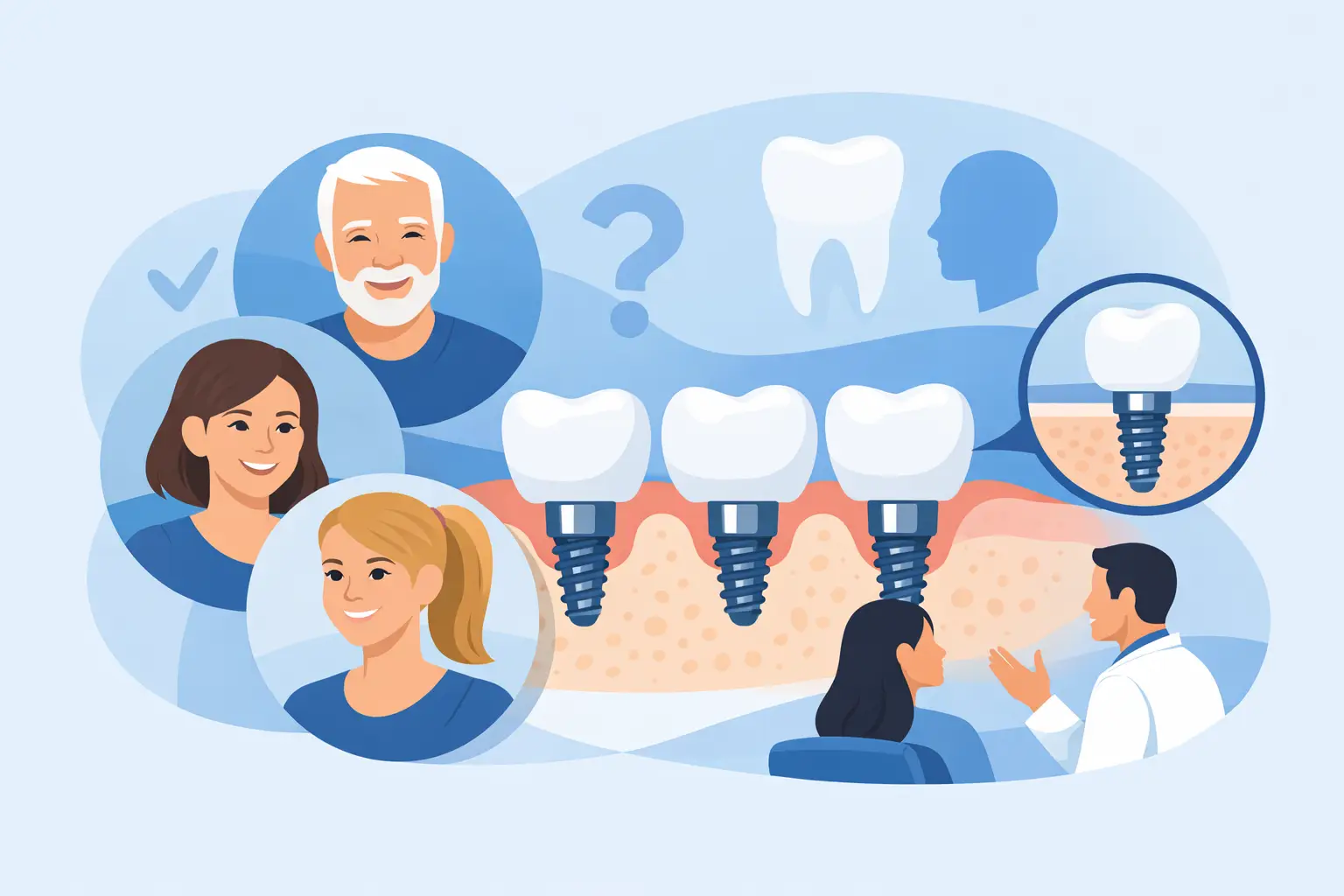
Who qualifies for mini dental implants varies from person to person. A consultation should include a full examination, digital imaging, a review of your health history, and a conversation about what you want your teeth to do better. For many people, the goal is not perfection. It is being able to eat comfortably, speak confidently, and stop worrying that a denture will shift.
You may be a candidate if you have adequate bone quality and width for implant placement, healthy or treatable gums, and a stable enough bite to protect the restoration. People with narrow jawbone dimensions may be considered for mini implants when a standard implant would require grafting or a more extensive surgical approach.
Mini implants for seniors can be especially helpful when a traditional lower denture has become difficult to wear. Bone loss often progresses after teeth are lost, and lower dentures can be particularly challenging because the tongue and moving facial muscles can easily dislodge them. Mini implants lower jaw treatment may improve stability without the same treatment timeline required for more complex grafting in certain cases.
Health conditions do not automatically rule out implants. Diabetes, osteoporosis, heart conditions, blood-thinning medications, and a history of radiation therapy all require careful planning. Smoking and uncontrolled gum disease can raise the risk of poor healing or implant failure. The safest answer comes from an individualized assessment, not an online checklist.
Mini Implants vs. Traditional Implants
When comparing mini implants vs traditional implants, size is only one part of the decision. Traditional implants are wider and often use separate components: the implant placed in bone, an abutment, and the final crown, bridge, or denture. Their larger diameter can provide substantial strength and versatility, particularly for back teeth, bridges, or full-mouth restorations that must withstand higher bite forces.
Traditional implants may be the better choice when there is sufficient bone, when a patient clenches or grinds heavily, or when a fixed, non-removable full-arch restoration is planned. They also offer more restorative options in many complex cases.
Mini dental implants can be an excellent solution for stabilizing removable dentures, replacing certain smaller teeth, or treating patients with limited bone width. Their narrower design may allow a less extensive procedure, but that advantage must be weighed against their limits. A narrow implant may not be ideal where chewing pressure is especially high or where the final restoration needs broad, long-term support.
The best implant is not necessarily the smallest or the biggest. It is the one supported by sound diagnosis, appropriate bone conditions, and a restoration designed for your bite.
Mini Dental Implants Pros and Cons
The most meaningful benefits are often practical. Mini implants may involve less invasive placement, shorter treatment time in appropriate cases, and improved denture retention. Patients who have avoided denture adhesives or limited their food choices because of a loose denture may notice a meaningful difference in daily comfort.
There are trade-offs. Mini implants have a narrower diameter, so they may not be suitable for every location or restoration. If an implant fails or a denture attachment wears down, repair or replacement may be needed. Some patients still need bone grafting, even with mini implants. And while many cases can be completed efficiently, healthy healing and careful follow-up are never optional.
A well-designed plan also considers the denture itself. Attaching an old, poorly fitting denture to implants does not always produce a comfortable result. Sometimes the denture needs to be relined, reinforced, or remade so that it distributes force properly and supports your facial appearance.
Mini Implant Cost vs. Traditional Implant Cost
Mini implant cost vs traditional implant cost is not a simple one-to-one comparison. A mini implant may have a lower per-implant fee and may avoid certain surgical steps in selected cases. Yet the total cost depends on how many implants are needed, whether extractions or grafting are required, the type of denture or crown, imaging, sedation needs, and follow-up care.
For example, stabilizing a removable lower denture with several mini implants is a different treatment than replacing a single front tooth or rebuilding a full arch with fixed teeth. Comparing only an advertised starting price can leave out the restoration, maintenance, and diagnostic work that determine whether treatment succeeds.
Ask for a written treatment plan that explains what is included now and what future maintenance may involve. Transparent planning helps you compare options based on long-term value, not just the first number you see.
What Is Mini Implant Recovery Time?
Mini implant recovery time is often shorter and more comfortable than people expect, especially when no grafting or extensive surgery is needed. Many patients return to routine activities within a day or two, although tenderness, mild swelling, and temporary dietary changes are normal.
Healing beneath the surface takes longer. Your care team may recommend softer foods while the implant and surrounding bone adapt to chewing forces. If you receive a mini implant retained denture, you will also need time to adjust to the new stability and bite. Follow-up visits allow the attachments, denture fit, and gum tissue to be checked as healing progresses.
Good home care matters. Brush as directed, clean around implant attachments carefully, remove a removable denture at night unless instructed otherwise, and keep regular professional cleanings. Implants cannot get cavities, but the gums and bone around them can still become inflamed without consistent care.
Are Mini Implants Permanent?
Are mini implants permanent? They are intended to be a long-term tooth replacement solution, but no implant can be promised to last forever. Their longevity depends on bone health, bite forces, tobacco use, medical conditions, denture design, and ongoing hygiene and maintenance.
The implant itself may remain stable for many years, while the denture attachments, O-rings, housings, or the denture base may need periodic service. This is normal wear, not necessarily a sign that the implants have failed. A patient who understands maintenance from the beginning is better prepared to protect the investment.
If you are tired of planning your day around a loose denture or a missing tooth, a detailed implant consultation can bring clarity. At Seattle Oral Care, coordinated planning with restorative and surgical expertise helps ensure the treatment recommendation fits not only your jawbone, but also your comfort, health, and goals for the years ahead.