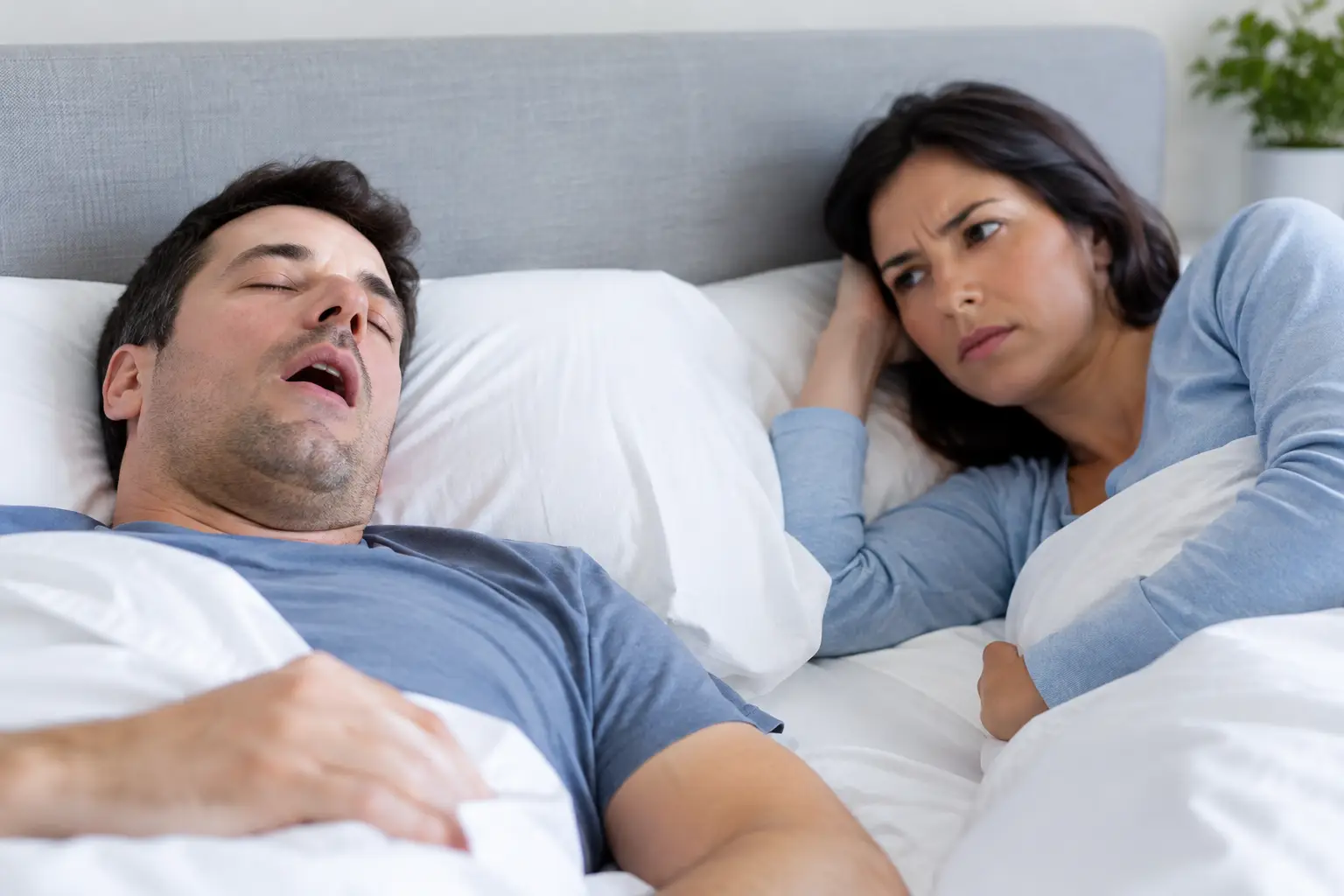
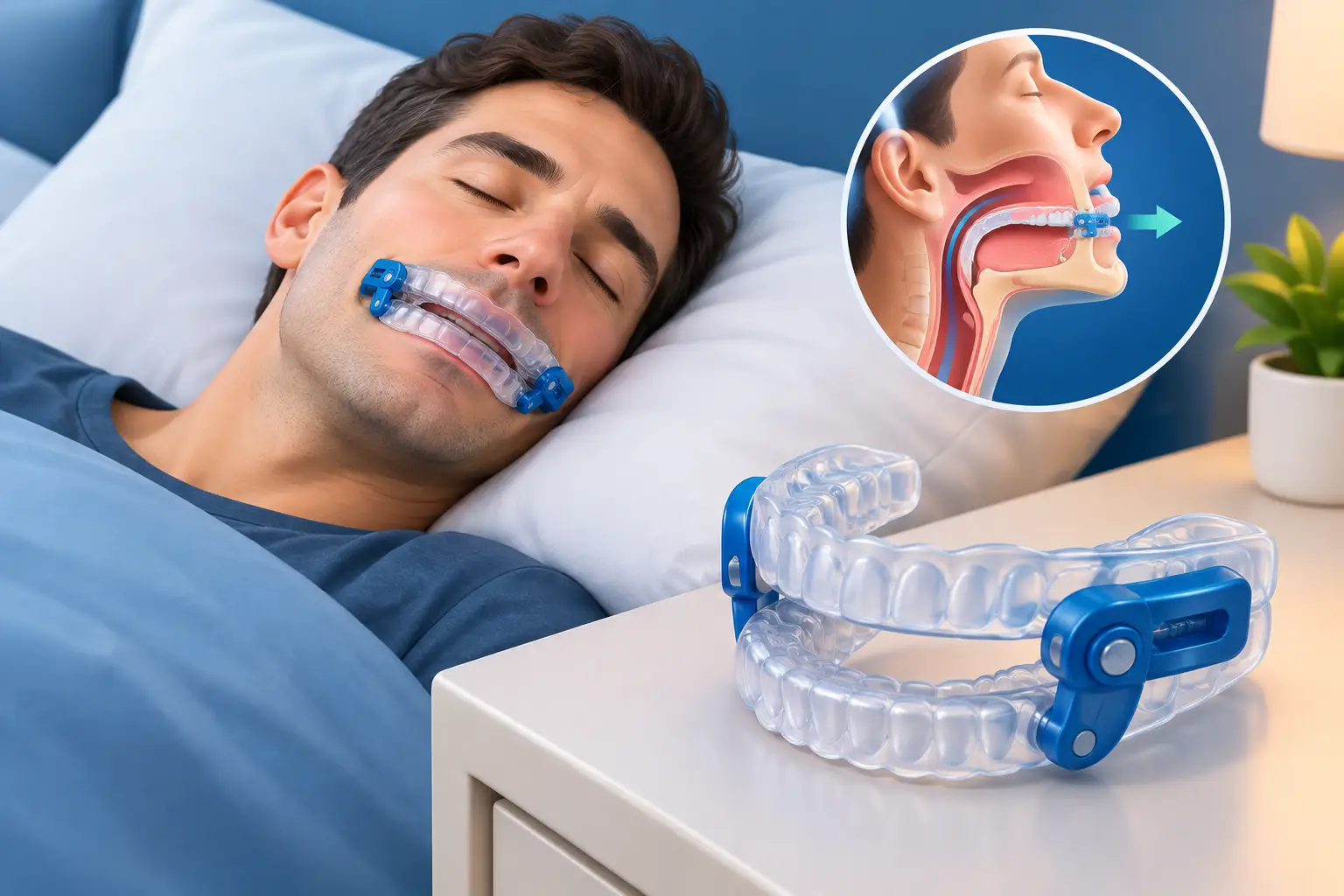
A partner may notice the snoring first. You may notice the morning headaches, dry mouth, daytime fatigue, or the feeling that a full night of sleep did not restore your energy. For many adults, jaw advancement devices for sleep apnea offer a comfortable, quiet treatment option that fits into everyday life. But the right appliance is not simply a store-bought mouthguard. It is a carefully designed medical device, prescribed after proper evaluation and adjusted to support both your breathing and your dental health.
What Is a Jaw Advancement Device?
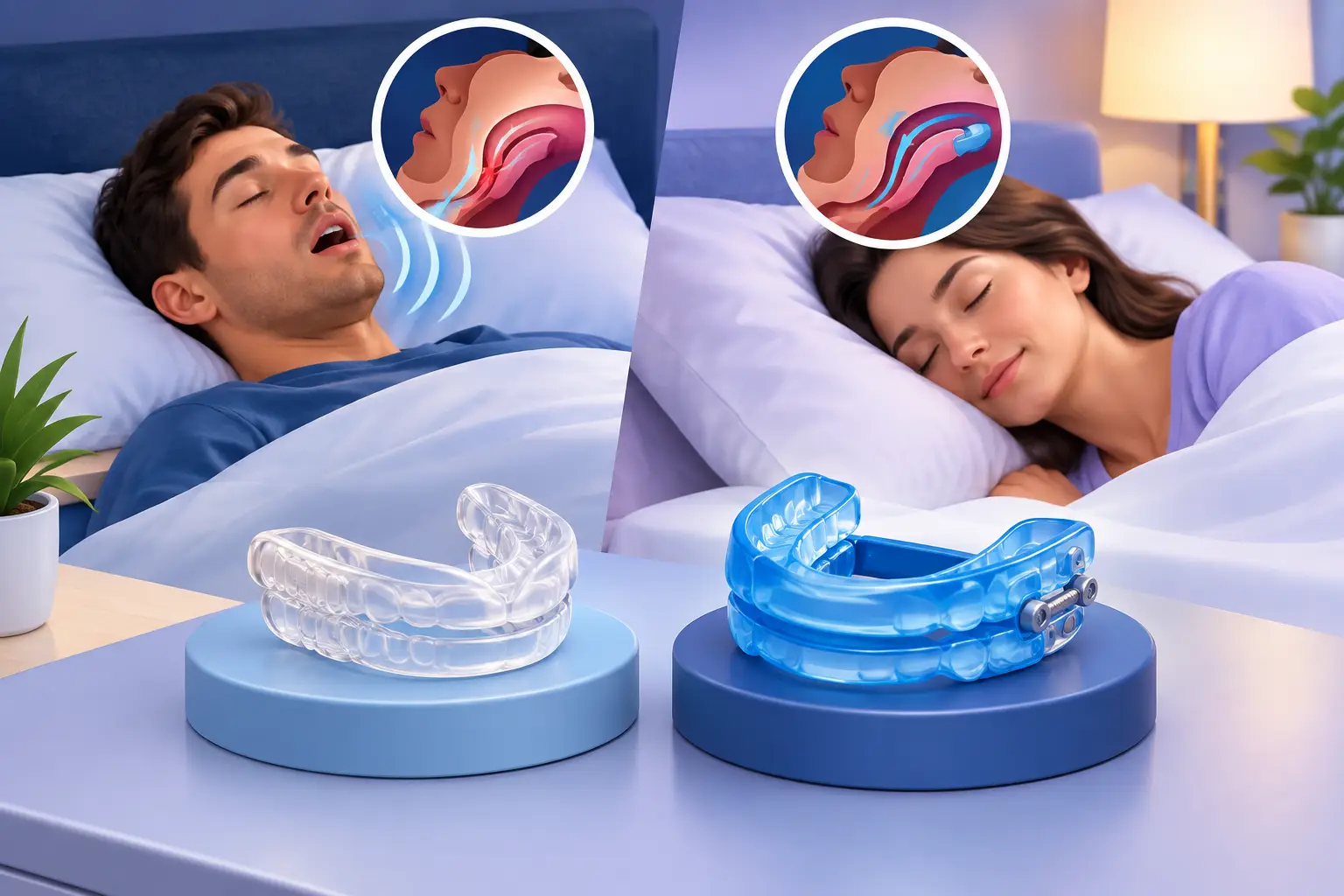
A jaw advancement device, also called a mandibular advancement device or oral sleep appliance, is worn over the teeth while you sleep. It gently holds the lower jaw slightly forward. That small change can help keep the tongue and soft tissues from falling back into the airway, which can reduce airway blockage during sleep.
Obstructive sleep apnea happens when the airway repeatedly narrows or closes during sleep. Each interruption can briefly lower oxygen levels and disturb sleep, often without the person remembering it the next morning. Snoring is common, but sleep apnea can also affect concentration, mood, blood pressure, cardiovascular health, and daytime safety.
A custom oral appliance is made from detailed records of your teeth, bite, jaw movement, and oral health. Unlike a one-size-fits-all device, it can be adjusted in small increments over time. This allows treatment to be tailored to the position that improves breathing while protecting comfort in the jaw joints, teeth, and muscles.
Who May Benefit From Jaw Advancement Devices for Sleep Apnea?
Oral appliance therapy is often considered for adults with mild to moderate obstructive sleep apnea. It may also be appropriate for people with severe sleep apnea who cannot tolerate CPAP or who need an alternative plan developed with their sleep physician.
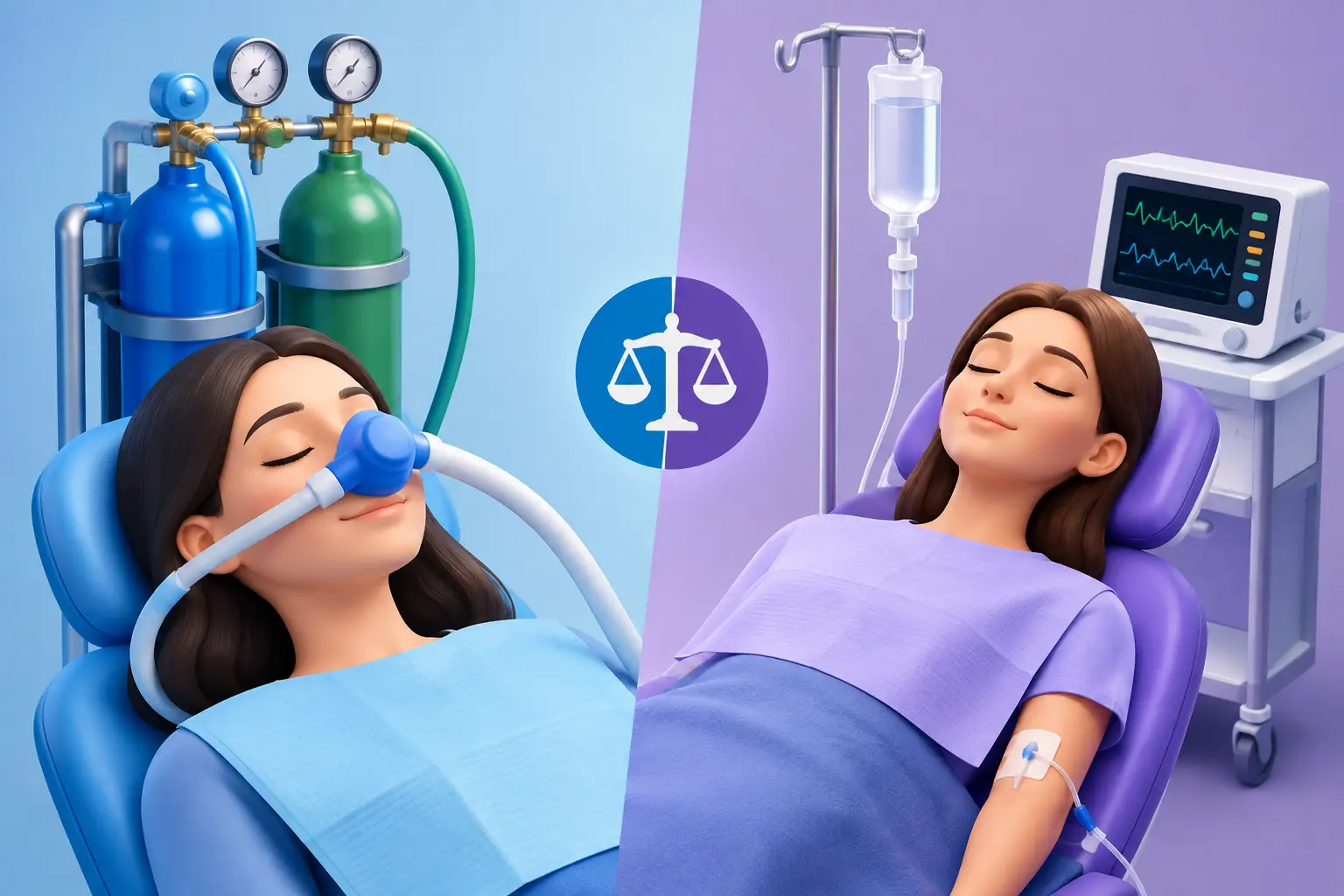
CPAP remains a highly effective treatment and may be the best choice for many patients, particularly when sleep apnea is more severe. It uses gentle air pressure to keep the airway open. Still, some people struggle with masks, air leaks, noise, nasal congestion, travel, or simply maintaining consistent use night after night. A well-fitted oral appliance can be easier to carry, quieter to use, and more comfortable for certain patients.
The best treatment is the one that addresses your condition and that you can use consistently. That is why a sleep study and a thoughtful conversation with your physician and qualified dental sleep provider matter. Snoring alone does not confirm sleep apnea, and no oral appliance should replace a proper diagnosis.
Your Mouth and Jaw Matter Too
A jaw advancement device relies on stable teeth and healthy supporting tissues. Before treatment, your dentist should look for concerns such as untreated gum disease, loose teeth, significant tooth wear, missing teeth, active decay, or pain in the jaw joint.
Having dental work does not automatically rule out oral appliance therapy. Patients with crowns, bridges, implants, or prior restorative treatment may still be good candidates. The appliance simply needs to be designed with those restorations in mind. For someone with extensive tooth loss or an unstable bite, another approach or additional restorative care may be needed first.
Existing TMJ symptoms also deserve careful attention. Some people experience temporary jaw soreness, tooth tenderness, or changes in how their teeth meet when they begin treatment. These concerns do not always prevent appliance use, but they should be evaluated and monitored rather than dismissed.
Why a Custom Appliance Is Different
Online devices and over-the-counter snoring guards can seem appealing because they are readily available and less expensive upfront. The trade-off is that they are not custom-fitted, are rarely designed for precise adjustment, and do not include the professional oversight needed to manage side effects or confirm whether sleep apnea is actually improving.
A custom appliance is made to fit securely and distribute forces appropriately across your teeth. More importantly, it is titratable. Your provider can make gradual adjustments to advance the jaw only as much as needed. Moving too quickly or too far can create unnecessary discomfort without improving results.
Custom treatment also includes follow-up. Your teeth and bite can shift subtly over time, and your sleep needs can change with weight changes, medications, nasal health, aging, or other medical factors. Periodic dental visits help identify appliance wear, bite changes, jaw symptoms, and the need for adjustments before they become larger problems.
What the Treatment Process Looks Like
Treatment usually begins after a sleep physician has diagnosed obstructive sleep apnea and discussed options with you. Your dental sleep provider then completes a comprehensive evaluation of your teeth, gums, bite, jaw joints, and range of motion. This is the time to talk honestly about your sleep habits, prior CPAP experience, dental anxiety, and goals.
If oral appliance therapy is appropriate, detailed impressions or digital scans are used to create the appliance. Once it is ready, you will receive instructions on how to insert, remove, clean, and adjust it. Most patients need an adaptation period. A little awareness of the appliance at bedtime is normal at first, but ongoing pain is not something to push through without calling your provider.
Adjustments are typically made gradually based on symptoms, comfort, and clinical guidance. You may notice less snoring or feel more alert before the appliance reaches its final setting. Those improvements are encouraging, but they do not prove that sleep apnea has been adequately controlled.
After the device is adjusted, your sleep physician may recommend a follow-up sleep test while you wear it. This step is essential. It shows whether the appliance is reducing breathing interruptions and improving oxygen levels, rather than relying only on how you feel or what a partner hears.
Benefits and Limits to Understand
For the right patient, oral appliance therapy can provide meaningful benefits. The device is compact, does not require electricity, and is convenient for travel. Many people also appreciate that it is quiet and allows more freedom of movement in bed than a mask and tubing.
At the same time, an oral appliance is not a cure for every form of sleep apnea. Its effectiveness depends on the severity and pattern of airway obstruction, anatomy, body weight, nasal breathing, sleep position, and how consistently it is worn. Some patients benefit from a combined approach, such as CPAP at home and an oral appliance while traveling, or oral appliance therapy alongside positional therapy and healthy lifestyle changes.
The goal is not to choose between treatments based on convenience alone. It is to find a plan that protects your long-term health and feels realistic enough to maintain.
Caring for Your Appliance and Your Smile
Clean the appliance every morning according to your provider's instructions, usually with a soft brush and a cleaner approved for the material. Avoid hot water, which can distort the device. Store it in its ventilated case when it is not in use, and bring it to dental appointments so the fit and condition can be checked.
Continue routine cleanings and exams. Sleep appliances sit against the teeth and gums for many hours, so healthy gums and consistent home care are part of successful treatment. If you notice cracks, looseness, persistent soreness, or a bite that does not return to normal after removing the device, schedule an evaluation rather than trying to repair or adjust it yourself.
For patients who want coordinated care, Seattle Oral Care can evaluate the dental side of oral appliance therapy while working in partnership with the sleep physician overseeing the diagnosis and sleep testing.
A Better Night Starts With a Clear Plan
Waking up tired should not become your normal. If snoring, witnessed pauses in breathing, or daytime exhaustion are affecting your life, start with a conversation and a proper sleep evaluation. A carefully fitted oral appliance may be a practical next step toward quieter nights, more restorative sleep, and mornings that feel like they should.