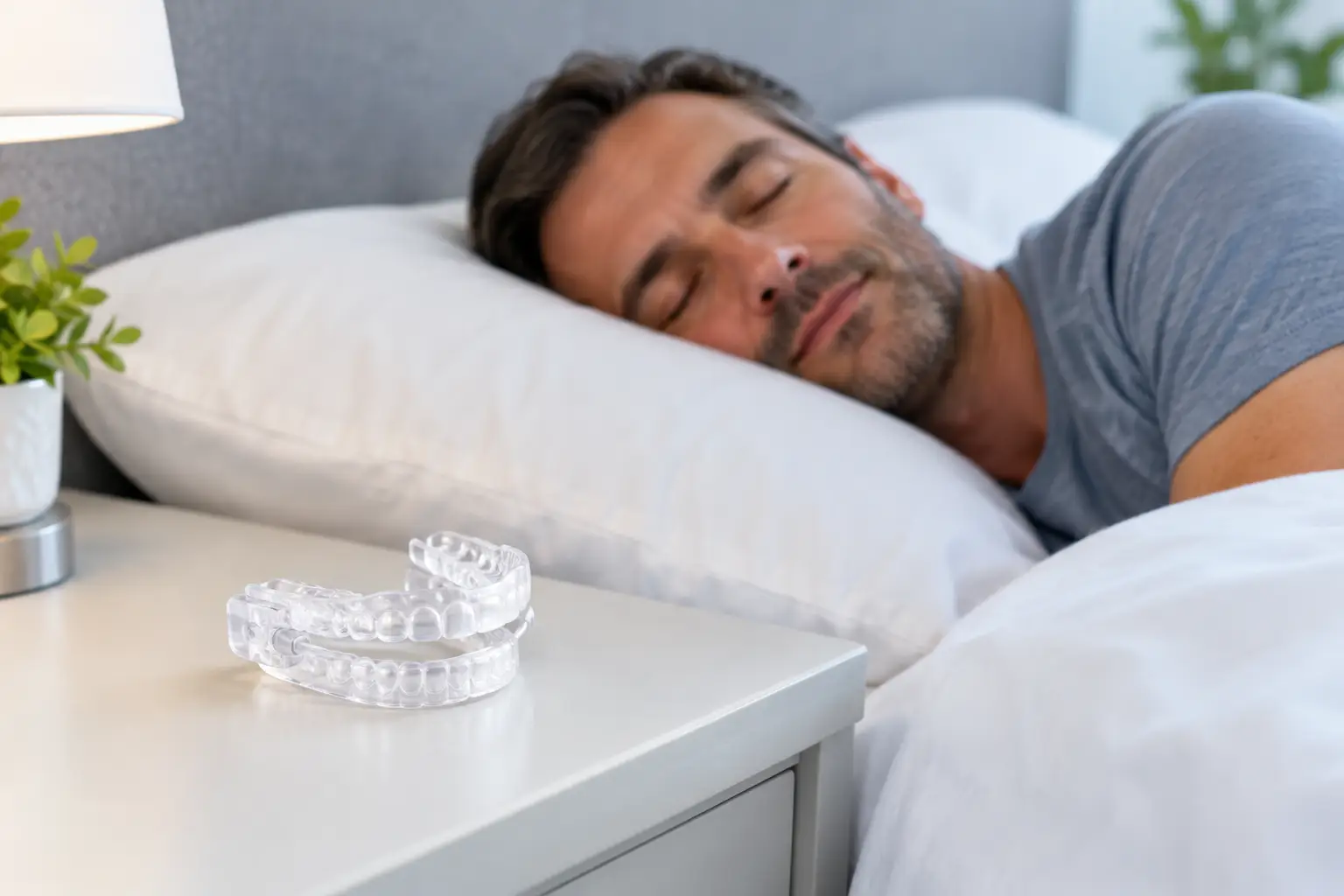
A night of loud snoring, gasping, or waking unrefreshed can affect far more than your energy the next morning. For many adults, these symptoms point to obstructive sleep apnea, a condition in which the airway repeatedly narrows or closes during sleep. Understanding how dental appliances treat sleep apnea can help you have a more informed conversation with your physician and dentist about options beyond a CPAP mask.
A properly fitted oral appliance is not a generic mouthguard. It is a custom medical device designed to support easier breathing while you sleep. For the right patient, it can be a comfortable, effective part of a long-term sleep apnea treatment plan.
How dental appliances treat sleep apnea
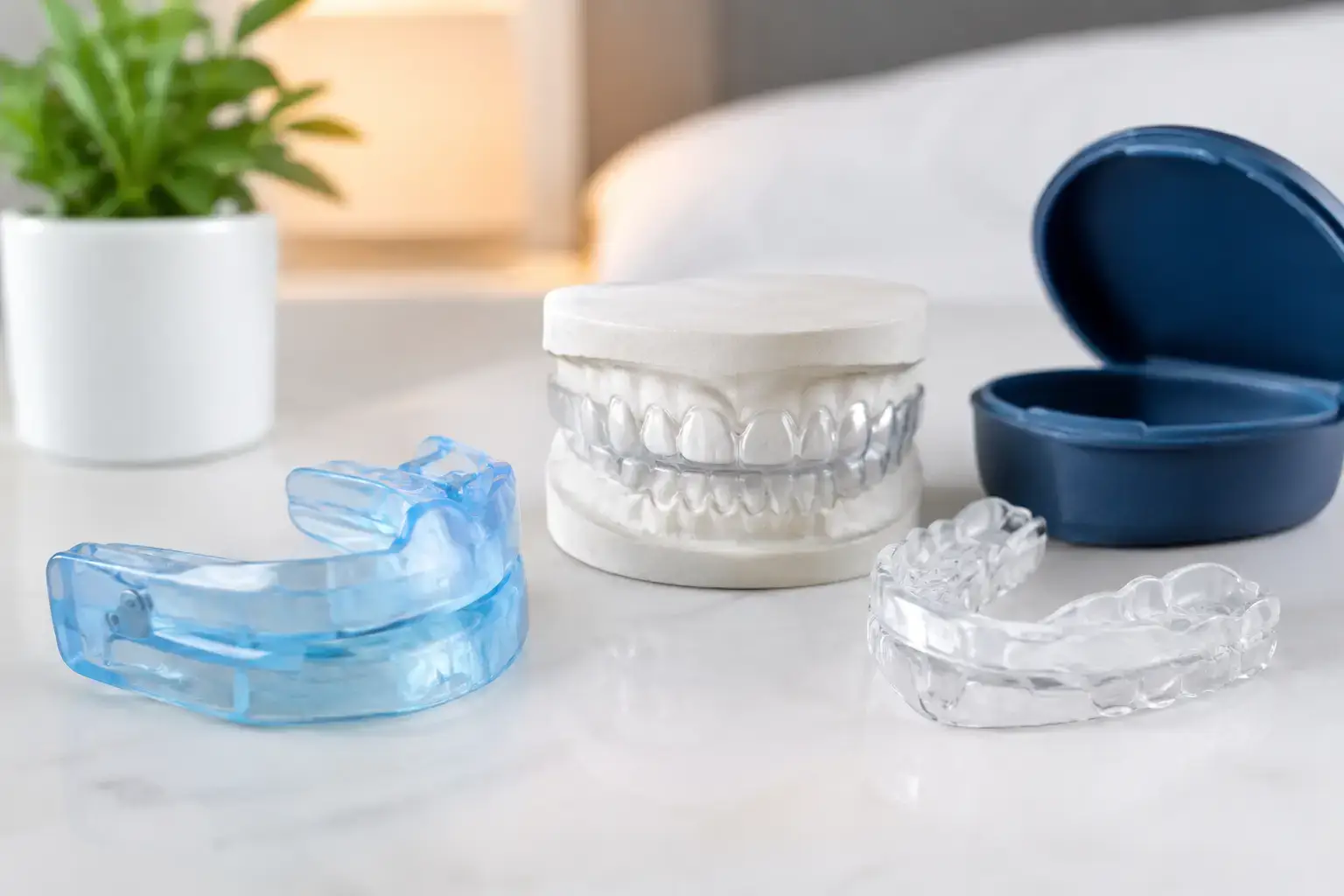
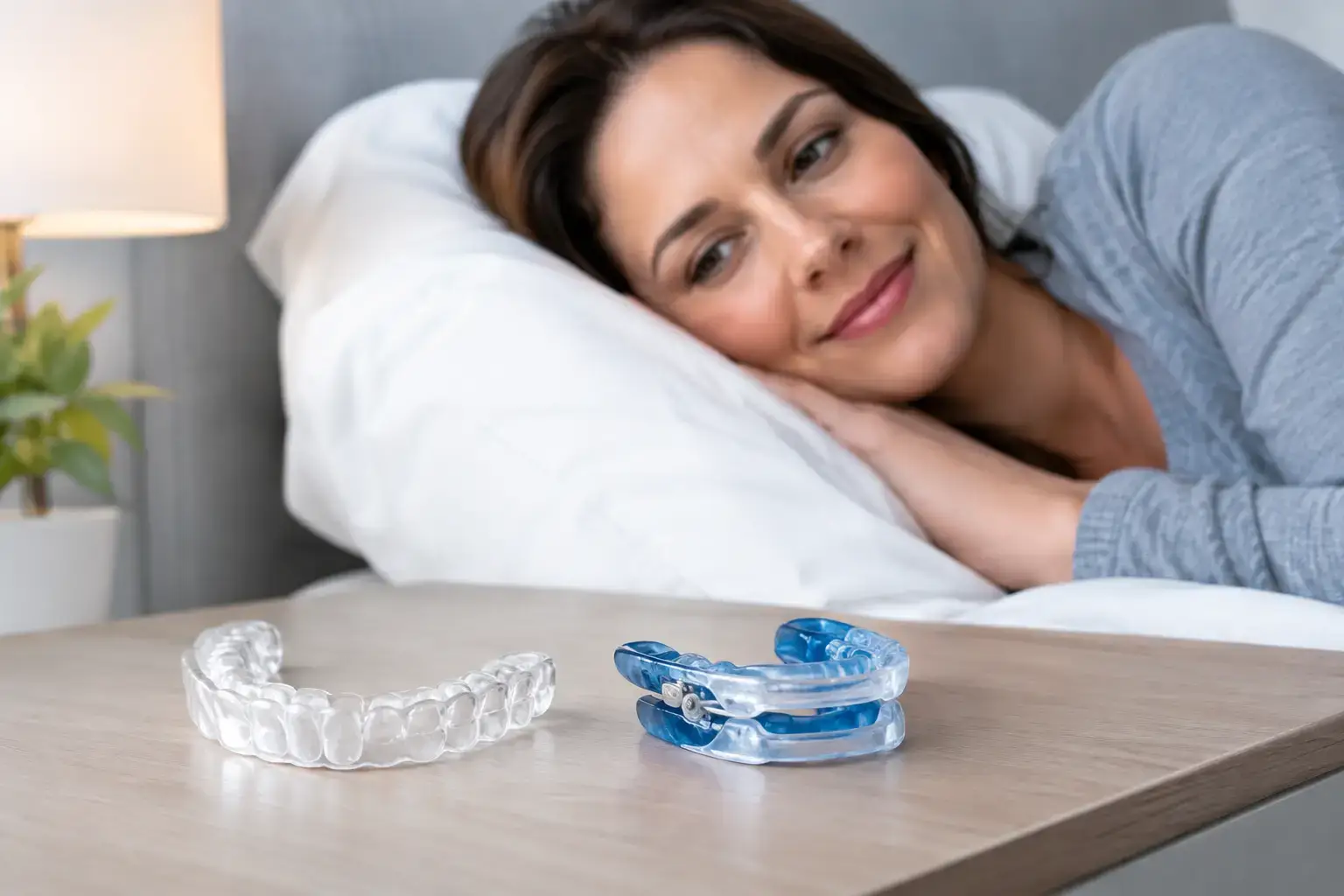
Most dental appliances for sleep apnea are called mandibular advancement devices. They fit over the upper and lower teeth and gently hold the lower jaw slightly forward. This small change can help keep the tongue and soft tissues from falling back into the throat, leaving more room for air to move through the airway.
When the airway stays more open, breathing interruptions may become less frequent and oxygen levels may improve. Many patients also notice less snoring, which can make a meaningful difference for both the person wearing the appliance and the person sleeping nearby.
The goal is not simply to stop a sound. Snoring can be disruptive, but obstructive sleep apnea is a health condition associated with poor-quality sleep, daytime fatigue, difficulty concentrating, and increased cardiovascular concerns when left untreated. An oral appliance is intended to address the airway obstruction behind the symptoms.
Some patients may be candidates for a tongue-retaining device, which uses gentle suction to hold the tongue forward. These appliances are used less often, but they can be helpful in select circumstances, such as when a person cannot comfortably advance the jaw. Your anatomy, dental health, and sleep study results all matter when determining which approach makes sense.
Who may benefit from an oral appliance?
Oral appliance therapy is commonly considered for adults with mild to moderate obstructive sleep apnea. It can also be an appropriate alternative for people with severe sleep apnea who cannot tolerate CPAP or who prefer an appliance after discussing the options with their sleep physician.
CPAP remains a highly effective treatment, particularly for many patients with more severe apnea. But treatment only works when it is used consistently. Some people struggle with mask fit, pressure sensations, dry mouth, travel, or simply keeping the device on through the night. A custom oral appliance is smaller, quiet, and easy to transport, which can make it easier for certain patients to wear regularly.
That does not mean an appliance is automatically the better choice. CPAP, oral appliance therapy, positional changes, weight management, nasal care, and other treatments may each have a role. Some patients use both CPAP and an appliance, especially when lower CPAP pressure or a more travel-friendly option improves adherence. The right answer depends on the severity and pattern of your apnea, your health history, and what you can realistically use night after night.
A sleep study is essential. Snoring alone cannot tell you whether you have sleep apnea or how serious it is. A physician or sleep specialist diagnoses obstructive sleep apnea and helps determine whether oral appliance therapy is appropriate. Your dental sleep provider then designs the appliance and monitors how it affects your teeth, bite, jaw joints, and comfort.
Why a custom appliance matters
Over-the-counter devices marketed for snoring may move the jaw, but they are not a substitute for professionally guided sleep apnea treatment. A one-size-fits-all device may fit poorly, irritate the gums, stress the jaw joints, or change tooth position without adequately treating the airway problem.
A custom appliance is made from impressions or digital scans of your teeth. It is adjusted gradually and precisely. That titration process matters because moving the jaw too little may not improve the airway, while moving it too far too quickly can create jaw soreness or muscle fatigue.
Before making an appliance, a qualified dentist will evaluate the condition of your teeth, gums, restorations, bite, and temporomandibular joints. Healthy, stable teeth are important because the appliance uses them for support. Patients with missing teeth, active gum disease, significant jaw pain, or extensive restorative needs may still have options, but they need an individualized plan.
This is one reason coordinated care can be valuable. At Seattle Oral Care, an AADSM-certified prosthodontist can assess oral appliance therapy in the context of your overall oral health, including existing crowns, bridges, implants, dentures , or bite concerns. The focus is on a solution that supports both your breathing and the long-term health of your smile.
What treatment feels like from start to finish
The process begins with a consultation and a review of your sleep diagnosis. Bring information from your sleep physician, including your sleep study when available. Your dentist will ask about snoring, daytime sleepiness, CPAP experience, jaw symptoms, medications, and your dental history.
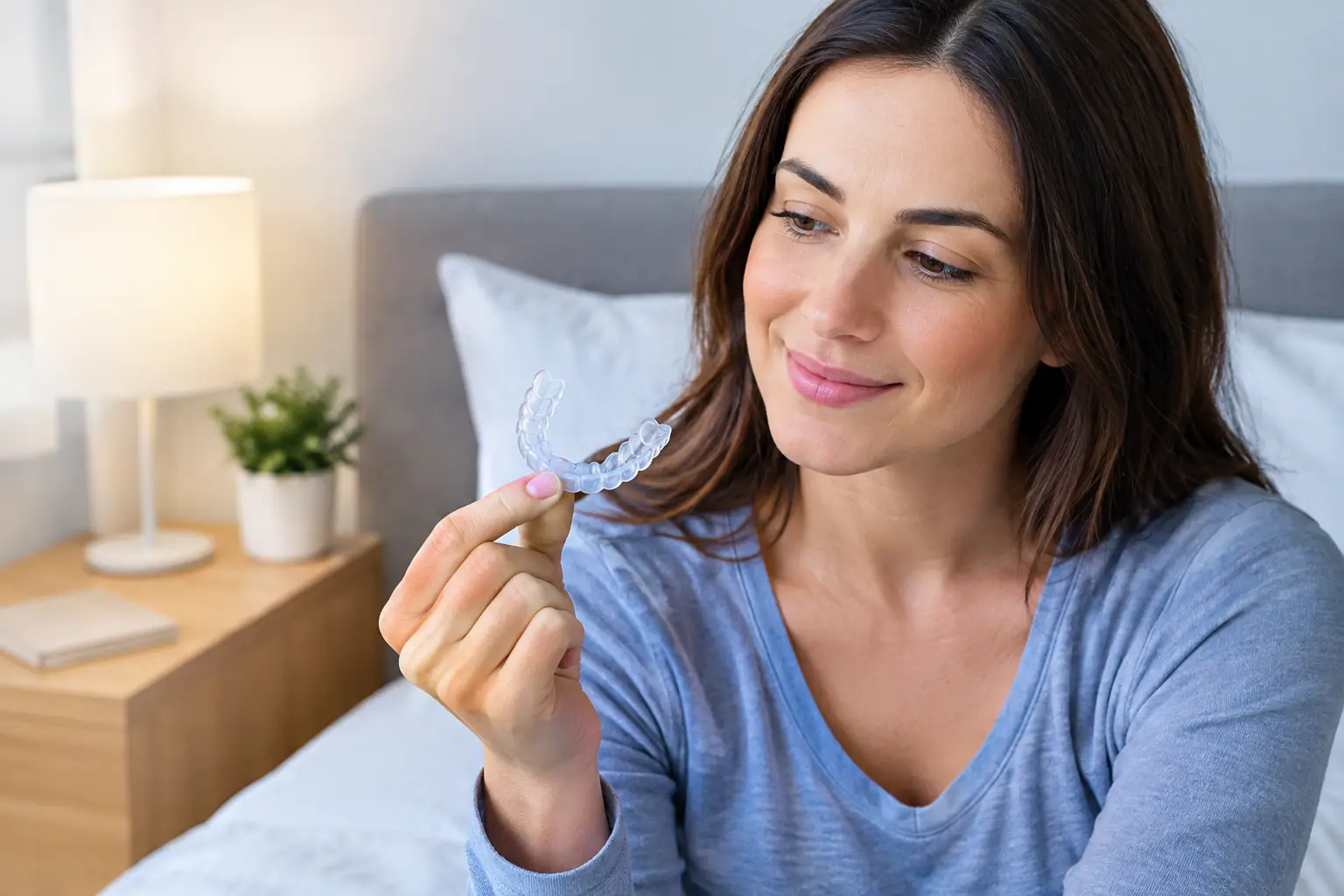
If an appliance is appropriate, digital scans or impressions are used to create a custom fit. Once the device is delivered, you will learn how to insert it, remove it, clean it, and make any prescribed adjustments. Most people need an adaptation period. Mild morning jaw stiffness, temporary tooth tenderness, or increased saliva can occur early on and often improve as you adjust.
Follow-up visits are not an extra step. They are a central part of treatment. Your provider will evaluate comfort, jaw movement, bite changes, and symptom improvement, then fine-tune the appliance as needed. After the appliance has been adjusted to its therapeutic position, your sleep physician may recommend follow-up sleep testing to confirm that it is adequately controlling your apnea.
Protecting your bite and your results
Oral appliances are designed for regular use, but they do require ongoing monitoring. Over time, some people experience minor changes in how their teeth meet or how their jaw feels in the morning. A dentist may provide a morning repositioning guide or exercises to help the jaw return to its usual position after removing the appliance.
Keep regular dental exams and tell your provider about new jaw pain, cracked appliances, loose teeth, changes in your bite, or a return of snoring and daytime fatigue. Weight changes, new medications, aging, nasal obstruction, and changes in dental work can all affect how well an appliance works.
Cleaning is straightforward but important. Rinse the appliance after use, clean it according to your dentist's instructions, and store it in its protective case. Avoid hot water, which can distort some materials. Like any precision device, it needs care to continue fitting correctly.
A practical next step for better sleep
If sleep apnea or persistent snoring is affecting your days, you do not have to guess whether a dental appliance could help. Start with a sleep evaluation if you have not had one, then discuss the findings with a qualified dental sleep provider. A careful plan can make treatment feel less intimidating and give you a clear path toward quieter nights, steadier energy, and better-supported health.