A full arch implant restoration can be life-changing: meals become easier, speech feels more natural, and you no longer need to plan your day around a loose denture. But a fair question comes next: how long do full arch implants last? The short answer is that the implant posts can often last for decades, and sometimes a lifetime, while the teeth attached to them may need repair or replacement sooner.
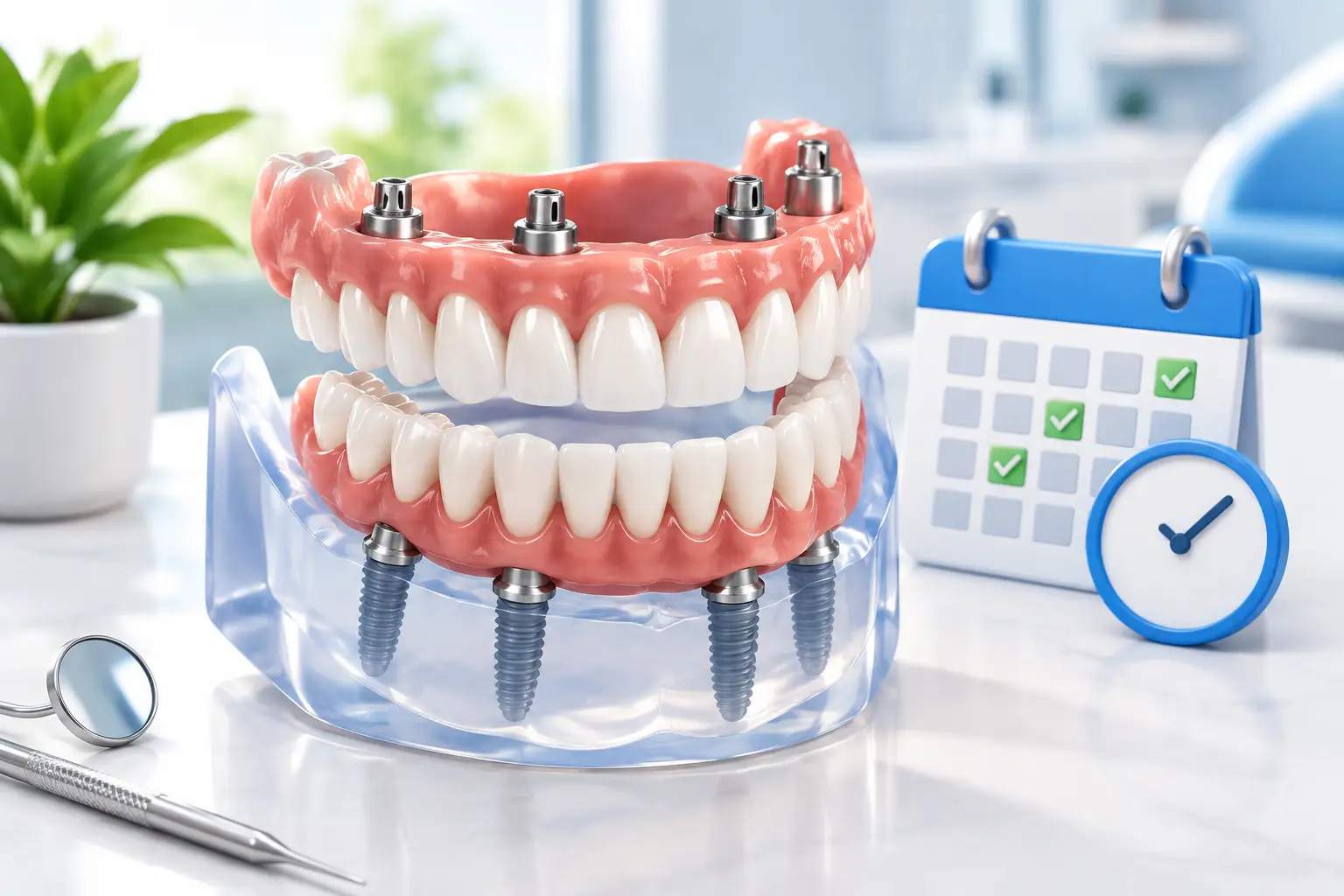
That distinction matters. A full arch is not one single piece. It is a carefully planned system made up of implants placed in the jawbone, connecting components, and a custom bridge or denture that creates your visible smile. Each part has its own expected lifespan and maintenance needs.
How Long Do Full Arch Implants Last?
Dental implants are designed to be a long-term tooth replacement. Once an implant heals and integrates with the jawbone, it functions much like a tooth root. Research and clinical experience show high long-term implant success rates, particularly when treatment planning, surgery, restoration design, and follow-up care are handled carefully.
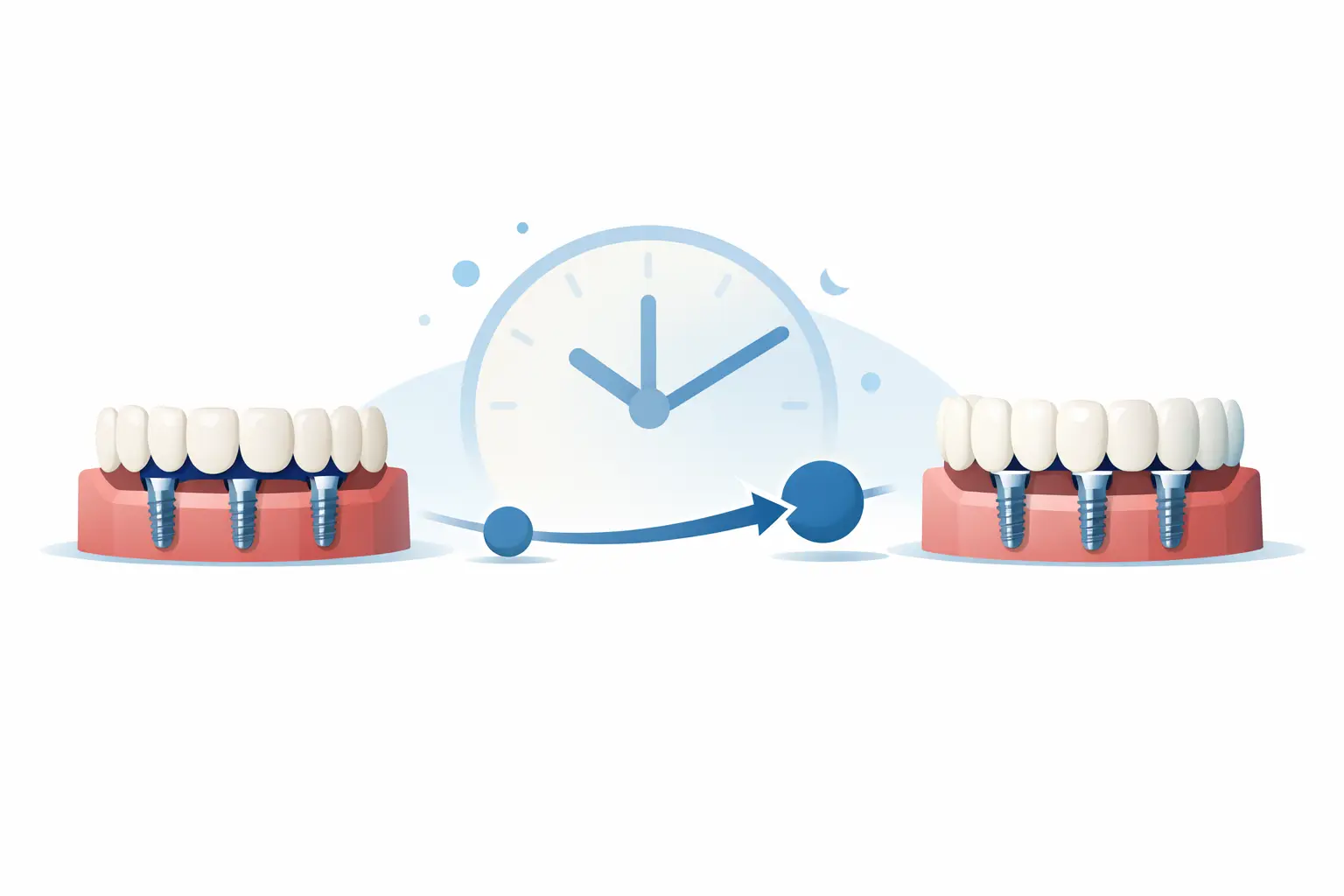
For many patients, the titanium implant posts themselves can remain healthy for 20 years or longer. Some last a lifetime. That does not mean every implant will last forever, or that the restoration above it will never need attention. Health changes, bite forces, home care, and regular professional maintenance all affect the outcome.
The final bridge, often called the prosthesis, usually has a different timeline. Depending on its material and design, it may last roughly 10 to 15 years or longer before it needs significant repair, resurfacing, or replacement. Small adjustments may be needed along the way. Components such as screws, attachments, and protective materials can also wear over time.
A good way to think about it is this: the implants are the foundation, while the visible teeth are the part most likely to experience everyday wear.
What Determines the Lifespan of a Full Arch?
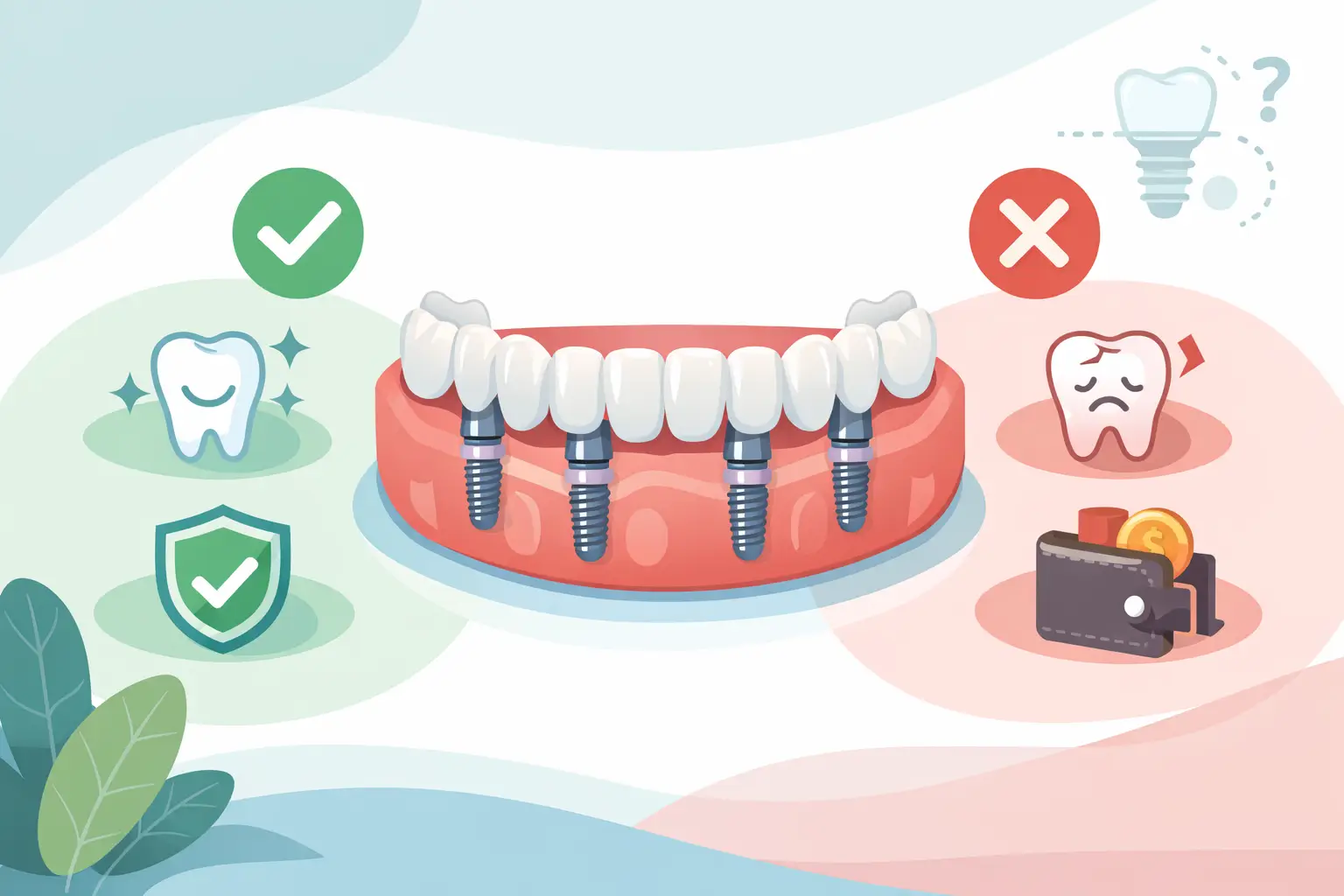
No two mouths, bites, or treatment plans are identical. A patient with healthy gums, a stable bite, and consistent maintenance may enjoy excellent results for many years. Someone with uncontrolled diabetes, active gum disease, or heavy grinding may need closer monitoring and more frequent repairs.
The health of your gums and bone
Implants cannot develop cavities, but the tissues around them can become inflamed or infected. This condition, called peri-implant disease, can cause bone loss around an implant if it is not treated. It is one of the most preventable threats to long-term implant health.
Thorough brushing, cleaning beneath the bridge as instructed, and professional implant maintenance visits help keep plaque from accumulating where you cannot easily see it. If you have a history of periodontal disease , ongoing periodontal care is especially important.
Your bite and daily forces
A full arch restoration is built to handle normal chewing, but teeth are not meant to open packaging, bite hard objects, or crack ice. Repeated excessive force can chip porcelain, wear acrylic teeth, loosen screws, or stress the implant system.
Teeth grinding and clenching are common, especially during sleep. A custom nightguard may be recommended to protect your new smile and reduce strain on the restoration. This is not a sign that the treatment is weak. It is practical protection for an investment that works hard every day.
The materials used for your final teeth
Full arch restorations can be made from different materials, including acrylic-based options, ceramic, zirconia, or layered designs. Each has advantages and trade-offs involving appearance, strength, repairability, and cost.
For example, an acrylic provisional or final prosthesis can be easier to repair if it chips, but it may show wear sooner than zirconia. Zirconia is highly durable and stain-resistant, yet it still needs thoughtful bite design and professional monitoring. The best material is not always the same for every patient. Your smile goals, bite, bone support, and budget all deserve consideration.
Treatment planning and the team behind it
Long-lasting results begin before surgery. The number and position of implants, quality of available bone, gum health, bite relationship, and design of the final restoration all influence how forces are distributed.
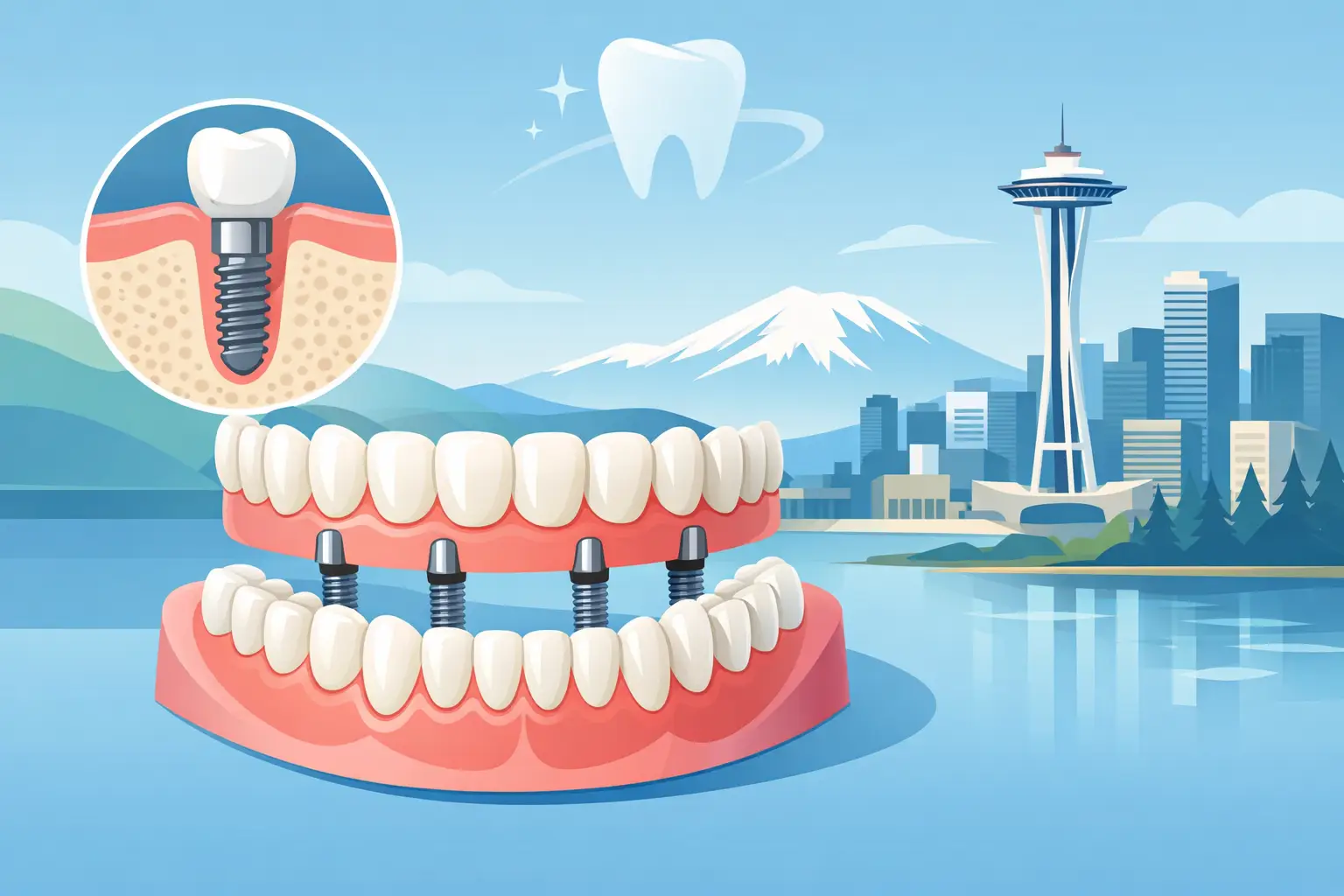
For complex full-mouth treatment, coordinated care can make a meaningful difference. A prosthodontist, oral surgeon, periodontist, and general dentist each bring a distinct perspective to planning healthy, functional results. At Seattle Oral Care, this coordinated approach helps patients receive care that considers both the surgical foundation and the final smile.
The Restoration May Need Care Before the Implants Do
Patients are sometimes disappointed to hear that an implant bridge may not be permanent in the same way as the implant posts. In reality, this is expected with any restoration that handles years of chewing forces.
Over time, your dentist may recommend replacing worn teeth, polishing rough areas, adjusting the bite, replacing a screw, or repairing a small chip. These visits can prevent a minor concern from becoming a larger problem. In some cases, the bridge can be removed for a thorough inspection and cleaning of the implants and supporting tissue.
This is one advantage of planning ahead: a well-designed full arch restoration should allow your clinical team to maintain it. The goal is not simply to place implants, but to create a system that can be cared for over the long term.
How to Help Your Full Arch Implants Last Longer
Your daily routine matters as much as your procedure. A full arch bridge does not require complicated care, but it does require consistent care. Brush the teeth and gumline twice daily using the products recommended by your dental team. Clean under and around the bridge with tools such as floss threaders, implant-specific floss, soft picks, or a water flosser when appropriate.
Keep your regular recall visits, even if everything feels fine. Implant problems are often easier to manage when identified early, before pain or looseness develops. During these appointments, your team can assess your gums, bone levels, bite, restoration, and home-care technique.
If you smoke or use tobacco, quitting can significantly support healing and long-term gum health. Managing conditions such as diabetes and addressing dry mouth can also protect the tissues around your implants. And if you clench or grind, wear your protective appliance consistently.
Signs You Should Not Ignore
Full arch implants should feel stable and comfortable once healing is complete. Contact your dental office if you notice bleeding around the implants, persistent bad taste or odor, swelling, soreness that does not improve, a loose-feeling bridge, clicking, a changed bite, or a chipped tooth.
These symptoms do not automatically mean an implant has failed. A loose screw, bite adjustment, or irritated gum tissue may be the cause. Still, prompt evaluation gives your dentist the best chance to protect the foundation and restore comfort.
A Long-Term Smile Is Built on Ongoing Care
The most reassuring answer to how long full arch implants last is that they are designed for the long haul, not as a temporary fix. With healthy gums, a carefully designed restoration, and reliable maintenance, many people enjoy their implant-supported smile for decades.
Rather than focusing only on the day your new teeth are placed, choose a care plan that supports the years after. Regular checkups, early repairs, and honest conversations about your bite and health can help your full arch restoration keep doing what it was meant to do: let you eat, speak, and smile with confidence.