When missing or failing teeth make meals stressful, photos uncomfortable, or dentures hard to trust, the problem reaches far beyond appearance. Full arch dental implants Seattle patients choose can replace an entire upper or lower row of teeth with a stable, natural-looking restoration designed around how they eat, speak, and live.
For many people, the first concern is whether treatment will be painful, complicated, or simply too much to manage. Those are reasonable questions. Full-arch care is a significant investment in your health and comfort, and it deserves careful planning, honest answers, and a team that sees the whole picture before recommending a path forward.
What Are Full Arch Dental Implants?
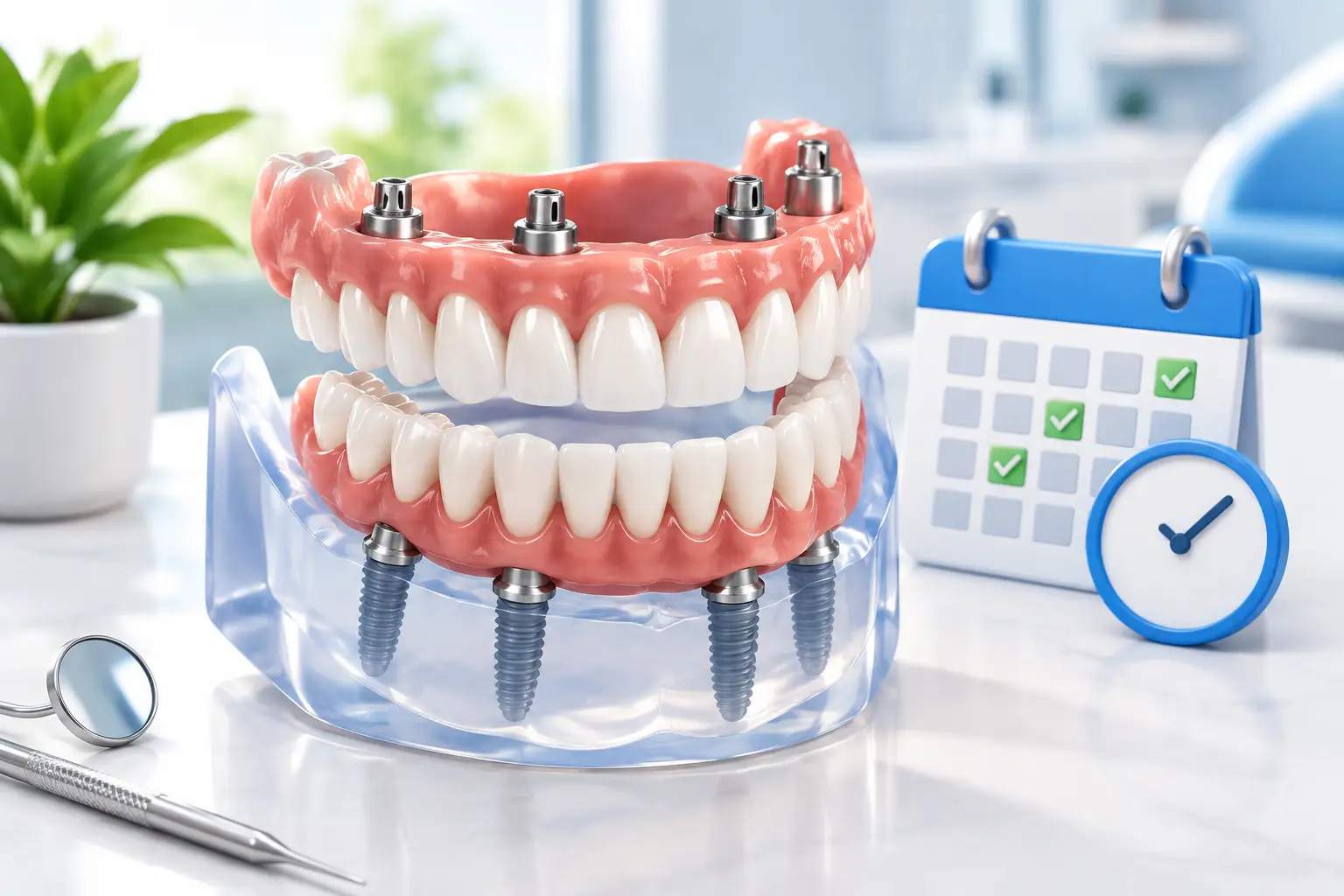
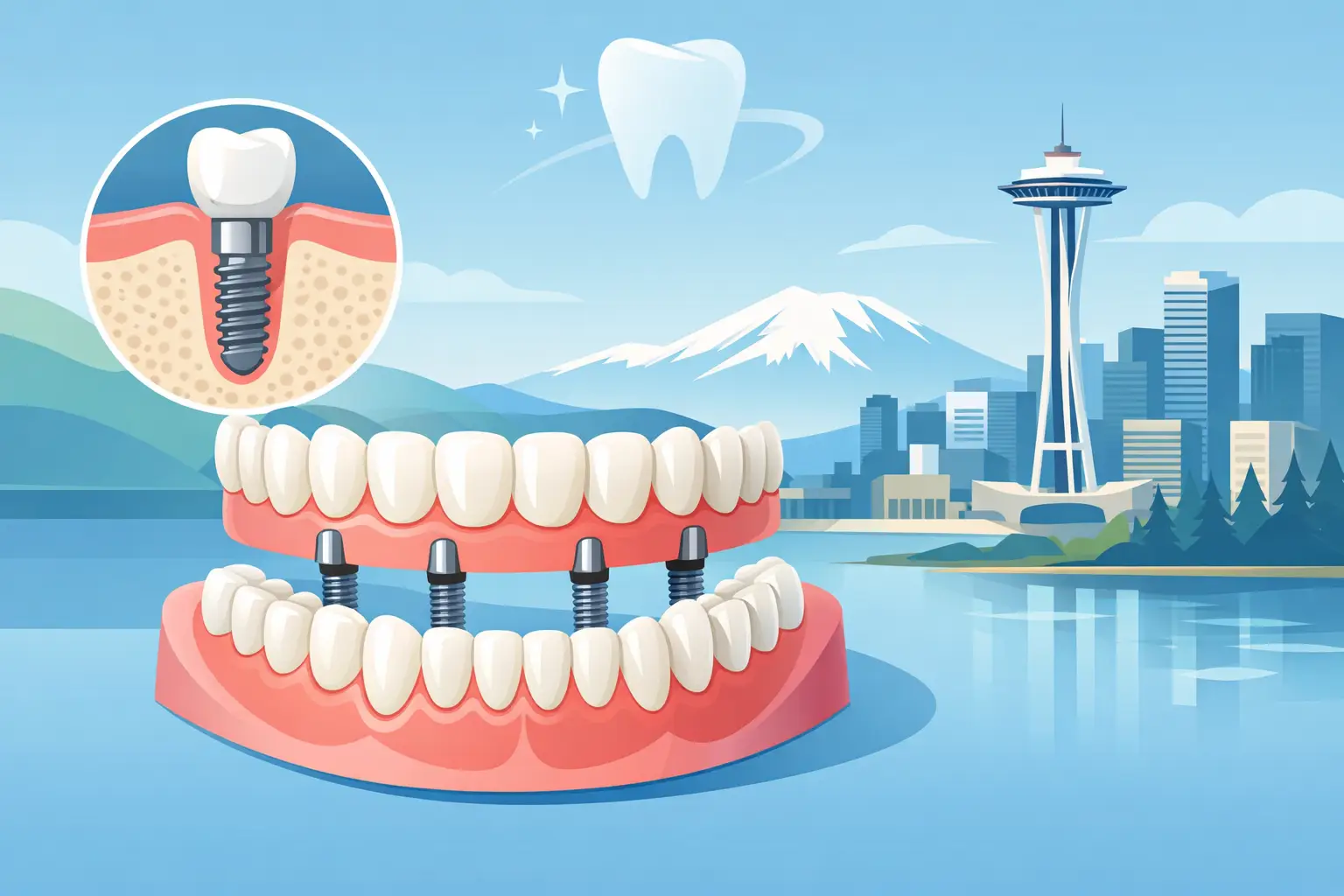
A full arch implant restoration replaces all the teeth in an upper or lower jaw. Rather than resting on the gums like a traditional denture, a custom bridge attaches to dental implants placed in the jawbone. The implants function as artificial tooth roots, helping support the restoration and transmit chewing forces into the bone.
Depending on your needs, treatment may involve a fixed bridge that stays in place or an implant-supported overdenture that can be removed for cleaning. Neither option is automatically better. A fixed solution can feel closer to natural teeth, while a removable option may be appropriate when anatomy, hygiene needs, budget, or treatment goals point in that direction.
The number of implants also varies. Some full-arch plans use four implants, while others use more for additional support. Bone quality, bite forces, available space, and the design of the final teeth all matter. A careful evaluation is more valuable than choosing a treatment based on a number in an advertisement.
Why Replacing a Full Arch Can Change Daily Life
Tooth loss often changes routines gradually. You may start avoiding crisp vegetables, steak, or meals with friends. Dentures may shift when you laugh or speak. Failing teeth can bring recurring infections, emergency visits, and the constant worry that another tooth will break.
A well-planned implant-supported arch can provide greater stability for chewing and speaking while restoring the appearance of a complete smile. Because implants stimulate the jawbone, they may also help limit the bone loss that commonly follows tooth loss. They do not stop every age-related change in the face or jaw, but they can offer more support than a conventional denture alone.
The goal is not to create a one-size-fits-all smile. It is to create teeth that feel balanced, look natural for you, and function predictably within the limits of your oral health and anatomy.
Who May Be a Candidate for Full Arch Dental Implants in Seattle?
People consider full-arch treatment for different reasons. You may have already lost most of your teeth, wear dentures that no longer feel secure, or have teeth affected by severe decay, gum disease, fractures, or extensive past dental work. An evaluation can determine whether saving remaining teeth is realistic or whether replacement would offer a more dependable long-term outcome.
Good candidates do not need to arrive with a perfect mouth or perfect medical history. Gum disease, bone loss, diabetes, and a history of smoking do not always rule out implants, but they require thoughtful planning. Active gum infection must be treated, and certain medical conditions may need to be well controlled before surgery. Smoking and nicotine use can interfere with healing and raise the risk of implant complications, so an honest conversation about use is essential.
A comprehensive assessment typically includes a review of your health history, examination of your teeth and gums, bite analysis, photographs, and 3D imaging. The care team also evaluates jawbone volume and the position of nearby structures. If bone grafting or extractions are needed, those steps become part of the plan rather than an unexpected obstacle later.
The Full-Arch Treatment Process
A strong result begins before implant surgery. Your dentist will discuss what is bothering you now, what you hope will change, and what type of maintenance feels manageable. This conversation should include practical details, such as whether you grind your teeth, have dry mouth, experience dental anxiety, or need to coordinate care around work and family obligations.
Planning the Final Smile First
The final bridge should guide the surgical plan, not the other way around. Your provider considers the shape of your face, lip support, smile line, speech, bite, and the amount of tooth display that looks natural for you. A prosthodontist brings specialized training in designing and restoring complex tooth replacement, which can be particularly valuable when rebuilding an entire arch.
If teeth need to be removed, your surgical and restorative providers coordinate the sequence of care. In some cases, implants and a temporary fixed bridge can be placed on the same day as extractions. In others, healing time, grafting, or staged treatment is the safer choice. Immediate teeth can be a wonderful option for the right patient, but it is not a promise that should override biology.
Surgery and Healing
Implant placement is performed with local anesthesia, and sedation options may be available depending on your needs and health history. Patients often find the experience more comfortable than they expected, especially when they know what each step involves beforehand.
After surgery, implants need time to integrate with the bone. You may wear a carefully designed temporary bridge during this period if appropriate. Temporary teeth are not meant for unrestricted chewing, so following dietary guidance matters. Soft foods and patience early on help protect the healing implants.
Your Final Restoration
Once healing is complete and your bite is stable, your final bridge is created from durable materials selected for strength, appearance, and fit. The process may include several appointments to refine the bite, shade, tooth shape, and speech. Those details are not cosmetic extras. An uneven bite can place excessive stress on implants and the restoration.
What Full Arch Implants Require From You
Implants cannot get cavities, but the tissues around them can still develop inflammation or infection. Daily care is essential. Depending on the restoration design, this may include brushing, using a water flosser or other tools beneath the bridge, and attending regular professional cleanings and exams.
Nighttime grinding also deserves attention. A protective appliance may be recommended to reduce stress on the final bridge. Like natural teeth, implant restorations can chip, loosen, or wear over time, particularly under heavy bite forces. Prompt care for a loose screw, changing bite, or gum bleeding can help prevent a small issue from becoming a bigger repair.
This ongoing care is one reason to choose a practice prepared to support your treatment after the final bridge is delivered. Full-arch implants are not a one-day product. They are a long-term relationship between your health, your home care, and your dental team.
Understanding Cost and Value
The cost of a full-arch implant plan reflects much more than the implants themselves. It can include diagnostics, extractions, bone grafting, surgical care, temporary teeth, the final restoration, sedation, and follow-up visits. The materials and number of implants can also affect the total.
Be cautious with pricing that presents one low number without explaining what is included. A transparent consultation should clarify the proposed treatment, possible additional needs, timing, and available financial options. The least expensive path upfront is not always the most economical if it compromises planning, materials, maintenance, or the ability to address complications.
At Seattle Oral Care, coordinated care from a prosthodontist, oral surgeon, periodontist, and general dentist helps patients with complex needs receive thoughtful planning in one setting. With more than 2,000 implants placed across the team, the focus remains on a plan that fits your health and your goals, not a standardized package.
Questions Worth Asking at Your Consultation
You should leave a full-arch consultation with a clear understanding of why a particular plan is recommended. Ask whether any natural teeth can be predictably saved, whether you need grafting, what kind of temporary restoration you may wear, and what cleaning will look like once treatment is complete. It is also helpful to ask who performs each stage of care and how future maintenance or repairs are handled.
Most of all, pay attention to whether you feel heard. Complex dental care can bring relief, hope, and understandable nerves at the same time. The right plan is one you understand well enough to move forward with confidence.
If you are considering a new smile because eating, speaking, or smiling has become difficult, start with a conversation and a complete evaluation . You deserve thoughtful answers, gentle care, and teeth built to support the life you want to enjoy.