When eating has become uncomfortable, dentures move at the wrong moment, or failing teeth are making you avoid photos, the problem is about far more than appearance. Full mouth dental implants can provide a stable, natural-looking foundation for a new smile, helping many people speak, eat, and feel more like themselves again.
This is a significant treatment, and it deserves a thoughtful conversation rather than a quick sales pitch. The right plan depends on your oral health, bone support, medical history, goals, and the kind of restoration that will serve you well for the long term.
What Are Full Mouth Dental Implants?
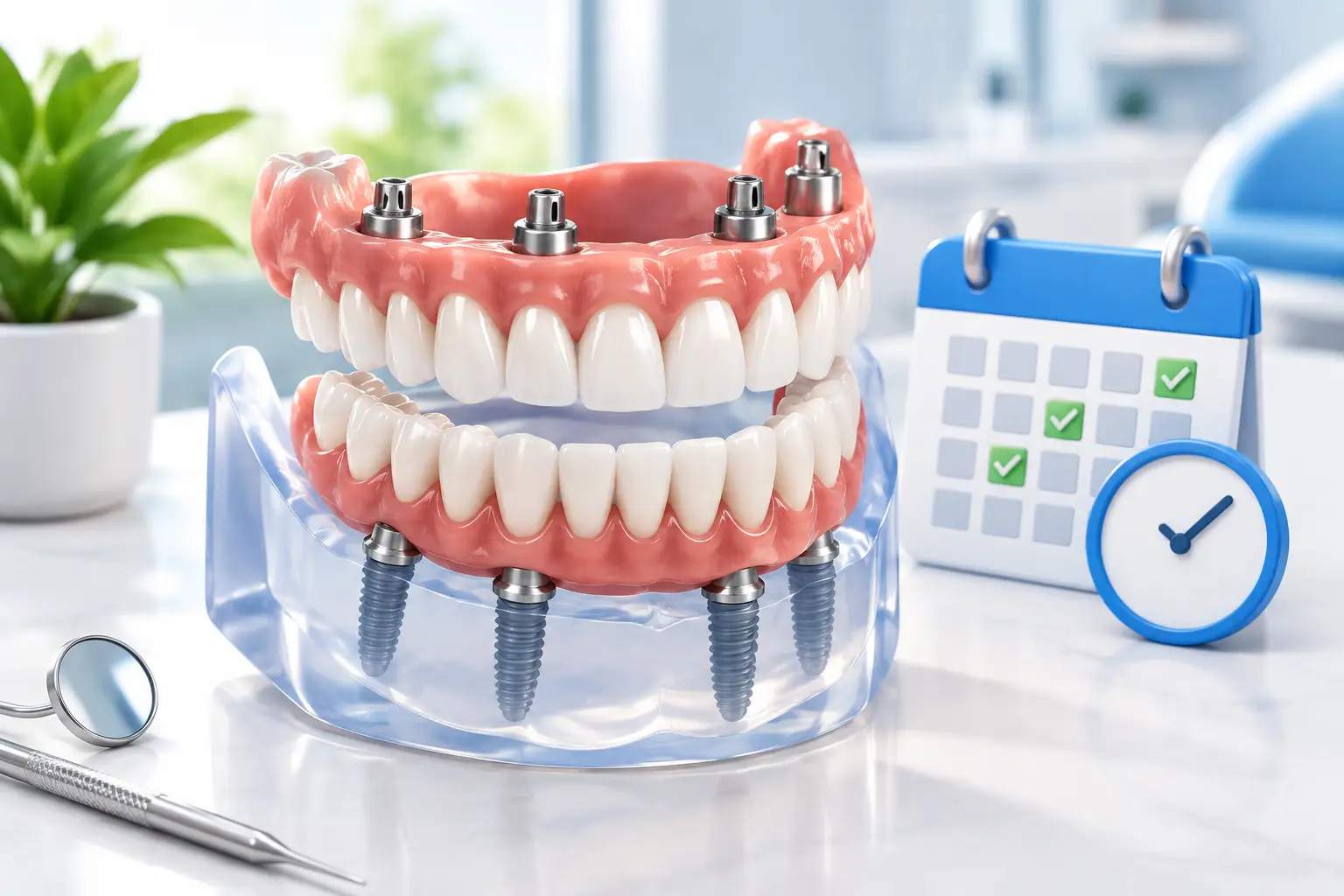
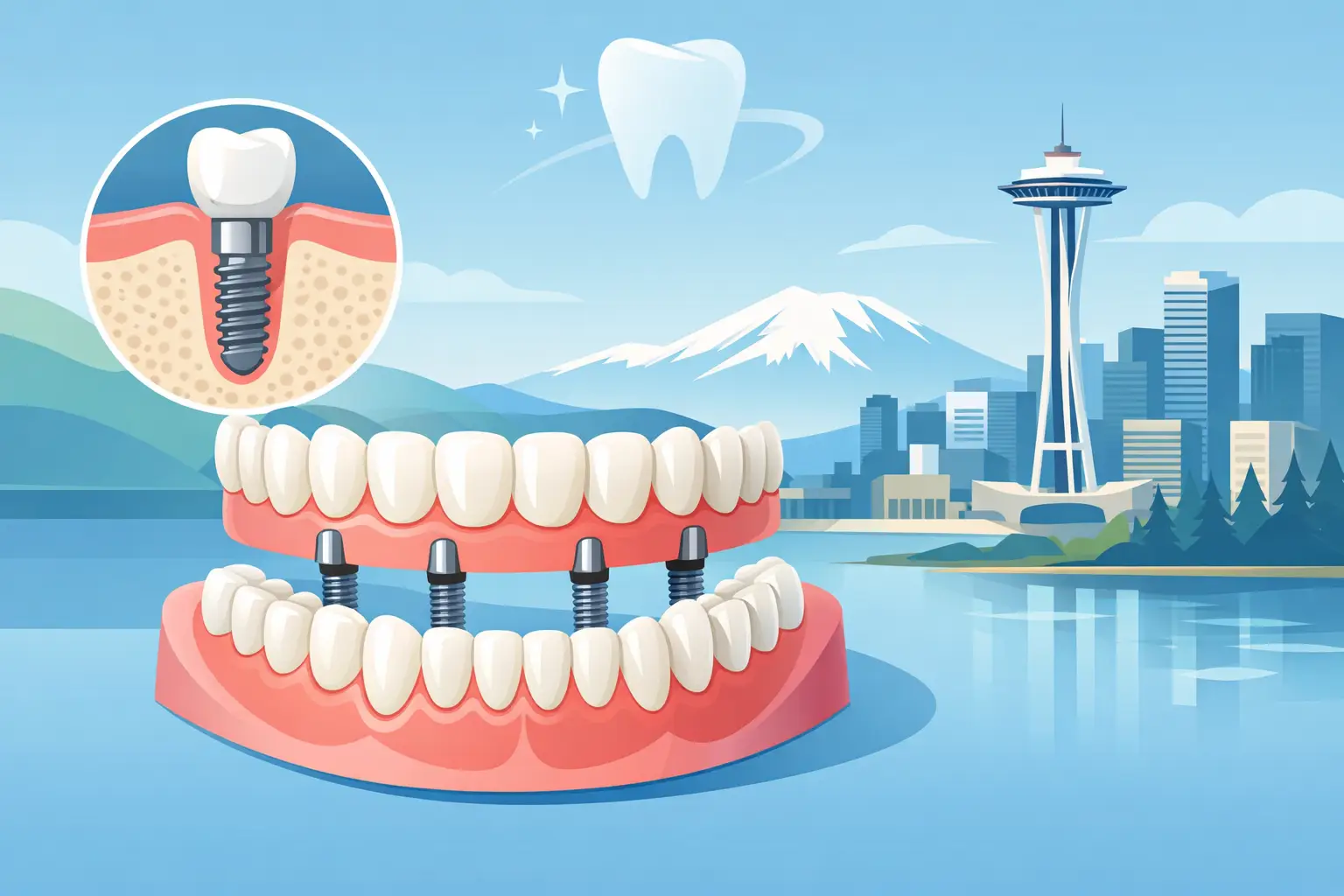
Full mouth dental implants replace all or most teeth in the upper arch, lower arch, or both. Small titanium implant posts are placed in the jawbone, where they heal and integrate with the bone. Those posts support a custom full-arch bridge or fixed denture designed to look and function like teeth.
Unlike a traditional removable denture, an implant-supported restoration is anchored in place. That stability can make a meaningful difference during everyday moments: ordering a meal with friends, giving a presentation, laughing without covering your mouth, or simply enjoying an apple without worrying about a denture shifting.
The phrase “full mouth” can describe several treatment approaches. Some patients need an entire upper and lower restoration. Others need one full arch while keeping healthy natural teeth in the opposite arch. Your dentist will look at each tooth individually before recommending removal or replacement. Saving healthy teeth is often preferable when it supports a predictable, lasting result.
When Is This Treatment a Good Fit?
People consider full-arch implant treatment for different reasons. You may have lost most of your teeth, be wearing dentures that no longer feel secure, or have teeth affected by extensive decay, gum disease, fractures, or repeated failed dental work. Some patients have been managing one temporary repair after another and are ready for a more comprehensive plan.
Good candidates are not defined by age. They are defined by health, healing ability, bone condition, and a willingness to maintain their new smile. Even if you have been told that you do not have enough bone for implants, that may not be the final answer. Bone grafting, sinus lifting, or carefully planned implant positioning may create additional options in some cases.
A thorough evaluation should include digital imaging, an examination of your gums and bite, a review of your medical history, and a conversation about your expectations. Conditions such as uncontrolled diabetes, active periodontal disease, heavy smoking, or certain medications can affect healing. They do not automatically rule out treatment, but they may change the timing or approach.
Fixed teeth versus removable implant dentures
A fixed full-arch bridge is attached to implants and is removed only by the dental team for maintenance. It is often the closest experience to having natural teeth because it stays in place at all times. It also requires careful daily cleaning around and beneath the restoration.
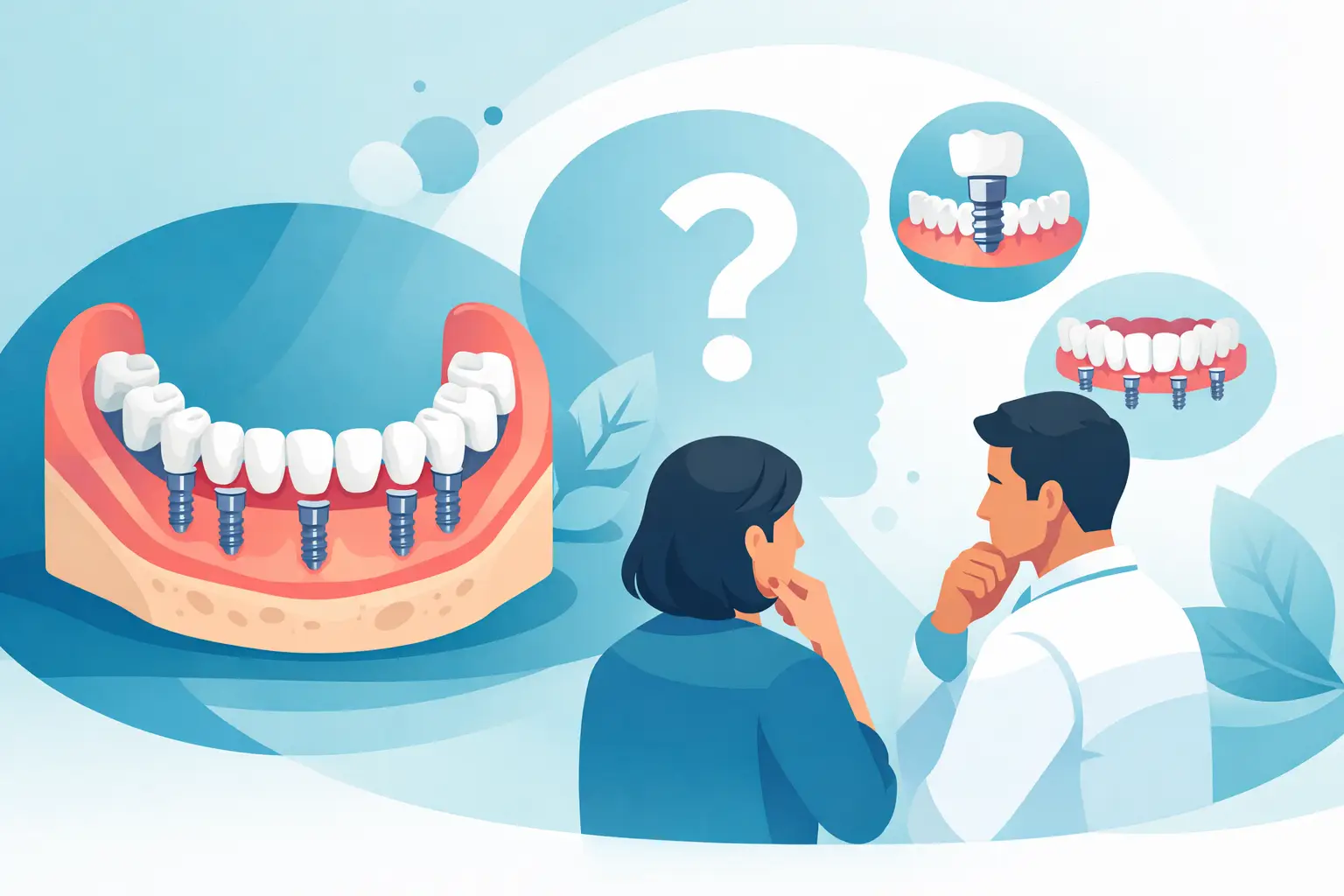
An implant-retained overdenture snaps onto implants but can be removed by you for cleaning. It offers substantially more stability than a conventional denture and may be a practical choice for certain bone, budget, or hygiene needs. Neither option is automatically better. The best choice is the one that matches your anatomy, function goals, and ability to care for it.
The Full Mouth Dental Implants Process
Treatment usually happens in stages, with each stage planned around safe healing and a comfortable experience. Your first visit is not simply about deciding whether you can have implants. It is about understanding what is happening in your mouth and building a plan that feels clear to you.
If damaged teeth need to be removed, extractions may be completed before or during implant placement. In many cases, patients receive a temporary set of teeth on the day of surgery or shortly afterward, so they are not left without a smile during healing. Whether immediate temporary teeth are appropriate depends on implant stability, bone quality, bite forces, and the extent of treatment needed.
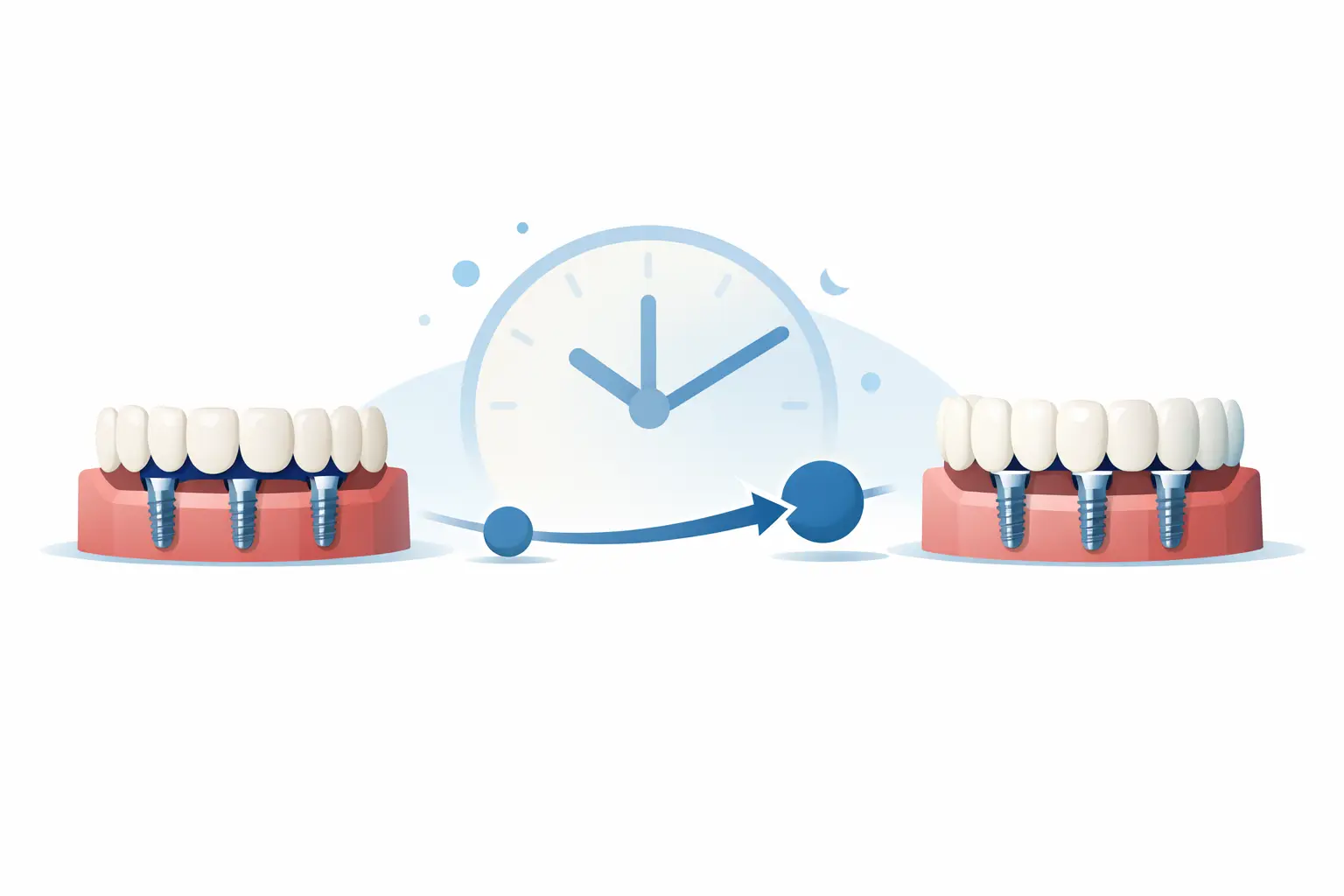
Over the next several months, the implants bond with the jawbone. During this period, you will follow a modified diet and attend check-in appointments so the team can monitor healing. Once the implants are ready, detailed records are used to create your final restoration. The final bridge or denture is designed around your facial features, speech, bite, and preferred tooth shape and shade.
Complex rehabilitation benefits from coordinated care. At Seattle Oral Care, a prosthodontist, oral surgeon, periodontist, and general dentist can contribute their expertise to the same treatment plan. That coordination matters when surgical planning, gum health, bite design, and long-term maintenance all need to work together.
What Recovery Really Feels Like
It is normal to be nervous about implant surgery. Most patients are relieved to learn that comfort is planned for before, during, and after treatment. Sedation options may be available depending on your needs and health history, and the care team will provide clear instructions for medications, food, and oral hygiene.
The first few days commonly involve swelling, tenderness, and fatigue. Many people manage discomfort with prescribed or over-the-counter medication as directed. Soft foods are essential at first, not because your temporary teeth are fragile in every sense, but because the implants need protection while healing beneath the gums.
Recovery is not the same as being unable to live your life. Many patients return to lighter daily activities within a few days, though time away from work varies by the extent of surgery and the physical demands of the job. Planning ahead for meals, transportation, and a little extra rest makes the first week easier.
Benefits, Limits, and Long-Term Care
The greatest benefit of implant-supported teeth is stability. Implants can help preserve jawbone by providing the stimulation that is lost after teeth are removed. They can also restore chewing ability more effectively than conventional dentures for many patients, which broadens food choices and supports daily comfort.
Still, implants are not maintenance-free. The restoration itself cannot get a cavity, but plaque and bacteria can still cause inflammation around implants. Without regular professional care, peri-implant disease can damage the supporting bone and threaten the result.
Your home routine may include a soft toothbrush, specialized floss or threaders, interdental brushes, or a water flosser, depending on the restoration design. Professional cleanings and examinations are equally important. Your dentist will also check the bite, the fit of the bridge, and the health of the surrounding tissues over time.
People who clench or grind their teeth may need a protective nightguard. This is a small but important part of protecting a full-arch restoration from excess force. The goal is not just to create a beautiful smile on delivery day. It is to help that smile remain healthy and functional for years.
Understanding Cost Without Guesswork
The cost of full-arch treatment varies because the treatment itself varies. One patient may need extractions and immediate temporary teeth. Another may need bone grafting, periodontal treatment, sedation, a more complex final bridge, or restoration of both arches. The materials used and the number of implants required also affect the overall investment.
A credible treatment estimate should explain what is included, what may be needed before surgery, and what ongoing maintenance will involve. Be cautious of one-size-fits-all prices that do not account for diagnostics, bone health, temporary restorations, final prosthetic design, or follow-up care. A lower initial figure can become less meaningful if essential steps are excluded.
During a consultation, ask how the proposed restoration is designed, who performs the surgical and restorative phases, what happens if an implant does not heal as expected, and what long-term visits will be needed. Clear answers help you compare options based on value and predictability, not only a headline price.
A Decision That Deserves Time and Trust
Choosing full mouth dental implants is often a decision to stop living around dental limitations. It can be life-changing, but it should never feel rushed. The strongest plans begin with listening: to what you have been through, what you want to change, and what you need to feel comfortable moving forward.
A personal consultation can turn a broad possibility into a practical path, with honest answers about what your smile needs and how to care for it well.