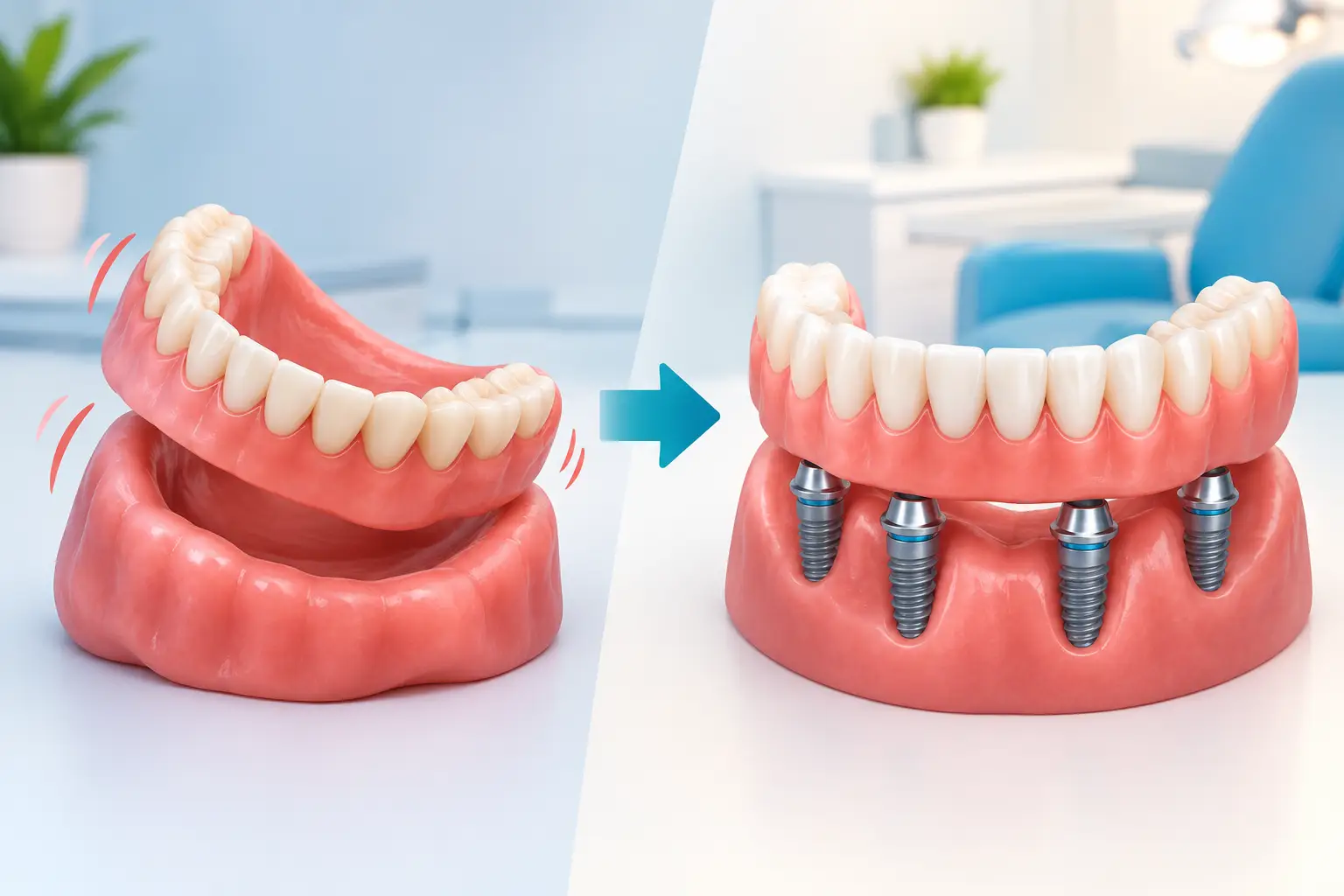
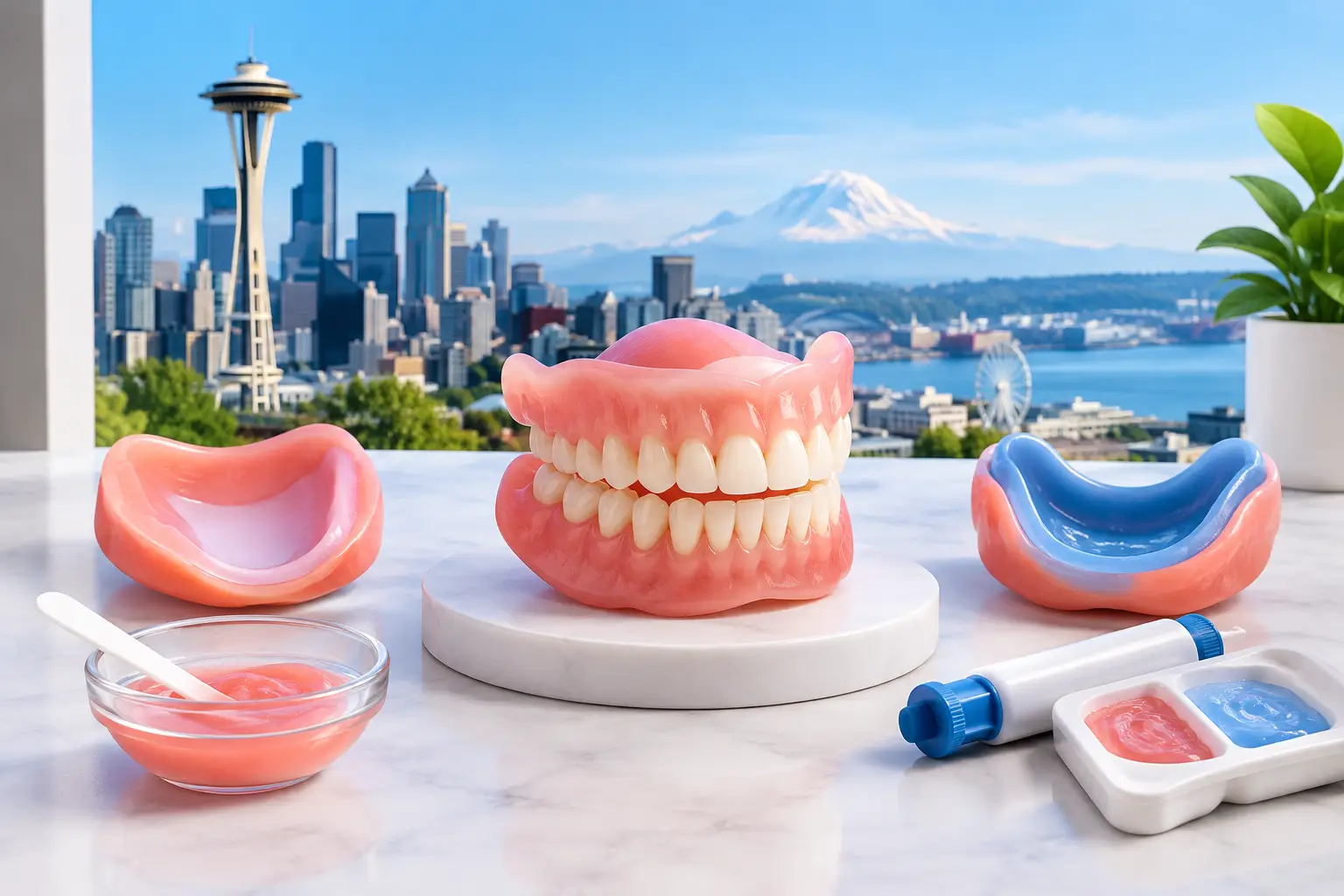
A denture that once felt stable can gradually start to rock, rub, or slip during meals. That change is frustrating, but it is also common. Seattle denture relining options can restore a closer fit by reshaping the surface of your denture that rests against your gums. The right choice depends on the condition of the denture, the health of your mouth, and how much your gums and jawbone have changed since it was made.
A reline is not simply a comfort upgrade. When a removable denture no longer fits properly, it can create sore spots, make eating less enjoyable, affect speech, and place uneven pressure on the gums. A professional evaluation can identify whether a reline is the appropriate answer or whether another treatment would provide a more reliable, lasting result.
Why Dentures Become Loose Over Time
Your denture does not change after it is made, but your mouth does. After teeth are removed, the jawbone naturally remodels because it no longer receives stimulation from tooth roots. Gum tissue can also change with age, weight changes, medical conditions, medications, and healing following extractions.
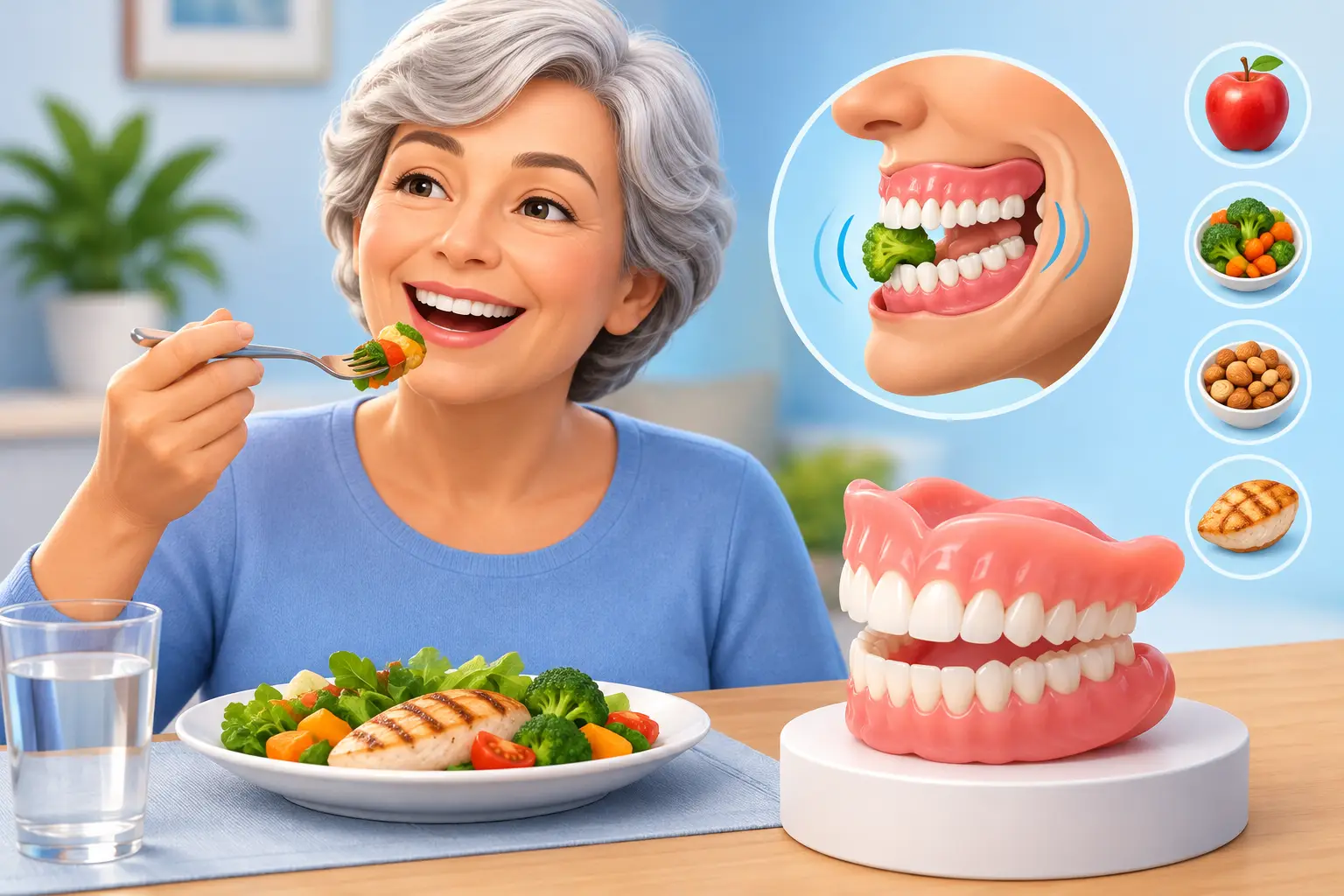
Even a well-made denture may begin to feel different over the years. You may notice that adhesive is becoming a daily necessity, food collects beneath the denture, or you are avoiding certain foods because chewing feels difficult. These are useful signs to bring to your dental appointment rather than problems you should simply tolerate.
A loose denture can also contribute to recurring irritation. Trying to adjust it yourself, adding layers of over-the-counter liner, or using extra adhesive may offer a short-lived workaround, but it can hide the underlying issue and make professional assessment more difficult.
Seattle Denture Relining Options: Which Type Fits?
A denture reline adds material to the inside surface of an existing denture so it matches the current contours of your gums. There are several approaches, and each serves a different need.
Hard denture reline
A hard reline uses durable acrylic resin, similar to the material used in many traditional dentures. It is commonly recommended when the gums are healthy and stable but the denture has loosened as the ridge beneath it has changed.
The dentist takes an impression inside your existing denture, and a dental laboratory adjusts the fitting surface to create a more precise adaptation. Because the work is often completed by a lab, you may need to be without the denture for a short period. In some circumstances, a same-day chairside hard reline may be possible, though a laboratory reline is often preferred for precision and durability.
Hard relines are typically a good long-term option for patients who want to improve retention without replacing a denture that is otherwise in good condition. They are not ideal when gums are sore, thin, or still changing after recent extractions.
Soft denture reline
A soft reline uses a flexible, cushion-like material instead of hard acrylic. It can be especially helpful for people with tender gums, prominent bony areas, chronic soreness, or a jaw ridge that has significantly resorbed.
The softer material reduces pressure in sensitive areas and may make wearing a lower denture more comfortable. For patients who have struggled with discomfort despite several adjustments, this can be a meaningful improvement.
There is a trade-off. Soft liners generally require more careful cleaning and may need replacement sooner than a hard reline because the material can wear, stain, or become less resilient over time. A soft reline is valuable when comfort is the priority, but it still requires regular follow-up care.
Temporary or tissue-conditioning reline
A temporary reline, sometimes called a tissue conditioner, is designed for healing rather than long-term wear. It may be recommended after extractions, when gums are inflamed, or when a denture has caused sore spots that need time to recover.
This material is gentle and adaptable, allowing the denture to be worn with less pressure while tissues settle. It is not a permanent solution. Once your gums are healthier and more stable, the denture may be relined permanently or replaced based on your needs.
Temporary liners can be particularly useful during the transition to a final denture. They allow your care team to protect healing tissues instead of rushing into a permanent fit before your mouth is ready.
When a Reline May Not Be the Best Answer
A reline can improve fit, but it cannot correct every denture problem. If the teeth on the denture are severely worn, the base is cracked, the bite no longer meets properly, or the denture was never comfortable, relining the inside may not solve the larger issue.
A denture rebase may be considered when the denture teeth remain in good shape but the acrylic base needs to be replaced. This creates a new base while preserving the existing denture teeth. If both the base and teeth are worn or outdated, a new denture may be the wiser investment.
Your dentist will also evaluate the way your upper and lower teeth meet. Changes in bite can affect chewing, facial support, and comfort. A denture that fits snugly against the gums but has an uneven bite can still cause soreness or instability.
Could Implant Support Offer More Stability?
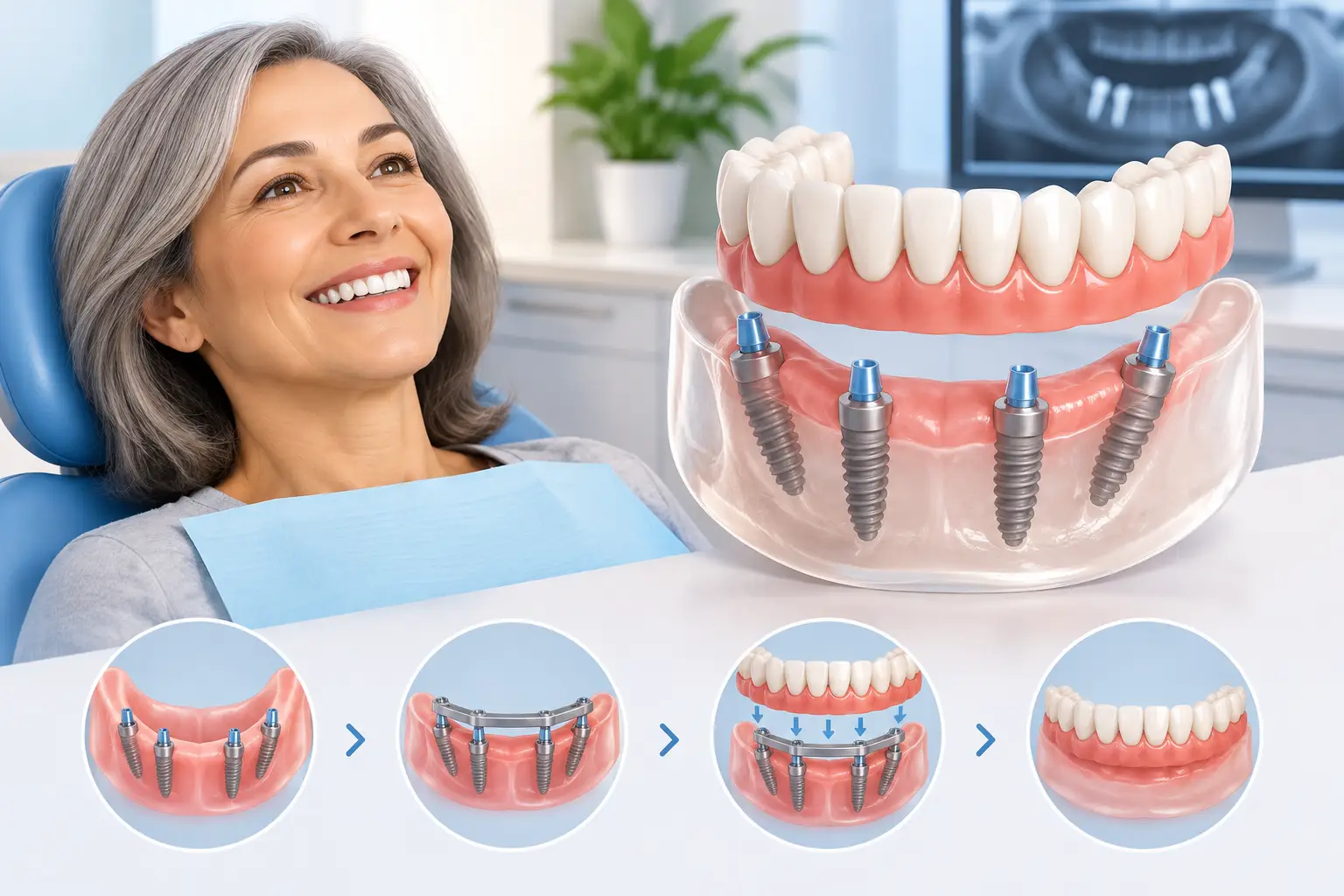
For many people, especially those with a loose lower denture, dental implants can provide a more secure alternative to relying on suction or adhesive alone. Implants are placed in the jawbone and can support a removable overdenture or a fixed full-arch restoration, depending on your oral health and treatment goals.
An implant-supported denture may snap into place on attachments, helping reduce movement during meals and conversations. It can also help preserve bone by providing stimulation that a traditional denture cannot. However, implants involve a surgical procedure, healing time, and a greater upfront investment than a reline.
A reline may still be useful with an existing implant-supported denture if the gum contours have changed. The key is ensuring the denture, attachment system, implants, and bite are assessed together. Coordinated care from restorative and surgical professionals can make a significant difference for complex cases.
What to Expect at a Denture Evaluation
A thoughtful denture visit begins with listening. You should have time to describe where the denture moves, when soreness occurs, what foods you avoid, and whether you have noticed changes in speech or appearance. Those details help guide the examination.
Your dentist will inspect the denture for cracks, wear, and surface damage, then examine the gums, jaw ridge, bite, and supporting structures. X-rays may be recommended if there are concerns about bone levels, retained roots, infection, or implant health.
If a reline is appropriate, the team will explain whether a hard, soft, or temporary material fits your situation and how long you may be without the denture. If replacement or implant support would offer better function, you should receive a clear explanation of why, along with a plan that respects your comfort, timeline, and budget.
At Seattle Oral Care, patients can benefit from a team that includes restorative, general, surgical, and periodontal expertise when denture concerns are connected to broader oral health needs. That coordination matters when a simple fit issue turns out to involve healing tissues, bite changes, bone loss, or implant planning.
Caring for a Relined Denture
A relined denture still needs daily attention. Remove it at night unless your dentist gives different instructions, clean it with a denture brush and nonabrasive cleanser, and keep it in water or an approved soaking solution when it is out of your mouth. Hot water can warp acrylic, and household cleaners can damage denture materials.
Clean your gums, tongue, and any remaining natural teeth every day as well. A denture may replace teeth, but it does not replace the need for routine oral examinations. Regular visits allow your dentist to check for irritation, oral health changes, and early signs that another adjustment may be needed.
If your denture suddenly feels painful, cracks, loosens dramatically, or causes a sore that does not improve, schedule an appointment rather than attempting a home repair. A careful assessment now can protect your comfort and help your denture serve you well for years to come.