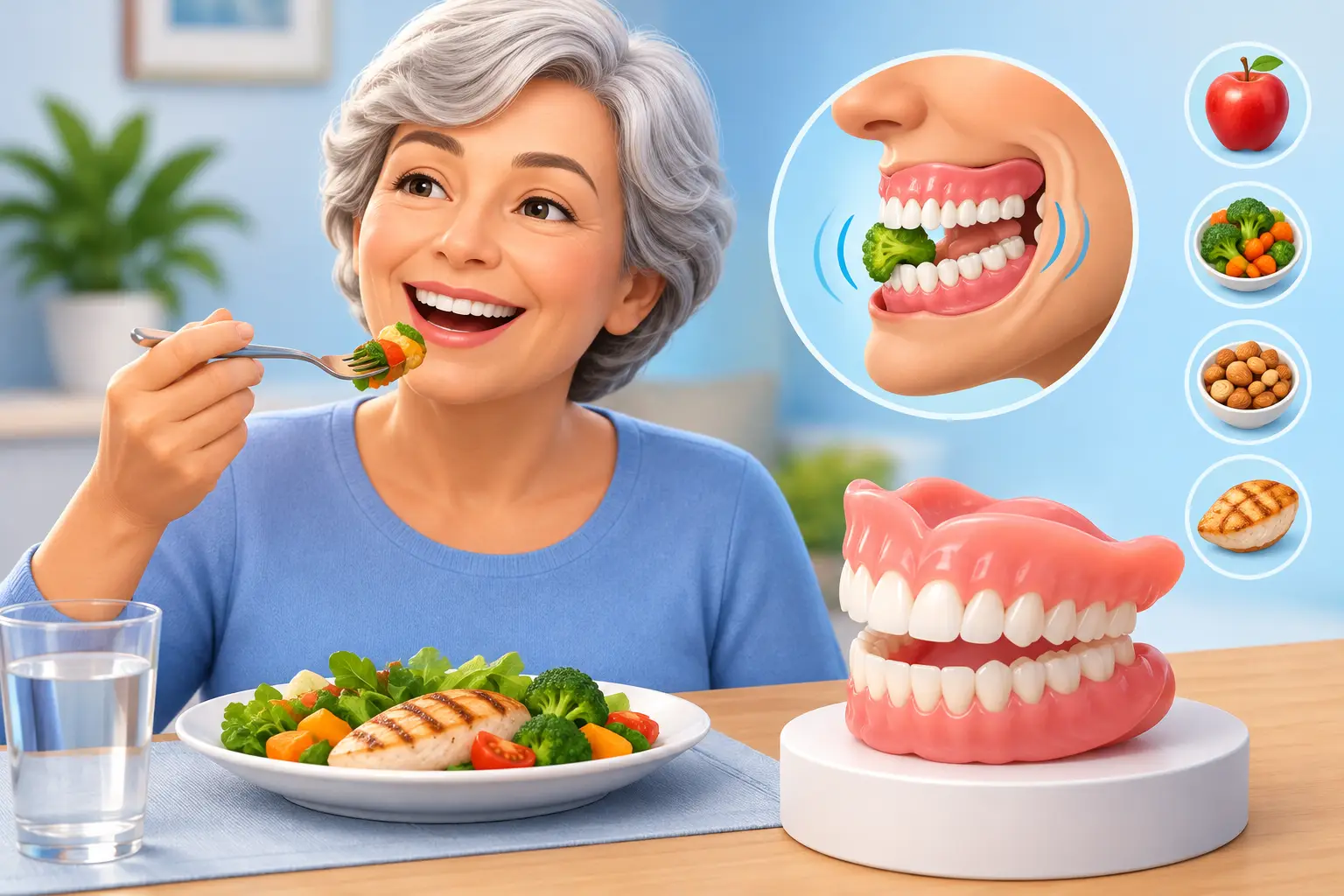
A meal should not require strategy. But when teeth are missing, many people start avoiding foods they once enjoyed: crisp apples, steak, salad, nuts, even a sandwich with a firm crust. If you are wondering, can dentures improve chewing, the answer is usually yes. The degree of improvement depends on the number of missing teeth, the condition of your gums and jawbone, the fit of the denture, and whether implants are part of your treatment plan.
Dentures can restore the ability to break food into smaller, more manageable pieces. They can also help support facial muscles, improve speech, and make eating in public feel less stressful. Still, it is helpful to have realistic expectations. Even well-made dentures do not feel exactly like natural teeth, and the right solution is different for every patient.
Can Dentures Improve Chewing After Tooth Loss?
Yes. Replacing missing teeth generally improves chewing compared with leaving gaps in your smile. A partial denture can replace several missing teeth while working alongside healthy remaining teeth. A complete denture replaces all teeth in an upper or lower arch. In both cases, the goal is to restore a stable biting surface so food can be chewed more effectively.
Without enough teeth to chew properly, people often compensate by using one side of the mouth, swallowing food before it is fully broken down, or relying on softer processed foods. Over time, this can make meals less enjoyable and may place extra pressure on the remaining teeth or jaw joints.
Dentures can make a meaningful difference, particularly when they are carefully designed around your bite, facial shape, gum contours, and the way your upper and lower teeth come together. A denture that looks natural but does not meet evenly during chewing may still feel frustrating. Comfort and function must be planned together.
Why Denture Fit Makes Such a Difference
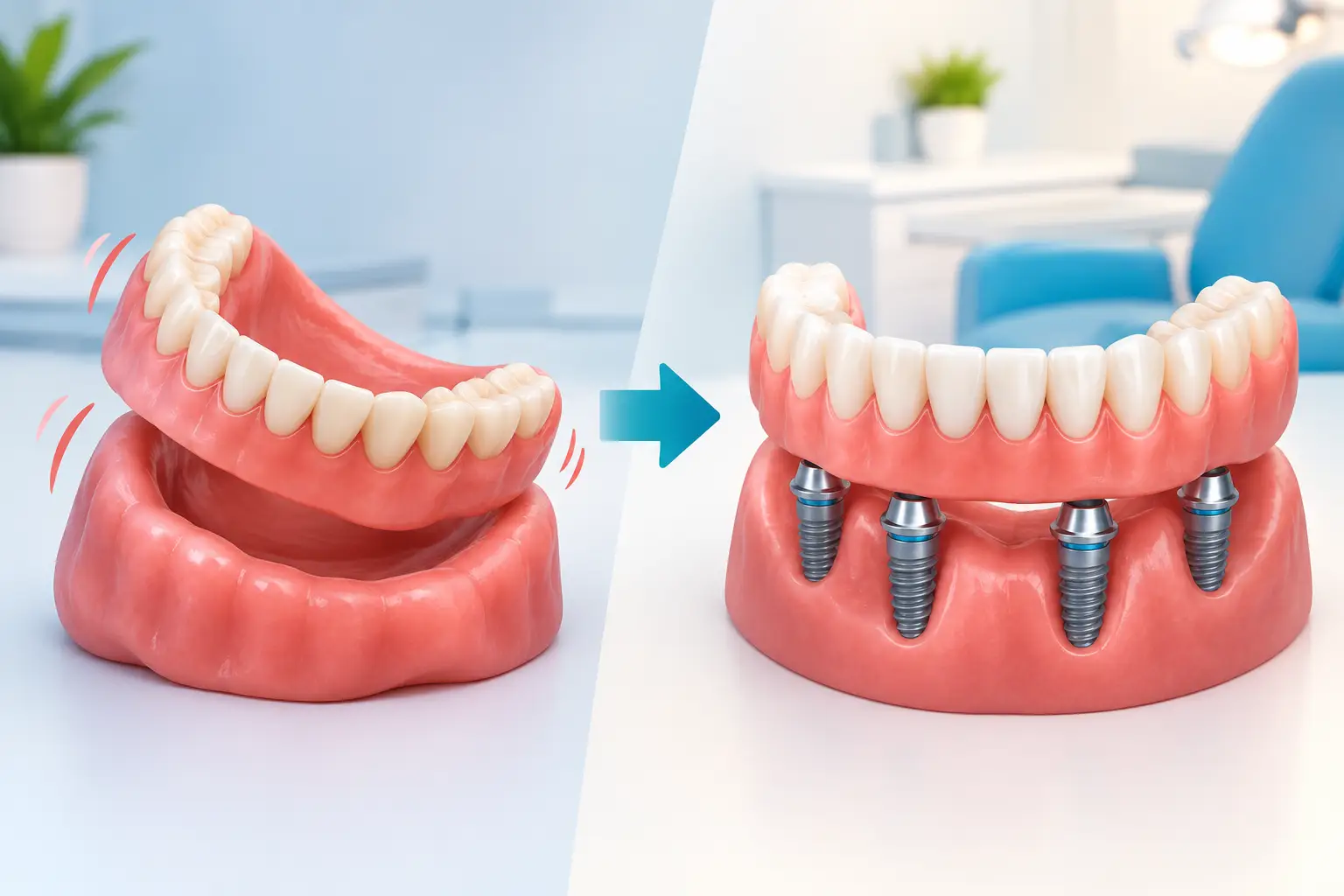
A loose denture can move when you chew, creating sore spots and making it hard to bite with confidence. Many people assume this is simply part of wearing dentures. It should not be dismissed as something you just have to live with.
Your mouth changes over time after teeth are lost. The jawbone beneath the gums gradually remodels, which can alter the fit of a denture. Weight changes, dry mouth, certain medications, and changes in gum tissue can also affect how secure a denture feels. A denture that fit well a few years ago may need an adjustment, reline, or replacement.
When a denture is stable, chewing is more efficient and more comfortable. It is also easier to speak clearly and smile without worrying that the denture will shift. Regular follow-up visits allow your dental team to check the fit before irritation turns into a larger problem.
Complete Dentures and Chewing Expectations
Traditional complete dentures rest on the gums. Upper dentures often gain some natural retention from the palate and the shape of the upper jaw. Lower dentures are typically more challenging because the tongue, cheeks, and a smaller supporting surface can move against the appliance.
A well-crafted conventional denture can help you eat a broad range of foods, especially once you have adapted to it. However, it may not provide the same biting force or stability as natural teeth. Sticky foods, hard crusts, tough meats, and foods that require biting with the front teeth can be more difficult.
Learning to chew with complete dentures takes practice. Starting with softer foods, taking smaller bites, and chewing slowly on both sides at once can help keep the denture balanced. This adjustment period is normal, but persistent pain, slipping, or clicking deserves professional attention.
Partial Dentures Can Protect What Remains
For patients who still have healthy teeth, a removable partial denture can fill in spaces and help distribute chewing forces more evenly. This may reduce the tendency to overload one side of the mouth or place excessive force on the remaining teeth.
The design matters. A partial denture should be planned to support function without trapping food, irritating the gums, or putting unnecessary pressure on the natural teeth that support it. In some situations, a fixed bridge or implant-supported restoration may be a better long-term choice. The best option depends on your oral health, bone support, budget, and goals for comfort and durability.
Implant-Supported Dentures May Offer More Stability
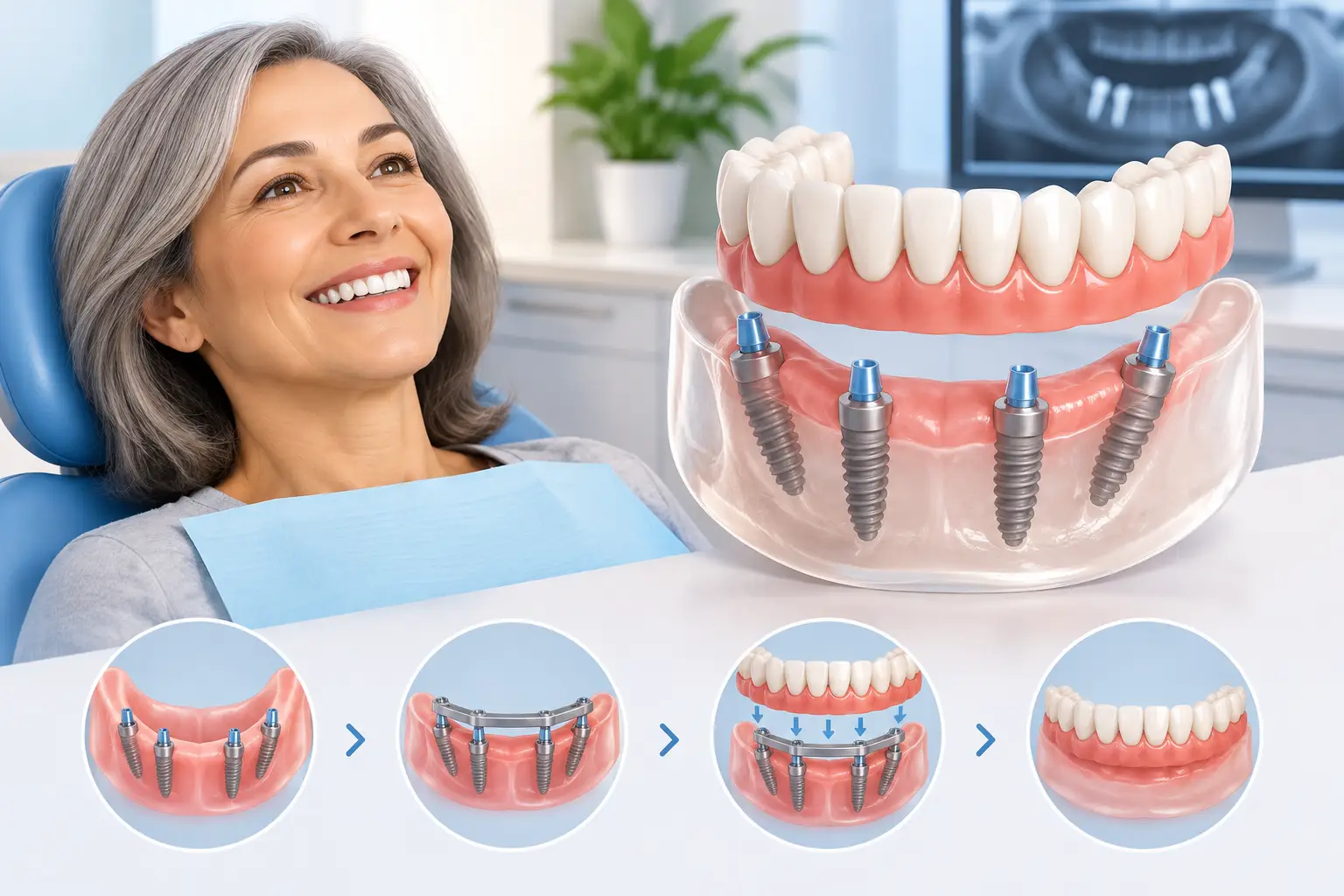
For people who are tired of loose dentures, implants can be a significant improvement. Dental implants are small posts placed in the jawbone to support replacement teeth. They do not move like removable dentures resting only on the gums, which can make chewing feel more secure.
Implants can support a removable overdenture that snaps into place or a fixed full-arch restoration that is only removed by a dental professional. The number of implants needed varies based on the jaw, bone quality, desired restoration, and overall health. There is no one-size-fits-all implant plan.
The practical benefit is stability. Patients with implant-supported dentures are often able to manage a wider variety of foods with less movement and less concern about the denture lifting or rocking. Because implants transfer some chewing force to the jawbone, they may also help preserve bone better than a conventional denture alone.
Implant treatment does involve surgery, healing time, and a higher initial investment. Some patients need bone grafting or treatment for gum disease before implants can be placed. For others, a conventional denture remains an appropriate and effective choice. A thorough examination and imaging are the right place to start, not a promise based on a generic treatment plan.
How to Make Chewing Easier With Dentures
New dentures need an adjustment period, even when they are made with great care. Your cheek muscles, tongue, and bite patterns have to learn a new way of working. Give yourself time, and do not judge the result by the first meal.
In the first few weeks, choose foods that are easy to control, such as cooked vegetables, fish, eggs, yogurt, soups, ground meats, and soft fruits. Cut food into small pieces rather than biting directly into it. As your confidence grows, gradually add more texture.
It also helps to chew on both sides of your mouth at the same time. This distributes pressure more evenly and can reduce tipping. Be cautious with sticky caramels, tough jerky, hard nuts, popcorn kernels, and foods with small seeds that can become trapped under a denture.
Cleaning is part of function, too. Food debris and plaque can irritate the gums, create odor, and affect how a denture sits. Remove and clean removable dentures daily using products recommended by your dental team. Clean your gums, tongue, and any remaining natural teeth as well. If you wear an implant-supported denture, keeping the attachment areas clean is especially important for protecting the tissues around the implants.
When Dentures Are Not Chewing Comfortably
Do not wait for a routine appointment if your denture suddenly feels loose, causes sores, cracks, or makes it difficult to eat. Pain is not a sign that you need to toughen up. It is a reason to have the fit and bite evaluated.
A dentist may recommend a minor adjustment, a reline to reshape the underside of the denture, repairs, or a new appliance if the existing denture is worn or no longer fits your mouth. If lower denture movement is the main concern, discussing implant support may be worthwhile.
At Seattle Oral Care, treatment planning considers more than replacing visible teeth. A coordinated team can assess your gums, bite, bone levels, remaining teeth, and long-term goals before recommending a conventional denture, partial denture, implant-supported option, or another restoration.
You deserve to enjoy food without planning around every bite. A thoughtful evaluation can identify what is limiting your chewing now and create a path toward a more comfortable, confident meal.