A dental implant needs more than an open space where a tooth used to be. It needs healthy bone that can hold the implant securely, much like a fence post needs stable ground. If you are asking, do I need a bone graft before implants , the honest answer is: possibly, but not automatically. Many patients are candidates for implants without grafting, while others benefit from rebuilding bone first to support a more predictable, long-lasting result.
The only reliable way to know is through a thorough exam and three-dimensional imaging. A missing tooth may look straightforward from the surface, but the condition of the bone beneath the gums tells the real story.
Why bone matters for dental implants
A dental implant is a small titanium post placed in the jawbone to replace a missing tooth root. Over time, the surrounding bone heals around the implant in a process called osseointegration. This connection gives an implant-supported crown, bridge, or denture the stability needed for chewing, speaking, and smiling with confidence.
For that connection to develop well, there must be enough bone in the right location. Your care team evaluates both bone height and bone width, as well as the quality and density of the available bone. An implant placed in bone that is too thin, too short, or weakened by disease may not have the support needed for an ideal outcome.
Bone grafting is not a sign that something has gone wrong. It is a common preparatory procedure used to create a stronger foundation when your natural bone is not sufficient for implant placement.
When might I need a bone graft before implants?
Bone loss often begins after a tooth is removed. The jaw no longer receives the stimulation that came from chewing through that tooth root, so the bone in that area can gradually shrink. This change can happen within the first year after an extraction and may continue over time.
You may be more likely to need a graft if you have been missing a tooth for several years, had gum disease, experienced a dental infection, or lost bone because of an injury. Some people also naturally have less bone in certain areas of the jaw. Upper back teeth can be especially complex because of the nearby sinus cavity, while lower back teeth require careful planning around nerves.
A graft may also be recommended when an extraction site has a damaged or thin bone wall. In some cases, placing grafting material at the time a tooth is removed helps preserve the shape of the jaw for a future implant. This is often called socket preservation.
Still, tooth loss does not always mean bone grafting is necessary. A recently extracted tooth with healthy surrounding bone may be suitable for immediate implant placement or implant placement after a shorter healing period. Every case depends on anatomy, oral health, and the final restoration being planned.
How your dentist determines whether grafting is needed
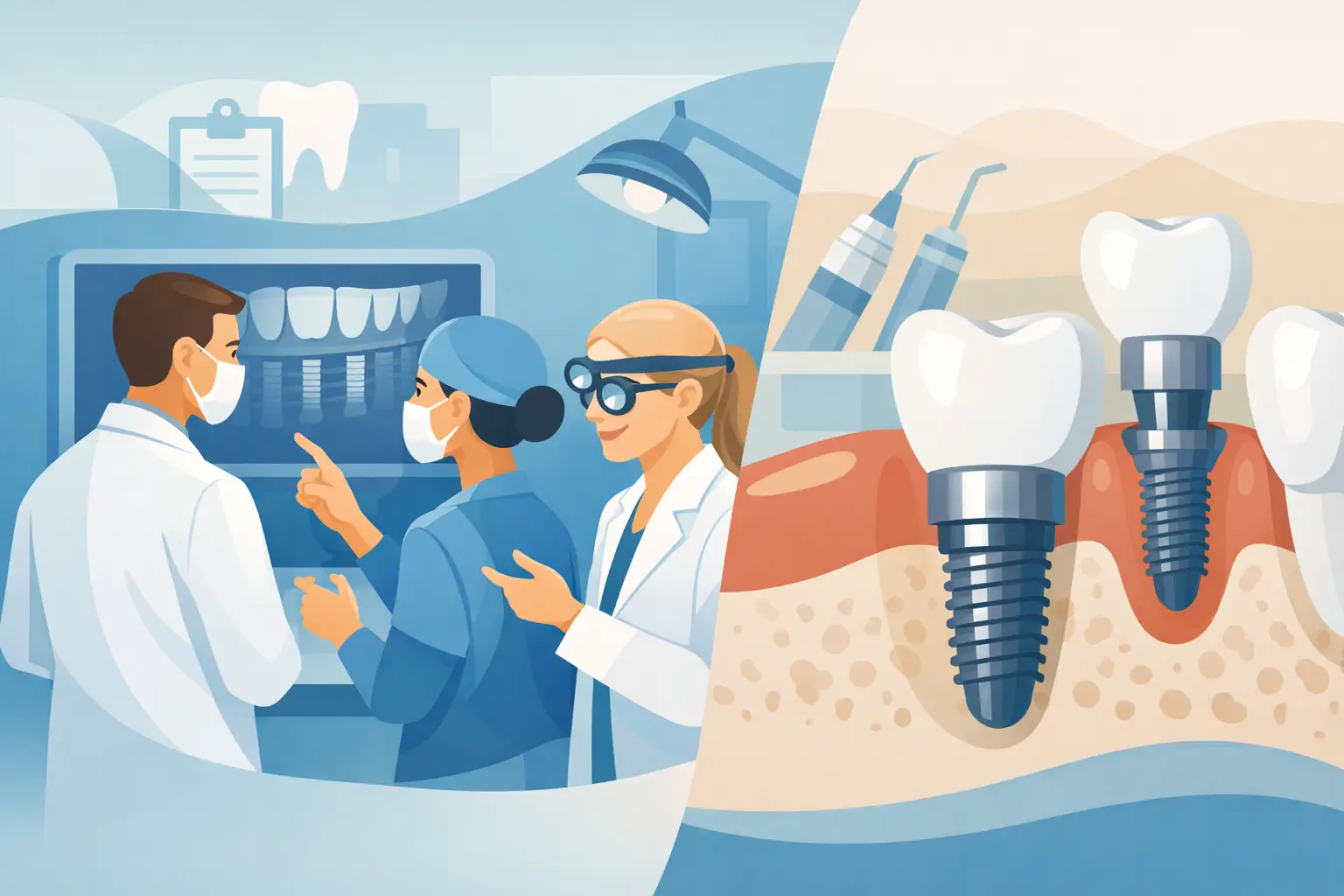
A routine dental X-ray provides useful information, but implant planning usually requires more detail. A cone beam CT scan creates a three-dimensional view of your jaw. It allows the team to measure the available bone precisely and assess important structures, including the sinus and nerves.
Your evaluation should also include an assessment of your gums, bite, existing teeth, and overall health history. Gum disease must be controlled before implants are placed, because ongoing inflammation can affect the tissues that support an implant. If you clench or grind your teeth, your treatment plan may include a protective nightguard after restoration.
Just as importantly, your dentist considers the end result first. The goal is not simply to place an implant. It is to create a replacement tooth that looks natural, functions comfortably, and is designed for long-term maintenance. That restorative-first planning can influence the ideal implant position and whether additional bone is needed to support it.
What does a bone graft involve?
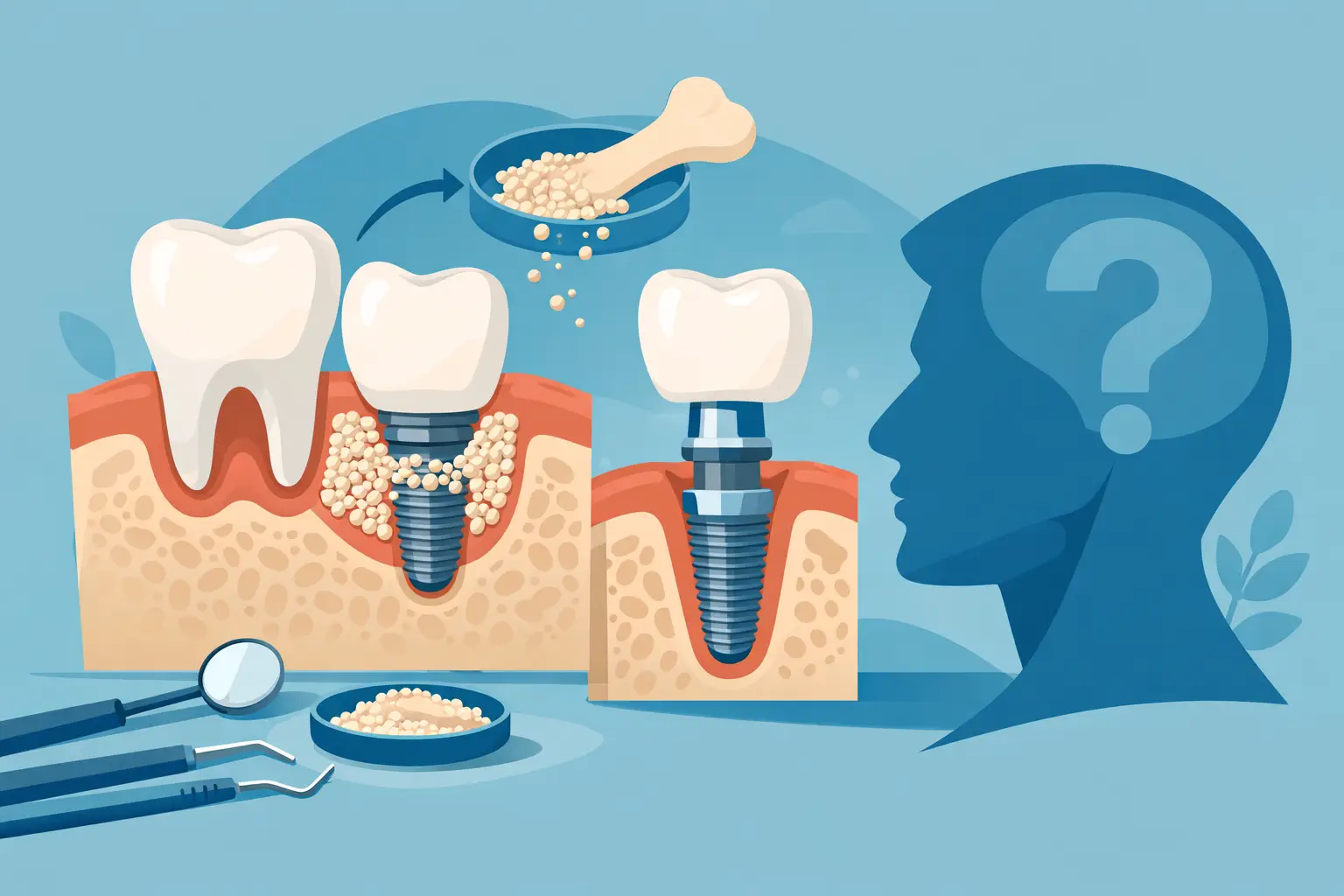
A bone graft adds material to an area where bone has been lost or where additional support is needed. The material may come from your own bone, a donor source, an animal-derived source processed for medical use, or a synthetic material. Your dentist will explain the recommended option and why it fits your treatment plan.
During the procedure, the grafting material is placed in the prepared area and may be covered with a protective membrane. Over the following months, your body gradually incorporates the graft as new bone develops. The purpose is not to create an artificial jawbone, but to guide and support your body’s natural healing process.
For a small graft, treatment can often be completed with local anesthetic and gentle surgical care. Sedation may be an option for patients who feel anxious or are having a more extensive procedure. Some tenderness, swelling, and minor bruising are normal during early healing, but your team will provide clear instructions and remain available if questions arise.
Will grafting delay my implant treatment?
It can, but the timeline varies widely. Some grafts are completed at the same time as a tooth extraction, and the site may heal for several months before the implant is placed. In other situations, a small graft can be performed at the same time as implant placement. More significant rebuilding may require additional healing before the implant is placed.
Waiting can feel frustrating when you are eager to replace a missing tooth. Yet placing an implant before the foundation is ready can create a larger problem later. A carefully planned treatment timeline is usually the most efficient path toward a stable result.
Your dentist can discuss temporary options while you heal, such as a removable tooth replacement or a temporary bridge. The right choice depends on the location of the missing tooth, your bite, appearance goals, and the health of nearby teeth.
Are there alternatives to bone grafting?
Sometimes. If there is enough bone in a different position, a dentist may be able to use a shorter or narrower implant, or adjust implant placement within safe limits. For some patients, an implant-supported bridge can replace multiple missing teeth with fewer implants. Full-arch treatment may also have different planning options than replacing a single tooth.
However, an alternative should be chosen because it is clinically appropriate, not simply because it seems faster. A treatment plan that compromises implant position, appearance, cleanability, or long-term support may not be the best value over time.
In certain cases, a traditional bridge or removable partial denture may be a better choice than implant treatment, especially when health conditions, anatomy, budget, or personal preferences make surgery less suitable. A good consultation gives you room to understand those trade-offs without pressure.
Questions worth asking at your implant consultation
You deserve clear answers before moving forward with implant care. Ask whether grafting is needed for bone height, width, or both. Ask whether it can be done at the time of extraction or implant placement, how long healing may take, and what temporary tooth options are available.
It is also reasonable to ask who will perform each part of your care. Complex implant treatment benefits from coordinated planning among restorative and surgical professionals. At Seattle Oral Care, patients can receive coordinated care from a prosthodontist, oral surgeon, periodontist, and general dentist, allowing the plan to be built around the whole smile rather than a single procedure.
A stronger foundation is worth planning for
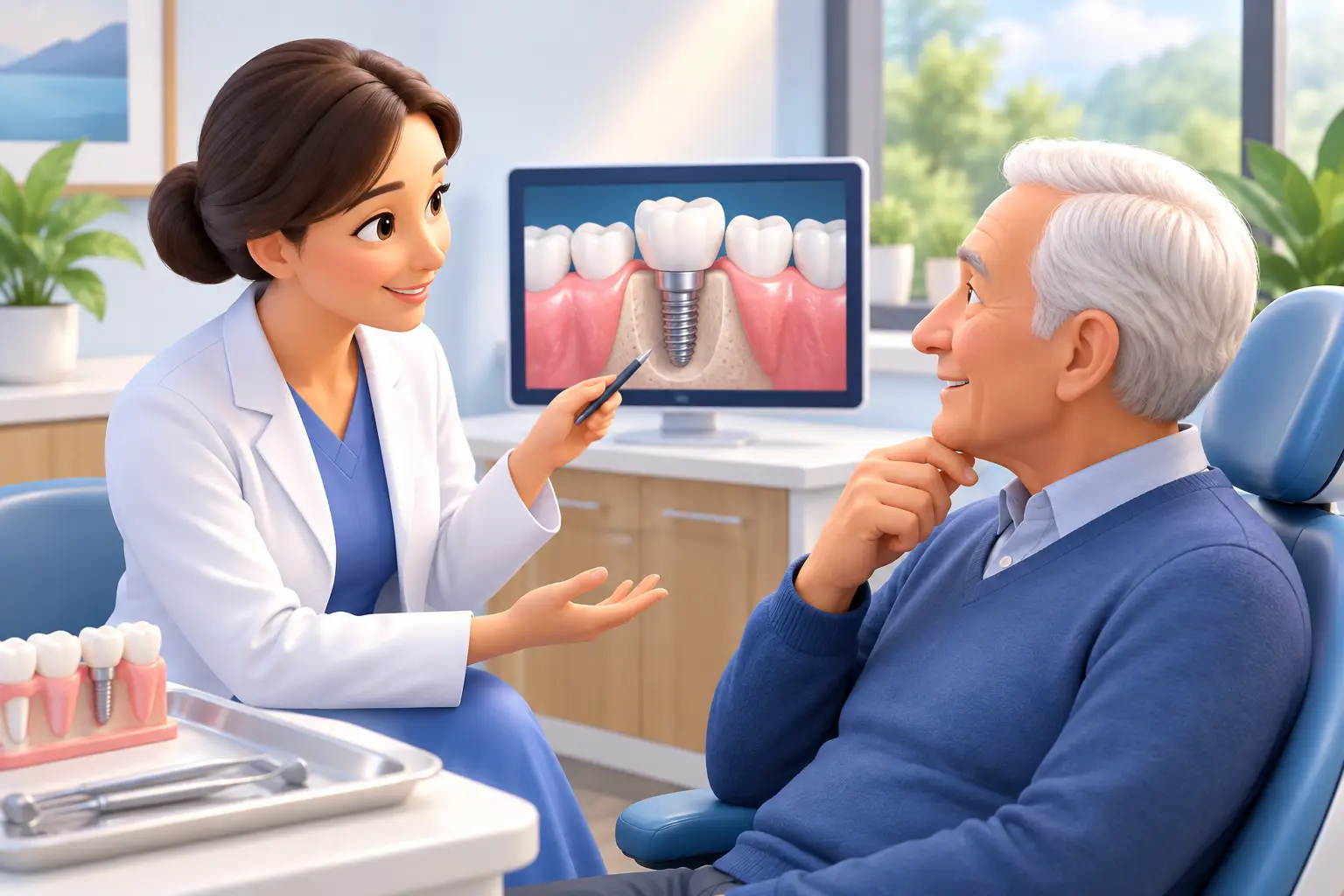
The need for a bone graft is not something you can determine by looking in the mirror, and it should never be assumed without proper imaging and examination. Whether you need a small socket-preservation graft, more extensive bone rebuilding, or no graft at all, the goal is the same: giving your replacement tooth the healthy support it needs.
A thoughtful implant consultation can replace uncertainty with a clear plan, a realistic timeline, and the reassurance that each step is being taken for your comfort and long-term smile.