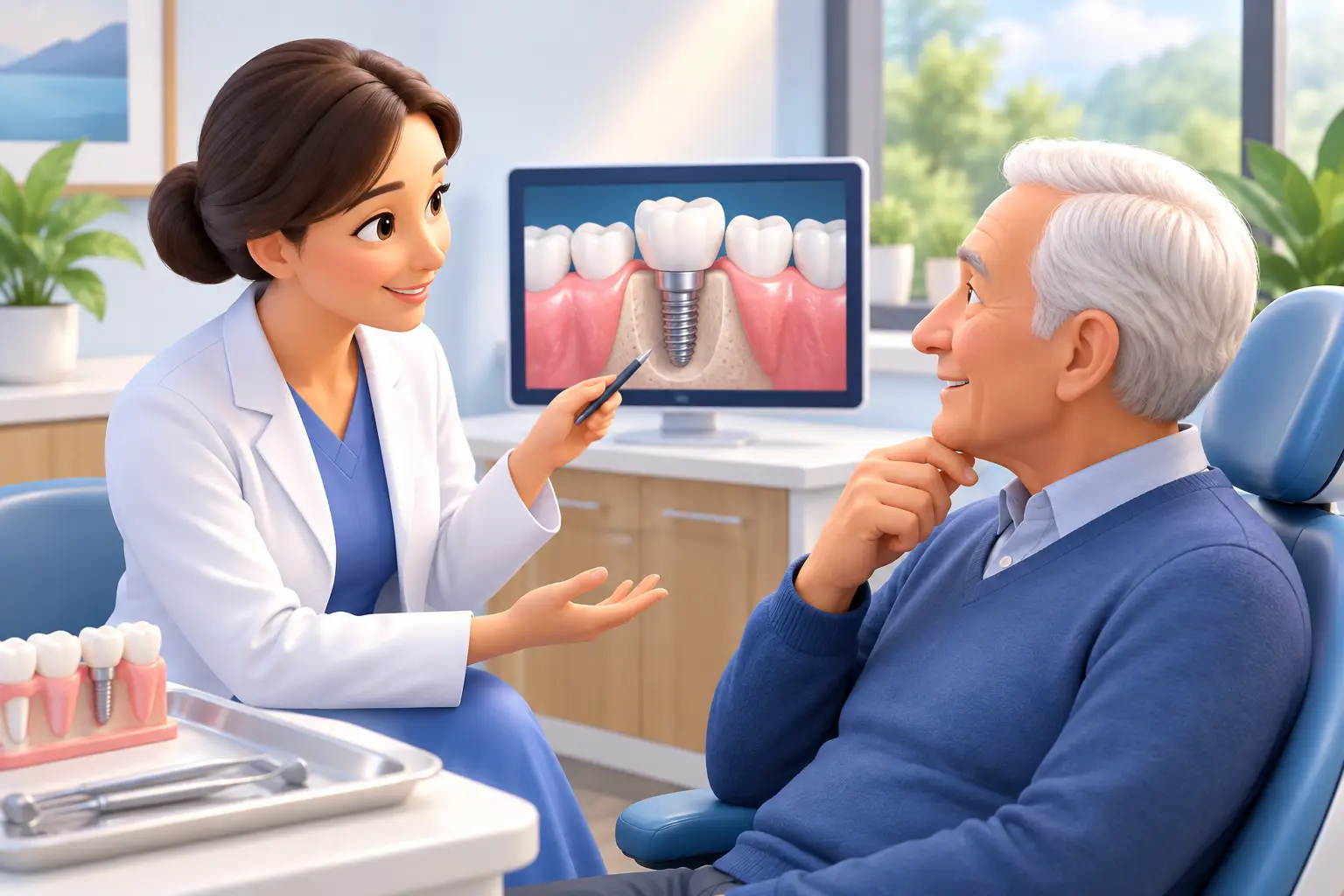
For patients researching zygomatic dental implants, zygomatic implants vs bone graft, who is a candidate for zygomatic implants, and zygomatic implant recovery, the central concern is often simple: Can I receive stable new teeth without spending months in repeated grafting procedures? For some people with severe upper-jaw bone loss, zygomatic implants can create a path forward. They are not the right answer for everyone, but they can be life-changing when planned by an experienced surgical and restorative team.
What Makes Zygomatic Dental Implants Different?
Traditional dental implants are placed into the jawbone. When the upper jaw has lost a substantial amount of bone, there may not be enough healthy bone to support them securely. This can happen after long-term tooth loss, advanced periodontal disease, infection, trauma, or years of wearing dentures.
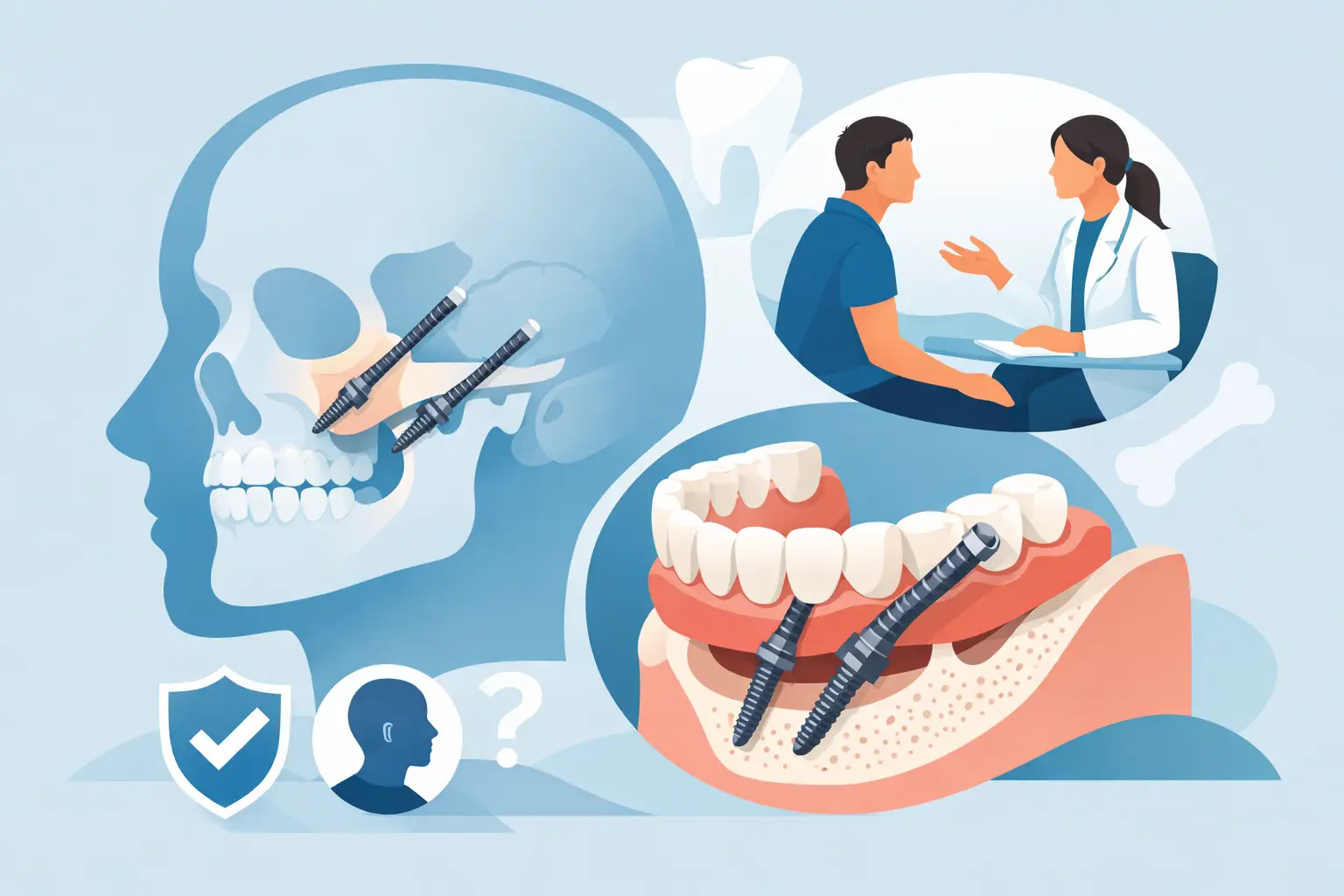
Zygomatic dental implants are longer implants designed to anchor in the zygomatic bone, commonly called the cheekbone. The cheekbone is typically denser and less affected by the bone loss that occurs in the upper jaw. This allows a surgeon to establish support for a fixed full-arch restoration even when conventional implant placement is difficult or not possible.
These implants are most often used for full upper-arch reconstruction rather than to replace one missing tooth. Depending on the anatomy and treatment plan, they may be combined with conventional implants placed in areas of the upper jaw that still have adequate bone. The final restoration may be a fixed bridge designed to restore chewing, speech, facial support, and confidence.
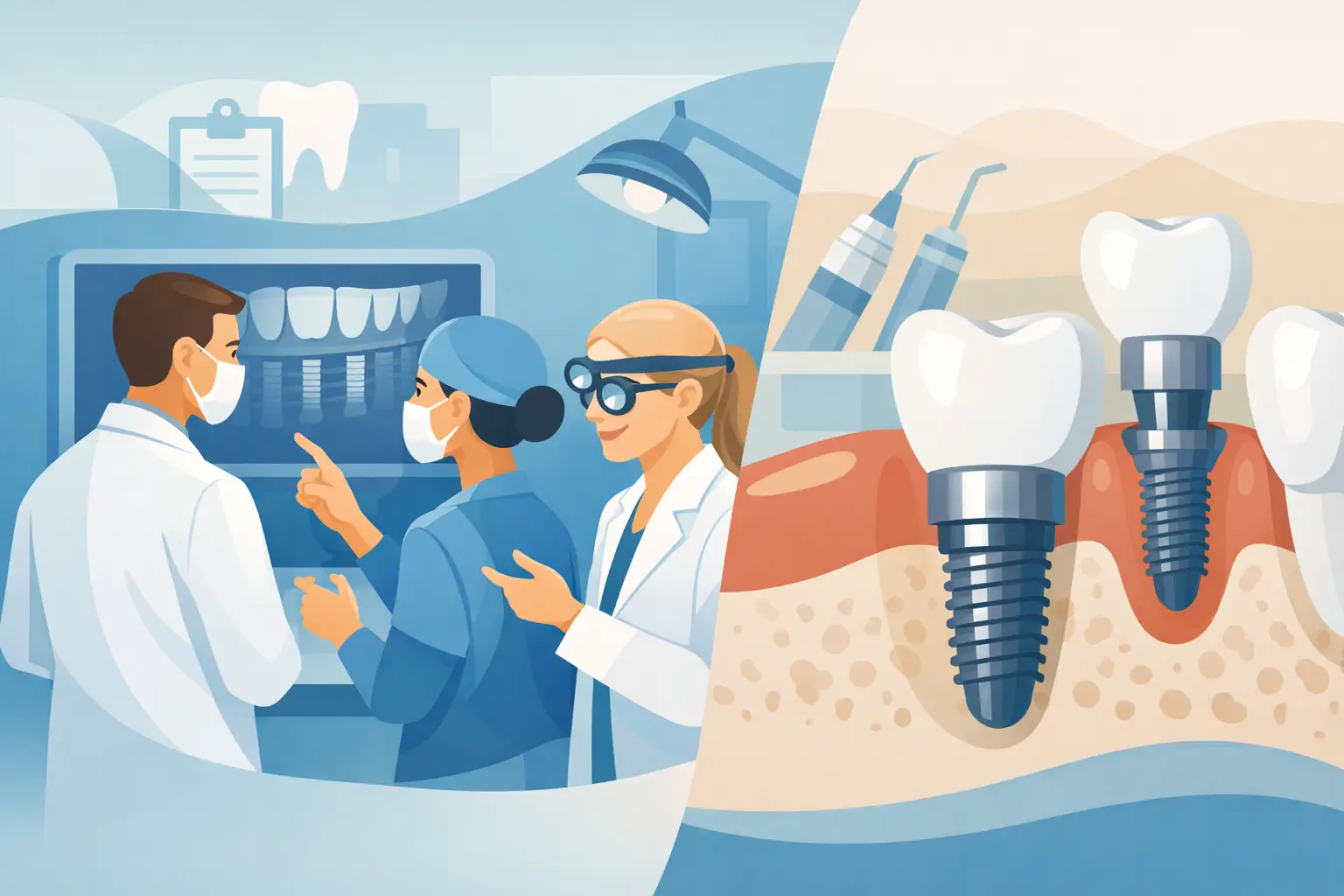
Because treatment involves the upper jaw, sinuses, facial anatomy, surgery, and final prosthetic design, it requires careful coordination. A 3D scan, detailed health review, and prosthetic plan should come before any decision about surgery.
Zygomatic Implants vs Bone Graft: The Meaningful Trade-Offs
Bone grafting can be an excellent and predictable solution for many patients. A graft adds or rebuilds bone so traditional implants can be placed in the jaw. The drawback is timing: significant grafting often needs time to heal before implants can be placed, and implants then need time to integrate before the final teeth are made. In some cases, that means a longer treatment timeline and more than one surgical phase.
Zygomatic implants may reduce or eliminate the need for extensive upper-jaw grafting. For the right patient, this can shorten the path to fixed teeth. Some patients can receive a temporary fixed restoration soon after surgery, although immediate teeth are never automatic. Stability at surgery, bite forces, tissue health, and the complexity of the case all matter.
That benefit comes with a real trade-off. Zygomatic implant surgery is more technically demanding than routine implant placement. The implants travel through a more complex area of the face, often near the sinus. It should be performed by a clinician with specific training and experience in complex implant surgery, using advanced imaging and a restorative plan that accounts for long-term cleaning and maintenance.
A bone graft may still be the better choice if there is enough remaining bone, if the amount of reconstruction is manageable, or if a patient’s anatomy makes zygomatic placement less favorable. In other cases, a combination approach is appropriate. The question is not which treatment is better in general. It is which approach offers the safest, most durable result for your anatomy, health, and goals.
Who Is a Candidate for Zygomatic Implants?
A candidate for zygomatic implants typically has severe bone loss in the upper jaw and needs extensive tooth replacement. Many have been told they do not have enough bone for standard implants, have loose or uncomfortable upper dentures, or have already experienced unsuccessful grafting or implant treatment.
Candidacy depends on far more than an X-ray. Your care team will consider the condition of your gums, remaining teeth, sinus anatomy, facial bone structure, bite relationship, and overall medical history. Conditions such as uncontrolled diabetes, active gum disease, heavy tobacco use, untreated sleep apnea, certain immune disorders, or medications that affect bone healing can change surgical risk and timing. They do not always rule treatment out, but they need thoughtful management.
Good candidates also understand the commitment after surgery. A fixed restoration may feel closer to natural teeth than a removable denture, but it still needs daily cleaning and regular professional maintenance. Patients must be able to follow instructions, attend follow-up visits, and protect the restoration from excessive grinding or clenching when necessary.
At Seattle Oral Care, complex treatment planning can bring together a prosthodontist, oral surgeon, periodontist, and general dentist. That coordinated approach matters because successful treatment is not only about placing implants. It is also about designing teeth that fit your face, support a healthy bite, and remain cleanable for years to come.
What Happens During Planning and Surgery?
The planning stage should feel thorough, not rushed. A consultation generally includes a health history, examination of the mouth and bite, photographs, digital scans, and cone-beam 3D imaging. These records help the team assess bone volume, sinus position, nerve pathways, and the ideal position of the final teeth.
The team then determines whether zygomatic implants, grafting with conventional implants, or another restorative option makes the most sense. If teeth need to be removed, that timing is also coordinated. A temporary prosthesis may be planned so you are not left without teeth during healing.
Surgery is generally performed with anesthesia selected for the procedure and the patient’s comfort needs. The surgical team places the implants according to the 3D plan, then evaluates their stability. When appropriate, a temporary fixed bridge may be attached shortly afterward. Other patients need a removable temporary or a longer healing period before final restoration. The safest plan is always more valuable than the fastest one.
Zygomatic Implant Recovery: What to Expect
Zygomatic implant recovery varies, especially when surgery includes tooth removal, conventional implants, or a temporary bridge. Swelling, bruising, tenderness, fatigue, and minor bleeding are common in the first several days. Because the procedure involves the upper jaw and cheek area, swelling may be more noticeable than with a single routine implant.
Your surgical team will provide instructions tailored to your procedure. Most patients need rest, cold compresses during the early period, prescribed or recommended medications, and a soft-food diet. Avoiding smoking is especially important because tobacco can interfere with healing and increase the chance of complications.
The first few weeks require patience. Even if temporary teeth are fixed in place, they are not ready for normal chewing forces. A soft diet protects the healing implants and allows the tissues to recover. Your team will tell you when and how to advance your diet based on your healing, not a generic schedule.
Call the office promptly if you experience increasing pain after initial improvement, fever, persistent bleeding, a foul taste or drainage, significant sinus symptoms, or a feeling that a restoration has shifted. Complications are not inevitable, but early communication gives the team the best chance to address a concern quickly.
Long-term recovery continues after the visible swelling is gone. Follow-up visits allow the team to monitor healing, adjust your temporary teeth, assess your bite, and plan the final restoration. Once your final bridge is delivered, regular cleanings and home care remain essential. Small brushes, flossing tools, water irrigation, and customized instructions can help keep the tissue around the implants healthy.
Questions Worth Asking at Your Consultation
A serious treatment decision deserves clear answers. Ask whether your case could be treated with conventional implants and grafting, why zygomatic implants are or are not being recommended, and what the expected timeline looks like. You should also understand who will perform the surgery, who will design the final teeth, what temporary teeth you will wear, and how future maintenance will work.
It is reasonable to ask about risks as well. Zygomatic implant treatment has a strong role in carefully selected cases, but it is complex surgery. Your team should discuss sinus-related concerns, infection, implant stability, restorative complications, and the steps they take to reduce those risks. Clear explanations are part of good care, especially if past dental experiences have left you feeling anxious or unheard.
If upper-jaw bone loss has kept you from pursuing fixed teeth, do not assume a denture is your only option. A careful consultation can clarify whether grafting, conventional implants, zygomatic implants, or a combination of approaches offers the most predictable next step for your smile and health.