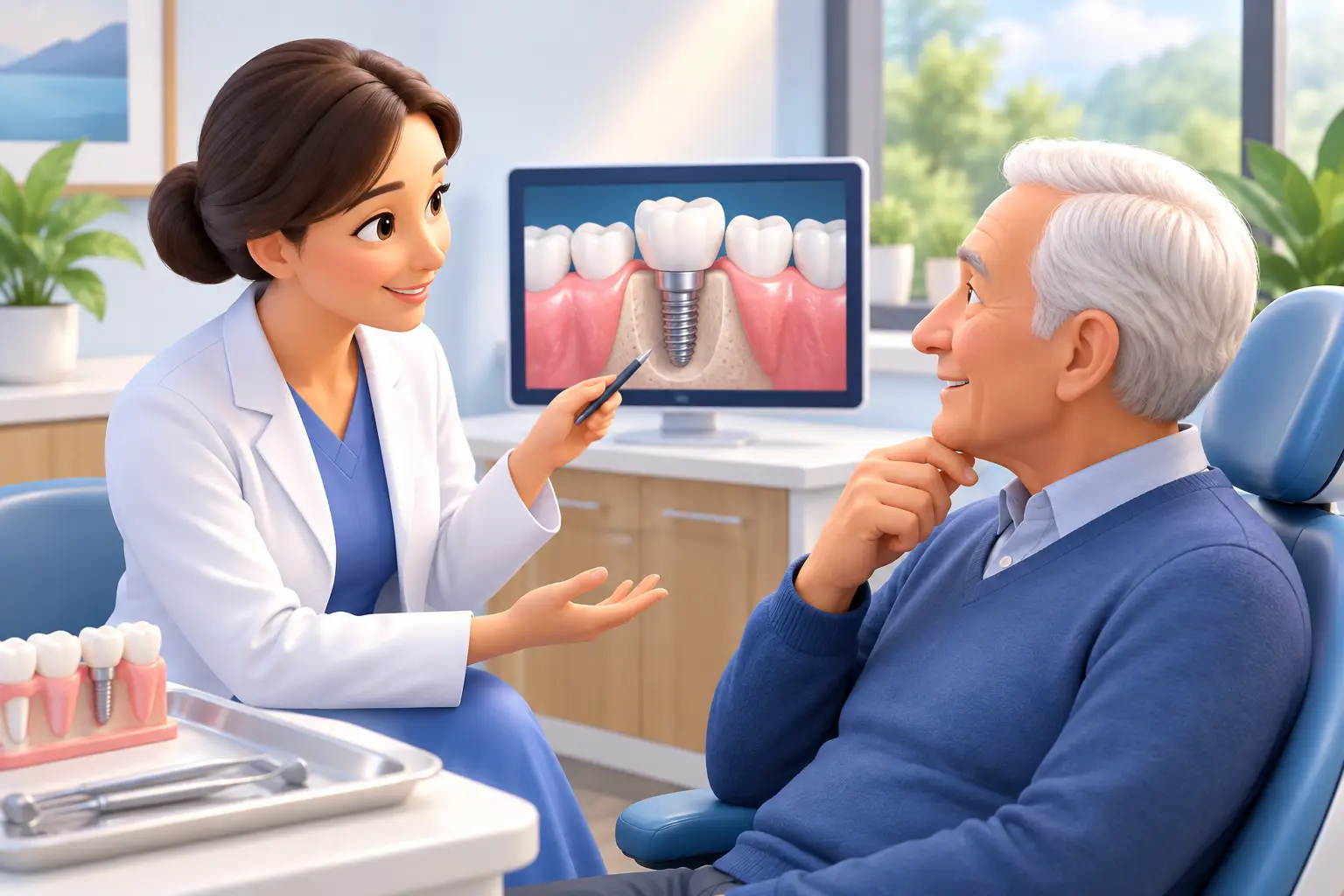
A dental implant is designed to act like a natural tooth root, so it needs a stable foundation in the jaw. If you are asking, “do I need a bone graft before implants?” the honest answer is that it depends on the amount, location, and quality of bone you have today. Many patients do not need grafting at all. Others benefit from a small graft that helps make their implant treatment safer, stronger, and more predictable for the long term.
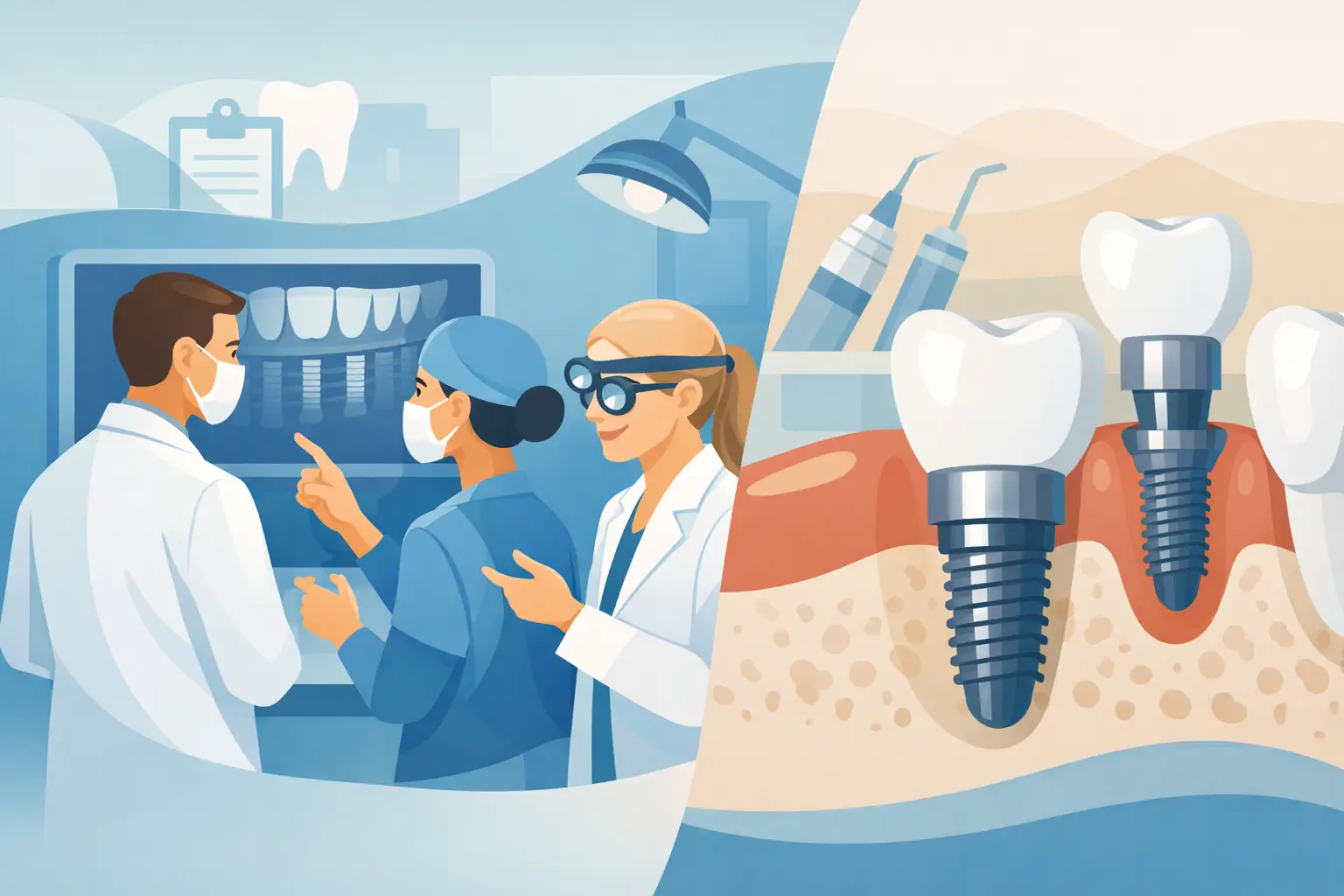
The only reliable way to know is through a personalized exam and 3D imaging. This evaluation lets your dental team see what cannot be judged from a smile alone: the height and width of your jawbone, the position of nearby sinuses and nerves, and whether there are signs of gum disease or infection that should be addressed first.
Why jawbone matters for dental implants
A dental implant is a small titanium post placed into the jawbone. During healing, the bone grows tightly against the implant surface in a process called osseointegration. That bond is what allows an implant to support a crown, bridge, or denture with the stability patients expect.
For this to work well, the implant needs enough healthy bone around it. Bone is not simply there to hold the implant in place on the day of surgery. It also helps protect the implant over years of biting, chewing, and normal daily use. When bone is too thin or too short, placing an implant without first rebuilding the area can raise the risk of poor positioning, gum recession, or implant failure.
This does not mean a graft is automatically necessary after tooth loss. Some people retain excellent bone volume, even years later. Others lose bone quickly, especially if the tooth was removed because of infection, severe gum disease, trauma, or a long-standing crack.
Do I need a bone graft before implants? What determines the answer
Your provider will consider several details together rather than making a decision based on one X-ray or a general rule. The key question is whether there is enough healthy bone to place an implant in a position that supports a natural-looking and functional replacement tooth.
How long the tooth has been missing
After a tooth is removed, the bone that once supported it no longer receives the same stimulation from chewing. The body gradually resorbs some of that bone. The greatest changes often occur during the first several months after an extraction, but bone loss can continue over time.
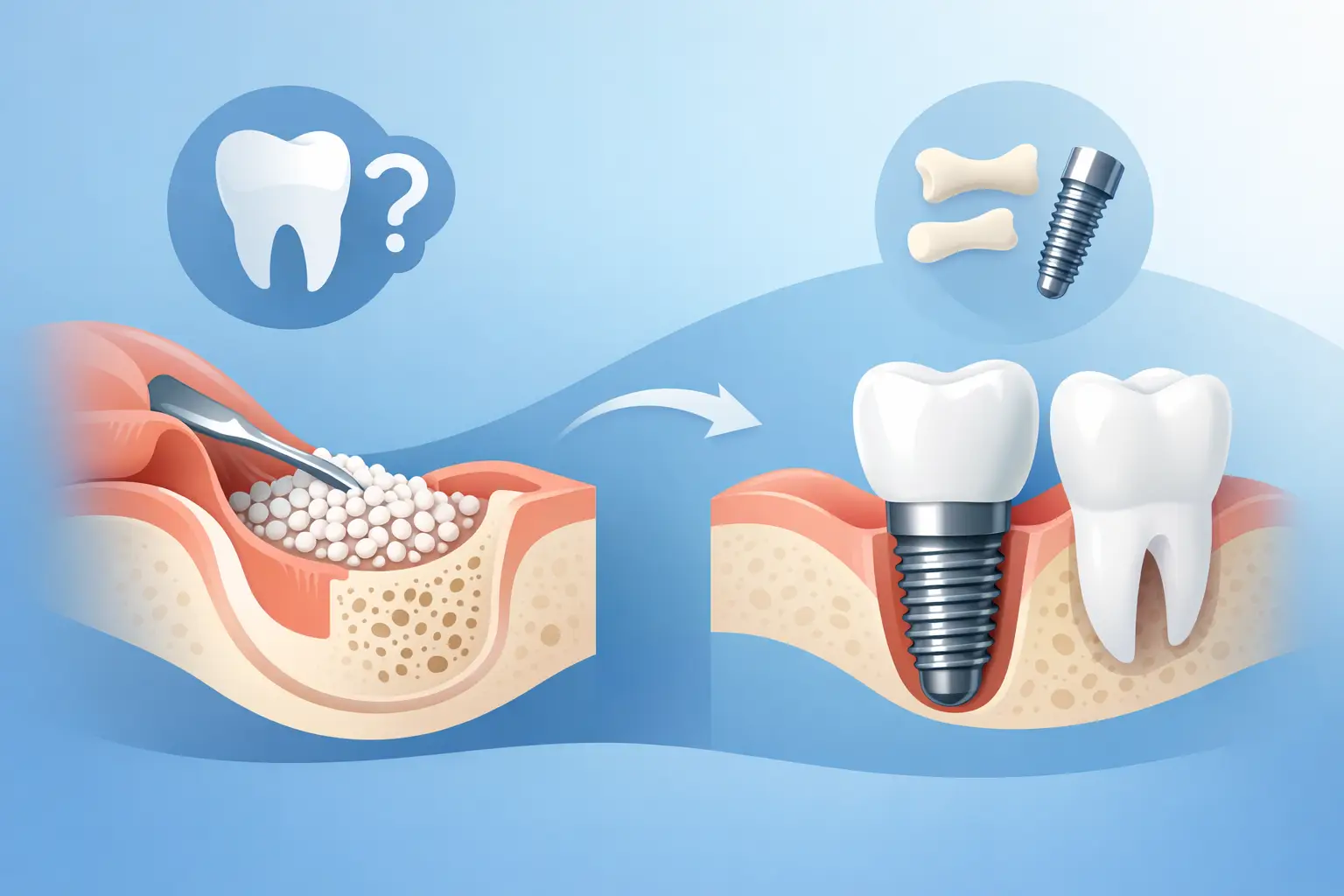
That is why preserving the socket at the time of extraction is sometimes recommended. A socket preservation graft places bone graft material into the empty tooth socket to help limit shrinkage as the area heals. It does not guarantee that no future grafting will be needed, but it can make later implant placement more straightforward.
The cause of tooth loss
A tooth removed because of advanced periodontal disease or a severe infection may leave behind less healthy bone than a tooth lost because of a sudden accident. Infection can damage the surrounding bone, while gum disease can cause gradual bone loss around multiple teeth.
Before an implant is placed, active infection and gum disease need to be controlled. A graft may be part of restoring the site, but your care team also needs to address the condition that caused the problem so the new implant has the best possible environment.
Where the implant will go
The front of the mouth often calls for precise planning because even small changes in bone and gum shape can affect the appearance of the final tooth. A graft may be recommended to build enough support for natural contours around a front implant.
The upper back jaw presents a different challenge. The maxillary sinus sits above the roots of the upper molars. When bone height below the sinus is limited, a sinus lift may create additional room for an implant. In the lower jaw, the location of the nerve that provides feeling to the lip and chin must be considered carefully. Three-dimensional imaging helps map these structures and guide safe treatment.
Bone width, height, and density
Bone can be adequate in one dimension but limited in another. For example, you may have enough bone height but not enough width to fully surround an implant. In other cases, the bone may be present but less dense than expected.
Your provider may recommend a graft to add width, height, or both. The goal is not to perform more treatment than necessary. It is to create a foundation that allows proper implant size, angle, and long-term support.
What a bone graft involves
A bone graft does not always mean a major surgery. The procedure can range from placing a small amount of grafting material into an extraction socket to rebuilding a larger area of the jaw. The material may come from your own bone, a human donor source processed for medical use, an animal-derived source, or a synthetic material. Often, the graft acts as a scaffold that your body gradually replaces with your own bone.
For a minor graft, local anesthesia is commonly enough, and many patients describe recovery as manageable with a few days of tenderness and swelling. More extensive grafting may involve a longer healing period and closer follow-up. Your dental team will explain the specific procedure, expected recovery, and options for comfort before treatment begins.
Some grafts are placed at the same appointment as implant surgery. Others need time to heal before the implant can be placed. This timing depends on the amount of bone being rebuilt, the condition of the site, and the stability that can be achieved during surgery.
How long does treatment take if grafting is needed?
A simple socket preservation procedure may heal for several months before implant placement. A larger ridge graft or sinus lift can require a longer healing window. Once the implant is placed, it also needs time to integrate with the bone before receiving its final crown or bridge.
This can feel discouraging when you are eager to replace a missing tooth. Still, taking the time to build a healthy foundation can prevent compromises later. A well-planned treatment timeline is usually more valuable than rushing toward a restoration that may not have the support it needs.
In select cases, an implant can be placed immediately after tooth removal and may receive a temporary tooth the same day. Immediate treatment can be a wonderful option for the right patient, but it requires sufficient bone, controlled infection, and strong initial implant stability. It is not the best choice for every extraction site.
What happens if you skip a recommended graft?
There are situations where an implant can technically be placed in limited bone, but the final result may be less ideal. The implant may need to be angled in a way that complicates the crown design. Thin bone can contribute to gum recession or make metal show through the tissue, especially in visible areas. Limited support can also make it harder to clean around the restoration over time.
Sometimes there are alternatives to grafting. A smaller or shorter implant may work in certain locations. For multiple missing teeth, a bridge, implant-supported denture , or a different implant arrangement may reduce the need for extensive rebuilding. The right option depends on your goals, bite, health history, and the condition of the remaining teeth.
A thoughtful conversation should include both the benefits of grafting and the trade-offs. You deserve to understand whether grafting is essential for safety, strongly recommended for durability and appearance, or simply one of several reasonable approaches.
A coordinated evaluation makes complex treatment easier
Implant treatment involves more than placing a post in bone. The final tooth must fit your bite, look natural, be comfortable to clean, and work with the health of your gums and neighboring teeth. That is why coordinated care between a prosthodontist, oral surgeon, periodontist, and general dentist can be especially helpful when bone loss or multiple missing teeth are involved.
At Seattle Oral Care, the treatment team uses comprehensive diagnostics and individualized planning to help patients understand their options without pressure. With more than 2,000 implants placed across the practice, the focus remains on choosing the treatment that supports a comfortable, durable result for your specific smile.
If you have been told you need a graft, or you are unsure whether it is truly necessary, bring your questions to the consultation . A clear explanation of your imaging, your bone condition, and your available options can replace uncertainty with a plan that feels right for you.