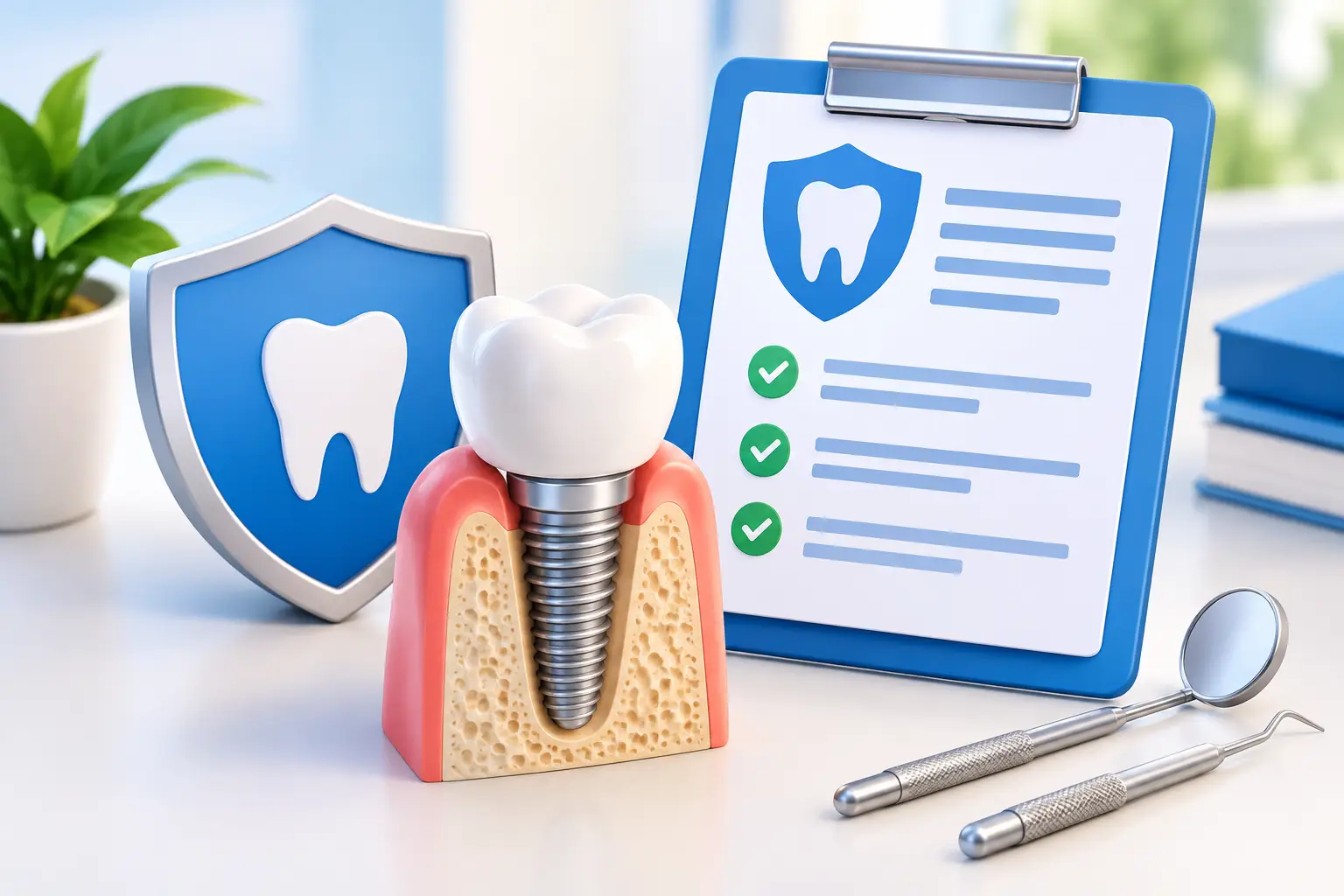
Before you book an implant consultation, a short call to your benefits administrator can prevent a great deal of confusion later. If you are wondering, “Does dental insurance cover implants?” and you have coverage through work, the most accurate answer comes from your specific plan documents and its claims team - not from a general benefits summary or a friend’s experience.
Dental implants can be a lasting way to replace a missing tooth, stabilize a bridge, or support dentures. They also involve more than one step: diagnostic imaging, the surgical placement of an implant, healing time, and the final restoration. Because plans may evaluate each step differently, checking your benefits before treatment planning gives you useful information without delaying the care your smile needs.
Does dental insurance cover implants?
Some dental plans include benefits for implants or portions of implant treatment, while others limit coverage, apply exclusions, or offer benefits only when particular clinical criteria are met. Employer dental plans vary widely, even when they are offered by the same insurance carrier. The plan selected by your employer, the level of benefits you chose during enrollment, waiting periods, replacement rules, and annual plan limits can all affect how a claim is considered.
It also matters what your dentist determines is clinically appropriate. An implant is not one single item on a treatment plan. Depending on your needs, treatment may include an exam, imaging, tooth removal, bone or gum treatment, implant surgery, an abutment, and an implant-supported crown, bridge, or denture. A plan may review these services separately.
That is why a simple yes-or-no answer is rarely enough. Coverage language can be technical, and a benefit quote is not the same as an approved claim. Still, learning how your plan approaches implant treatment before your consultation can help you arrive prepared to have a clear conversation.
Start with your employer dental plan
Begin by locating your member ID card, your plan name, and any available benefit booklet. If your benefits are managed through an online portal, look for sections labeled restorative services, major services, prosthodontics, implants, exclusions, limitations, or preauthorization. The wording may not answer every question, but it can help you know what to ask when you call.
When speaking with a plan representative, tell them you are considering implant treatment and ask whether they can explain benefits for the surgical implant and the final restoration separately. Ask for the representative’s name, the date of the conversation, and a reference number for the call. Keep these notes with your dental records.
If you are considering care near the end of a benefit year, ask how the plan handles services that occur on different dates. Implant care is often carefully staged to support healing and long-term function. Your treatment sequence should be based on your oral health needs, not solely on an insurance calendar, but knowing the timing rules can help you plan thoughtfully.
Questions to ask your dental plan about implants
The following questions can help you move beyond a vague answer about whether implants are “covered”:
- Does my current plan include benefits for dental implant placement, implant-supported crowns, bridges, or dentures?
- Are implants subject to exclusions, waiting periods, frequency limits, missing-tooth clauses, or replacement restrictions?
- Does the plan require a pre-treatment estimate, predetermination, prior authorization, or specific supporting records before treatment begins?
- How are related services reviewed, such as imaging, tooth removal, bone grafting, gum treatment, abutments, and the final restoration?
- Does my plan have network requirements, and how are benefits handled if different specialists are involved in my care?
- What information should my dental office submit so the plan can review the proposed treatment?
You may also want to ask whether an alternative treatment affects the plan’s review. Some plans compare a proposed service with another restorative option when determining benefits. That does not determine what is best for your health. It simply helps you understand the plan’s process and discuss your choices with your dental team.
Why a pre-treatment estimate is worth requesting
A pre-treatment estimate, sometimes called a predetermination, is a request your dental office submits before treatment begins. It typically includes the proposed procedure codes, supporting X-rays or images when needed, and clinical documentation. Your plan then reviews the information and provides an estimate of how it expects to process the claim under your current benefits.
For someone with an employer dental plan checking before booking a consultation, it is helpful to understand the order of events. A pre-treatment estimate usually cannot be completed from a phone call alone because the dentist must first examine your mouth, identify the cause of tooth loss or damage, evaluate bone and gum health, and determine whether an implant is the right option. In other words, the consultation creates the clinical information needed for a meaningful estimate.
A pre-treatment estimate is valuable because it can clarify how individual parts of a proposed plan may be reviewed. It can also reveal documentation requests or plan limitations early, when there is still time to ask questions. However, it is not a guarantee of payment. Benefits can change, eligibility can change, and final claims are processed according to the plan in effect at the time services are provided.
That uncertainty can feel frustrating, particularly if you have put off treatment because of a past dental experience or concern about the process. A thoughtful office will help you understand the clinical plan, submit appropriate documentation, and explain what the response from your plan means in plain language.
Your consultation is about more than insurance
Insurance information is practical, but it should not replace a comprehensive evaluation. Missing teeth can affect chewing, neighboring teeth, bite stability, confidence, and the health of the jawbone over time. The right treatment depends on factors your dental team can assess in person, including the condition of nearby teeth, gum health, bone volume, bite forces, medical history, and your goals for comfort and appearance.
For some patients, a straightforward single-tooth implant may be appropriate. Others may need periodontal care, a grafting procedure, or a coordinated plan involving a surgeon and restorative dentist. If several teeth are missing, an implant-supported bridge or denture may be discussed. These are not signs that something has gone wrong. They are parts of individualized planning designed to support a stable, functional result.
Bring your insurance card and any notes from your benefits call to the appointment. Let the team know if your plan requires a pre-treatment estimate or specific forms. You can also share what matters most to you: preserving healthy teeth, avoiding removable appliances, improving chewing, addressing dental anxiety, or understanding the expected treatment stages. Good planning should make room for both your clinical needs and your questions.
What to do if your plan is unclear or limited
Do not assume a brief online description is the final word. Ask the plan to point you to the exact limitation or exclusion it is applying, and ask your dental office whether additional records are appropriate for the estimate. Occasionally, the issue is not whether implants are included at all, but whether the plan needs clearer documentation, treats separate components differently, or applies a timing rule.
At the same time, it is wise to prepare for the possibility that insurance benefits may not align perfectly with the treatment your dentist recommends. Dental insurance is a benefit with plan-specific rules, not a clinical recommendation. A caring dental team can explain the treatment options, sequencing, and alternatives so you can make a decision based on your oral health and your comfort with the plan.
The most useful next step is often simple: schedule the consultation, bring your plan information, and ask for a clear clinical assessment before making assumptions. When you understand both your dental needs and your plan’s review process, you can move forward with more confidence and fewer surprises.