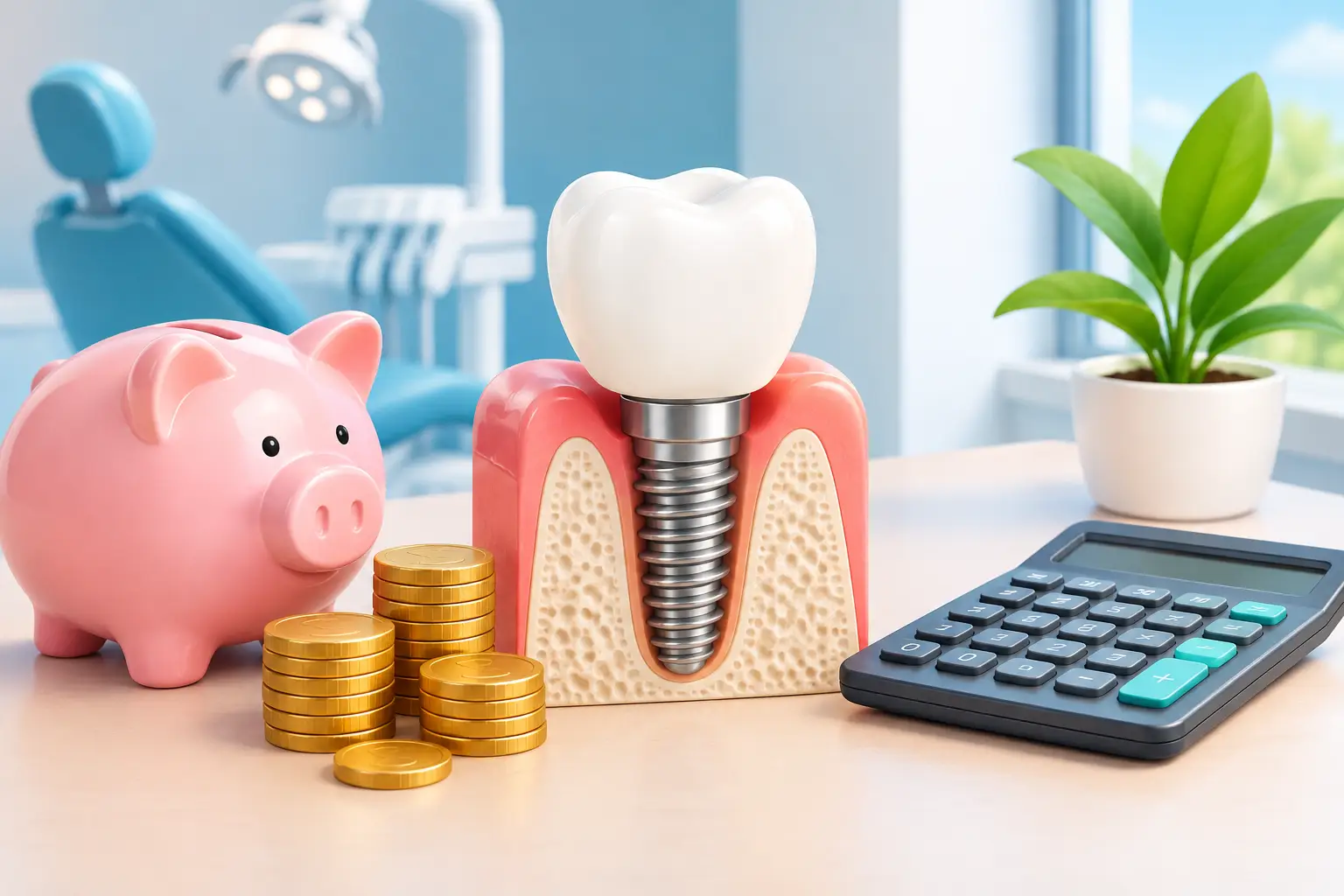
A missing tooth can affect far more than a smile. It can change how you chew, speak, and feel in everyday conversations. Financing dental implants without insurance is a real concern for many adults, especially when they are trying to make a thoughtful, long-term decision without rushing into a payment arrangement that does not fit their life.
At Seattle Oral Care, we believe financial questions deserve the same careful attention as clinical ones. A dental implant is a highly individualized treatment, and the right way to pay for it depends on your treatment plan, timing, credit situation, and comfort with the terms you choose.
Start With a Clear Treatment Plan
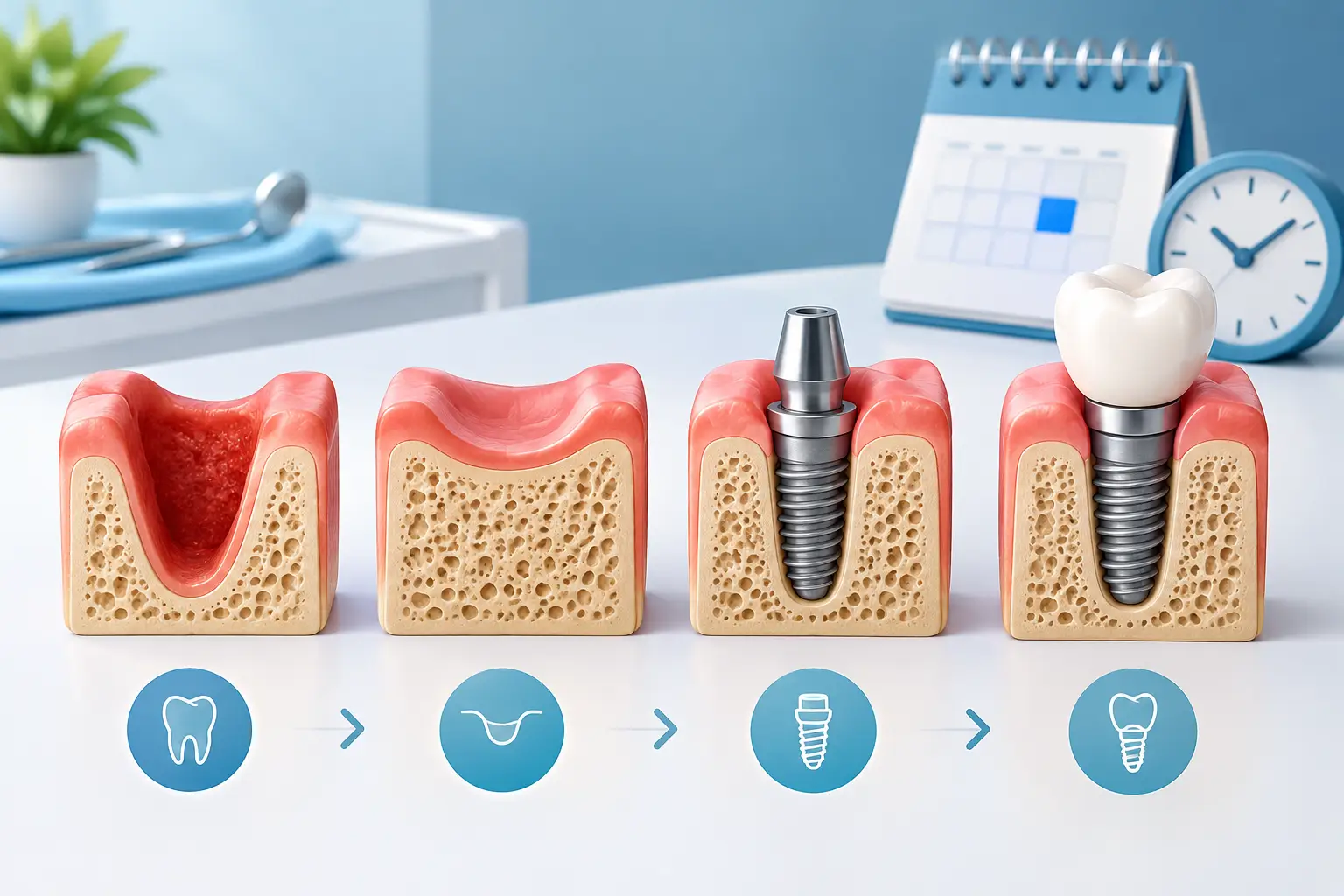
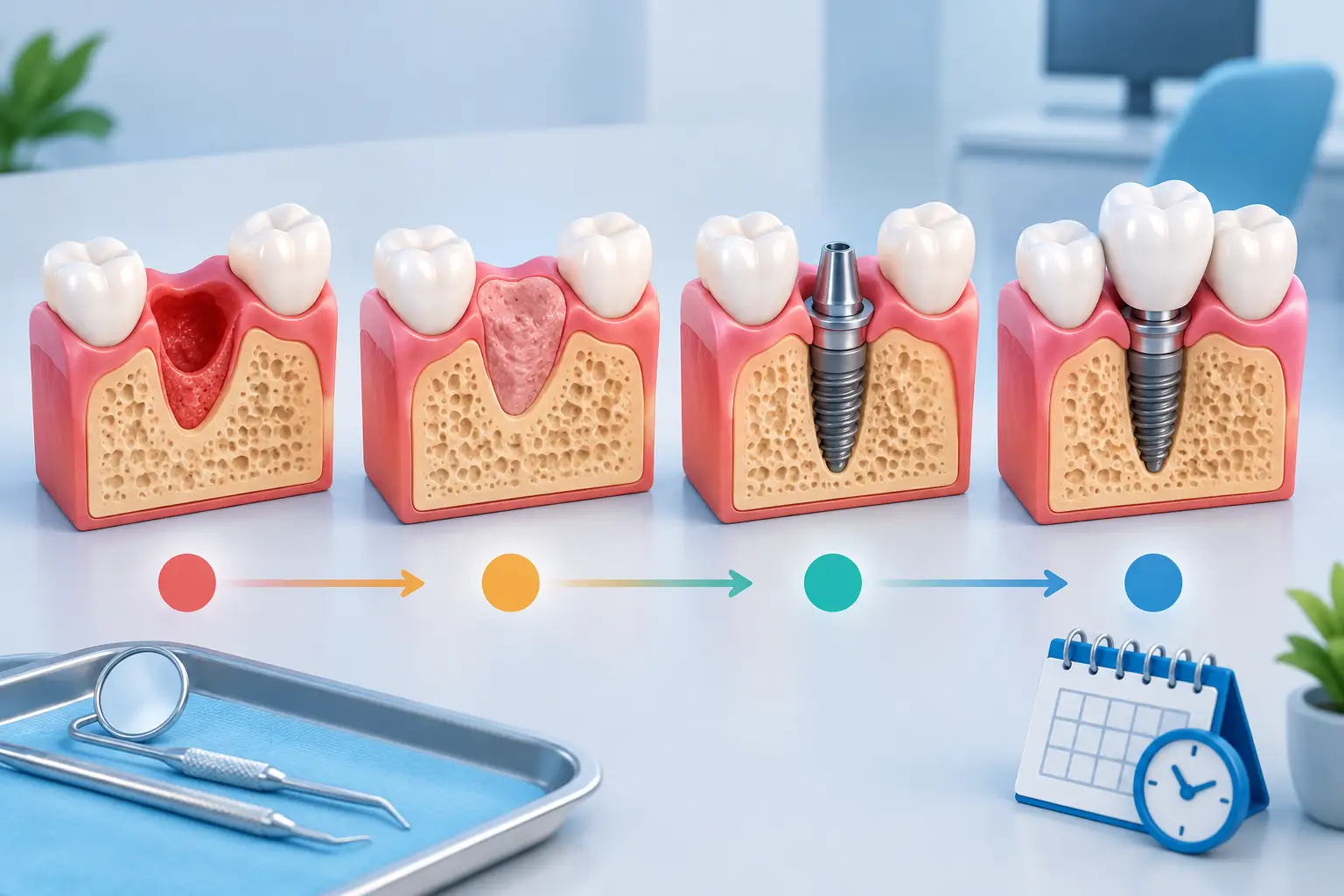
Before comparing dental implant payment plans or submitting an application, ask for a complete consultation . Implant treatment may involve more than placing the implant itself. Depending on your needs, your care may include imaging, removal of a damaged tooth, periodontal treatment, bone grafting, a temporary tooth, and the final crown, bridge, or denture.
A written treatment plan helps you understand what is recommended now, what may be optional, and whether care can safely be phased over time. It also lets you compare financing options based on the full scope of care rather than making a decision around one portion of treatment.
For some patients, a staged approach is appropriate. For example, treatment may begin with addressing infection or preserving the area after an extraction, then move to implant placement and restoration according to the clinical timeline. Staging can make planning more manageable, but it should always be guided by what protects your oral health and supports a lasting result.
Dental Implant Payment Plans Through the Practice
Many patients first ask whether the dental office offers payment arrangements. In-house dental implant payment plans can be straightforward because they are connected directly to your care. The office team may be able to explain when payments are due, whether a deposit is required, and how treatment milestones affect the schedule.
These arrangements vary by practice. Some may work best for patients who can make planned payments over a shorter period, while others may require that certain clinical stages be paid before treatment begins. The value is clarity: you can discuss your care and financial questions with people who understand your treatment plan.
When reviewing an office-based option, ask whether the arrangement covers the entire plan or only certain services. Confirm what happens if your treatment needs change, if an unexpected procedure becomes necessary, or if you need to reschedule an appointment. Clear answers can prevent surprises later.
CareCredit Dental Implants and Similar Healthcare Financing
CareCredit dental implants financing is a familiar option for many patients because it is designed for healthcare expenses. When available and approved, it may allow eligible patients to use a dedicated healthcare credit account for dental treatment.
Like any credit product, it deserves a careful reading. Promotional terms may be available in some situations, but those terms can have specific payment requirements and consequences if the balance is not paid as agreed. Ask about the annual percentage rate after any promotional period, required monthly payments, deferred-interest terms, fees, and whether the account can be used for every part of your treatment.
Approval is not guaranteed, and the terms offered to one patient may differ from those offered to another. It is reasonable to take time before accepting an offer. A financing application is a financial decision, not a clinical emergency.
Comparing Third-Party Dental Financing Options
Third-party dental financing may include healthcare credit providers, personal installment lenders, or lending partners that work with dental practices. These options can give patients more flexibility, but they are not interchangeable. One lender may offer a fixed repayment structure, while another may use a revolving credit account. The repayment period, interest, eligibility standards, and fees can be very different.
When comparing third-party dental financing, look beyond the monthly payment. A low monthly obligation can sometimes mean a longer repayment period or more interest over time. Ask for the full repayment terms in writing and make sure you understand the total commitment before proceeding.
It can help to compare the following details side by side:
- Whether the financing uses a hard or soft credit inquiry
- The interest rate and when it may change
- Any promotional or deferred-interest conditions
- Late-payment fees, origination fees, or prepayment penalties
- The repayment schedule and whether it fits your household budget
A trustworthy dental team can explain how a lender works, but the lender is responsible for its credit decision and terms. You should never feel pressured to apply on the spot.
Is Implant Financing With No Credit Check Available?
Patients sometimes search for implant financing with no credit check because they are worried about a past credit challenge or do not want an inquiry on their credit report. Be cautious with broad promises. “No credit check” may mean a lender uses a different type of review, offers a limited arrangement, requires a larger upfront payment, or has terms that deserve especially close attention.
No-credit-check financing is not automatically better or more accessible. It may come with stricter repayment conditions, higher costs, or less flexibility. If this is the route you are considering, ask exactly how approval is determined, whether payments are reported to credit bureaus, and what happens if a payment is missed.
If traditional financing is not the right fit, you still have choices. You may be able to discuss phased treatment, save toward a planned treatment stage, use funds from a health savings account or flexible spending account if applicable, or explore whether a family member wishes to assist. The right choice is the one you can sustain without putting unnecessary strain on your finances.
How to Afford Dental Implants Without Letting Cost Drive the Clinical Plan
Dental implants are designed to replace missing teeth in a way that supports function, appearance, and long-term oral health. Still, the best treatment is not always the fastest treatment. If you need time to arrange financing, tell your dentist. Your team can explain whether waiting is clinically reasonable and what steps may protect the area while you plan.
It is also fair to ask whether alternatives are appropriate for your situation. A bridge, removable partial denture , or implant-supported option may have different clinical benefits and maintenance needs. The goal is not to choose the least expensive option in isolation. It is to understand the trade-offs in comfort, durability, appearance, and future care.
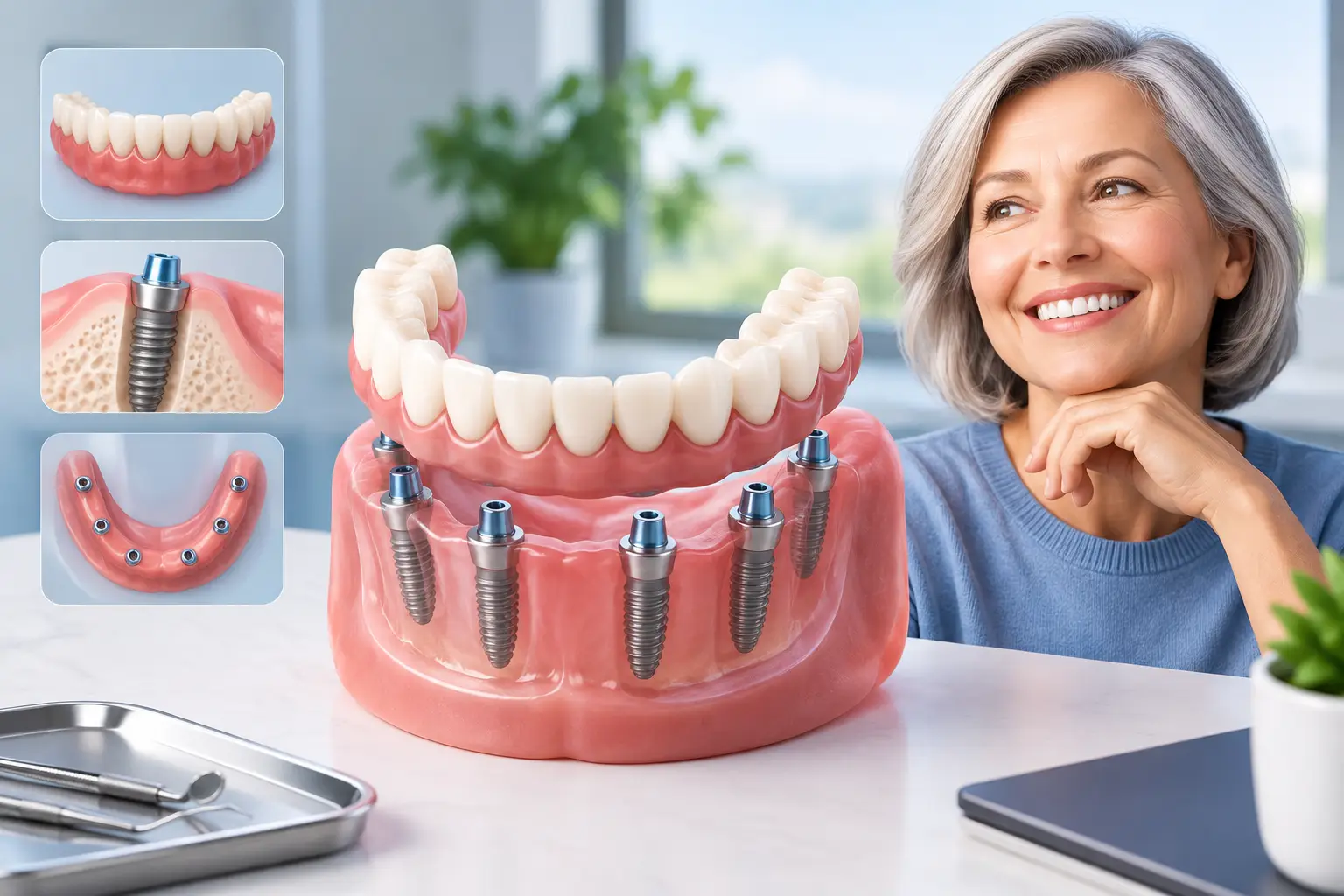
For patients replacing several teeth or considering a full-mouth restoration, coordinated planning matters even more. A prosthodontist, oral surgeon, periodontist, and general dentist can work together to sequence care carefully. That coordination helps ensure financial planning reflects the treatment you actually need, rather than a fragmented series of decisions.
Questions to Ask Before You Commit
A good financial conversation should leave you feeling informed, not embarrassed. Ask which portions of treatment are included in the plan, whether future maintenance is separate, and what happens if your treatment timeline changes. Ask the financing provider to explain every term you do not understand.
You may also want to ask whether the proposed payment fits the clinical schedule. A payment plan that begins before a necessary healing period is complete may still be manageable, but it should be something you have considered in advance. Your dental team can help you understand the timing of treatment. A lender can clarify the timing of payments.
A Thoughtful Next Step
You do not need dental insurance to begin the conversation about implants. You do need a clear diagnosis, a treatment plan built around your health, and financing terms you can review with confidence. Schedule a consultation, bring your questions, and give yourself permission to make a decision at a pace that feels responsible. Gentle care and lasting smiles begin with feeling heard - including when the conversation turns to payment.