A dental implant needs more than a space where a tooth used to be. It needs a healthy foundation of jawbone to hold it securely for years. Ridge augmentation dental implants may be part of the conversation when that foundation has thinned, narrowed, or lost height after tooth loss. While the term can sound intimidating, the goal is straightforward: rebuild enough bone to support a stable, natural-looking replacement tooth.
For many people, hearing that they need a bone graft raises immediate questions. Does this mean the implant is no longer possible? Will treatment take much longer? Is the procedure painful? In many cases, ridge augmentation is the step that makes a lasting implant result possible. A careful evaluation can clarify whether it is needed and what your individual path may look like.
What Is Ridge Augmentation?
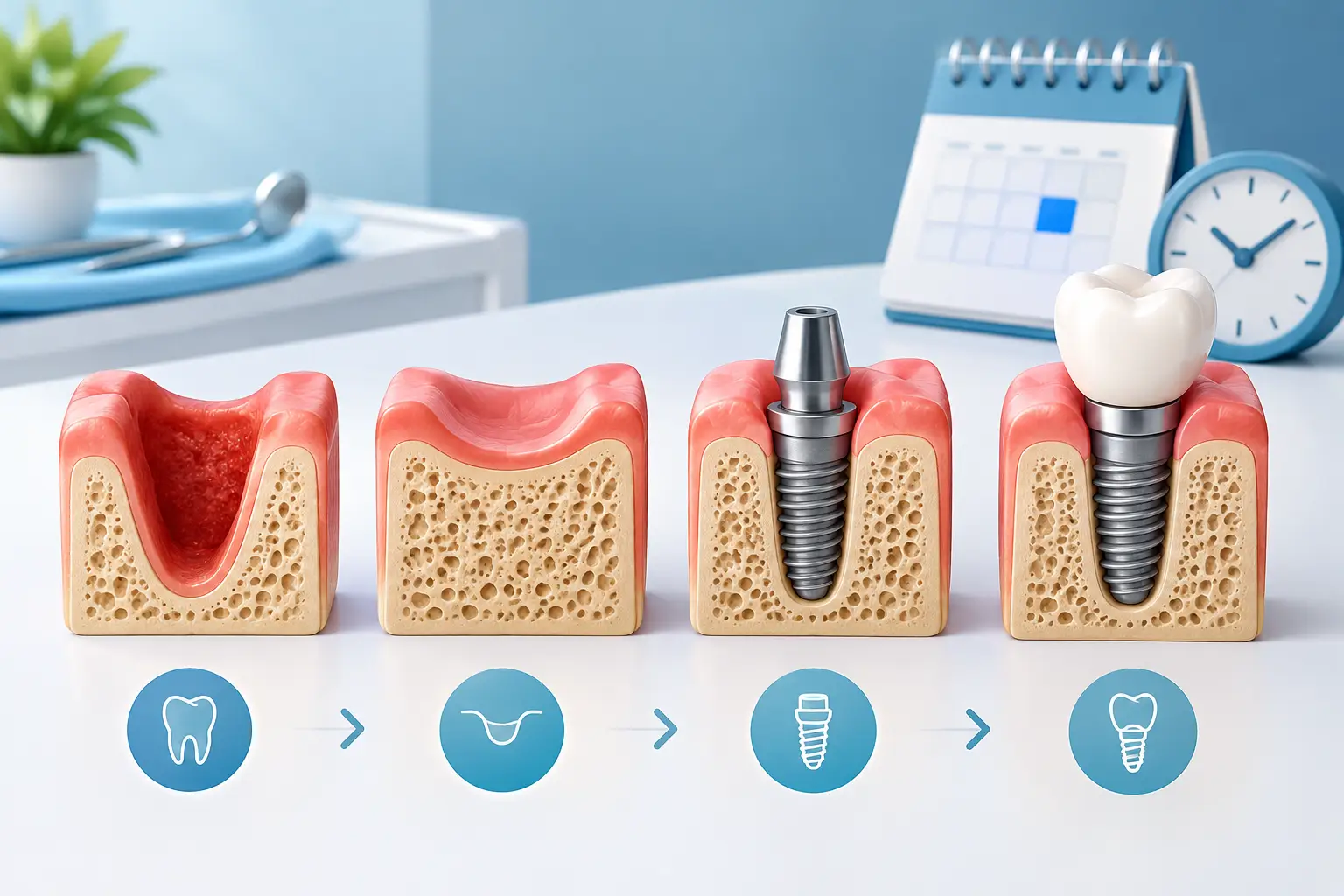
The alveolar ridge is the part of your jawbone that surrounds and supports your teeth. After a tooth is removed or lost, the bone in that area naturally begins to change. Without the stimulation that a tooth root provides, the ridge can gradually shrink in width and height. Gum disease, infection, injury, or a difficult extraction can also affect the amount and quality of available bone.
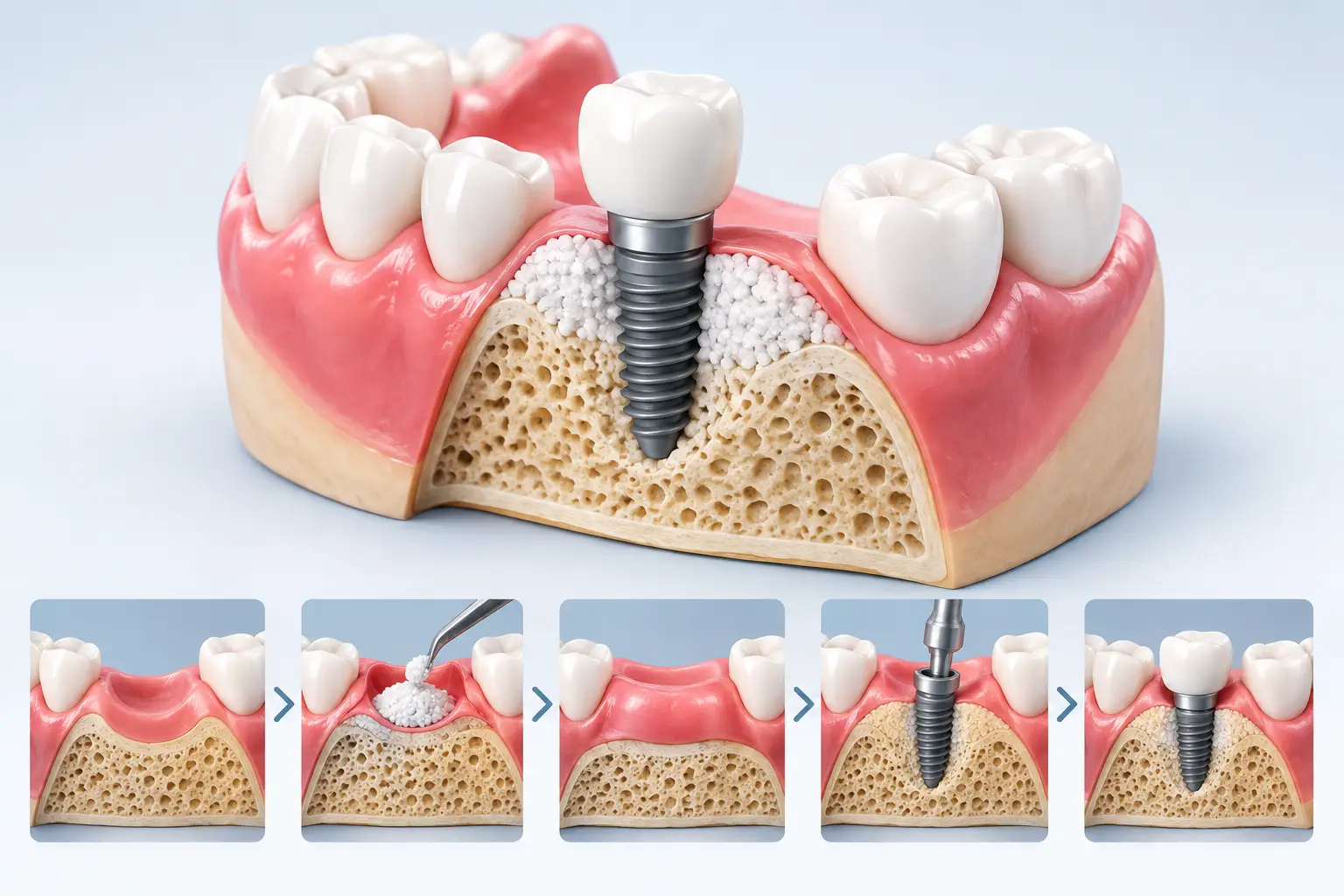
Ridge augmentation is a bone-grafting procedure that restores the contour or volume of this area. A dentist or surgical specialist places grafting material where bone has been lost. Over time, your body incorporates the material and forms new supporting bone.
The purpose is not simply to add bone on an X-ray. It is to create an implant site with the strength, position, and shape needed for a restoration that functions comfortably and looks balanced with your smile.
Why Bone Matters for Dental Implants
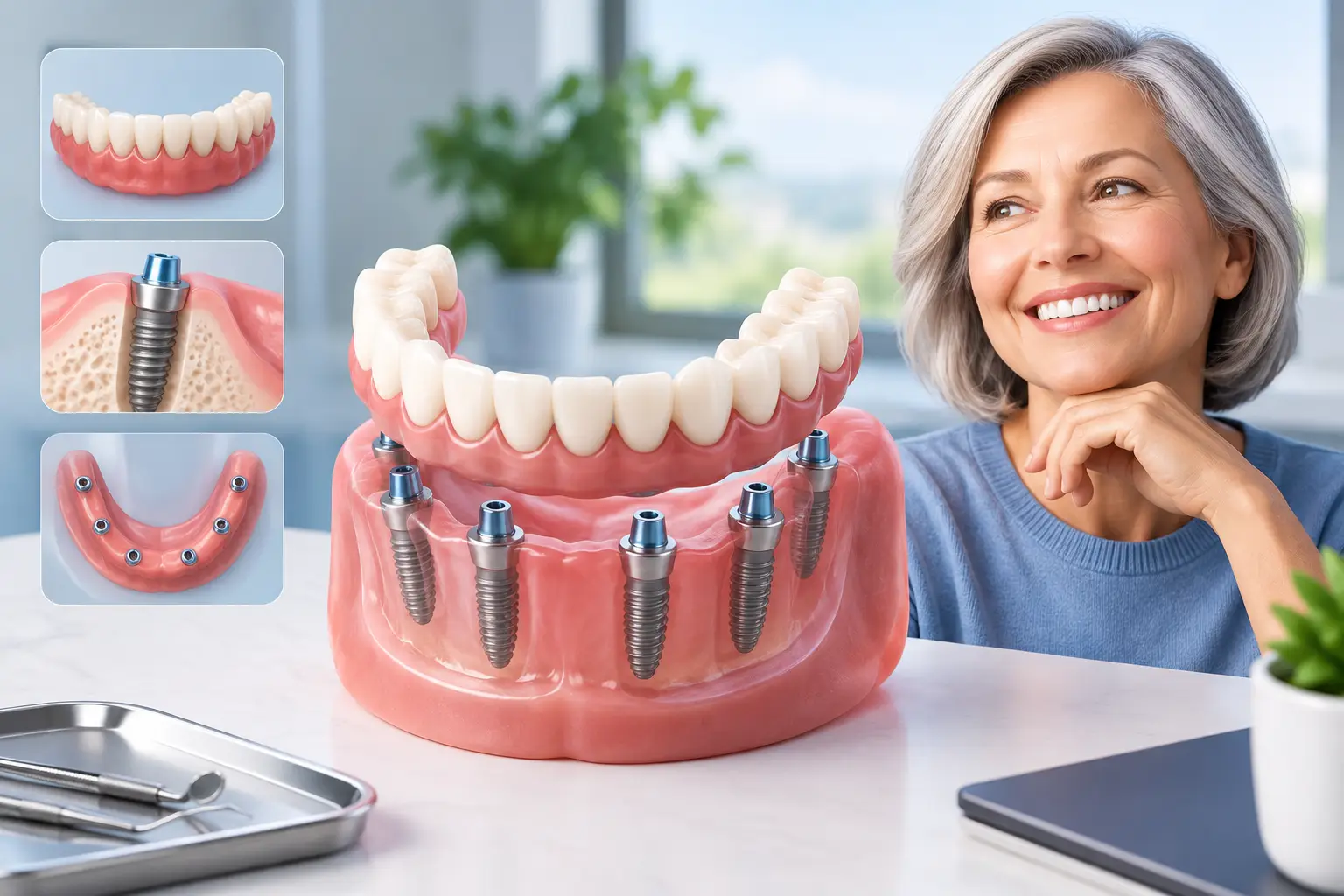
An implant is a small post placed in the jaw to replace a missing tooth root. During healing, bone attaches to the implant surface in a process called osseointegration. This connection is what allows the implant to support a crown, bridge, or denture.
When there is too little bone, an implant may not have enough support, or it may need to be placed at an angle that compromises the final result. In the front of the mouth, limited bone can also affect gum contours and the appearance of the replacement tooth. In the back of the mouth, bone loss may create functional concerns because those teeth absorb significant chewing force.
Not everyone with a missing tooth needs augmentation. Some patients have enough healthy bone for implant placement right away. Others may be candidates for a shorter or narrower implant, depending on the location and the bite. The right choice depends on your scan, oral health, goals, and the long-term demands on the restoration.
Signs You May Need Ridge Augmentation
Only a clinical exam and three-dimensional imaging can determine whether grafting is appropriate. Still, ridge augmentation is more likely to be considered if a tooth has been missing for a long time, there was a prior infection or advanced gum disease, or the area looks visibly sunken after an extraction.
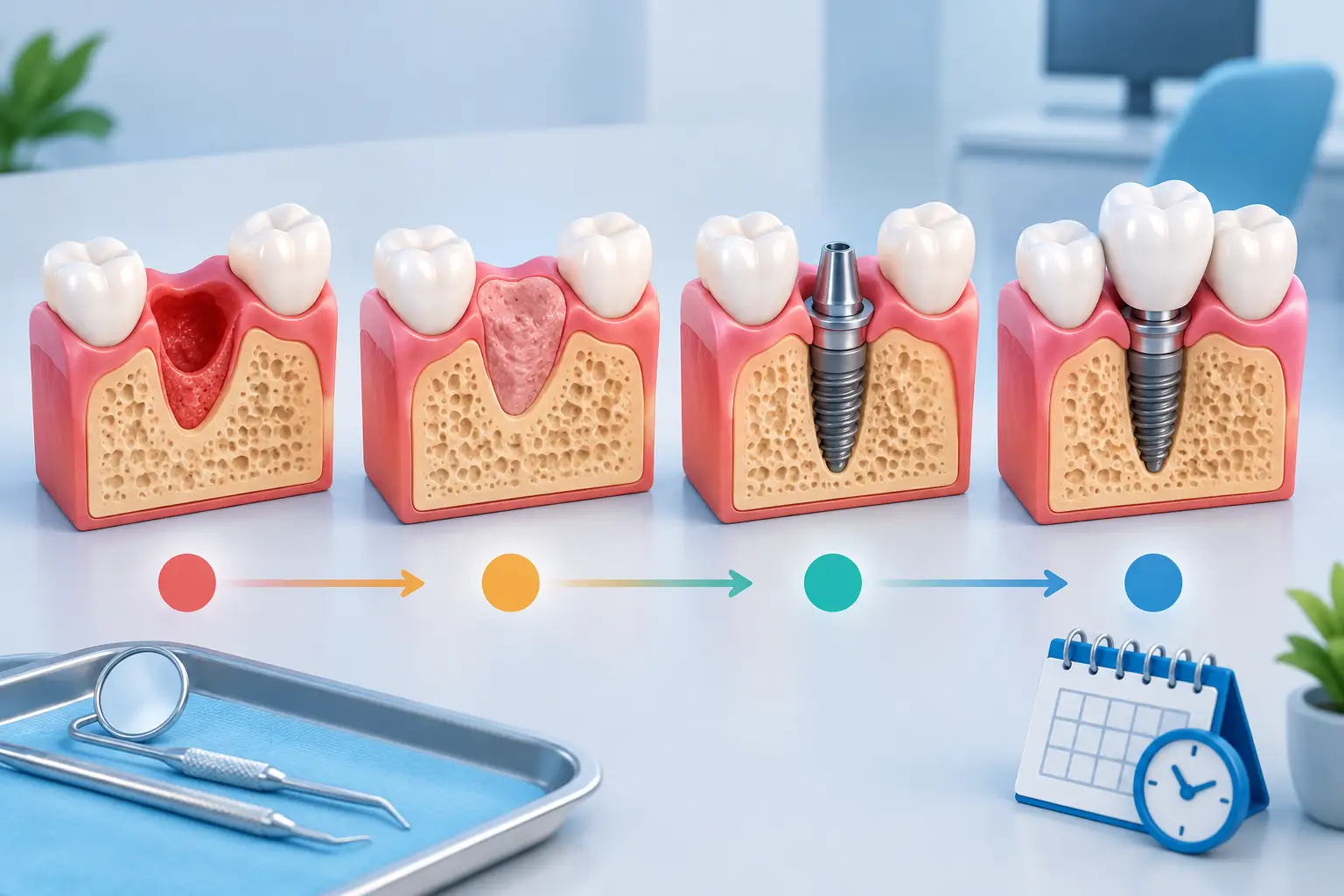
It may also be recommended when a tooth is being removed and the bone around it is already damaged. In some cases, placing graft material at the time of extraction helps preserve the ridge and may reduce the need for a larger graft later. This is often called socket preservation.
What the Treatment Process Usually Looks Like
Your care begins with a detailed consultation, exam, and imaging. A cone beam CT scan allows the team to assess bone volume, neighboring tooth roots, sinus position in the upper jaw, and important nerves in the lower jaw. This planning stage matters because implant treatment is about much more than placing a post. It is about planning the final tooth first, then building the support needed to achieve it.
If ridge augmentation is recommended, the procedure is performed with local anesthesia. Sedation options may also be discussed for patients who feel anxious or are having more extensive treatment. The provider accesses the treatment area, places the graft material, and protects it with a membrane when appropriate. Sutures help the site heal.
Grafting materials can come from several sources, including processed human donor bone, animal-derived mineral bone, synthetic materials, or your own bone. Each has a role, and the selection depends on the size of the defect, the surgical plan, and your clinician's judgment. The material serves as a framework that supports your body's own healing response.
After the graft, the area needs time to heal. For a small graft, an implant may sometimes be placed at the same appointment. More commonly, healing takes several months before the implant is placed. Larger or more complex grafts can require more time. Waiting can feel frustrating, but it is often the choice that protects the stability and esthetics of the final result.
What Recovery Feels Like
Most patients describe the first few days as manageable rather than severe. Swelling, tenderness, minor bruising, and light bleeding can occur. Your provider will give you personalized instructions for pain management, diet, oral hygiene, activity, and follow-up visits.
Soft foods are typically recommended at first, and you will need to avoid chewing directly on the grafted area. You may also be asked to avoid smoking or vaping, as nicotine can interfere with healing and increase the risk of complications. Keeping the area clean without disturbing it is essential.
Call your dental team if pain or swelling worsens after the first few days, if you develop a fever, or if you notice persistent bleeding or a loose membrane. Clear communication during recovery helps small concerns get addressed early.
The Trade-Off: More Time, Stronger Support
Ridge augmentation can add appointments, healing time, and cost to implant treatment. Those are real considerations, and you deserve a clear explanation of why grafting is being recommended. A thoughtful treatment plan should explain whether the graft is essential, beneficial but optional, or whether another tooth-replacement option may be more appropriate for your situation.
The potential benefit is a more favorable foundation for your implant and a better opportunity for a durable, attractive restoration. Skipping a necessary graft to shorten the timeline can create challenges later, especially when bone support or implant position is already limited.
For some patients, an implant-supported bridge, removable partial denture , or another restorative approach may make more sense than grafting. There is no one-size-fits-all answer. Your overall health, gum condition, budget, timeline, and preferences should all shape the conversation.
Why Coordinated Care Makes a Difference
Complex implant treatment often involves several areas of expertise. The surgical phase must work with the final crown, bridge, or denture design, and healthy gums are just as important as healthy bone. At Seattle Oral Care, a coordinated team that includes prosthodontic, surgical, periodontal, and general dental expertise can evaluate the full picture rather than treating one step in isolation.
That coordination is especially valuable when you have multiple missing teeth, active gum disease, a history of failed dental work, or concerns about the look of a front-tooth implant. It allows your team to plan for your bite, speech, gum line, and long-term maintenance from the beginning.
Questions Worth Asking at Your Consultation
A good implant consultation should leave you informed, not pressured. Ask whether ridge augmentation is required for your case, whether it can be done at the same time as implant placement, and what alternatives exist. It is also reasonable to ask about the expected healing timeline, sedation options, total treatment phases, and how the final restoration will be maintained.
If dental treatment makes you nervous, say so early. Gentle care starts with knowing what you need to feel comfortable, whether that means extra time for questions, clear step-by-step explanations, or discussing sedation before treatment begins.
A missing tooth does not automatically mean a difficult path ahead. Even when bone loss is present, ridge augmentation can be a predictable part of rebuilding a healthy foundation. The most helpful next step is a complete evaluation that gives you clear answers and a plan that feels right for your health, comfort, and future smile.