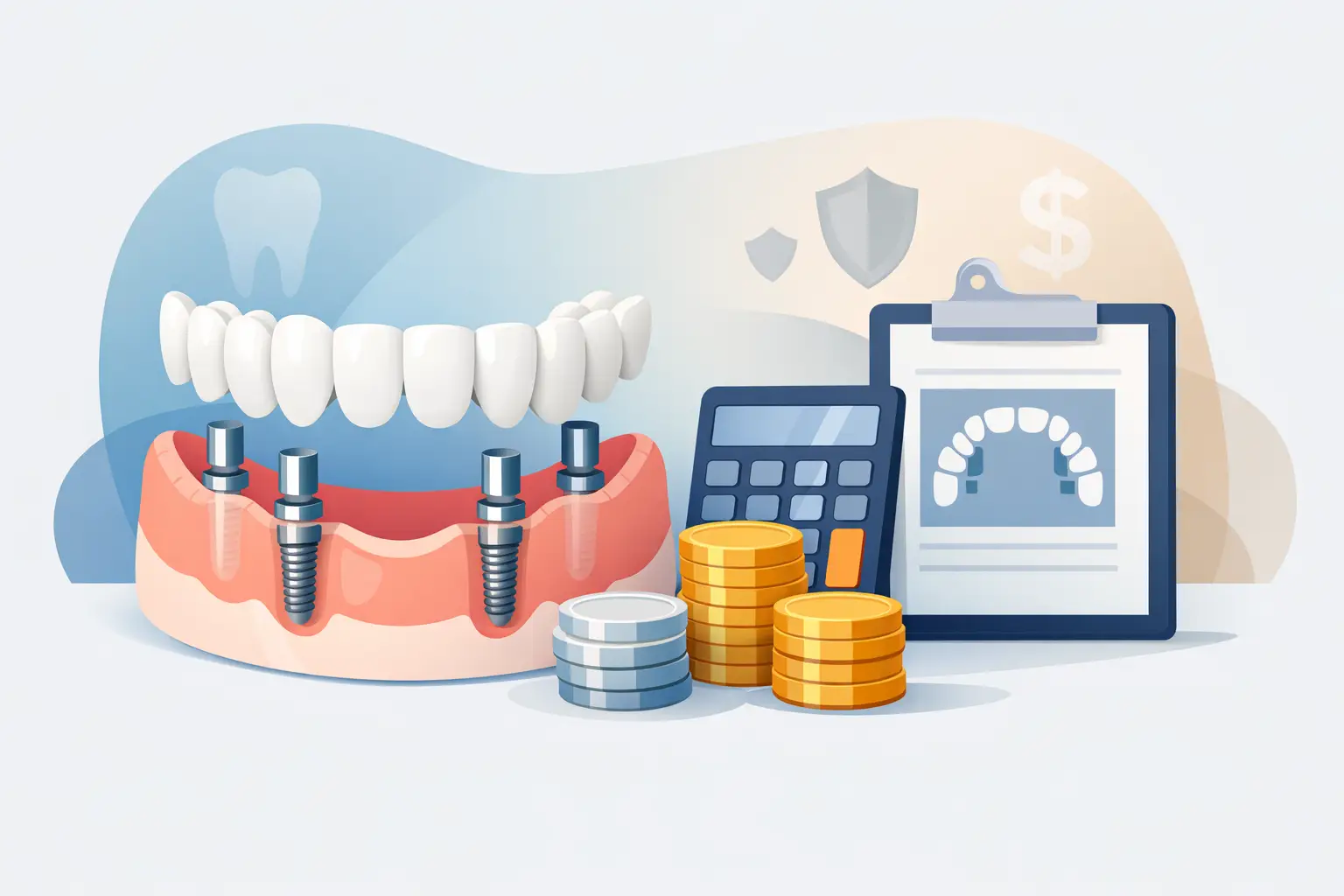
Replacing a full arch of missing or failing teeth is a meaningful investment in your comfort, confidence, nutrition, and long-term oral health. When researching full arch dental implants cost , the most helpful question is not simply, “What is the price?” It is, “What care is included, and what will give me the most reliable result for my needs?”
A personalized consultation is the only way to receive an accurate estimate. Your mouth, bone health, existing teeth, and restorative goals all shape the treatment plan.
Full arch implant cost range: what patients can expect
A full arch implant restoration may range from roughly $20,000 to $50,000 or more per arch. This broad full arch implant cost range reflects major differences in the number of implants, the final teeth selected, the need for preparatory care, and whether treatment is completed by a coordinated team of specialists.
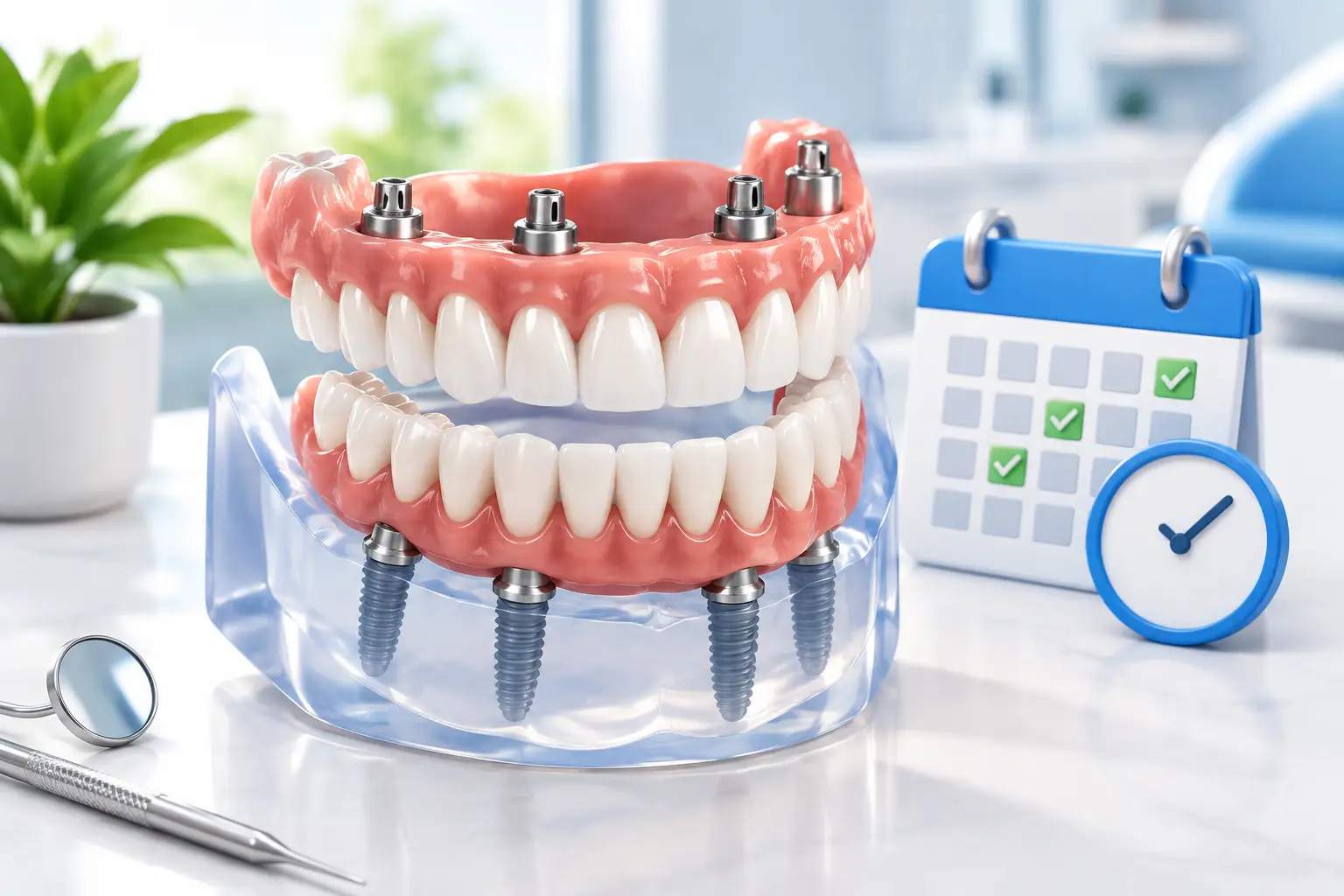
Some advertised prices cover surgery only or a temporary restoration . Others include imaging, extractions, sedation, bone grafting, the provisional teeth you wear during healing, and the final implant-supported bridge. Comparing estimates line by line matters. A lower starting number can become less appealing if essential parts of care are added later.
At Seattle Oral Care, full-arch planning brings prosthodontic, surgical, periodontal, and general dental perspectives together when needed. This coordinated approach helps ensure that your new teeth are designed around your bite, facial support, gum health, and long-term function, not just the day of surgery.
Factors affecting full arch implant price
The main factors affecting full arch implant price are clinical, not arbitrary. First, some patients need teeth removed before implants can be placed. Others need bone grafting, sinus treatment, or periodontal care to create a stable foundation. These services can affect both the cost and timeline.
The implant approach also matters. The number and placement of implants must support the forces created when you chew, speak, and bite. Your final restoration material is another major consideration. A temporary acrylic bridge generally costs less than a final bridge made with higher-strength, more lifelike materials. The final choice should balance appearance, durability, repairability, and your bite.
Diagnostic planning is also part of good care. Three-dimensional imaging, digital records, surgical planning, and carefully designed temporary teeth allow the team to plan treatment more predictably. While these steps contribute to the investment, they can reduce avoidable surprises and support a more comfortable experience.
All-on-4 vs. All-on-6 cost difference
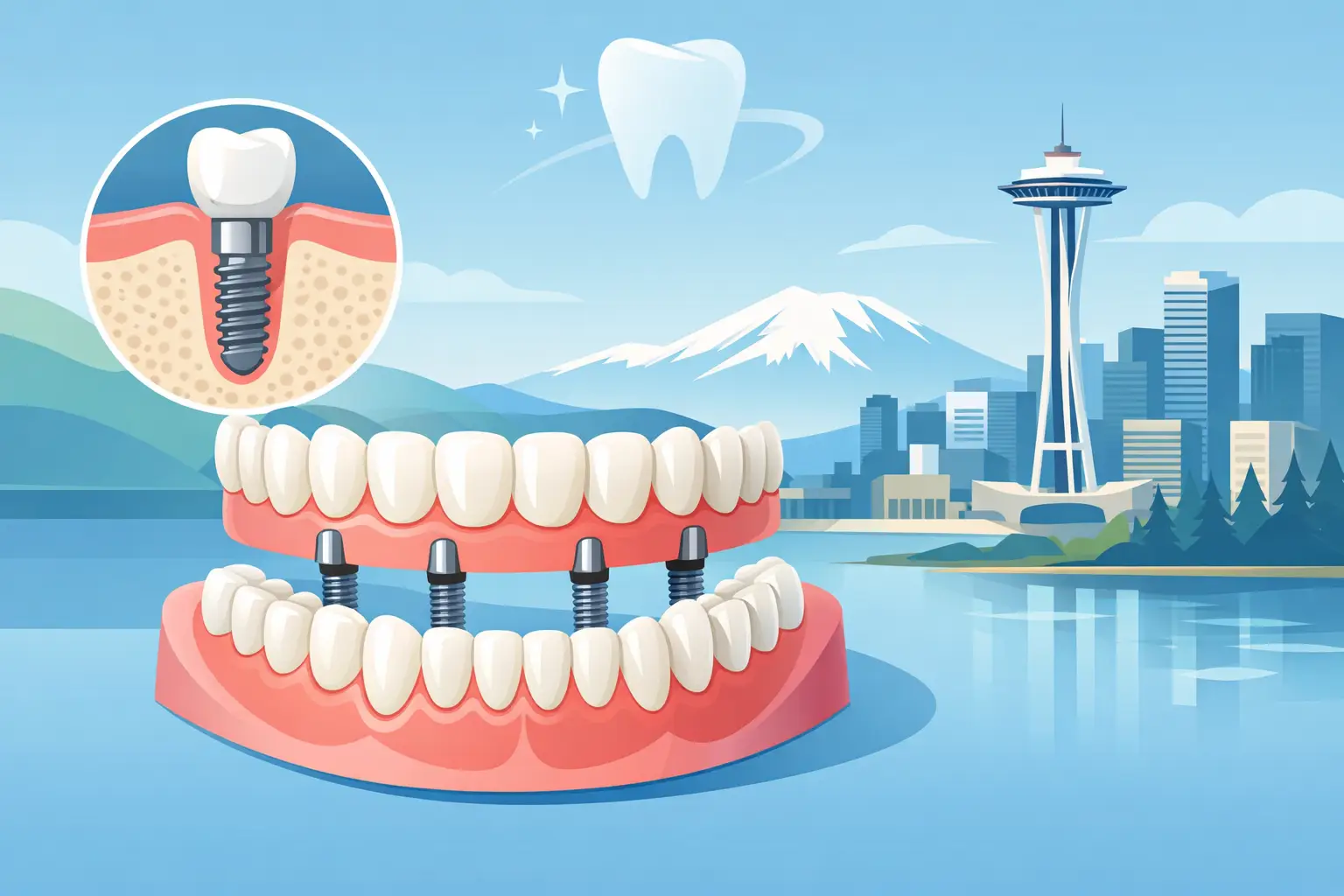
The All-on-4 vs. All-on-6 cost difference often comes down to the number of implants used and the clinical support required. An All-on-4 approach uses four implants to support one full arch. In suitable cases, the back implants may be angled to make use of available bone and avoid more extensive grafting.
An All-on-6 approach uses six implants, which may provide added support and distribute biting forces across more implants. It usually carries a higher upfront cost because it includes two additional implants and may require more surgical time. However, more implants are not automatically better for every patient.
Bone volume, bite force, jaw anatomy, clenching habits, and the design of the final bridge all influence the right choice. A thorough evaluation should explain why a four- or six-implant plan is being recommended for you, including the benefits, limitations, and expected maintenance.
Financing full arch implants without losing sight of quality
Financing full arch implants can make comprehensive treatment more manageable. Depending on your plan and provider, options may include third-party healthcare financing, monthly payment arrangements, using available health savings funds, or phasing treatment when clinically appropriate. Dental insurance may contribute toward certain parts of care, such as extractions or diagnostic services, but it often does not cover the full cost of implant treatment.
Before moving forward, ask for a written treatment estimate that identifies what is included in each phase. It is reasonable to ask about fees for surgical care, temporary teeth, final teeth, sedation, grafting, follow-up visits, and future maintenance. Clear answers help you compare options with confidence rather than making a decision based on an incomplete headline price.
Full-arch implants are designed to be a long-term solution, but they still require professional checkups , home care, and attention to your bite. A consultation can give you a clear plan, a realistic investment range, and the reassurance of knowing exactly what comes next.