You have worn your aligners, kept up with appointments, and can finally see the finish line. At this stage, questions about a retainer after Invisalign , how long to wear a retainer after Invisalign, and whether Invisalign retainers are optional are completely normal. The short answer is reassuringly simple: retainers protect the smile you worked hard to create, and they are not an optional extra.
Your teeth are living structures supported by bone and soft tissue. Once active orthodontic movement stops, those tissues need time to stabilize around the teeth's new positions. Even after they stabilize, teeth can continue to shift gradually throughout adulthood. A retainer is how we help preserve your result.
Why a retainer after Invisalign matters
Invisalign moves teeth through a series of carefully planned, gentle changes. At the end of treatment, the visible part is complete, but the supporting bone and periodontal fibers around each tooth are still adapting. Without retention, teeth have a natural tendency to drift toward their former positions, particularly during the first several months after treatment.
This is called relapse. It does not necessarily mean every tooth will move dramatically overnight. More often, a small change begins with one rotated tooth, a slight gap reopening, or lower front teeth becoming crowded again. Those subtle changes can affect the appearance of your smile, your bite, and the way your final aligners or retainers fit.
A retainer holds your teeth in their corrected positions while your smile settles. Think of it as ongoing protection for the time, cost, and commitment you have already invested in treatment.
Are Invisalign retainers optional?
For almost every Invisalign patient, no. Retention is a standard and necessary part of orthodontic care, not an add-on for people who want perfect results. The only details that vary are the type of retainer and the schedule that best fits your teeth, bite, dental health, and treatment goals.
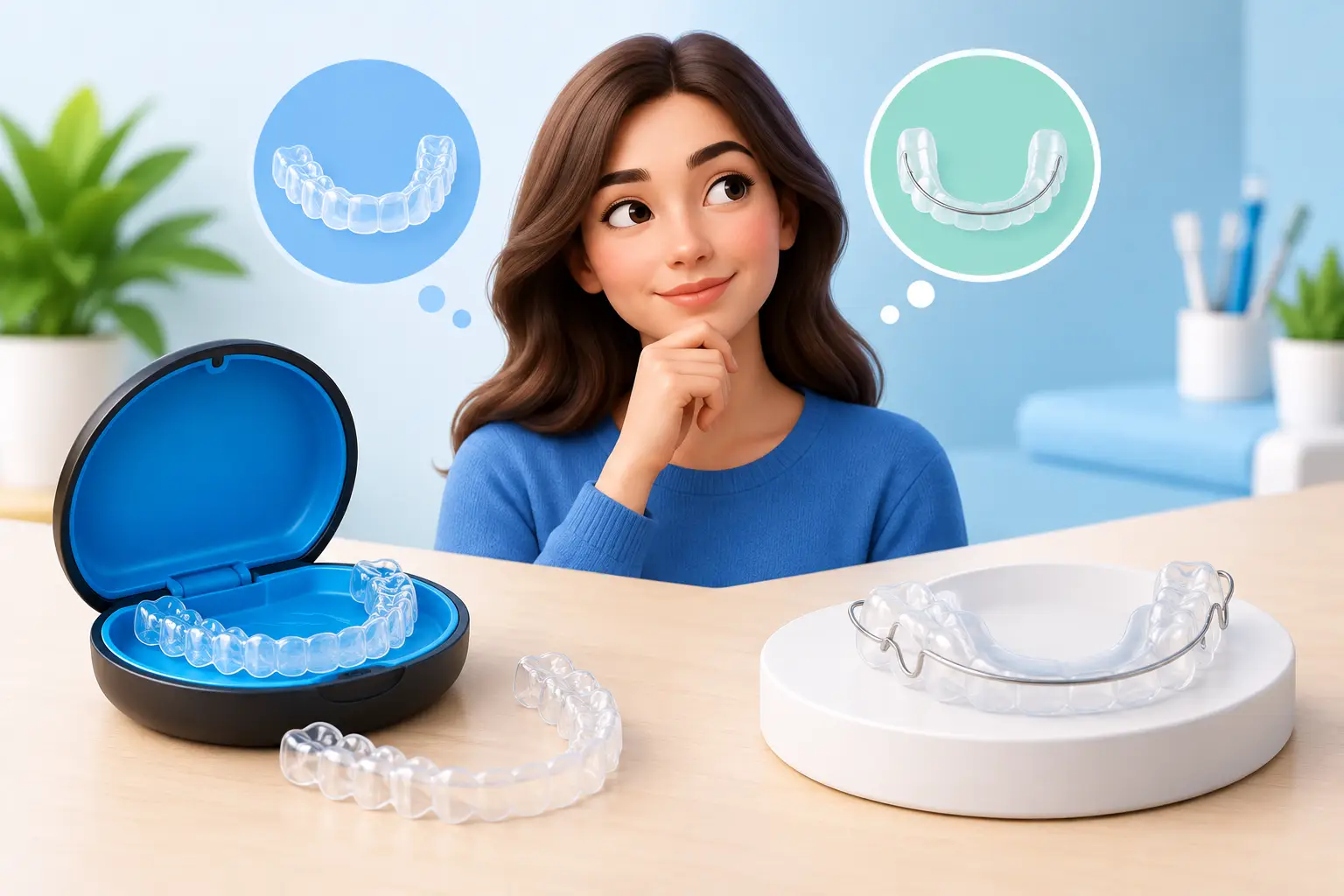
Clear removable retainers are a common choice after Invisalign because they are discreet and fit closely over the teeth. They look similar to aligners but are made for holding teeth still rather than moving them. Some patients may benefit from a bonded retainer, which is a thin wire attached behind the front teeth. A bonded retainer can be helpful in areas especially prone to shifting, but it does not replace a removable retainer unless your dental team specifically recommends that approach.
Bonded retainers also require careful brushing and flossing, and they can come loose without being immediately obvious. For many patients, a removable retainer provides the most practical way to protect the entire smile, including back teeth and bite alignment.
How long to wear a retainer after Invisalign
The most honest answer is: long term. Teeth can shift at any age, whether or not you have had orthodontic treatment. Wearing a retainer is the best way to reduce that risk for years to come.
Your exact schedule will be individualized, but many patients begin by wearing retainers full-time, removing them only to eat, drink anything other than water, and clean their teeth. This phase often lasts for several months. As your result becomes stable, your dentist may transition you to nighttime wear.
For most adults, nightly retainer wear is a long-term habit. That may sound like a lot at first, but most people quickly find that wearing a clear retainer while sleeping is easy to manage. It is far easier than repeating orthodontic treatment because teeth have shifted.
There are situations where the timing differs. If you needed significant tooth movement, had spacing or rotations that were difficult to correct, grind your teeth, or have gum concerns, your retention plan may need closer monitoring. Your bite also matters. A retainer plan should support not only straight-looking teeth, but a comfortable, stable bite.
The first few months deserve extra attention
The earliest period after active treatment is when retainers matter most. If you skip wear during this stage, teeth may move quickly enough that your retainer feels tight or no longer fits. Do not force a retainer that causes sharp pain or does not seat fully. Contact your dental office so the fit can be evaluated before a minor shift becomes a bigger problem.
A retainer that feels snug after a missed night is a useful signal, not something to ignore. It means your teeth are still responsive to pressure and may be beginning to move.
What happens at the end of Invisalign treatment
Near the end of Invisalign, your provider will assess more than whether your teeth look straight in photos. They will check your bite, tooth contacts, gum health, the way your aligners track, and whether refinements would improve the final result.
Refinements are additional aligners used to make small corrections. They are common and do not mean your treatment has failed. Sometimes a tooth does not respond exactly as predicted, or a bite needs a final adjustment for comfort and function. Retainers are made once your team agrees your active tooth movement is complete.
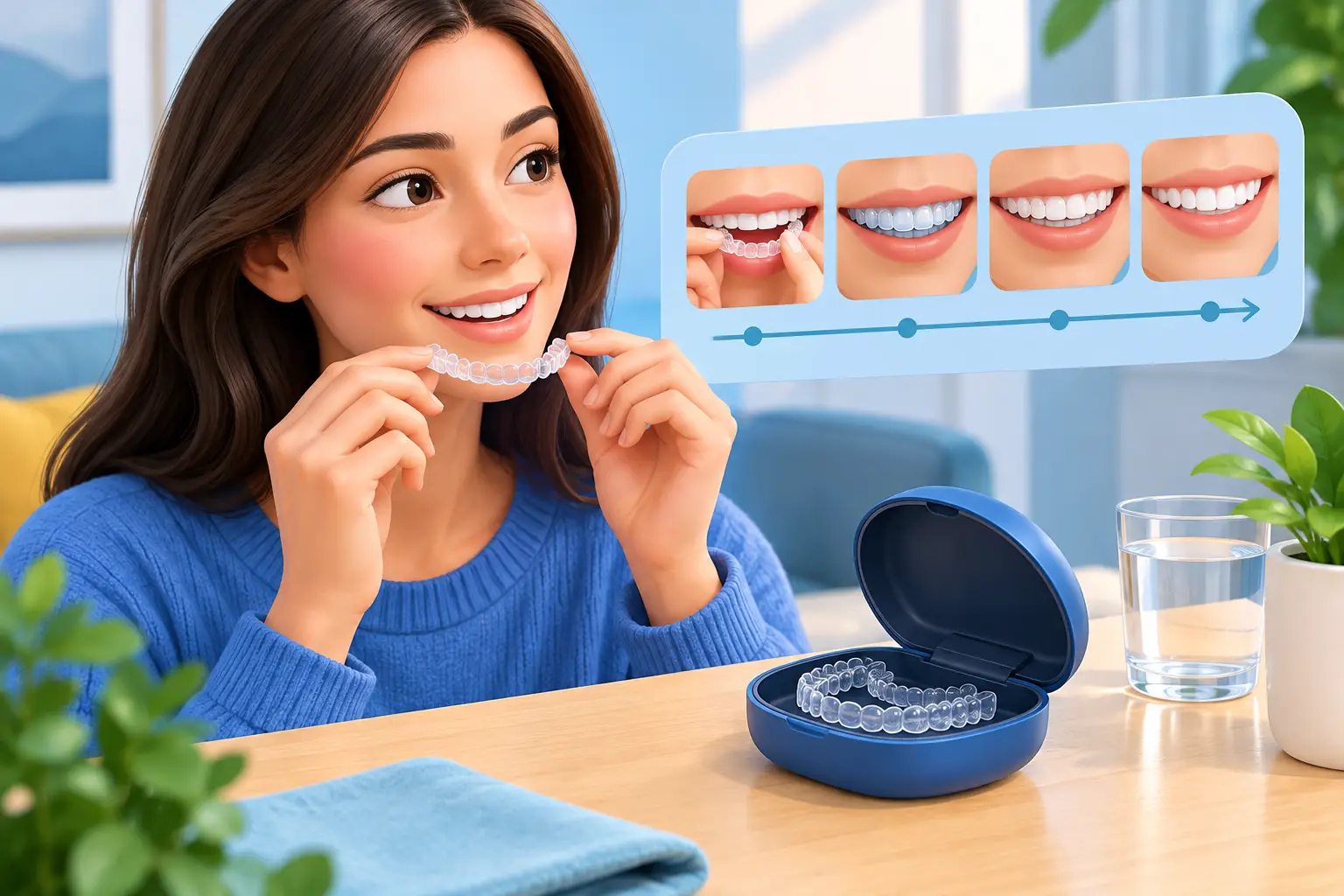
At your retainer appointment, you can expect guidance on insertion and removal, cleaning, storage, and the recommended wear schedule. Keep the final active aligner unless your dental team tells you otherwise. It can be a useful temporary backup if there is a delay before you receive your retainers.
Making retainer wear easy enough to maintain
The best retainer plan is one you can follow consistently. A few simple routines make a meaningful difference:
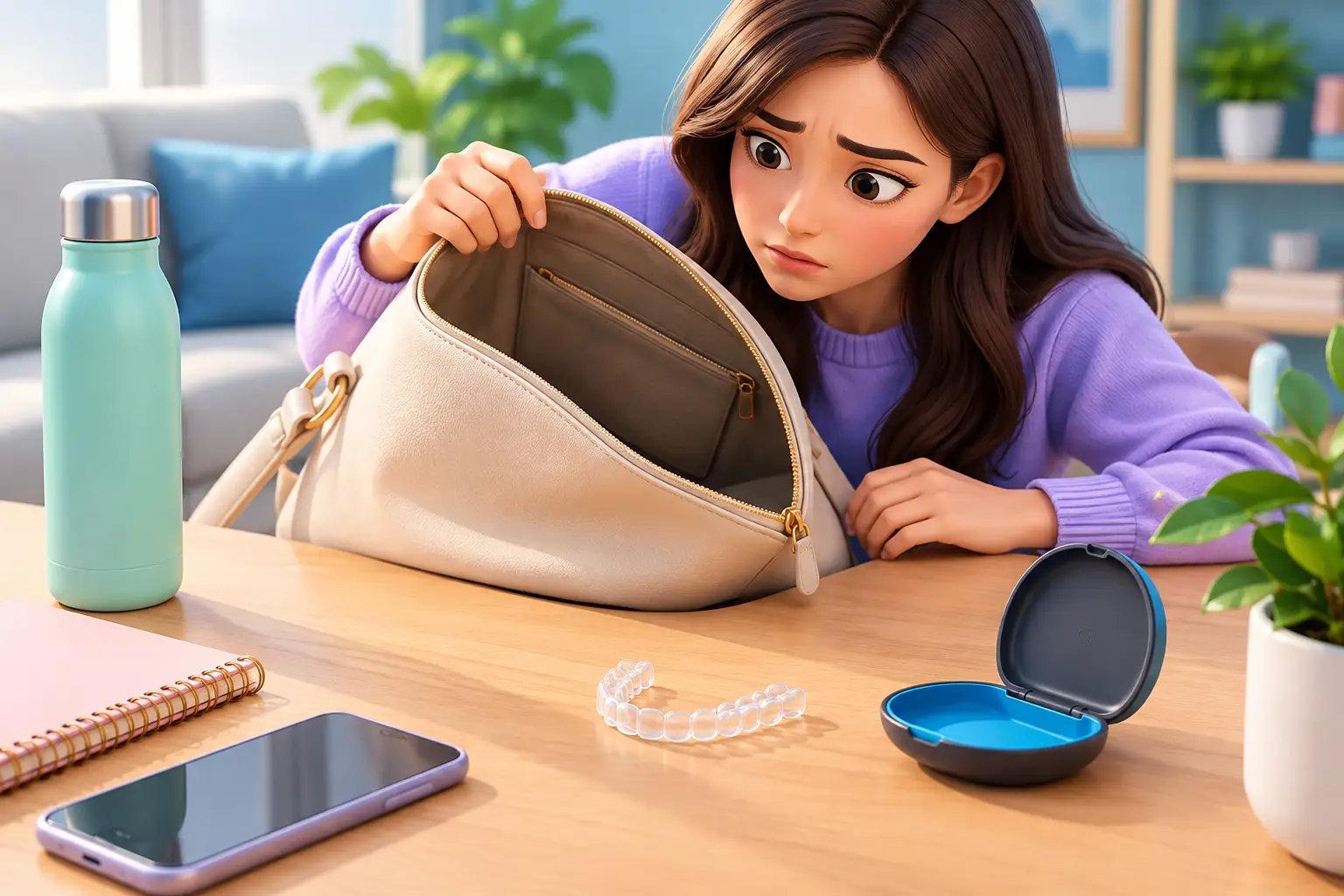
- Put retainers in their case whenever they are not in your mouth. Napkins are the most common way retainers get accidentally thrown away.
- Clean them daily with a soft toothbrush, mild soap, or a retainer cleaner recommended by your dental team. Avoid hot water, which can warp clear plastic.
- Brush and floss before putting them back in. Trapping food and plaque against teeth can increase the risk of cavities and gum irritation.
- Bring retainers to regular dental visits so their fit and condition can be checked.
If you clench or grind, let your provider know. In some cases, the right retainer design can also help protect teeth from wear, though it is not always a substitute for a dedicated night guard. Your dentist can explain which option is appropriate for your bite.
What if you lose or break your retainer?
Call as soon as possible. Teeth do not follow a calendar, and some people notice movement within days or weeks without their retainer. If you still have a previous retainer or final aligner that fits comfortably, ask whether you should wear it temporarily while a replacement is made.
Do not try to repair a cracked retainer with household glue, and do not continue wearing one with sharp or distorted edges. A damaged appliance may not hold teeth correctly and can irritate your gums or cheeks.
Having a backup set can be especially helpful for patients who travel often, have pets that like to chew, or simply want peace of mind. Discuss this option when your retainers are made.
A long-term habit that protects your smile
Finishing Invisalign is worth celebrating. Retainer wear is simply the next phase of caring for the result, much like brushing, flossing, and routine dental visits protect the health of your teeth over time.
If you are near the end of treatment, ask your dental team what type of retainer they recommend, when you will receive it, and what schedule is right for your smile. Clear expectations now can help your straighter, healthier-looking smile stay that way for years to come.