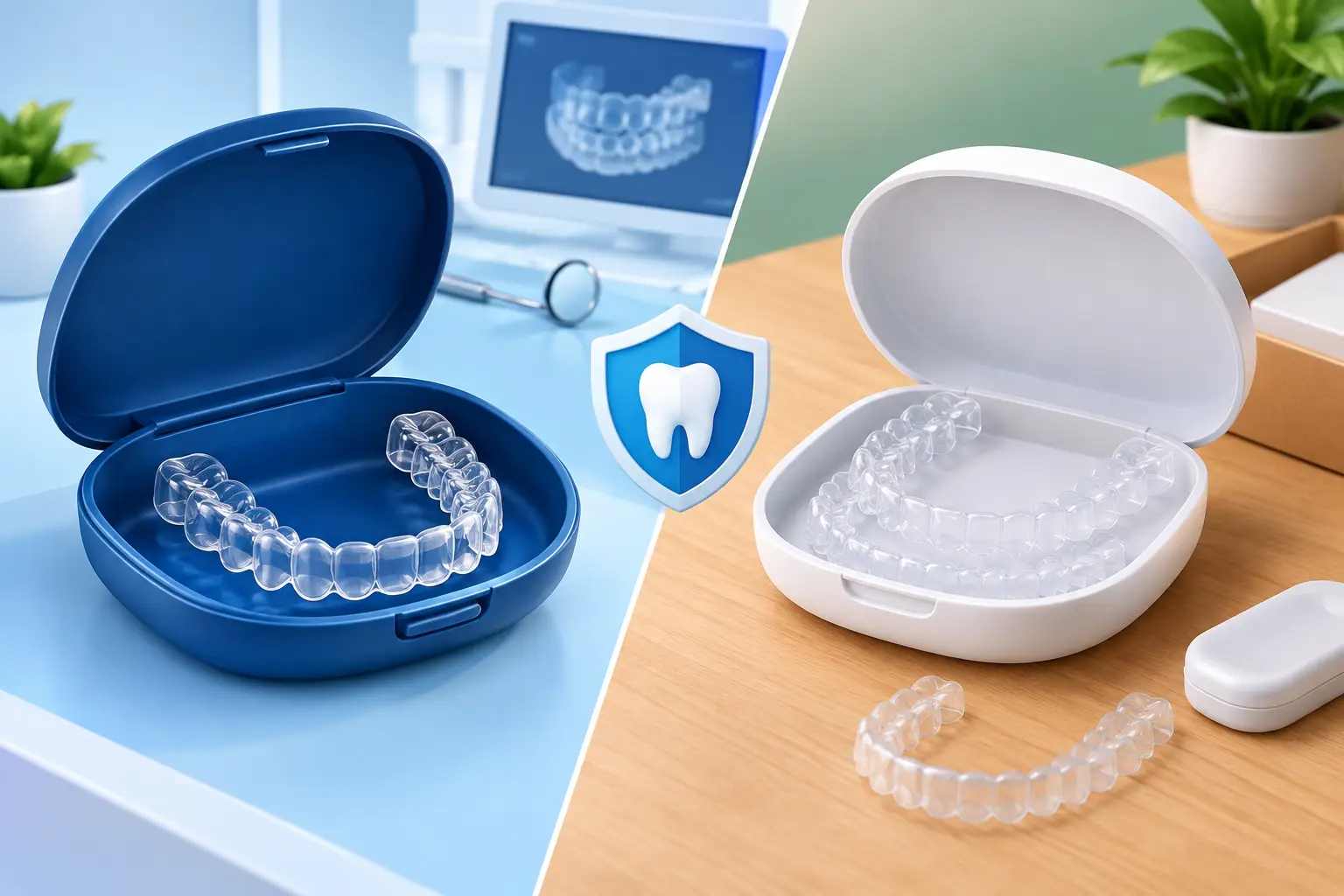
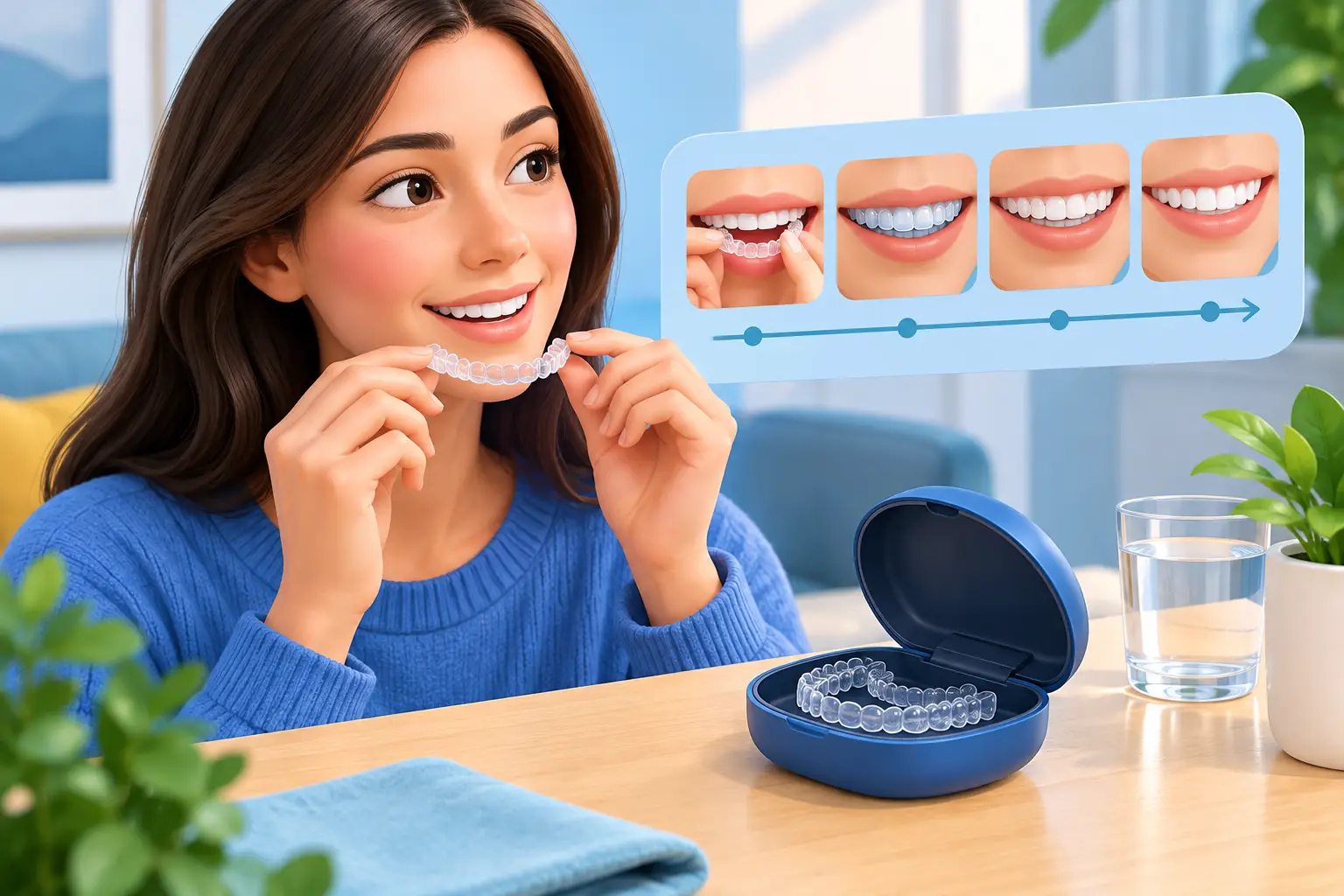
A new aligner can feel surprisingly snug the first time it clicks into place. For many adults, that moment brings the question: does Invisalign hurt? Usually, the experience is better described as pressure, tenderness, or temporary Invisalign discomfort rather than sharp pain. Your teeth are being gently guided into new positions, and that movement can be noticeable - especially during the Invisalign pain first week.
If you are an adult nervous about aligner soreness before starting, you are not alone. Many people choose clear aligners because treatment is discreet and removable, but still worry that the process will interfere with work, meals, sleep, or daily comfort. Knowing what is typical can make those early days feel much more manageable.
This is general information only. Every smile, treatment plan, and health history is different, and your dentist decides care based on your specific needs.
Does Invisalign Hurt or Just Feel Tight?
Most patients describe a new tray as tight, firm, or pressurized. That feeling is often strongest when you first put in a new set of aligners and may be most noticeable around the teeth that are scheduled to move during that stage of treatment.
What tightness feels like when a new tray goes in can vary. Some people feel a steady, dull pressure across several teeth. Others notice tenderness when biting down or removing the aligner for meals. It may feel similar to the sensitivity you remember after braces were adjusted, though clear aligners apply force in a different way.
The key distinction is that normal orthodontic pressure should generally be temporary and manageable. It tends to settle as your teeth adapt to the new tray, often within the first couple of days. A tray should fit securely, but it should not cause intense, worsening, or persistent pain.
The first week can feel more noticeable because you are adjusting to several things at once: the pressure of aligners, taking them in and out, speaking with them in place, and wearing them for most of the day. Once the routine becomes familiar, many patients find that new-tray soreness is predictable and short-lived.
Invisalign Pain First Week: What Is Common?
The Invisalign pain first week is not necessarily constant. You may feel little discomfort when the aligners are sitting still, then notice sensitivity when chewing a crunchy salad, biting into a sandwich, or brushing certain teeth. Cold drinks can also feel more intense if a tooth is temporarily tender.
There can be mild irritation where the edge of an aligner touches the tongue, cheek, or gum tissue. This is different from tooth pressure. Orthodontic wax may help protect an area that is rubbing, but do not try to reshape or trim an aligner without guidance from your dental team. An adjustment that seems minor can affect fit and treatment progress.
Some patients also notice that the aligners feel tightest after putting them back in following a meal. That does not automatically mean anything is wrong. Wearing aligners as directed helps maintain steady, controlled movement, while extended time out of the trays may make reinsertion feel less comfortable.
If you receive attachments, small tooth-colored shapes that help the aligners guide specific movements, your teeth may feel different for a few days as you get used to them. Attachments can also make removing aligners feel awkward at first. With practice, most people develop an easy routine.
Does Invisalign Hurt More Than Braces?
Does Invisalign hurt more than braces? There is no universal answer, because comfort depends on the type of tooth movement, your sensitivity, how consistently aligners are worn, and the details of your orthodontic plan.
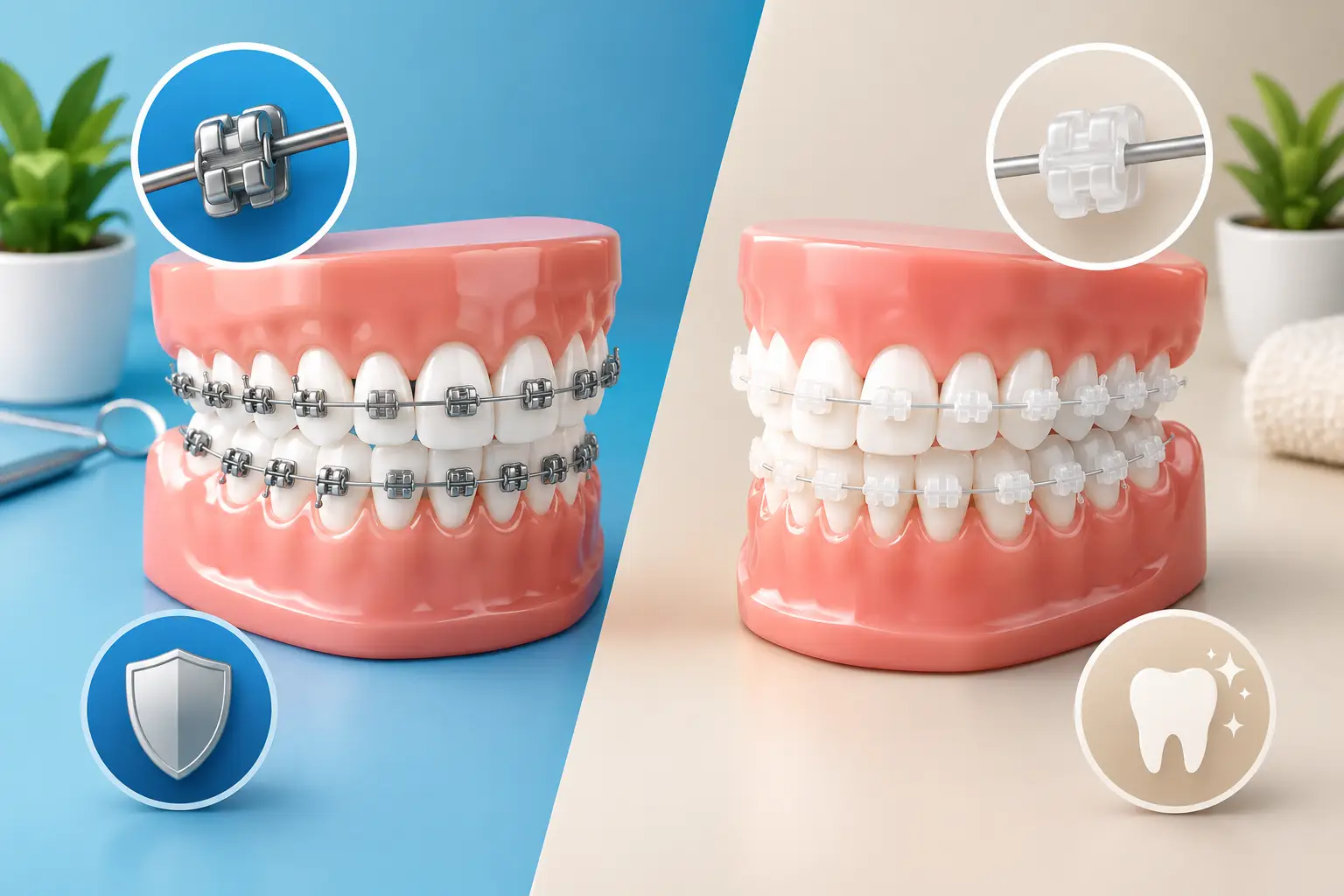
Many adults find clear aligners more comfortable than traditional braces because there are no brackets and wires to rub against the cheeks and lips. Braces can create soft-tissue irritation, particularly after adjustments or if a wire shifts. Clear aligners are smooth plastic and are removable for eating and brushing.
That said, aligners can still create pressure on teeth, and each new tray may bring a brief adjustment period. Braces are adjusted at appointments; aligners are usually changed in stages according to the schedule your dentist provides. Instead of one larger adjustment, some people experience smaller, recurring periods of tightness.
Comfort is only one part of the decision. Clear aligner treatment requires consistent wear and careful handling. Braces stay in place, while aligners rely on the patient wearing them as prescribed. The best choice depends on your bite, the movements needed, your oral health, and your lifestyle.
Easing Sore Teeth With a New Aligner
A little planning can make new-tray days easier. If your dentist has instructed you to change aligners at a certain interval, many patients prefer to begin a new tray in the evening. That gives them time to sleep through part of the initial tightness rather than noticing it during a busy workday.
Choose softer foods if your teeth are tender. Yogurt, eggs, soup, cooked vegetables, fish, pasta, and smoothies can be easier to manage than crusty bread, nuts, or hard raw vegetables for a day or two. You do not need to avoid healthy foods indefinitely, but it is reasonable to give sensitive teeth a short break.
Continue brushing and flossing carefully. Clean teeth and aligners help support gum health during treatment, and a clean aligner is more comfortable to wear. Use a soft toothbrush and a gentle technique if a particular tooth feels sore.
If you are considering an over-the-counter pain reliever, ask your dentist or physician what is appropriate for you. Medication choices can depend on your medical history, allergies, other medications, and individual treatment considerations. Do not use discomfort as a reason to stop wearing aligners unless your dental team tells you to do so.
When Aligner Discomfort Needs a Call
A new aligner may feel tight, but it should not be ignored if something feels clearly wrong. Contact your dentist if pain is severe, increasing, or lasting beyond the expected adjustment period. Also call if an aligner will not seat fully, cracks, causes a sore that does not improve, or feels dramatically different from previous trays.
Swelling, fever, gum bleeding that is unusual for you, a loose tooth, or pain that seems unrelated to the aligner should also be evaluated. Orthodontic treatment does not prevent ordinary dental concerns such as a cracked tooth, cavity, or gum infection. It is always better to ask than to assume a concerning symptom is part of treatment.
At Seattle Oral Care, we want patients to feel informed before treatment starts and supported as it progresses. A clear explanation of wear instructions, tray changes, and what to expect can take much of the uncertainty out of clear aligner care.
Starting Invisalign does not require you to simply tolerate discomfort in silence. Expect some brief pressure, give yourself time to adjust, and let your dental team know when something does not feel right. Feeling heard is part of feeling comfortable in your care.