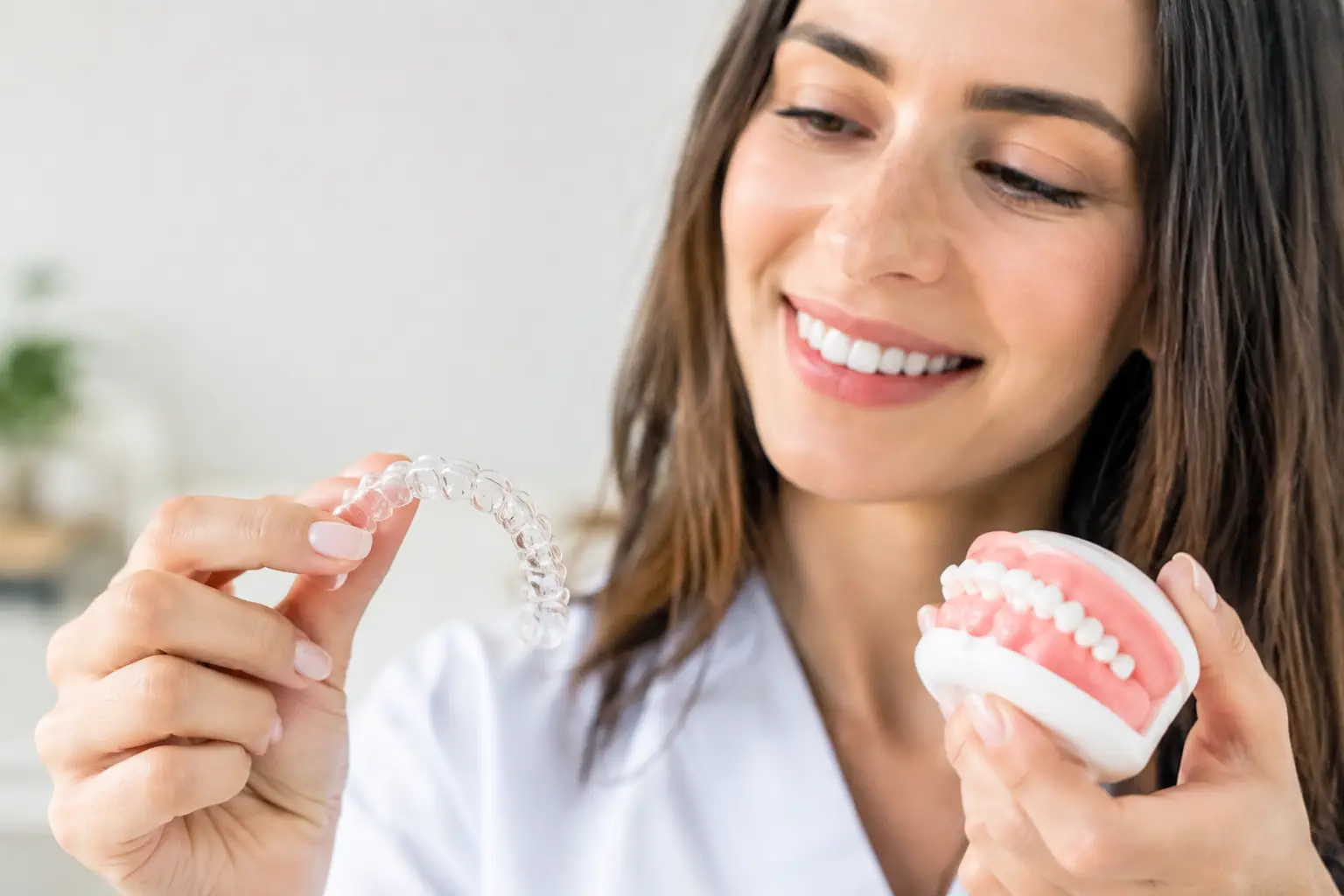
A business lunch, a video call, a close-up photo - these are often the moments that make adults pause before starting orthodontic treatment. If you are weighing Invisalign vs clear braces , the question is usually not whether you want a more polished smile. It is which option will feel least noticeable in the life you already lead.
Both choices are designed to be more discreet than traditional metal braces, but they are visible in different ways. Clear aligners are removable transparent trays. Ceramic braces use tooth-colored brackets that stay on the teeth, usually with a wire running across the front. The best fit depends on what “least visible” means to you, as well as your routines, preferences, and the details your dentist sees during an exam.
Invisalign vs Clear Braces: What Others May Notice
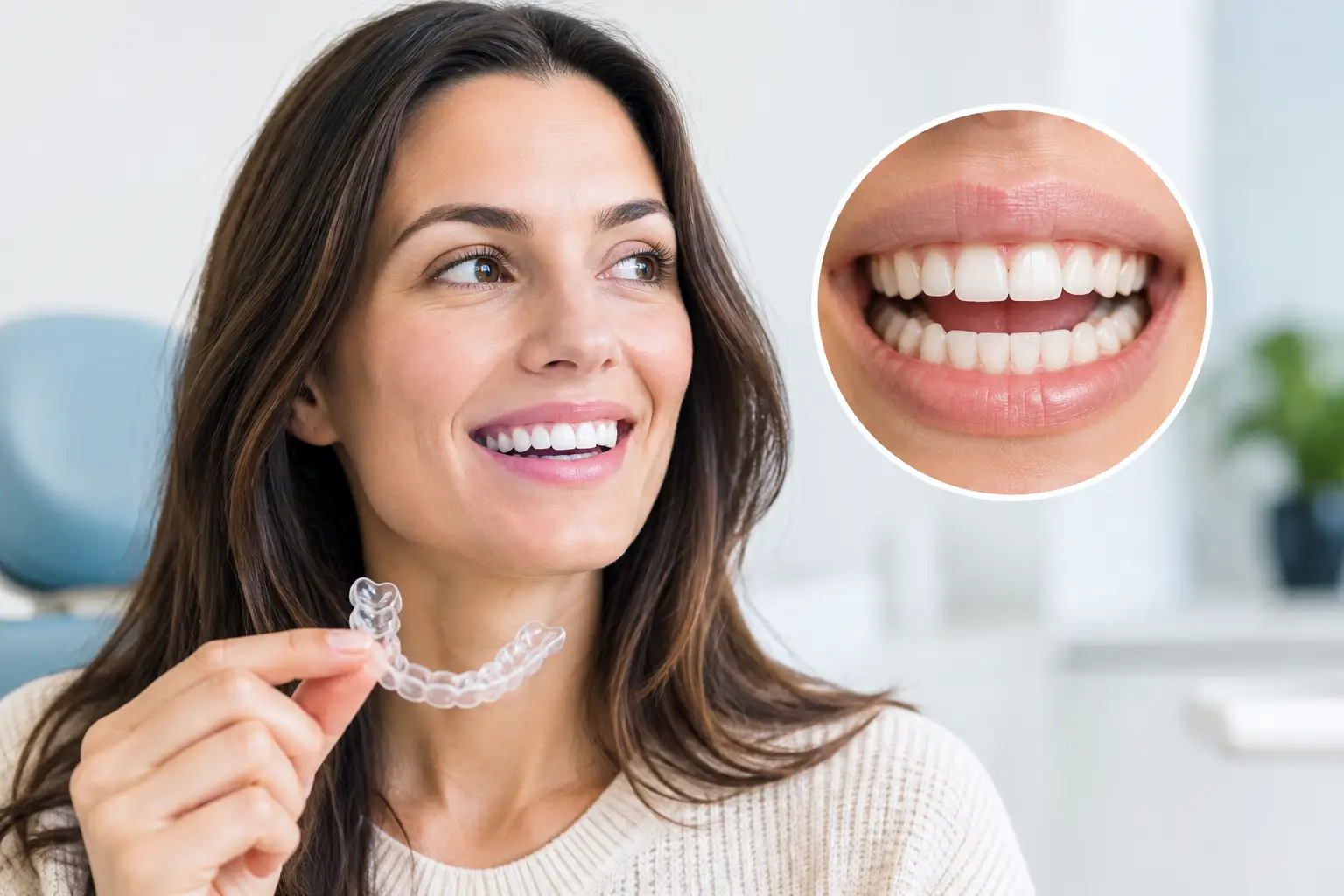
From a conversational distance, clear aligners can be difficult for others to spot. They fit closely over the teeth and do not have brackets or a visible wire. That makes them appealing to adults who spend time in meetings, attend events, or simply prefer an orthodontic option that does not immediately announce itself.
Still, aligners are not always completely invisible. Some treatment plans include small, tooth-colored attachments placed on certain teeth. These may be noticeable at close range, especially in bright light or photographs. The aligner itself can also catch light, and it may be more apparent when someone is speaking up close.
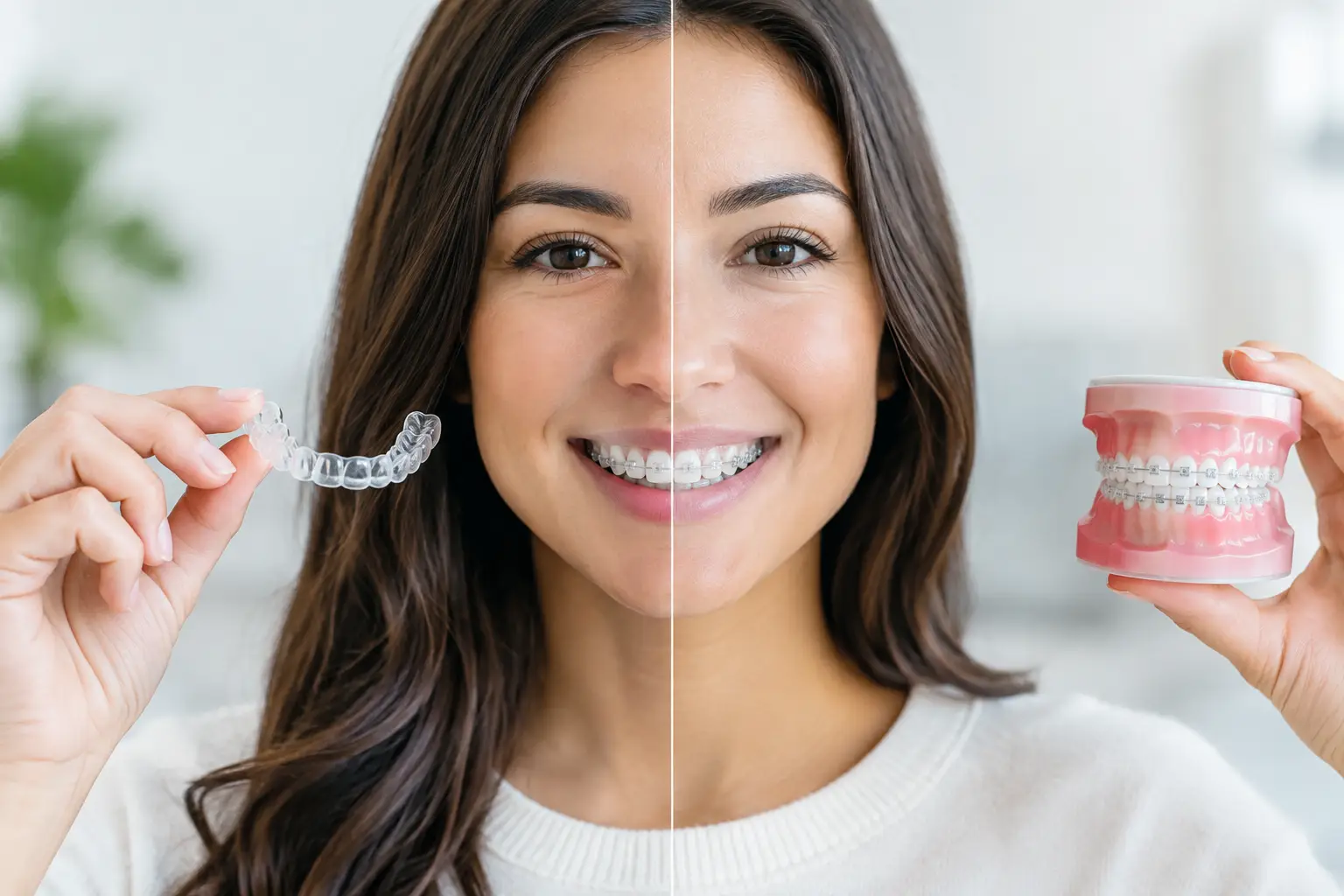
Ceramic braces are subtle compared with metal braces, but they are usually easier to see than aligners. The brackets blend with the natural shade of teeth, while the wire remains visible. Clear or light-colored elastic ties may be used, though their appearance can change between visits. For someone who wants a fixed appliance but would like to avoid the look of metal brackets, ceramic braces can be a thoughtful middle ground.
The honest answer is that neither choice disappears entirely. Aligners tend to look less noticeable overall, while ceramic braces offer a lower-profile version of traditional braces. A consultation should include a close look at both options, rather than a promise that either will be invisible.
Tooth-Colored Braces vs Aligners in Everyday Life
Visibility matters, but day-to-day habits often decide which option feels easier to live with.
Clear aligners come out for meals and drinks other than water. That can feel convenient when you want to enjoy a meal without brackets and wires. It also means the trays need to be removed, stored safely, and put back in afterward. Many adults appreciate this flexibility, while others find the repeated routine difficult during busy workdays, travel, or social events.
Aligners also need regular cleaning. Because they sit directly over the teeth, drinking coffee, tea, red wine, or colored beverages while wearing them may affect how they look. Some people prefer to take them out for those drinks; others build a quick rinse-and-clean routine into the day. The key consideration is whether this kind of self-directed routine feels manageable for you.
Ceramic braces remain in place. There is no decision to put them back in after a meal and no chance of leaving them in a napkin at a restaurant. For an adult who would rather not track a removable appliance, that consistency can be reassuring. On the other hand, brushing around brackets and wires takes more attention, and certain foods may be discussed before treatment begins.
Neither routine is inherently better. A person with a highly structured schedule may like the predictability of fixed braces. Someone who values the ability to remove their orthodontic appliance for a meal or special occasion may lean toward aligners.
The social side of each choice
For many adults, the real concern is not clinical terminology. It is the awkwardness of being seen with orthodontic treatment for the first time.
Aligners may feel more private because they can be removed briefly for a presentation, photograph, or special event when appropriate within the guidance of your dental team. That flexibility is meaningful for some people. It is also worth considering whether temporary removal would create more stress, especially if you are worried about misplacing the trays or falling out of your intended routine.
Ceramic braces are always present, which means there is less to manage socially. Once they are on, you may find that the anticipation was harder than the reality. Friends, coworkers, and family often notice far less than patients expect. If you prefer not to think about taking appliances in and out throughout the day, a fixed option can feel simpler emotionally as well as practically.
Invisalign vs Ceramic Braces: Details That Can Change the Decision
An online photo comparison can be useful, but it cannot show the factors that may affect your own plan. Invisalign vs ceramic braces is not only a question of tray versus bracket. It is also a conversation about your teeth, bite, existing dental work, and the type of orthodontic changes being considered.
For example, the shape and color of teeth, the position of the gumline, and the presence of crowns or other restorations can influence what looks most discreet. Attachments used with aligners may blend differently from one person to another. Ceramic brackets are selected to coordinate with tooth color, but their visibility may vary depending on lighting, the wire, and the elastic ties.
Your dentist may also consider whether you are likely to prefer a removable or fixed approach over time. This is not about being “good” or “bad” at treatment. It is about choosing a routine that respects how you work, eat, travel, and care for your teeth. The least visible option on paper is not always the least stressful option in real life.
At Seattle Oral Care, that conversation is meant to be personal. A careful evaluation gives you space to ask direct questions, look at the practical differences, and understand why one approach may be more appropriate for your priorities.
Questions Worth Asking During Your Consultation
Before deciding between tooth-colored braces vs aligners, ask your dental team to show you what they mean by discreet. It can help to discuss whether attachments may be used, how the braces’ wire and elastics may appear, and what each option requires during meals, travel, and special occasions.
You may also want to ask how often you would return for visits, what home care would look like, and how existing crowns, fillings, or other dental work factor into planning. If you are nervous about dental treatment, say so early. A good consultation should not feel rushed or judgmental. You deserve clear explanations and time to consider the information.
Photos can be useful, but do not let a single before-and-after image make the decision for you. The most helpful comparison is one based on your own teeth, your schedule, and your comfort with a removable versus fixed appliance.
Choosing the Option You Can Feel Comfortable Wearing
If your priority is the least visible appearance in most daily interactions, aligners are often the first option adults want to explore. If you prefer an appliance that stays in place and do not mind some visible hardware, ceramic braces may feel more dependable and less demanding day to day.
There is no need to decide based on anxiety, a friend’s experience, or one photo online. The right conversation can replace uncertainty with a clear sense of what each option would ask of you. Choose the approach that lets you feel informed, comfortable, and ready for the next step.