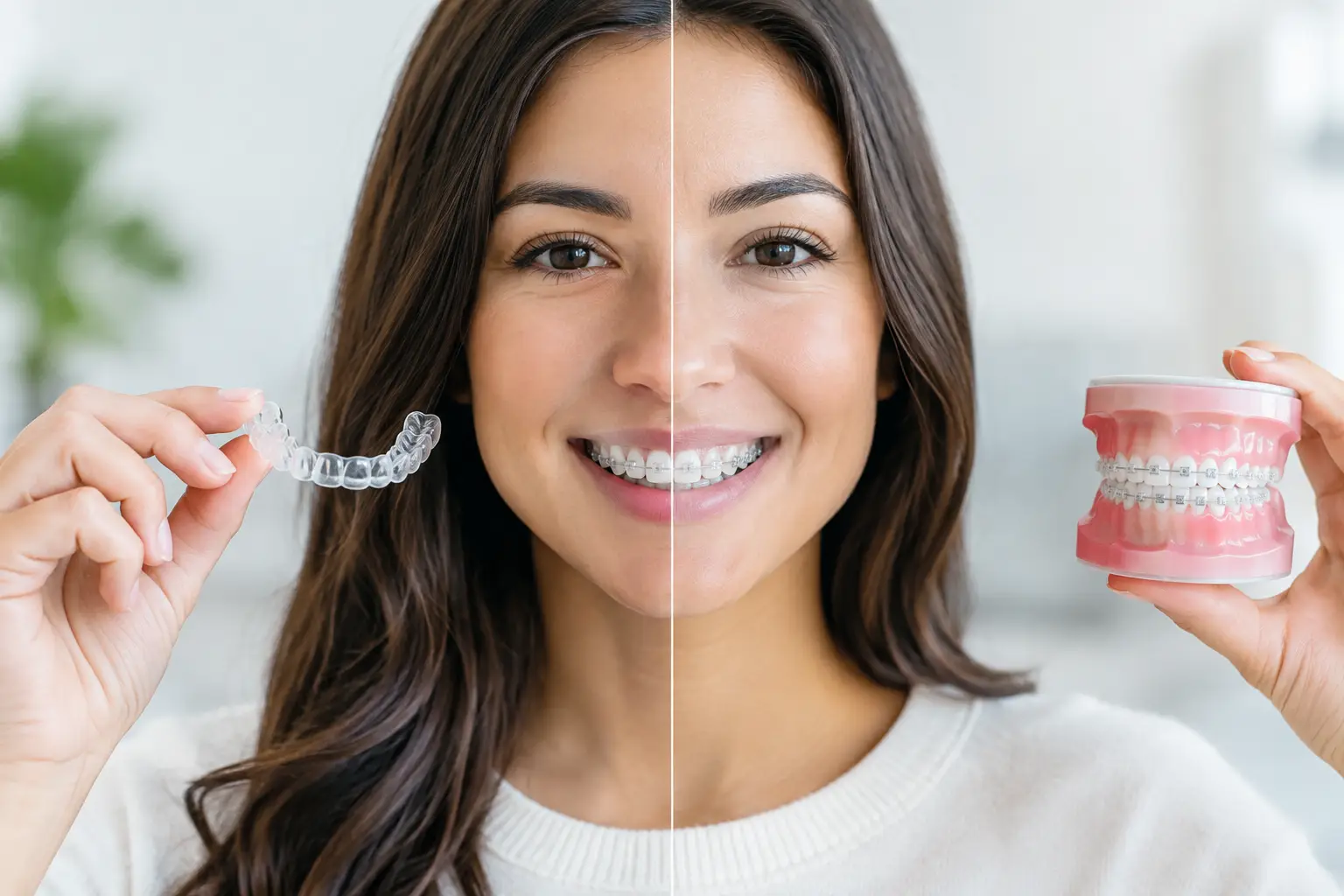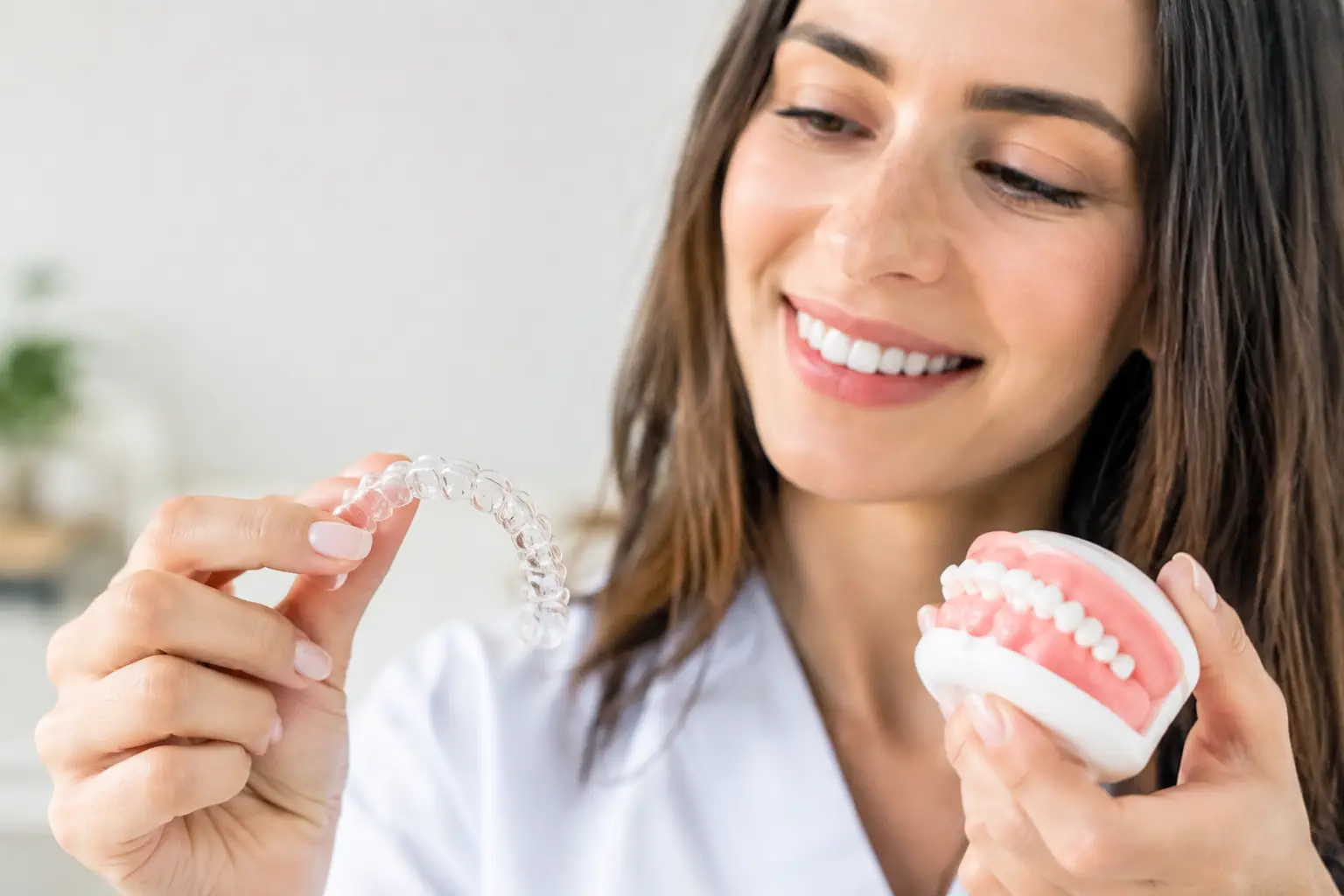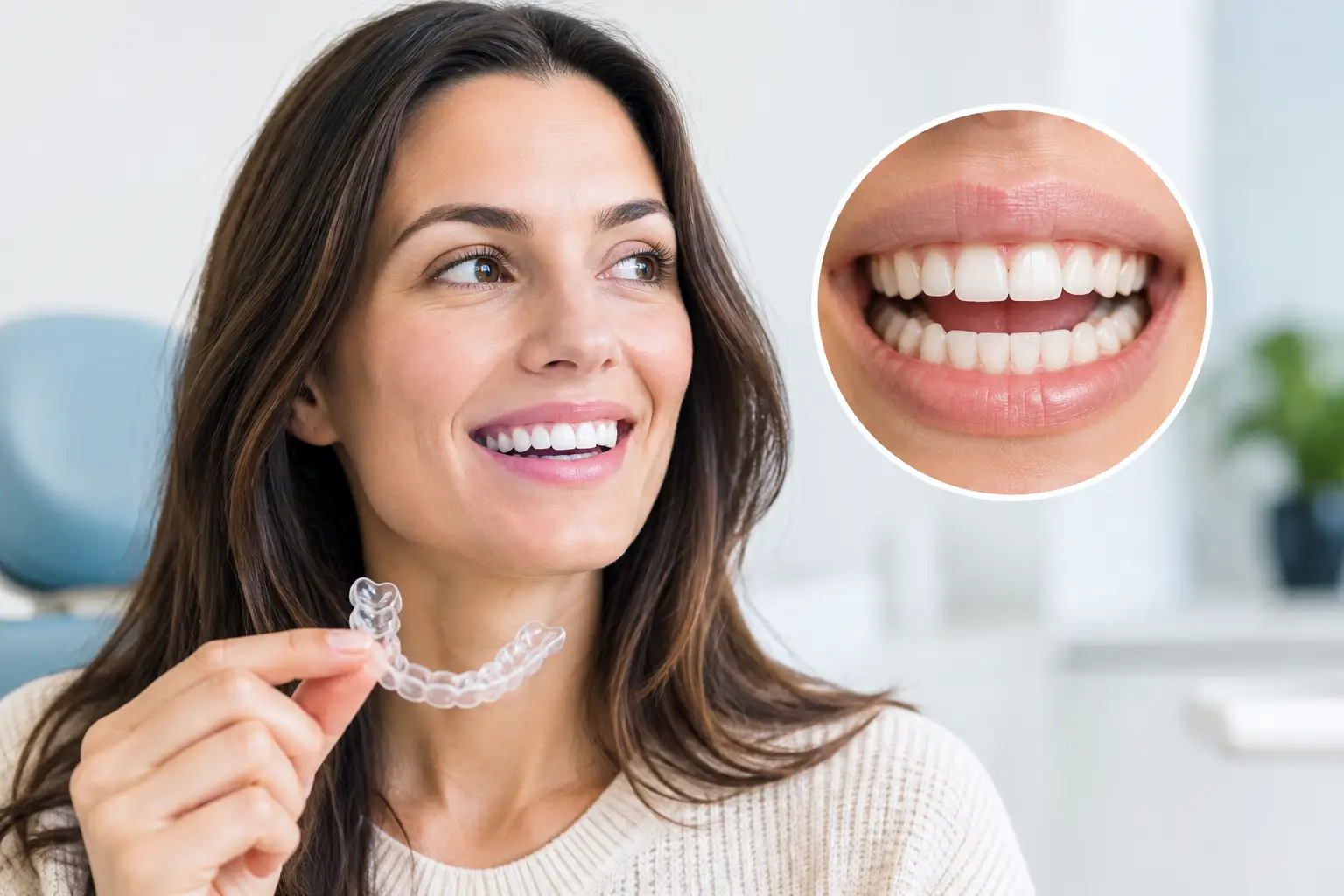
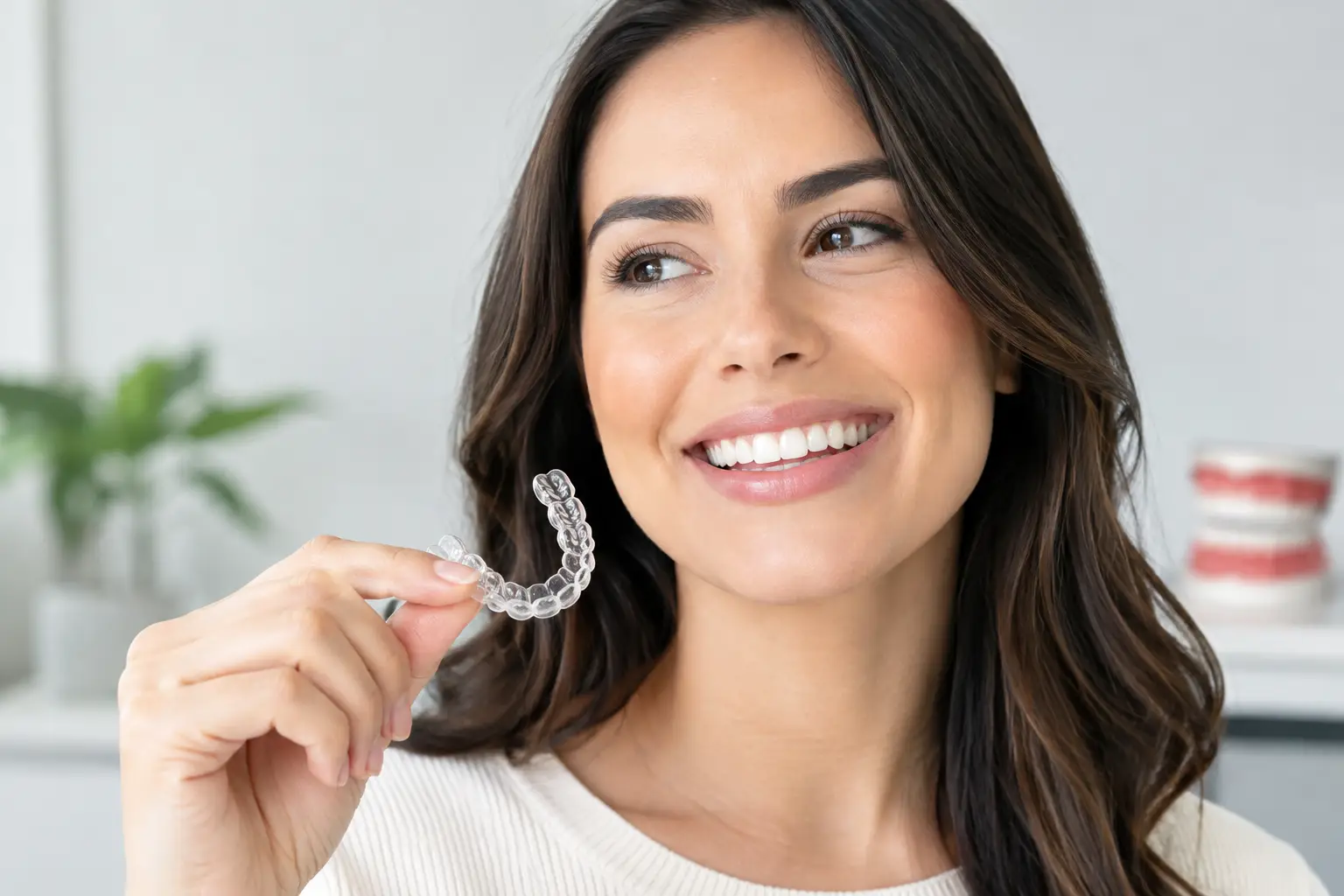
When an adult whose front teeth do not meet smiles or bites into a sandwich, the concern is often more than cosmetic. This condition, called an anterior open bite, can affect speech, chewing, tooth wear, and confidence. Invisalign for open bite can be an effective option for many adults, but the right answer depends on why the teeth do not meet in the first place.
At Seattle Oral Care, we approach orthodontic care as part of your overall oral health. That means looking beyond straight teeth to understand your bite, jaw position, gum health, tooth condition, and the habits that may have contributed to the problem. You deserve a clear explanation of what is possible and a plan built for lasting comfort.
What is an anterior open bite in adults?
An anterior open bite means there is a visible space between the upper and lower front teeth when the back teeth are together. Some people notice it in photos. Others first recognize it because they cannot bite through thin foods such as lettuce, noodles, or pizza crust with their front teeth.
In adults, an open bite may be primarily dental, meaning the teeth have shifted into positions that leave a gap. It can also be skeletal, meaning the relationship or growth pattern of the upper and lower jaws plays a major role. Many cases involve a combination of both.
The distinction matters because clear aligners move teeth, not jawbones. A carefully planned Invisalign case can improve many dental open bites. A more significant skeletal discrepancy may need a different approach, such as orthodontics combined with jaw surgery, or a plan that focuses on improving function and appearance within the limits of tooth movement.
Does Invisalign fix open bite problems?
Does Invisalign fix open bite concerns? Often, yes - particularly when the open bite is mild to moderate and caused largely by tooth position, tongue pressure, or bite changes over time. Clear aligners can move front and back teeth in highly controlled ways to bring the front teeth into contact while creating a balanced bite.
Treatment may involve small tooth-colored attachments that give the aligners more control. In some cases, patients wear elastics between the upper and lower aligners to guide how the teeth come together. The goal is not simply to close the visible gap. Your provider must also make sure the back teeth fit comfortably, the front teeth are supported properly, and the result can be maintained.
Clear aligners are especially appealing to many working adults because they are discreet and removable for meals and brushing. They do require consistency. Aligners generally need to be worn about 20 to 22 hours per day. Removing them frequently or forgetting to switch trays as directed can slow progress and make a carefully planned bite correction less predictable.
Why front teeth may not meet
An open bite does not have one universal cause. Identifying the cause is one of the most valuable parts of an orthodontic consultation. For adults, common contributors include:
- Long-term tongue thrusting or a forward tongue resting posture
- Past thumb or finger sucking habits that affected tooth development
- Teeth that have shifted after earlier orthodontic treatment
- Jaw growth patterns and skeletal differences
- Missing, worn, or poorly positioned teeth that have changed the bite
- Clenching, grinding, or dental work that has altered how teeth contact
Tongue posture deserves special attention. If the tongue consistently presses against or between the front teeth, orthodontic movement alone may not hold. Depending on what we find, we may recommend coordination with a myofunctional therapist, physician, or other appropriate provider. Addressing the underlying pattern gives your new bite a better chance of staying stable.
When Invisalign may be a good fit
Invisalign is often a strong choice for an adult with a dental open bite, healthy gums and bone support, and the ability to wear aligners reliably. It can also be useful when spacing, crowding, crossbites, or relapse from previous braces are present at the same time.
Adults with dental crowns, implants, or prior restorative work can still be candidates, but planning needs to be thoughtful. An implant does not move like a natural tooth, and existing crowns must be evaluated for fit, health, and appearance as surrounding teeth shift. In some situations, orthodontic treatment comes before final restorative treatment so crowns, bridges, or implants can be placed in a more functional position.
This coordinated approach is particularly valuable for patients with complex needs. Rather than treating the open bite as an isolated cosmetic issue, the care team can consider how orthodontics, gum health, restorative dentistry , and long-term maintenance work together.
When another treatment may be better
Clear aligners are not the best answer for every open bite. A severe skeletal open bite may be difficult to correct fully with aligners or braces alone. Trying to camouflage a large jaw discrepancy with excessive tooth movement can compromise tooth support, create an unstable bite, or produce an appearance that does not meet your goals.
Some patients benefit from traditional braces because they offer different mechanics for complex tooth movements. Others may want to discuss orthodontic treatment with an oral surgeon when jaw position is the central issue. If teeth are severely worn, missing, or damaged, restorative treatment may also be part of the solution.
A good consultation should never make you feel pressured toward one treatment. It should give you an honest picture of the likely result, the alternatives, the timeline, and what each option asks of you.
What adult Invisalign treatment involves
Your first visit begins with a conversation about what you notice and what you hope to change. We then evaluate your teeth, bite, gums, jaw function, and any existing dental work. Digital scans, photographs, and X-rays help us assess whether the open bite is dental, skeletal, or mixed.
If Invisalign is appropriate, your custom aligners are designed in a series. You will wear each set as directed and return periodically so we can monitor tooth movement, bite changes, and your comfort. Appointments are an opportunity to address questions early, especially if an aligner does not fit fully or a tooth is not tracking as expected.
Treatment time varies. Straightforward cases may take months, while more complex bite corrections can take 12 to 24 months or longer. The final stage matters just as much as the first. Once the teeth are in their planned positions, retainers help protect the result. For an open bite, ongoing retention and management of contributing habits are essential.
A healthier bite is the goal
Closing a space between the front teeth can make a meaningful difference in how you eat, speak, and feel when you smile. Still, the best result is not measured by a photograph alone. It is a bite that feels comfortable, supports healthy teeth and gums, and has a realistic plan for staying stable.
If your front teeth do not meet, you do not have to guess whether aligners can help. A thorough evaluation can show whether Invisalign fits your needs, what trade-offs to consider, and how to move forward with confidence. Gentle, informed care starts with understanding your bite - and making choices that support your smile for years to come.