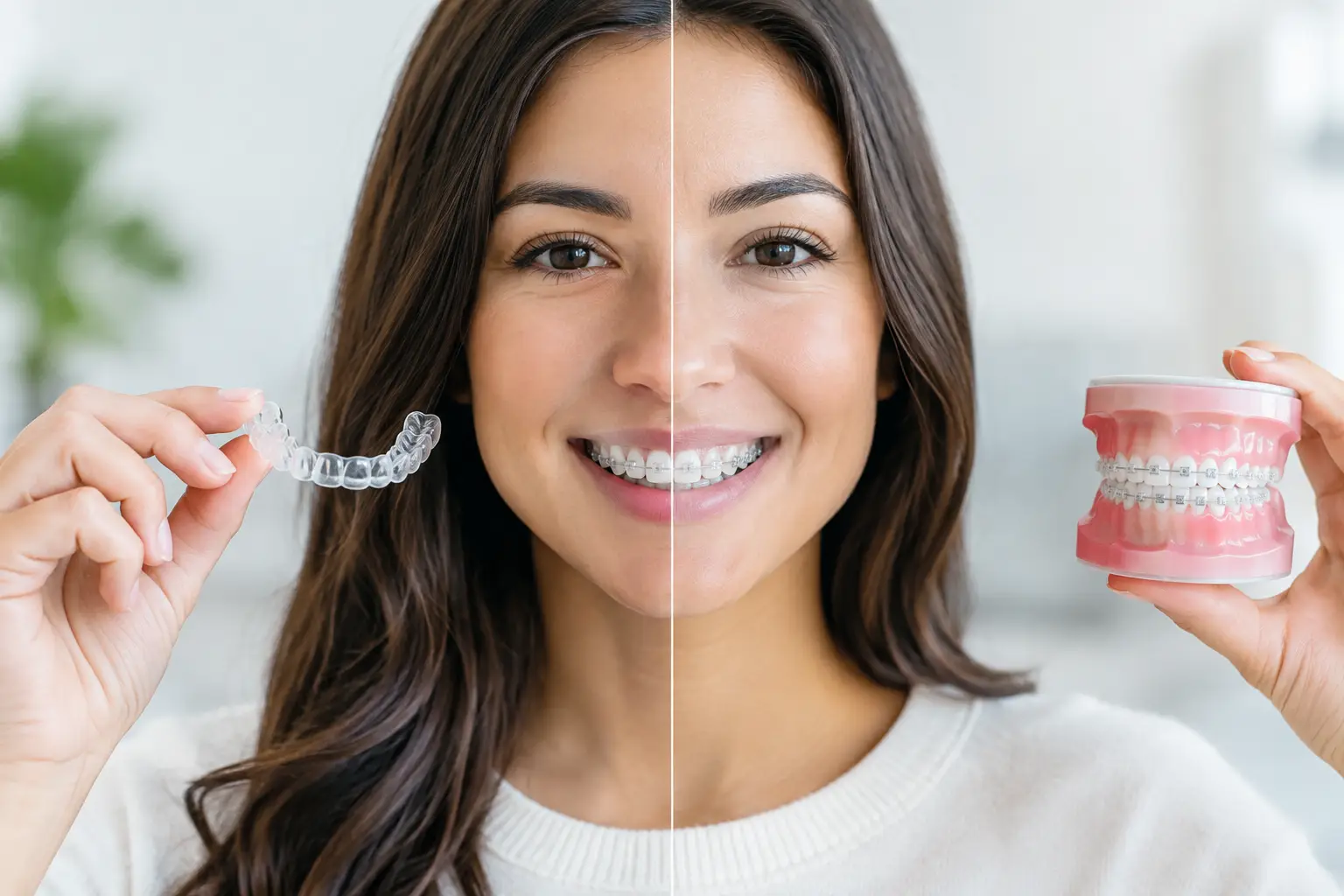
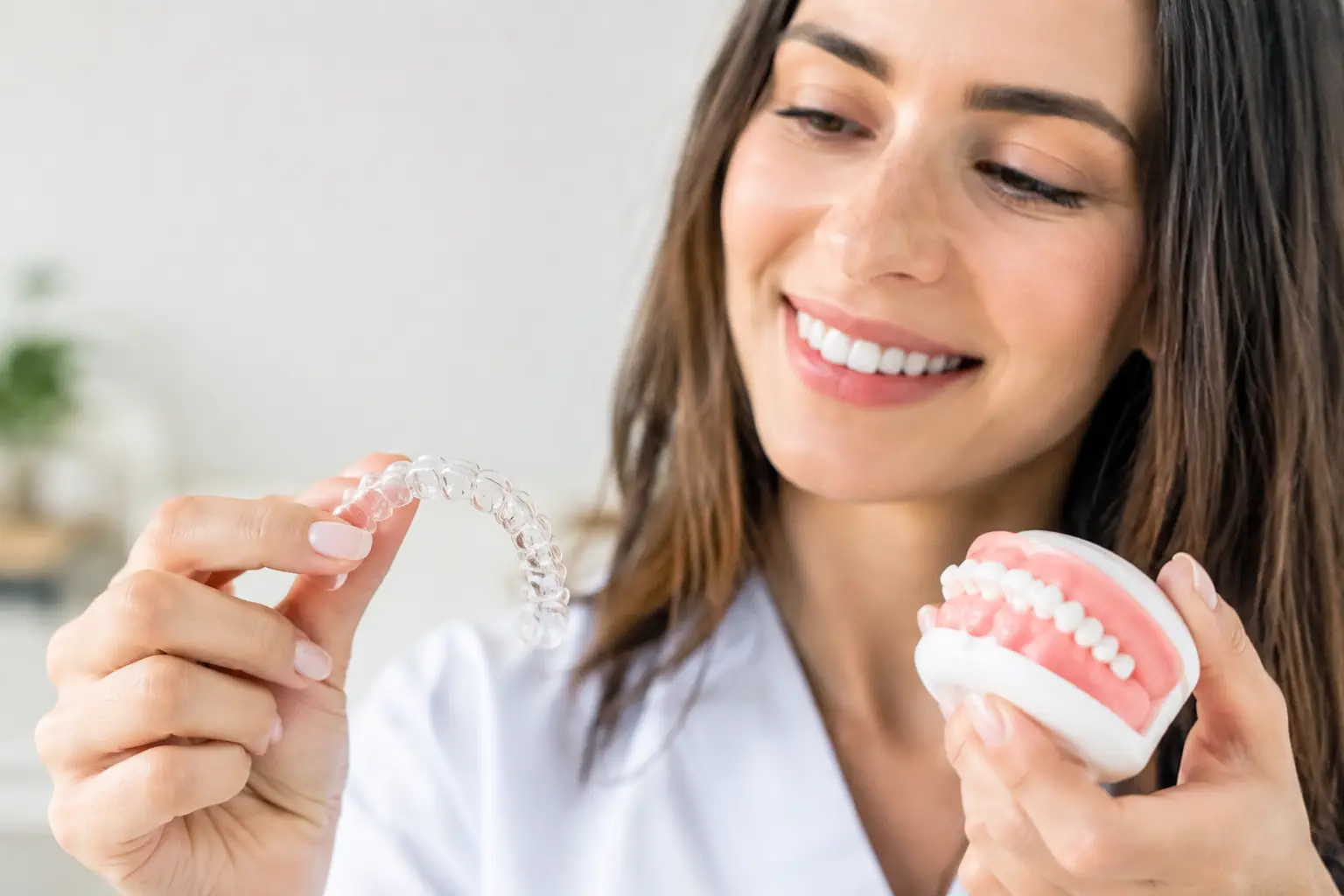
If you are an adult with gum problems who wants straighter teeth, it is understandable to wonder whether orthodontic treatment is still possible. Invisalign with gum disease is not automatically off the table, but the order of care matters. Before teeth are moved, the gums and supporting bone need to be healthy enough to handle those changes safely.
For many adults, the answer is not a simple yes or no. It depends on whether you have mild gum inflammation, active periodontal disease, past gum disease that is now stable, recession, bone loss, loose teeth, or another condition that needs attention first. A careful exam can turn uncertainty into a clear, personalized plan.
Can You Get Invisalign With Gum Problems?
You may be a candidate for Invisalign if gum disease has been treated and is stable. Clear aligners can be an excellent option for adults who want a discreet way to address crowding, gaps, bite concerns, or teeth that have shifted over time. But aligners should not begin while active periodontal disease is causing ongoing inflammation or damage to the bone around the teeth.
Gingivitis is the earlier, reversible stage of gum disease. Common signs include bleeding when brushing or flossing, tenderness, redness, and swelling. Often, professional cleaning and consistent home care can bring the gums back to health before orthodontic treatment begins.
Periodontitis is more serious. It can create deeper spaces between the teeth and gums, lead to bone loss, and make teeth mobile. Moving teeth through compromised support can increase the risk of further instability. In this situation, the first priority is periodontal treatment and a period of maintenance to confirm that the condition is under control.
A history of gum disease does not mean you cannot have straighter teeth. It means your treatment should be planned thoughtfully, with your gum health guiding every decision.
Why Invisalign Gum Health Matters
Teeth do not move independently of the tissues around them. Invisalign applies gentle, controlled pressure to shift teeth gradually, while the gums and jawbone adapt. Healthy gums and stable bone provide the support needed for predictable movement.
When inflammation is active, the situation changes. Gum disease can weaken the attachment between a tooth and the surrounding bone. Orthodontic force is not the cause of periodontal disease, but beginning tooth movement before inflammation is controlled can make an already vulnerable foundation harder to protect.
Clear aligners also require excellent daily hygiene. Aligners fit closely over the teeth, so plaque and food residue can remain against tooth surfaces if you place them back in without brushing. For a patient who already has a tendency toward gum inflammation, that can create problems quickly.
This does not make Invisalign a poor choice. In fact, removable aligners may be easier to clean around than fixed braces for many adults. You take them out to brush, floss, eat, and attend hygiene appointments. The benefit only works when that routine is followed consistently.
What Happens Before Treatment Starts
A responsible Invisalign consultation should begin with more than a scan for straightening. Your dental team should evaluate your gums, teeth, bite, and the bone supporting each tooth. This may include periodontal measurements, digital X-rays, photographs, a review of medical history, and a conversation about symptoms such as bleeding, sensitivity, bad breath, or loose teeth.
If you need gum treatment first, that is not a setback. It is a step that protects the investment you are making in your smile. Treatment may involve a professional cleaning, deeper periodontal cleaning, changes to your at-home routine, or care with a periodontist. Your team will then reassess how your gums respond before recommending aligners.
For patients with a history of periodontitis, stability is usually demonstrated over time. The gums should show minimal bleeding, periodontal measurements should be controlled, and there should be no signs of progressing bone loss. Your dentist may recommend ongoing periodontal maintenance at more frequent intervals during orthodontic treatment.
Invisalign Can Help, But It Cannot Treat Gum Disease
Straightening teeth can make some areas easier to brush and floss, especially when crowding creates tight, difficult-to-clean spaces. That can be a meaningful long-term benefit.
Still, aligners are not a treatment for gum disease. They cannot remove hardened tartar below the gumline, rebuild lost bone, or eliminate infection. Thinking of orthodontics as part of a larger oral health plan is the safest approach.
Gum recession deserves a separate conversation. Recession is not always caused by active gum disease. It can result from brushing too aggressively, thin gum tissue, past inflammation, tooth position, or bite forces. Some patients with recession can proceed with Invisalign, while others may need gum grafting or a modified orthodontic plan. The amount of recession, bone support, and direction of tooth movement all matter.
Your Role During Clear-Aligner Treatment
Once Invisalign begins, daily habits become especially important. Aligners are typically worn 20 to 22 hours a day, so they should only go back in after you have cleaned your teeth whenever possible. Rinsing alone is not a substitute for brushing and flossing.
Keep the aligners clean as well. A clean aligner is less likely to hold bacteria and odor against your teeth. Avoid eating with aligners in unless your dentist has given you specific instructions, and do not sip sugary drinks while wearing them. Water is the safer choice.
Pay attention to changes in your gums between appointments. Bleeding that persists, swelling, new sensitivity, gum recession, a bad taste, or a feeling that a tooth is moving more than expected should be reported promptly. Do not wait for your next aligner check if something feels wrong.
Certain health and lifestyle factors may call for closer monitoring. Smoking or vaping, diabetes that is not well controlled, dry mouth, certain medications, and inconsistent cleanings can all affect gum health. Being open about these factors allows your dental team to plan around them rather than judge them.
Coordinated Care Makes a Difference
Adults with gum concerns often need care that looks at the whole picture rather than just tooth alignment. A plan may involve a general dentist, an Invisalign provider, and a periodontist working from the same clinical information. If restorative work is needed, such as replacing a missing tooth or updating a failing crown, its timing should also be considered before aligners begin.
At Seattle Oral Care, coordinated planning allows patients with complex needs to receive guidance from a team that understands how gum health, restorative dentistry, and orthodontics affect one another. The goal is not simply to make teeth look straighter. It is to support a smile that is comfortable, healthy, and built to last.
When Invisalign May Need to Wait
There are times when postponing orthodontic treatment is the most caring recommendation. Active infection, untreated periodontitis, rapidly progressing bone loss, significant tooth mobility, or poor plaque control should be addressed before aligners are considered.
That pause can feel disappointing, particularly when you have waited years to improve your smile. Yet treating the underlying condition first gives orthodontic treatment a stronger foundation and may help preserve your natural teeth. Once the gums are stable, many patients can revisit clear aligners with much greater confidence.
A straight smile should never come at the expense of the tissues that hold it in place. If your gums bleed, feel tender, or have been treated for periodontal disease in the past, start with a thorough evaluation. With the right timing, attentive home care, and regular monitoring, a healthier foundation can make your goal of straighter teeth feel much more achievable.