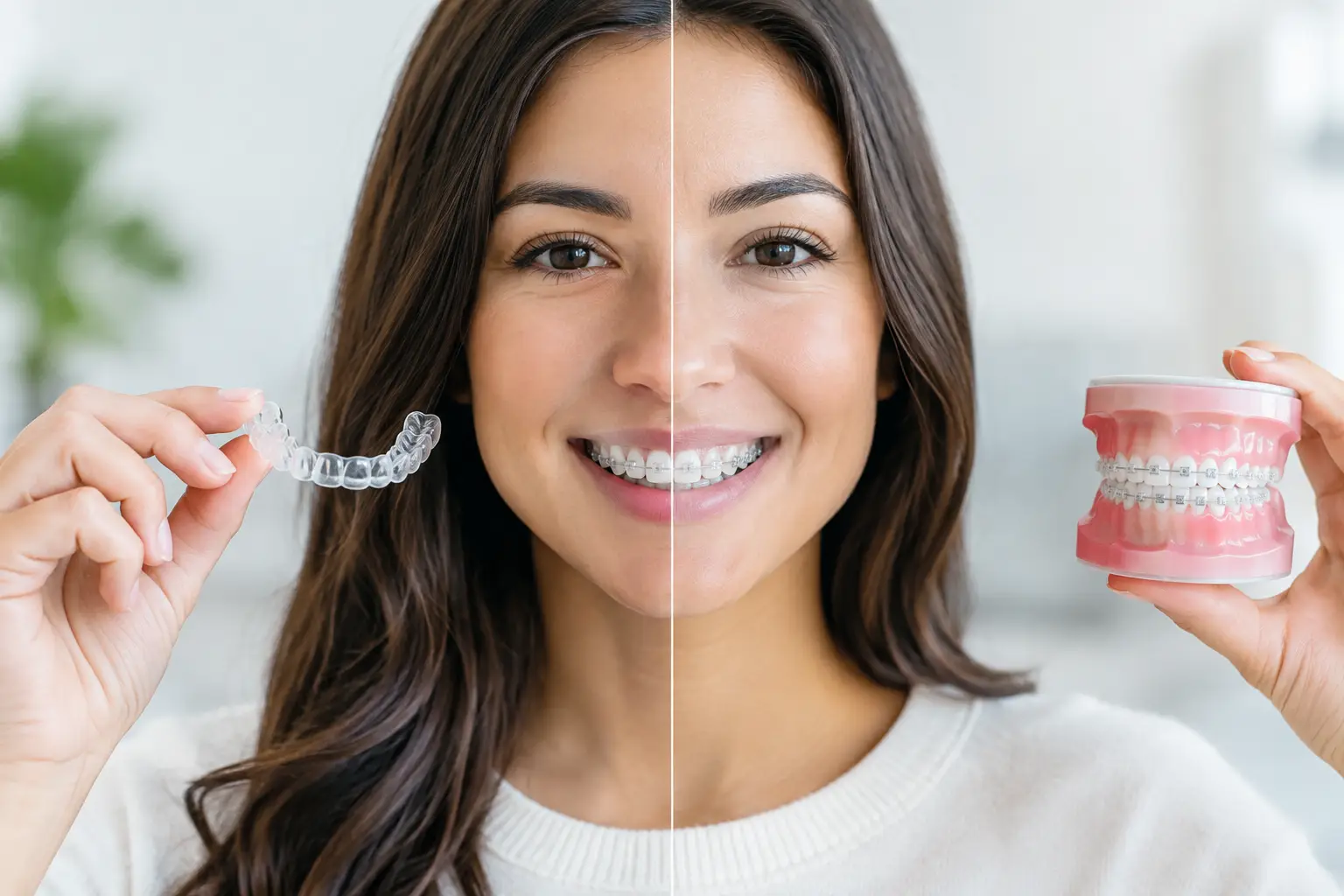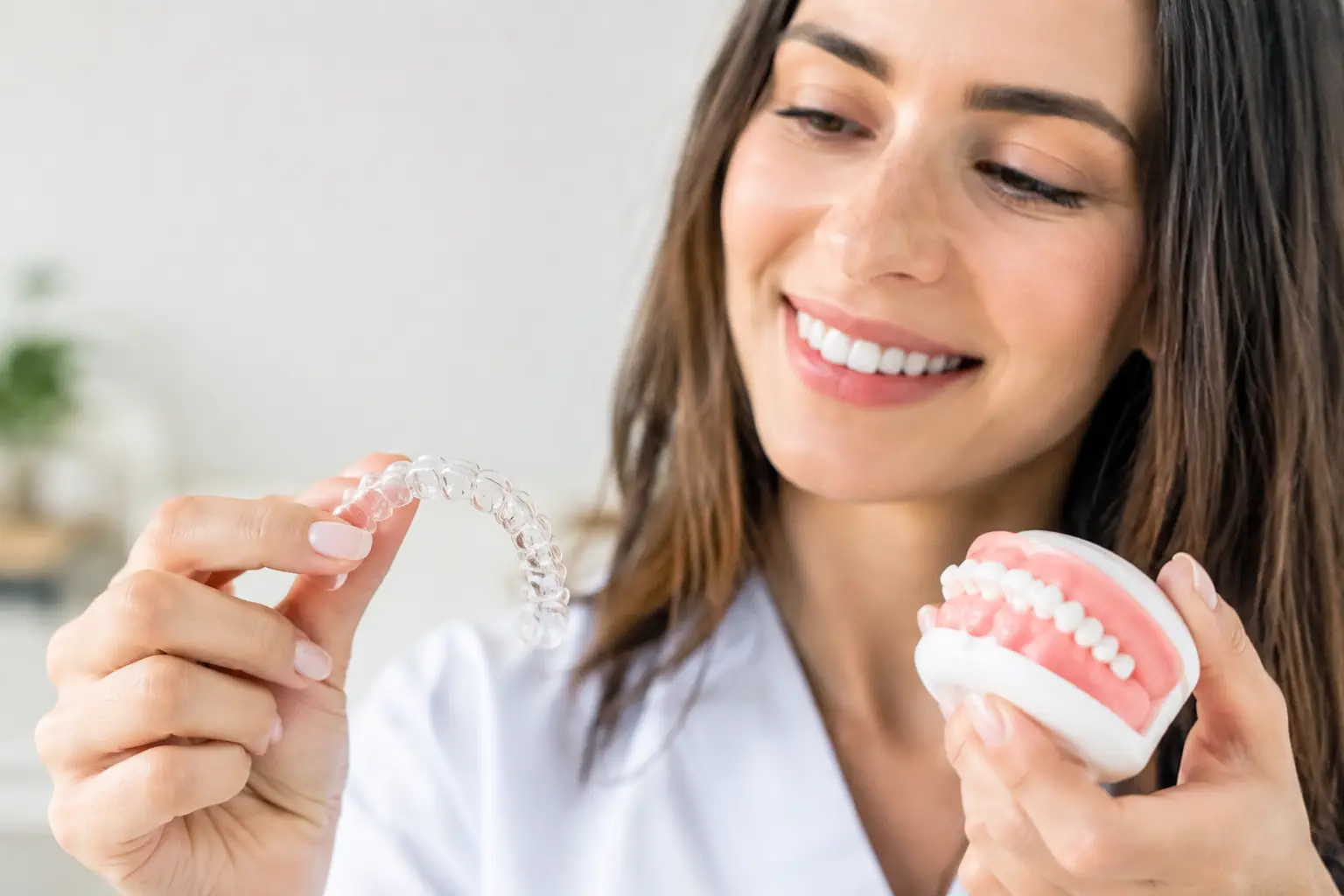
When an adult wonders what happens if teeth do not finish exactly as planned, Invisalign refinements, refinement trays, and extra aligners at the end of Invisalign are often part of the answer. A refinement is not automatically a setback or a sign that treatment has failed. It is a careful final phase that helps bring your smile and bite closer to the goals established at the start.
Teeth do not move like computer graphics. They respond to bone, gum health, bite pressure, daily wear habits, and how consistently aligners are worn. Your treatment plan provides a precise roadmap, but your dentist also monitors how your individual teeth respond along the way. That personal attention is what helps create results that look good, feel comfortable, and support long-term oral health.
What Are Invisalign Refinements?
Invisalign refinements are additional sets of clear aligners prescribed after your first series of trays is complete, or nearly complete. Your dentist takes new digital scans or impressions, evaluates your tooth positions and bite, then creates a revised plan for the remaining movements.
These refinement trays are designed for specific details. A tooth may need to rotate a little further, a small gap may need to close, or the upper and lower teeth may need to meet more evenly. For adults, bite adjustments can be especially meaningful because uneven contact can contribute to wear, chipping, jaw discomfort, or difficulty chewing over time.
The word “refinement” can sound minor, but the clinical value can be significant. The final details are often what make a straight-looking smile function well in daily life.
Why Teeth May Not Finish Exactly as Planned
Clear aligner treatment depends on a partnership between planning, biology, and consistent wear. Invisalign trays are typically worn 20 to 22 hours a day. Removing them for meals and brushing is expected, but extended time out of the trays can allow teeth to fall behind their planned movement.
Even excellent wear does not guarantee every movement will occur on schedule. Certain movements are more challenging, particularly rotations of rounded teeth, vertical changes, and movements involving teeth with larger roots. Attachments, small tooth-colored shapes placed on selected teeth, give aligners a better grip, but some teeth still need more time or a different sequence of pressure.
Your bite can also reveal issues that were not obvious at the first scan. As teeth move into better alignment, your dentist may see that a final adjustment would improve the way they contact one another. This is one reason ongoing check-ins matter. A good plan is not just about following trays in order. It is about confirming that the treatment continues to serve your oral health.
What Happens at the End of Your First Set of Aligners?
When you finish your initial aligners, your dentist will assess more than whether your teeth look straight in photographs. The exam may include checking tooth positions, the fit of your last trays, your bite relationship, gum health, and how your teeth function when you chew.
If everything has reached the intended result, you may move directly into retainers. Retainers are essential because teeth naturally tend to shift after orthodontic treatment. Wearing them as directed helps protect the time and investment you have put into your smile.
If a few planned movements remain, your dentist may recommend a refinement scan. You will generally continue wearing your last aligners until the new refinement trays arrive, unless your dentist gives you different instructions. This helps prevent unwanted shifting during the transition.
Refinement aligners are then worn much like your original trays. The number of trays varies widely. Some people need only a short series, while others need several months of additional treatment. The timeline depends on the movements still needed, the health of your teeth and gums, and how consistently the trays are worn.
Refinement Trays Are About Function, Not Perfectionism
It is reasonable to want a smile you feel proud to show. It is also wise to have realistic expectations. Natural teeth are not perfectly identical, and the goal of Invisalign is not necessarily a mathematically flawless arrangement. The right endpoint is a healthy, stable result that fits your facial appearance and supports comfortable function.
Your dentist may recommend refinement trays when there is a clear benefit, such as improving a bite that hits unevenly or correcting a visible tooth position that was part of your treatment goal. In other situations, further movement may offer little practical benefit or may introduce trade-offs. For example, pursuing a very small cosmetic adjustment could require more attachments, more wear time, or changes that are not ideal for the gums or bite.
A thoughtful conversation should cover what you are seeing, what your dentist is measuring, and what additional treatment can realistically achieve. You deserve to understand why a refinement is being recommended and how it fits into the larger plan for your smile.
How to Get the Best Result From Extra Aligners
If you receive extra aligners at the end of Invisalign, treat them with the same consistency as the first set. The final trays are not optional finishing touches. They are active orthodontic appliances moving teeth toward their planned positions.
Wear each tray for the prescribed number of hours, change trays only on the schedule provided, and attend your progress visits. If a tray stops fitting fully, feels unusually loose, or will not seat around one tooth, contact your dental team before moving on. A small tracking issue is often easier to address early than after several additional trays.
Keep up with brushing and flossing as well. Aligner treatment can make daily hygiene feel more involved, but clean teeth and healthy gums support comfortable treatment. If you clench or grind your teeth, let your dentist know. Those forces can affect aligner wear and may influence the best retention plan after treatment.
Questions Worth Asking Before You Begin Refinements
A refinement consultation should leave you feeling informed, not rushed. Ask which teeth or bite contacts still need adjustment, how many additional trays are anticipated, and whether your current plan includes refinements. Invisalign coverage and treatment agreements can differ, so it is helpful to understand any potential fees before new trays are ordered.
You can also ask what happens after refinements are complete. Most patients will need retainers, often worn full time at first and then at night for long-term maintenance. If you have crowns, bridges, implants , gum recession, or a history of significant dental work, retention planning deserves special attention. A coordinated dental team can help ensure orthodontic changes complement restorative care rather than complicate it.
A Careful Finish Is Worth the Time
Adults often start Invisalign because they want a discreet way to improve their smile without putting life on pause. It can be disappointing to learn that treatment may continue beyond the original tray count. But extra aligners are frequently a sign that your dentist is paying attention to the result, rather than declaring treatment finished the moment the first series ends.
At Seattle Oral Care, Invisalign planning is approached with the same focus we bring to all lasting dental care : listen closely, explain the options clearly, and make recommendations based on your individual smile, bite, and health needs. If your teeth are close but not quite where you expected them to be, a refinement conversation can turn uncertainty into a clear next step.