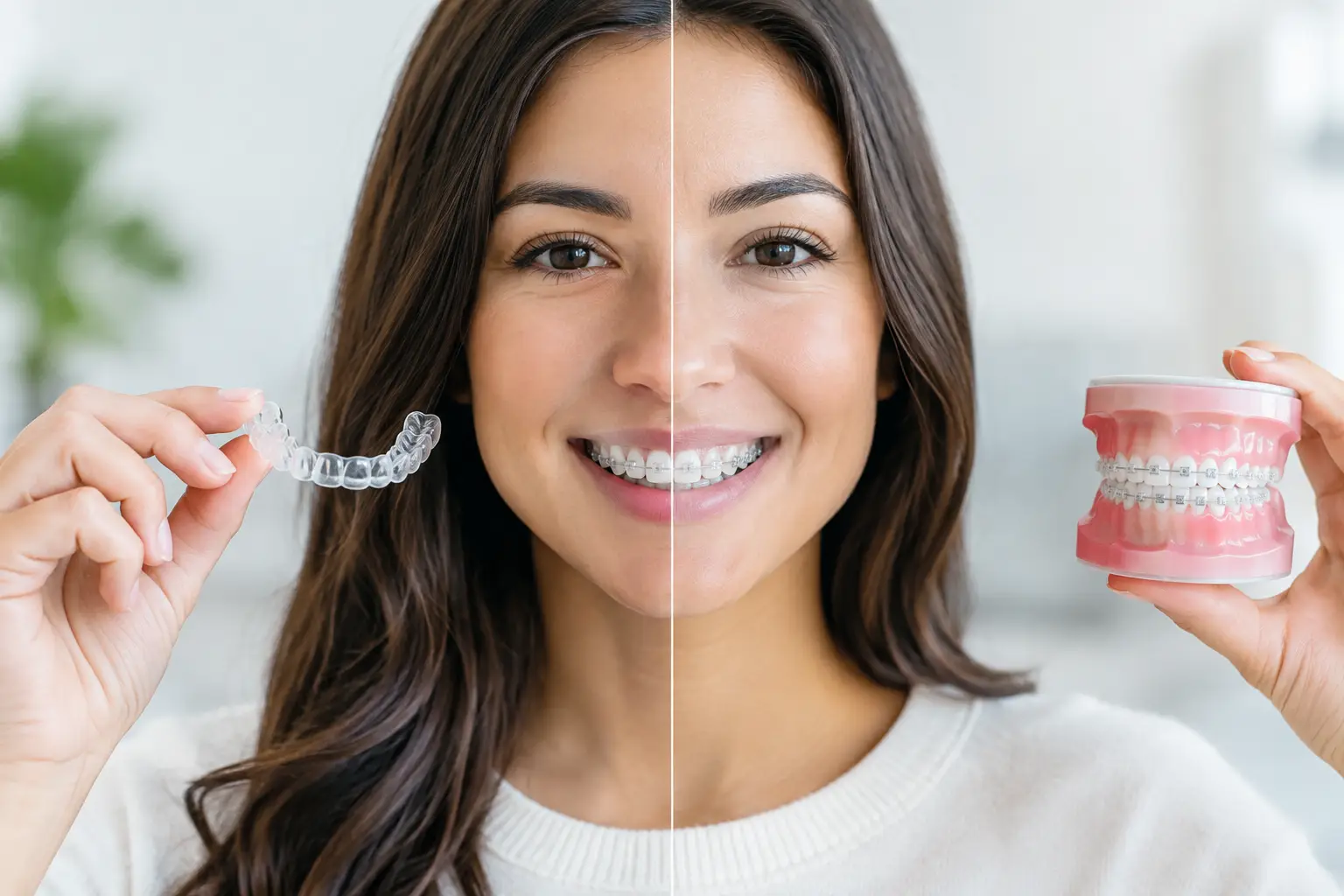

A new set of Invisalign trays can feel like a small milestone: the next step toward the smile you have been picturing. It can also raise a very reasonable question: how often do you change Invisalign trays? The answer is usually printed in your treatment instructions, but many new patients are still unsure whether their teeth are ready, whether a tray should feel loose, or what to do if they missed a few hours of wear.
The safest answer is simple: move to the next aligner only on the schedule prescribed by your Invisalign provider. Your trays are designed to make small, planned movements in sequence. Changing too early can leave teeth behind; waiting too long can add unnecessary time to treatment. If anything about your schedule is unclear, a quick call to your dental team is better than guessing.
What Is the Typical Invisalign Tray Schedule?
Your provider sets the change schedule for your case. Some patients move to a new set sooner and others stay in each set longer, particularly at the beginning of treatment or when movements need more time to settle.
There is no single Invisalign tray schedule that fits every smile. The pace depends on the type of tooth movement planned, the health of your gums and bone, your bite, whether attachments are being used, and how consistently you wear the trays. Your provider may also adjust your schedule during treatment based on how your teeth are responding.
Treat the schedule provided at your appointment or in your patient instructions as your source of truth. If your provider gave you a schedule, a friend’s schedule does not apply to you.
When to Switch to the Next Aligner
In most cases, switch to a fresh set at night on the date your provider recommends. This gives you time to sleep through the first few hours of pressure, which can make the transition more comfortable. Put the new trays in before bed, then wear them as close to full time as possible the next day.
Your current aligners should generally fit fully and feel less tight by the end of their prescribed wear period. A little looseness is normal. It does not necessarily mean you should advance early. Aligners often feel snug at first because they are guiding teeth to the next planned position, then feel more relaxed as the teeth catch up.
A new aligner should fit over every tooth without a visible gap along the edge. It may be tight, especially during the first day or two, but it should not require excessive force to place. If it will not seat completely, stop and contact your provider before deciding to move forward.
Your teeth need time, not just pressure
Clear aligners do more than apply pressure. Your body needs time to remodel the bone around moving teeth. That biological process is why wearing a tray longer than a few days is necessary, even if it starts to feel easy or loose quickly.
Advancing before your teeth have reached the intended position can create a tracking problem. Once one tooth falls behind, later trays may not fit correctly. In some cases, treatment then requires additional scans and refinement aligners to get back on course.
Wear Time Matters More Than Calendar Time
Invisalign aligners are meant to be worn nearly all day, as your provider directs. They should come out for meals, snacks other than water, brushing, and flossing. The rest of the time, they belong in your mouth.
If you wear your trays only at night or frequently leave them out for long stretches, your teeth may not complete the movement planned for that set by the scheduled change date. In that situation, changing on the calendar date could be too soon.
If you had one unusually long meal or forgot your trays for a few hours once, do not panic. Put them back in as soon as you can and return to your routine. If reduced wear happened repeatedly, or if you were without your trays for a full day or longer, contact your dental team. They may recommend staying in the current set longer or returning to a prior tray. Do not make that decision on your own.
Signs You May Need to Stay in Your Current Trays
A tray that feels tight is not automatically a problem. Some pressure is expected with each new set. The concern is a tray that no longer fits as intended or discomfort that seems unusual for you.
Call your provider before switching if your current aligner is not sitting fully on one or more teeth, if there is a noticeable air gap between a tooth and the tray, or if an attachment is no longer covered the way it was before. You should also check in if a new tray will not go on, if a tray is cracked or lost, or if you have significant pain, swelling, or gum irritation.
Chewies, the small cushioned cylinders some providers recommend, can help seat an aligner more completely. They are useful when used as instructed, but they cannot fix an aligner that does not match your teeth. Never use extra force, cut a tray, or skip ahead to make the process fit your schedule.
What If You Lose, Break, or Forget an Aligner?
These situations are common, and they are manageable when addressed promptly. If you lose or break your current tray, wear the previous set if you still have it, unless your provider has instructed you otherwise. This can help prevent your teeth from shifting while you wait for guidance.
If you lose a tray near the end of its scheduled wear period, your provider may tell you to move to the next one. If it happens early in the cycle, they may prefer that you return to the previous set or order a replacement. The right choice depends on your individual treatment stage and how well your teeth were tracking.
Keep your last set of aligners in its labeled bag rather than throwing it away. When you change trays, save the prior set until you have confirmed that the new one fits well. It is a simple habit that can make an unexpected issue much easier to manage.
How to Keep Your Invisalign Treatment on Track
Consistency is the best way to make your projected treatment time meaningful. Set a reminder for your change date, use your aligner case every time you remove trays, and avoid wrapping them in a napkin where they can be accidentally discarded. Brush and floss before reinserting them, and rinse trays with cool water. Hot water can warp the plastic.
Attend your progress visits or submit requested virtual check-ins. These appointments are not just administrative steps. They allow your provider to confirm that your teeth are moving safely, your bite is developing as planned, and your next aligner schedule still makes sense.
For patients with crowns, implants, gum concerns, or more complex bite needs, careful monitoring is especially valuable. Straightening teeth should support long-term oral health and a stable bite, not simply create a straighter appearance.
A Reassuring Rule for New Invisalign Patients
You do not need to become an expert in orthodontics to use Invisalign successfully. You need to wear your trays consistently, follow the schedule you were given, and speak up when something does not fit or does not feel right.
If you are a new patient unsure when to move to the next set, do not let uncertainty turn into guesswork. Your treatment plan is personal, and a brief conversation with your dental team can protect the progress you have already made. A well-timed question today can help keep your smile moving comfortably and predictably tomorrow.