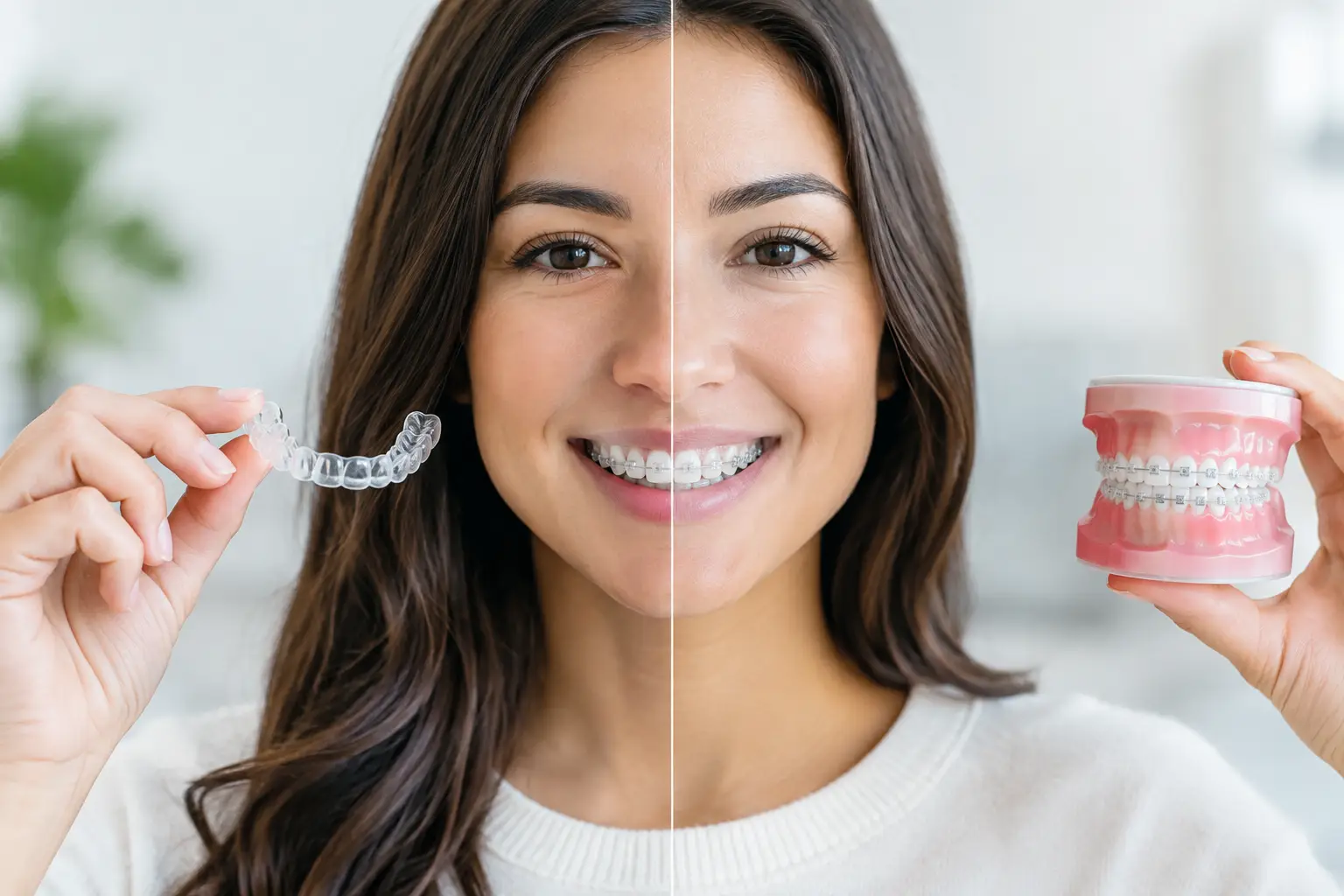

A clear-aligner consultation should leave you with more than a quick scan and a promise of straighter teeth. As an adult comparing practices, you may be balancing work, family, dental anxiety, existing crowns, or a long gap since your last dental visit. Knowing how to choose an Invisalign provider , which questions to ask an Invisalign dentist, and what a certified Invisalign provider’s role means can help you make a decision with more confidence.
The right fit is not simply the office with the most polished before-and-after photos. It is a practice that listens to what you want to change, evaluates your overall oral health, explains the limits of treatment honestly, and gives you a clear plan for the months ahead.
Start With Your Own Goals and Dental History
Before comparing providers, get specific about what you hope treatment will accomplish. You may want to close a gap, ease crowding, correct teeth that have shifted since earlier orthodontic treatment, or feel more comfortable smiling in photos. Those are all reasonable goals, but the treatment approach can differ depending on your bite, gum health, restorations, and jaw function.
Share your complete dental history during each consultation. Mention crowns, veneers, bridges, implants, missing teeth, jaw clicking, teeth grinding, gum bleeding, or sleep-related concerns. Clear aligners move natural teeth, but they may need to be planned carefully around existing dental work. If you expect to replace a tooth or receive a crown in the future, ask how that timing affects orthodontic treatment.
A thoughtful provider will also look beyond the front teeth. A smile can appear straighter while bite concerns remain unaddressed, so ask how the plan considers the way your upper and lower teeth meet.
How to Choose an Invisalign Provider: Look Beyond the Label
When researching a practice, you may see references to Invisalign training, provider status, or a certified Invisalign provider. These terms can be useful starting points, but they should not be your only deciding factor. Provider credentials and experience are worth discussing, yet your care should still be based on your individual diagnosis and the provider’s ability to explain the plan clearly.
Ask who will evaluate your records, design or approve your treatment plan, and see you at follow-up visits. In some offices, different team members support different stages of care. There is nothing inherently concerning about a team approach, as long as you understand who is responsible for your clinical decisions and where to turn if questions arise.
It can also help to ask how often the practice treats adults with situations similar to yours. An adult whose teeth have gradually shifted may have different needs from a teenager beginning orthodontic treatment. If you have restorative work, gum concerns, or a more complex bite, ask whether the office coordinates care with the appropriate dental professionals when needed.
Questions to Ask an Invisalign Dentist at Your Consultation
A consultation is your opportunity to understand the reasoning behind a recommendation, not just whether you are eligible for aligners. Bring notes, especially if you are visiting more than one practice. The following questions can help you compare answers thoughtfully:
- What oral health findings should be addressed before I begin aligner treatment?
- What specific changes do you expect the aligners to make to my teeth and bite?
- Are there aspects of my goals that aligners may not be able to accomplish predictably?
- Will I need attachments, enamel contouring, or other procedures as part of treatment, and why?
- How many hours each day will I need to wear the aligners for the plan to work as intended?
- How will you monitor my progress, and how often will I be seen in the office?
- What happens if my teeth do not track as expected or I lose or damage an aligner?
- How do my crowns, fillings, implants, gum health, or future restorative needs affect the plan?
- What retention plan will help maintain my result after active treatment ends?
You do not need a highly technical answer to every question. You should, however, leave with an explanation you can understand. Clear language is often a sign that the provider is taking the time to educate you rather than rushing you toward a decision.
Ask to See Your Plan in Practical Terms
Digital scans and treatment simulations can be helpful tools. They can illustrate proposed tooth movement and make the process easier to visualize. Still, a simulation is a planning aid, not a guarantee that every tooth will move exactly as shown.
Ask the dentist to walk you through what you are seeing. Which movements are straightforward? Which ones may require more monitoring, additional aligners, or changes along the way? Will the plan focus only on visible alignment, or does it also address bite function? A provider who discusses uncertainty openly is giving you useful information, not bad news.
Understand the Day-to-Day Commitment
Clear aligners are removable, which many adults appreciate. That flexibility also creates responsibility. For treatment to progress, aligners generally need to be worn most of the day and night, removed for eating and drinking anything other than water, and cleaned regularly.
Ask what daily routine the practice recommends and how they help patients stay on schedule. If your work involves frequent meals, travel, client dinners, or unpredictable hours, discuss that honestly. The best treatment plan is one you can realistically follow.
Compare Communication, Comfort, and Follow-Up Care
Clinical knowledge matters, and so does the experience of receiving care. Notice whether the practice invites questions, explains imaging and findings, and respects your concerns. Adults who have had difficult dental experiences in the past may need a slower pace or more information before moving forward. That is a reasonable request.
Ask how the office handles discomfort, broken attachments, unexpected delays, and questions between visits. Some movement-related tenderness can be normal when changing to a new set of aligners. A clear explanation of what is expected and what warrants a call can make treatment feel much more manageable.
You may also want to ask about appointment timing and the practice’s process for communicating reminders or treatment updates. These practical details are not minor. Consistent follow-up is part of protecting the health of your teeth, gums, and bite throughout treatment.
Consider the Full Picture if You Have Existing Dental Work
For adults, orthodontic treatment is often one part of a broader dental plan. Perhaps your teeth have shifted around an older crown, you are considering replacement of a missing tooth, or you have wear from grinding. Moving teeth before restorative treatment can sometimes create a more favorable position for future care. In other situations, restorative work should be completed first.
Ask your provider to explain the sequence they recommend and why. If several concerns are involved, coordinated planning between a general dentist and dental specialists can reduce confusion and help ensure that each step supports the next. The goal is not to make treatment more complicated. It is to avoid making a decision about tooth movement without considering the health and function of your whole mouth.
Pay Attention to How You Feel After the Visit
After each consultation, take a moment before comparing notes. Did you understand the diagnosis? Were your questions answered directly? Did the plan reflect your priorities, or did it feel generic? Did the provider explain what treatment requires from you after you leave the office?
It is fine to take time before deciding. Orthodontic treatment is a partnership that continues well beyond the first scan. You should feel comfortable with the plan, the communication style, and the follow-up process.
A good next step is to write down the answers that mattered most to you while they are still fresh. When you choose a practice that combines careful evaluation with clear communication, you can begin treatment knowing what your smile goals require and how your care will be supported along the way.