
The school drop-off line, a full calendar at work, groceries, practices, meals, and bedtime leave little room for another recurring obligation. Invisalign for busy parents can be a practical form of low-maintenance teeth straightening because it is designed to fit into real life, not take it over. With clear aligners, thoughtful planning, and periodic check-ins, many adults can straighten their teeth without frequent office visits or the visibility of traditional braces.
At Seattle Oral Care, we begin by listening to what your schedule actually looks like. The right orthodontic plan should support your health and confidence while respecting the responsibilities already competing for your time.
Why Invisalign fits into a busy schedule
Invisalign treatment uses a series of custom clear aligners that gently guide teeth into planned positions. Rather than visiting the dentist for frequent adjustments to brackets and wires, you typically move to the next set of aligners at home according to your clinician's instructions.
That difference matters when your day is tightly scheduled. There are no food restrictions to manage around family dinners, school events, or business lunches. You remove the aligners to eat and drink anything other than water, brush and floss as usual, then place them back in. For adults who have put off orthodontic care because braces felt too disruptive, that flexibility can make treatment feel much more manageable.
Clear aligners are also discreet. Parents often want to improve their smiles without making their orthodontic treatment the center of attention at work, in photos, or at their children's events. Invisalign aligners are clear, though they are not completely invisible at close range. Attachments, which are small tooth-colored shapes placed on some teeth to help the aligners work effectively, may also be part of treatment.
Invisalign appointments: how often will you need them?
One of the most common questions is, "Invisalign appointments: how often do I need to come in?" For many patients, check-ins are scheduled about every 6 to 10 weeks. The exact timing depends on the complexity of your tooth movement, how consistently you wear your aligners, your oral health, and whether any adjustments are needed.
During these appointments, your dental team checks that your teeth are tracking as planned, reviews your progress, and provides the next sets of aligners when appropriate. These visits are generally shorter and less frequent than the adjustment appointments often associated with traditional braces.
Some patients need closer monitoring, especially early in treatment or when their bite requires more detailed correction. If an aligner is not fitting fully, an attachment comes off, or a tooth is not moving as expected, an earlier visit may be needed. That is not a failure of treatment. It is part of careful, individualized orthodontic care.
A consultation is the best way to get a realistic estimate for your situation. A straightening plan for mild crowding may look very different from a plan that also addresses bite concerns, tooth wear, missing teeth, or restorative dentistry needs.
The daily commitment is small, but it matters
Invisalign is low maintenance, not no maintenance. The most significant responsibility happens outside the office: wearing your aligners for about 20 to 22 hours each day. They should come out for meals, snacks, and beverages other than water, then go back in after you clean your teeth.
For busy parents, the easiest routine is often to connect aligner care to habits you already have. Keep your case with you so aligners do not end up wrapped in a napkin at a restaurant. Brush after meals whenever possible, or rinse your mouth and aligners with water until you can brush. Clean the aligners daily with a soft toothbrush and a product recommended by your dental team.
Consistency is what keeps treatment moving forward. If aligners spend too much time out of your mouth, teeth may not track properly, and the total treatment time can increase. That can mean additional appointments or refinement aligners later. A few small routines can protect the convenience that drew you to clear aligners in the first place.
Making treatment work around family life
The best orthodontic plan is one you can realistically follow. Before treatment begins, think about the times when aligners may be easiest to forget: rushed mornings, shared meals, travel weekends, and late nights after helping everyone else get to bed.
A simple phone reminder after lunch can help. So can keeping a travel toothbrush, floss, and aligner case in your work bag, car, or diaper bag. If you are taking a family trip, pack your current aligners, the next set if your clinician has instructed you to bring them, and your case in your carry-on.
It is also wise to keep regular dental cleanings on the calendar. Straight teeth are easier to clean, but orthodontic treatment still depends on healthy gums and teeth. If you have gum inflammation, untreated decay, or a loose restoration, those concerns may need attention before or during Invisalign treatment.
When Invisalign may not be the lowest-maintenance choice
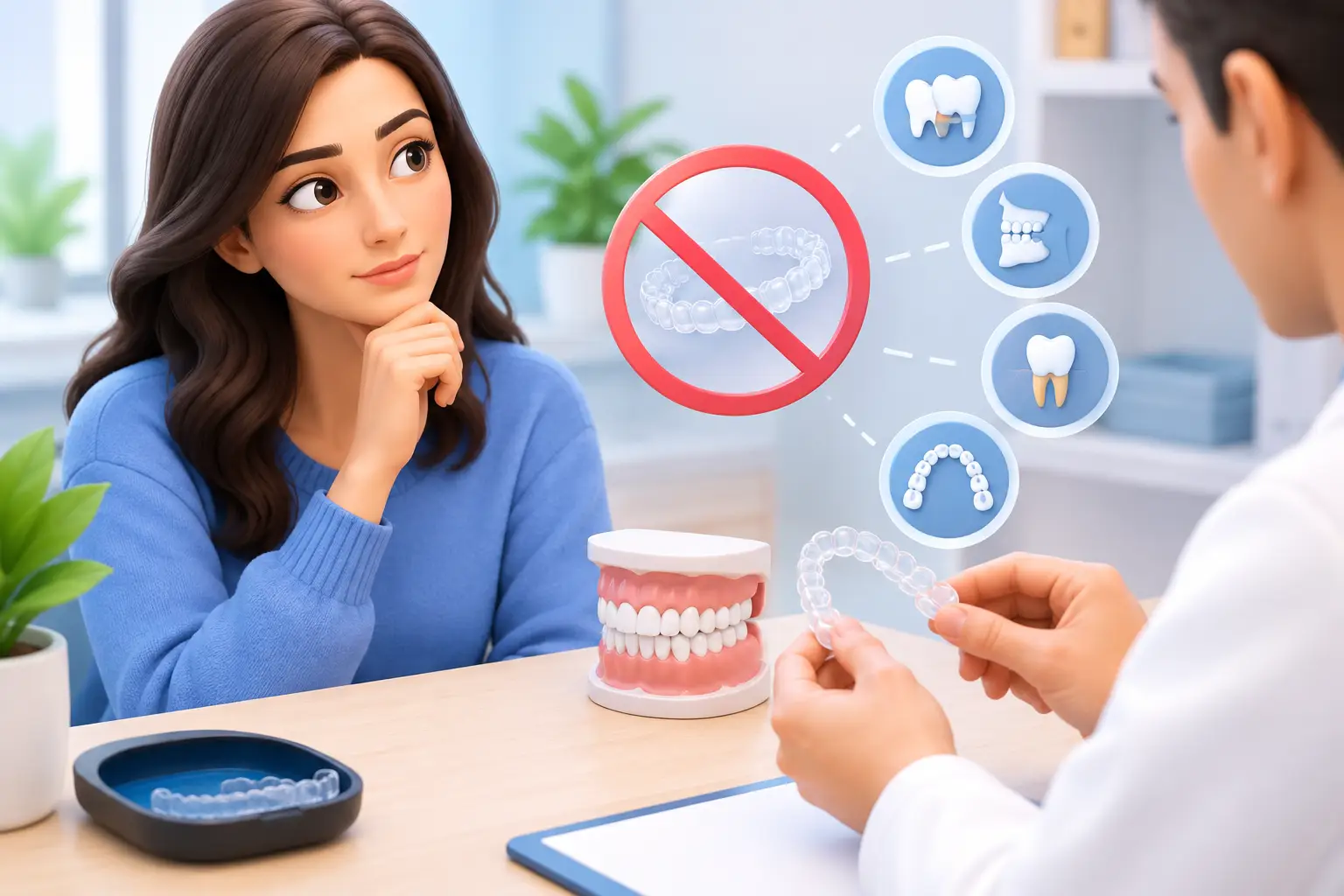
Clear aligners work well for many adult smiles, but they are not ideal for every situation. If you know you will struggle to wear removable aligners consistently, fixed braces may provide more predictable control because they are always working. Complex tooth movement, significant bite discrepancies, or certain restorative needs can also affect which approach is appropriate.
Parents who grind or clench their teeth may need additional planning to protect their teeth and aligners. If you have an implant, bridge, crown, or missing tooth, Invisalign may still be possible, but the sequence of care matters. Coordinated planning is especially valuable when orthodontics is part of a larger restorative plan.
The goal is not to force every patient into one treatment. It is to recommend the approach that offers a healthy, durable result with a level of responsibility that works for your life.
What happens after Invisalign treatment?
When active tooth movement is complete, retainers help maintain your results. Teeth naturally have a tendency to shift over time, especially in adults. Wearing retainers as instructed is the long-term maintenance step that protects the time and effort you invested in treatment.
For many patients, this becomes a simple nighttime routine. Your dental team will explain the retainer schedule that fits your case and help you understand when replacements may be needed. Maintaining a straighter smile should feel sustainable, not like another full-time task.
A practical next step for busy Seattle parents
A consultation can answer the questions that online research cannot: whether Invisalign is right for your bite, how long treatment may take, how often you will need to be seen, and how to plan around your existing dental needs. You deserve clear information before making room for any treatment in an already-full calendar.
A healthier, more confident smile does not require putting family life on hold. With a plan built around consistent wear, appropriate check-ins, and care that considers the whole picture, Invisalign can be a realistic choice for the parent who is ready to do something for themselves, too.