
A clear aligner can look deceptively simple: place it over your teeth, take it out to eat, and move on with your day. But if you are wondering what happens if you don't wear Invisalign enough, the short answer is that your teeth may not move on schedule, and your next trays may stop fitting properly. Invisalign compliance and daily Invisalign wear time are what turn a carefully planned treatment into a predictable result.
For most adults, the challenge is not understanding the goal. It is remembering that aligners need to be in place for most of the day, even during busy meetings, coffee runs, travel, and late-night snacking. If you forgot to wear aligners for a few hours or even a day, there is usually no need to panic. The right next step depends on how long they were out, how the current tray fits, and your orthodontic provider's instructions.
Invisalign Wear Time: Why 20 to 22 Hours Matters
Invisalign aligners place gentle, continuous pressure on specific teeth. That pressure guides bone remodeling, allowing teeth to move gradually into their planned positions. The word continuous matters. If aligners are out for large portions of the day, the pressure starts and stops too often for the teeth to follow the intended schedule.
Most Invisalign plans call for 20 to 22 hours of wear each day. That generally leaves enough time for meals, brushing, flossing, and a brief rinse of the aligners. Your own recommendation may differ based on the complexity of your tooth movement, the type of attachments you have, and your treatment plan, so your dentist's guidance should always take priority.
Taking trays out for an occasional special meal will not usually derail treatment. The concern is a pattern of reduced wear. Four hours out each day may not feel significant, but it can mean losing more than a full day of wear each week.
What Happens If You Don’t Wear Invisalign Enough?
The most common early sign is that an aligner feels unusually tight when you put it back in. That is your teeth beginning to shift away from the tray's intended position. A little pressure when changing to a new set can be normal; an aligner that will not seat fully or leaves visible gaps around the teeth deserves attention.
When Invisalign wear time is consistently too low, several things can happen:
- Teeth may not track with the planned movements, meaning they do not fully match the shape of the current aligner.
- The next tray may feel painful, lift away from the teeth, or fail to fit altogether.
- Treatment can take longer than expected, sometimes requiring additional aligners or refinement trays.
- Results may be less precise if movements are rushed or trays are changed before teeth are ready.
There is also a practical cost. Additional visits, scans, and new trays may be needed to get treatment back on track. This does not mean treatment has failed. It means the plan may need to be adjusted to protect the health of your teeth and the quality of the final result.
A Missed Day Is Different From a Repeated Habit
If you forgot to wear aligners during a long workday or accidentally left them at home overnight, put them back in as soon as you can. Do not jump ahead to the next tray to make up for lost time. Wearing a later tray before your teeth are ready can create unnecessary discomfort and poor tracking.
If your current aligner still fits completely and comfortably after the missed time, you may simply need to wear it longer before changing trays. If it no longer fits, feels sharply painful, or will not sit down over the teeth, contact your dental team before making a change. A quick call can prevent a small interruption from becoming a larger setback.
The Adult Who Keeps Taking Aligners Out
An adult who keeps taking aligners out is not necessarily being careless. Adult life creates real obstacles: client lunches, frequent coffee, long conversations, social events, workouts, and the simple desire to give your mouth a break. Many adults also remove aligners because they feel self-conscious at first or because speaking feels slightly different during the adjustment period.
The solution is not guilt. It is identifying the moments when trays are most likely to stay out and building a routine around them. Keep your case with you, rather than wrapping aligners in a napkin. Set a reminder after meals. Brush or rinse before reinserting them, and make putting them back in part of clearing the table or leaving the restaurant.
Coffee deserves special mention. Hot drinks can warp plastic, while dark beverages can stain aligners. Many patients find it easier to remove trays for coffee, drink it during a defined window, clean their teeth or rinse with water, and put the aligners back in promptly. Sipping coffee for several hours while the trays are out is where wear time often disappears.
Make Compliance More Realistic, Not More Stressful
A tracking app, phone alarm, or simple note on your bathroom mirror can help, but the best system is one that fits your routine. If dinner is your longest meal, make the rest of the day more consistent. If you travel often, keep a spare aligner case and a travel toothbrush in your bag.
You should also be honest at your check-ins. Your dentist is not there to judge you for a difficult week. Knowing your actual wear habits helps the team recommend whether to stay in a tray longer, use chewies to help the tray seat properly, or revise the treatment timeline. Clear communication is part of good Invisalign compliance.
How to Tell Whether Your Aligners Are Tracking
A well-fitting aligner should sit snugly over the teeth without obvious air gaps. You may see tiny spaces during the first day or two of a new tray, particularly around teeth that are making larger movements, but they should improve as you wear the tray consistently.
Look closely near the edges of the aligner and around teeth with attachments. If the plastic appears lifted, if an attachment is not engaging in its space, or if you can press the tray down only to have it spring back up, the aligner may not be tracking. Chewies may help seat the tray when they have been recommended by your provider, but they cannot compensate for hours of missed wear.
Call your dentist if a tray cracks, is lost, will not fit, or causes persistent pain beyond normal pressure. Keep your previous aligner rather than throwing it away. In some situations, your provider may tell you to wear the prior tray temporarily while a replacement is arranged.
Protecting the Smile You Are Working Toward
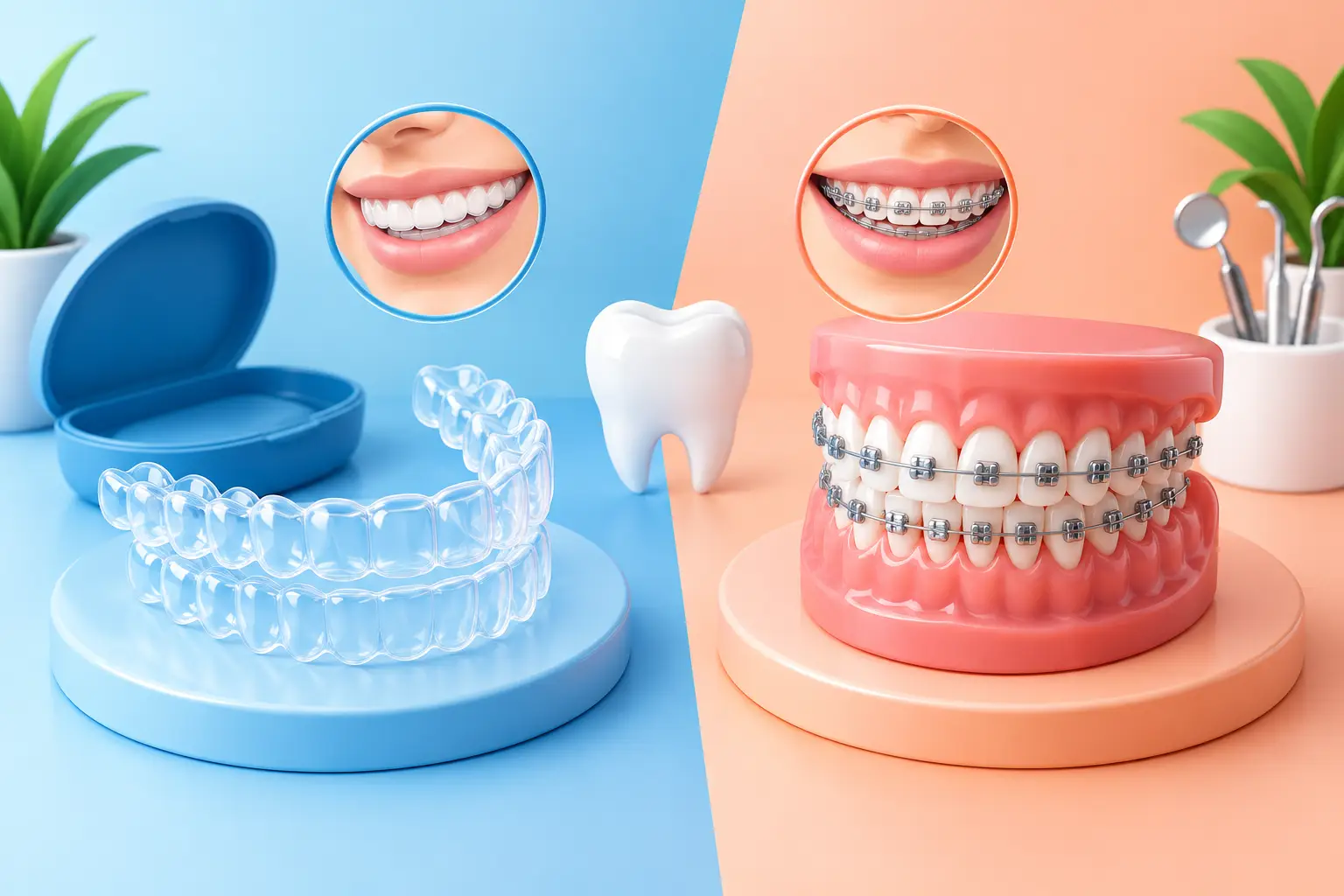
Clear aligners offer flexibility, but they also place more responsibility in your hands than braces do. That is part of their appeal for adults who want a discreet option. The trade-off is that the treatment only works while the aligners are worn.
At Seattle Oral Care, we believe treatment works best when you understand not only what to do, but why it matters. If your trays are not fitting as expected or your schedule has made consistent wear difficult, reach out early. A calm conversation and a small adjustment to the plan can help keep your smile moving in the right direction.