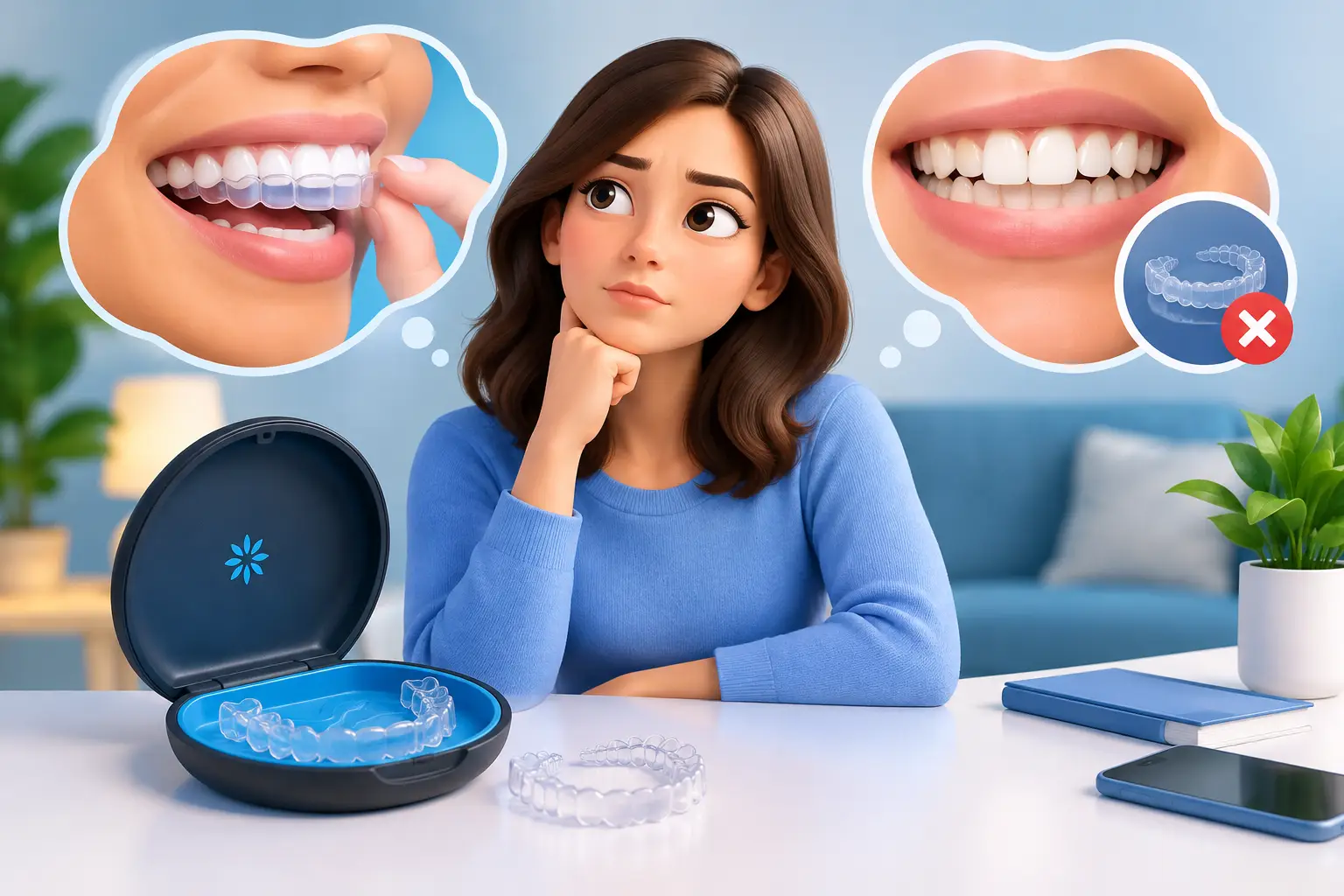
You may have spent years noticing your smile in photos, covering your mouth when you laugh, or assuming straighter teeth were something you missed the chance to have. If you are asking, “am I too old for Invisalign?” the reassuring answer is usually no. Invisalign at 50 can be a very realistic option when your teeth and gums are healthy enough for orthodontic movement.
Age alone does not determine whether clear aligners will work. Your oral health, bite, treatment goals, and the condition of existing dental work matter much more. For many adults in their 40s, 50s, and beyond, the decision is less about whether it is too late to straighten teeth and more about choosing a plan that respects their long-term dental health.
Is It Too Late to Straighten Teeth?
Teeth can move throughout adulthood because the bone around them can adapt to gentle, consistent pressure. Clear aligners use a series of custom trays to guide teeth into planned positions over time. That biological process does not stop at a particular birthday.
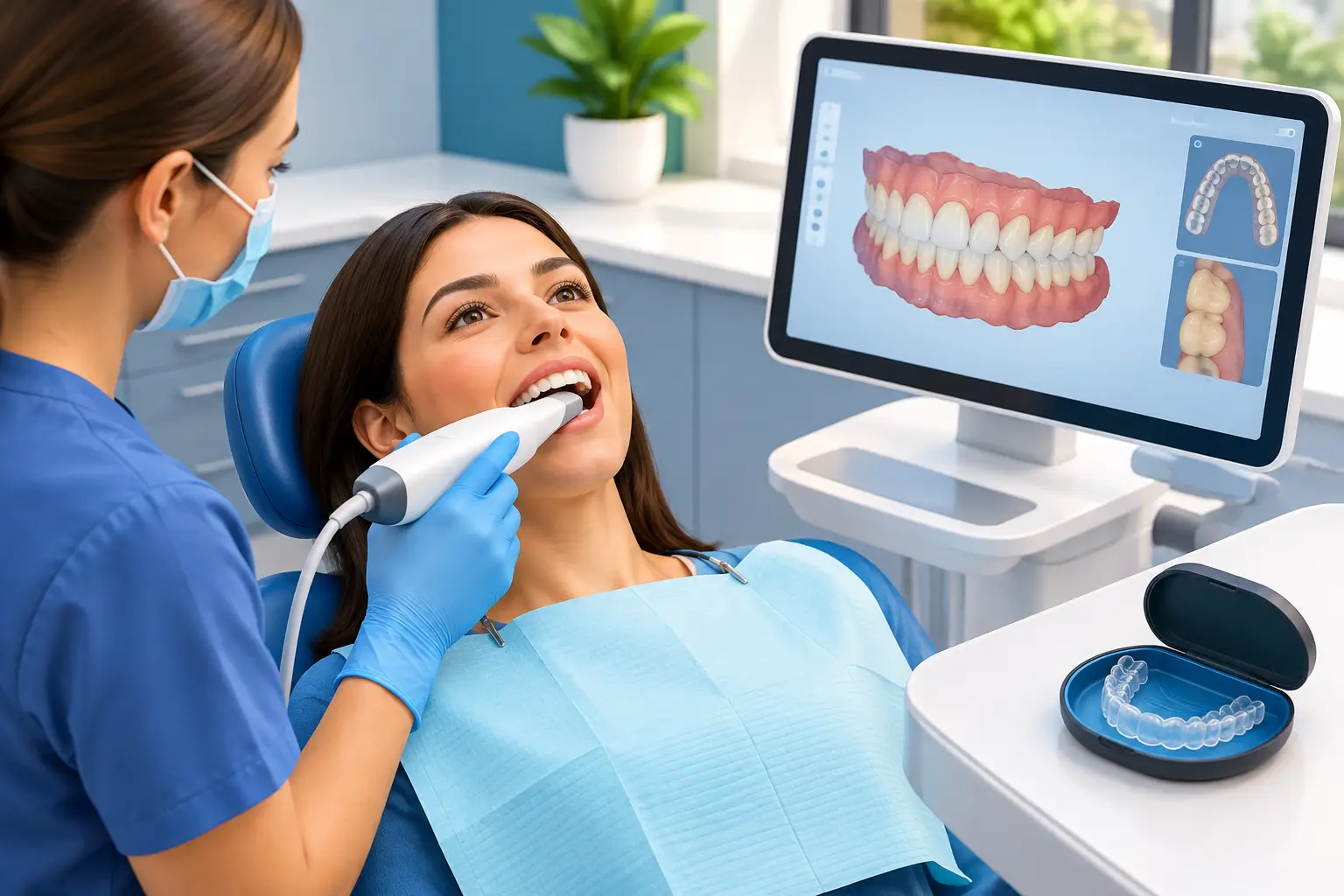
What can be different in adulthood is the starting point. Adults are more likely to have crowns, bridges, implants, gum recession, worn teeth, or a history of orthodontic treatment. These factors do not automatically rule out Invisalign. They simply mean treatment should begin with a careful examination rather than an online impression kit or a one-size-fits-all promise.
A healthy foundation comes first. If gum disease is active, it needs to be brought under control before teeth are moved. If a tooth has a crack, an infection, or significant bone loss, that concern should be evaluated before orthodontic treatment begins. Moving teeth without addressing underlying disease can make an existing problem worse.
For adults who have avoided dental care because of past experiences or anxiety, this can sound discouraging. It should not be. A thorough evaluation is how your care team protects your smile, not how they create unnecessary obstacles.
Invisalign at 50: What the Process Can Address
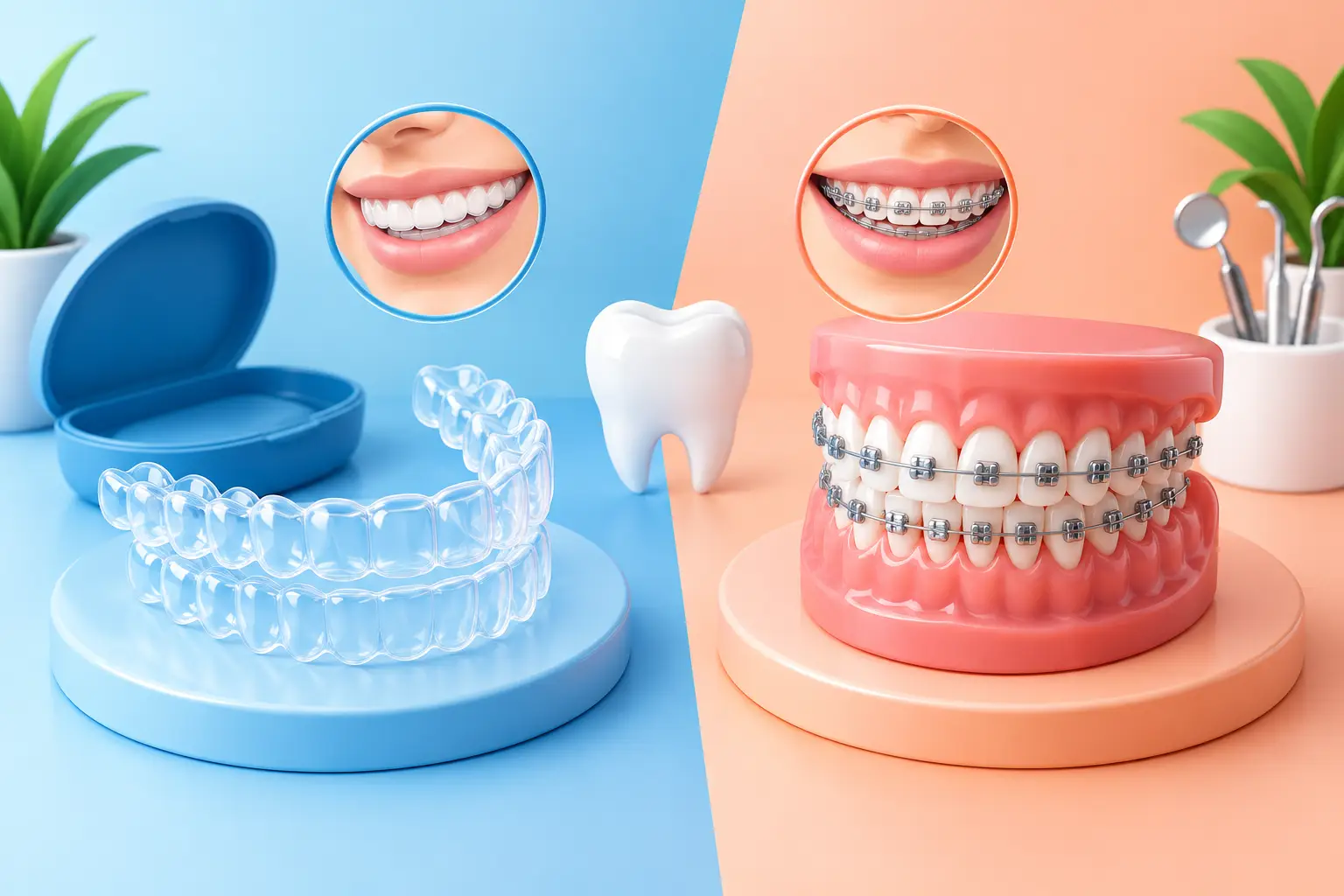
Clear aligners can be especially appealing for working adults who want a less noticeable way to improve their smile. The trays are removable for meals and brushing, and they can often address concerns that have bothered patients for decades: crowding, spaces, teeth that have shifted since braces, or front teeth that look uneven in photographs.
Invisalign may also help improve the way teeth fit together. A better bite can make daily cleaning easier and, in some situations, reduce uneven wear on teeth. Still, orthodontic treatment is not a cure-all for jaw pain, headaches, or every bite concern. Those symptoms deserve an individual diagnosis instead of assumptions.
Treatment time varies. Minor cosmetic alignment may take several months, while more involved movement can take a year or longer. Most patients change to a new set of aligners on a schedule directed by their dentist and wear them about 20 to 22 hours a day. Consistency matters. Because aligners can be removed, they only work as planned when they are worn as planned.
Adults often appreciate that clear aligners fit around ordinary life. You can remove them for an important meal, brush and floss normally, and avoid the appearance of brackets and wires. The trade-off is responsibility. If you regularly leave aligners out for long stretches, treatment can slow down or become less predictable.
Existing Crowns, Implants, and Dental Work
Many people assume crowns or implants mean they cannot straighten their teeth. The answer depends on where the dental work is located and what needs to move.
A dental implant is fused to the jawbone, so it does not move like a natural tooth. It can sometimes serve as a stable point in a treatment plan, but it cannot be repositioned with aligners. Crowns and bridges require thoughtful planning as well. In some cases, teeth are aligned first and a crown is replaced afterward to achieve a better fit and appearance.
This is one reason coordinated care matters. At Seattle Oral Care, a treatment plan can be considered alongside restorative, periodontal, and surgical needs, rather than treating alignment as a separate cosmetic project. The goal is not simply straighter teeth. It is a stable, healthy result that works with the rest of your mouth.
When Clear Aligners May Not Be the Best First Step
Invisalign is an excellent option for many adults, but it is not automatically the best option for everyone. Significant untreated gum disease, severe tooth mobility, extensive decay, or certain complex bite problems may require other care first. In some cases, braces or another orthodontic approach may offer more control for a specific movement.
There are also times when the main concern is not tooth position. If you are unhappy with the color, shape, or length of your teeth, whitening, bonding, veneers , or restorative treatment may be part of the conversation. Orthodontics can create a better foundation for cosmetic work, but it should not be recommended when another treatment would better meet your goals.
A good consultation should make room for these distinctions. You should understand what aligners can improve, what they cannot change, how long treatment may take, and whether future restorative care should be planned before, during, or after orthodontics.
Questions Worth Asking at Your Consultation
You do not need to arrive knowing exactly which treatment you want. It is enough to know what you would like to feel differently about your smile. Bring up the things you have put off mentioning, whether that is crowding, a visible gap, an old crown, difficulty flossing, or worry that your teeth are too worn to move safely.
Ask whether your gums and bone support are healthy, how existing crowns or implants affect the plan, and what retention will look like after treatment. Retainers are not optional after orthodontics. Teeth naturally have a tendency to shift over time, and wearing retainers helps protect the result you invested in.
It is also reasonable to ask about the total cost, expected number of visits, and what happens if refinements are needed. Clear, direct answers help you make a decision with confidence instead of feeling pressured into treatment.
The Benefit of Doing This for Yourself Now
Adults often postpone orthodontics because they believe it is indulgent or that they should have done it earlier. But wanting to feel comfortable with your smile is not superficial. A straighter smile can make brushing between teeth easier, support restorative planning, and give you more ease in everyday moments such as speaking, smiling, and being in pictures.
There is no prize for waiting until a problem becomes more complicated. There is also no need to rush into aligners simply because they are popular. The right time is when you are ready to explore your options and have the information to choose wisely.
If you have always wanted straighter teeth, your 40s or 50s may be a particularly good time to ask. You know what matters to you, you can make a plan around your health, and you deserve care that sees the whole person behind the smile.