You may have thought about straightening your teeth for decades, then decided the moment had passed. Now, perhaps a photo, a work presentation, or simply seeing your smile in the mirror has brought the question back: am I too old for Invisalign? For many adults in their 40s and 50s, the answer is reassuringly simple: age alone does not rule out orthodontic treatment.
Wanting straighter teeth at 50 is not vain, frivolous, or “too late.” It is a personal decision about how you feel when you smile, speak, and show up in the world. The right next step is not to guess based on your age. It is to have a thoughtful evaluation of your teeth, gums, existing dental work, and goals.
Is It Too Late to Straighten Teeth in Your 40s or 50s?
No specific birthday makes teeth ineligible for orthodontic treatment. Teeth can be moved at many stages of adulthood when the supporting oral tissues are healthy enough for treatment and the plan is appropriate for the individual.
What changes with age is not whether you deserve a straighter smile. It is that your dental history may be more involved than it was at 16. You may have crowns, fillings, implants, gum recession, missing teeth, or areas that need restorative attention before aligner treatment begins. That is why adult orthodontic planning should be more than an online smile simulation or a quick glance at your front teeth.
A careful consultation looks at the whole picture. Your dentist can discuss what you would like to change, examine your oral health, review any restorations, and explain whether clear aligners fit your goals. If other care is needed first, that is not a rejection. It is a way to create a plan that respects your long-term dental needs.
Invisalign at 50: What Makes Treatment Different?
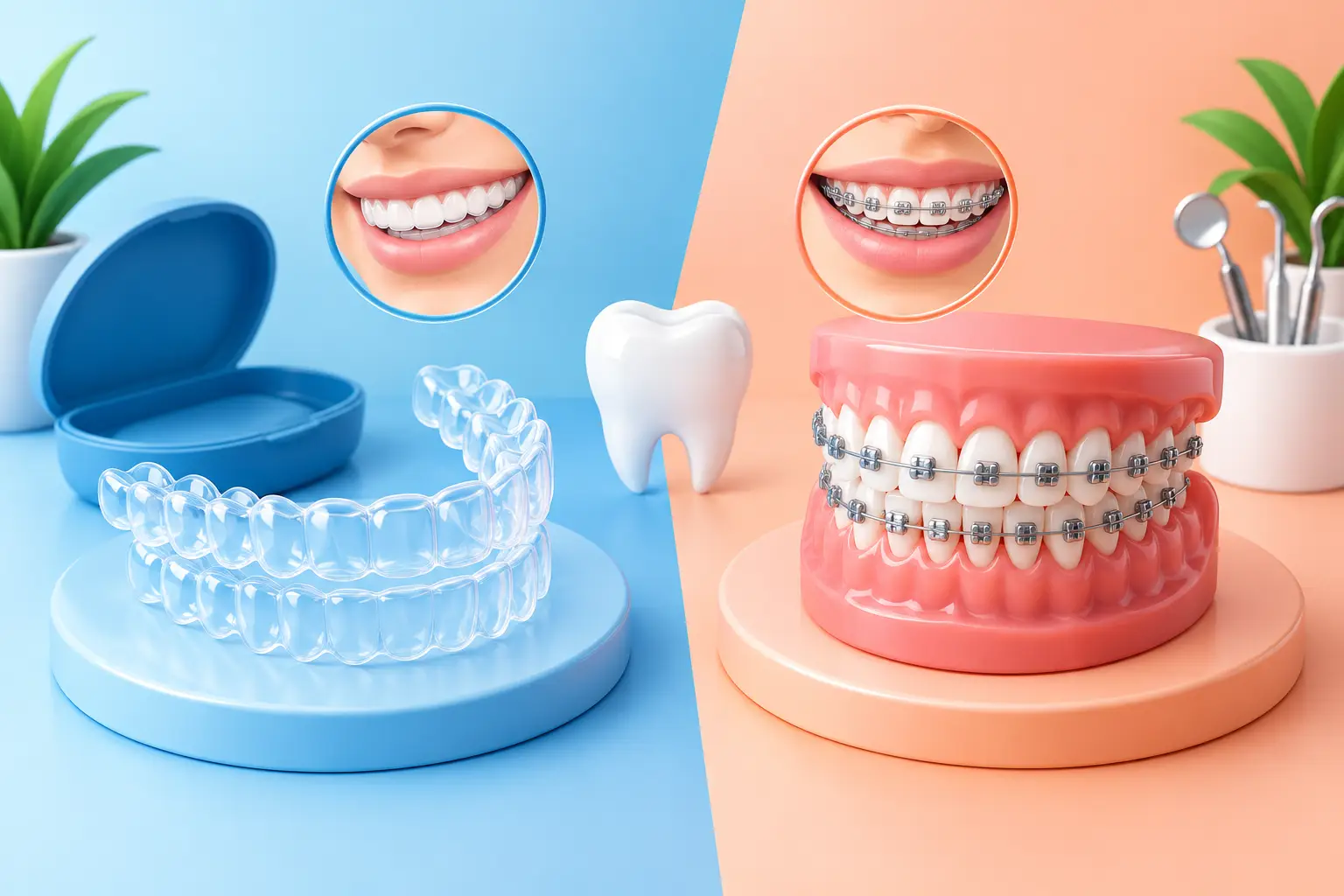
Invisalign at 50 often fits comfortably into a full adult life. Clear aligners are removable, discreet, and designed around a series of planned changes. For people who spent years avoiding orthodontics because they did not want noticeable braces, that discretion can feel like a meaningful advantage.
Still, aligners are not a passive treatment. They work best when worn consistently as directed, usually for most of the day and night, with removal for meals and routine brushing and flossing. That routine asks for a little planning, especially if you travel often, snack throughout the day, attend frequent business dinners, or drink coffee slowly over several hours.
The trade-off is worth considering honestly. Removable aligners offer flexibility, but they also put part of the treatment routine in your hands. Some patients appreciate that control. Others may prefer an option that does not require remembering to put an appliance back in after every meal. Your dentist can help you weigh those preferences without pressure.
Treatment length also varies. A small amount of crowding or spacing may require a different timeline than more complex tooth movement. The number of aligner sets, the need for refinement aligners, and how consistently they are worn can all affect the process. A personalized estimate after an examination is far more useful than comparing your case to a friend’s.
Your Existing Dental Work Matters
Adults often ask whether crowns, bridges, veneers, or implants automatically prevent Invisalign treatment. They do not automatically prevent it, but they do make coordinated planning especially valuable.
Natural teeth and restorations have different considerations during orthodontic planning. An implant, for example, is designed to remain in place rather than move with orthodontic treatment. A crown may be part of the overall plan, depending on its condition, location, and the tooth beneath it. In some cases, it makes sense to complete aligner treatment before placing a final restoration. In others, existing dental work can be incorporated into the plan.
This is one reason a comprehensive dental practice can be helpful for adults considering clear aligners. When general dentistry, restorative expertise, and periodontal care are coordinated, the conversation can focus on the order of care as well as the appearance of your smile. You should not have to piece together a complicated plan on your own.
What a Thoughtful Invisalign Consultation Should Cover
A good consultation should leave you clearer, not rushed. You deserve time to explain what has bothered you about your smile, whether that is one tooth that turns inward, spacing that has become more noticeable, or a general wish for a more even appearance.
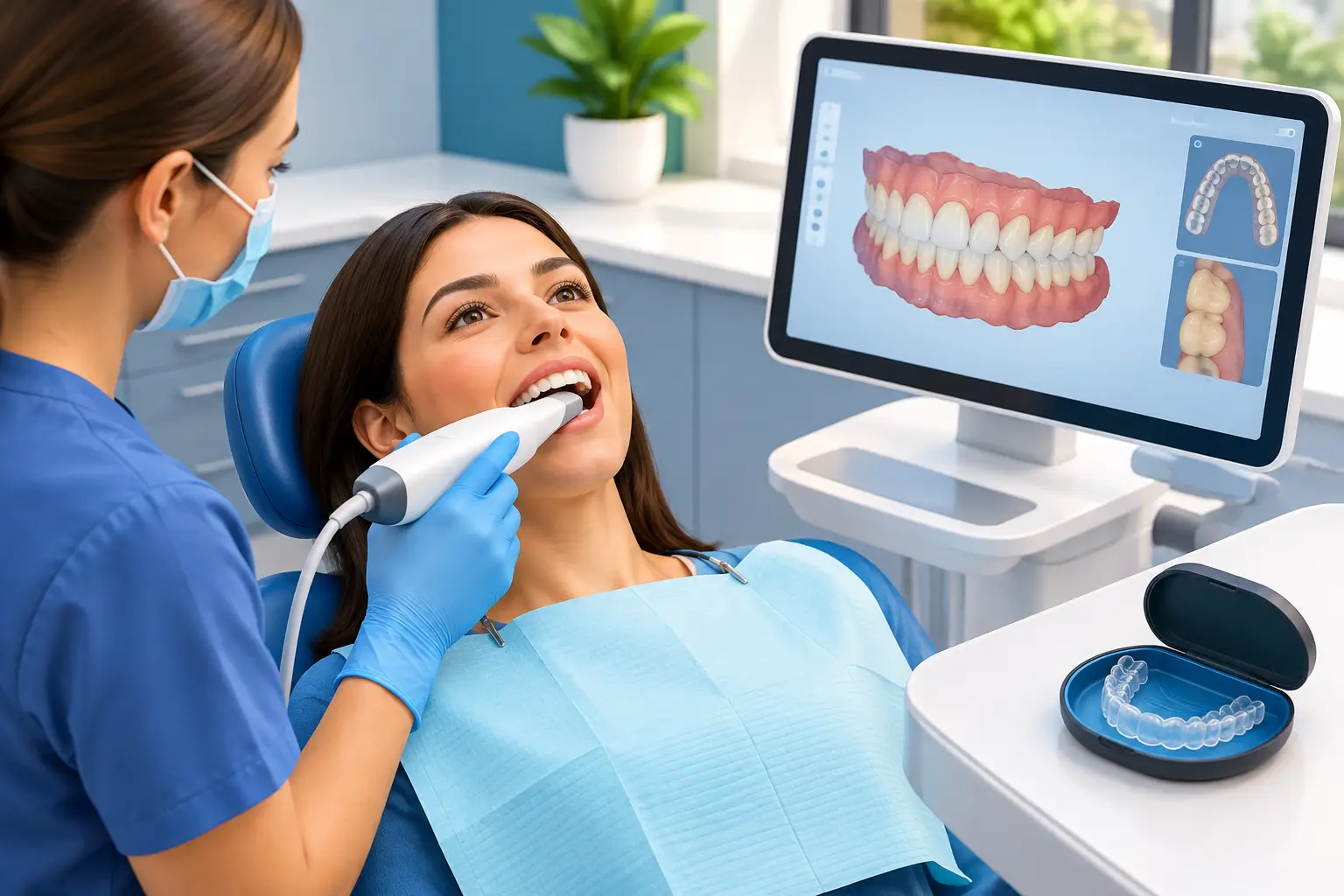
Your dentist will typically evaluate your teeth and gums, discuss your dental history, and take the records needed to plan treatment. Digital scans and photographs can help visualize the starting point and support a more precise conversation about what may be possible.
It is also the right time to discuss expectations. Clear aligner treatment can create meaningful cosmetic changes, but no responsible dentist should promise a perfectly identical result to a filtered photograph or another person’s smile. Your anatomy, restorations, tooth positions, and priorities all matter. The best plan is one that is realistic, healthy-minded, and aligned with what matters most to you.
Ask practical questions, too. How often will appointments be needed? What happens if an aligner is lost? Will retainers be needed after treatment? How should you care for aligners while traveling? There is no need to pretend you are not concerned about the day-to-day details. They are part of choosing a treatment you can genuinely follow.
Common Concerns Adults Have About Clear Aligners
Many people worry they will feel self-conscious wearing aligners. In practice, clear aligners are often far less noticeable than people expect, particularly in professional and social settings. You may notice them more than others do at first.
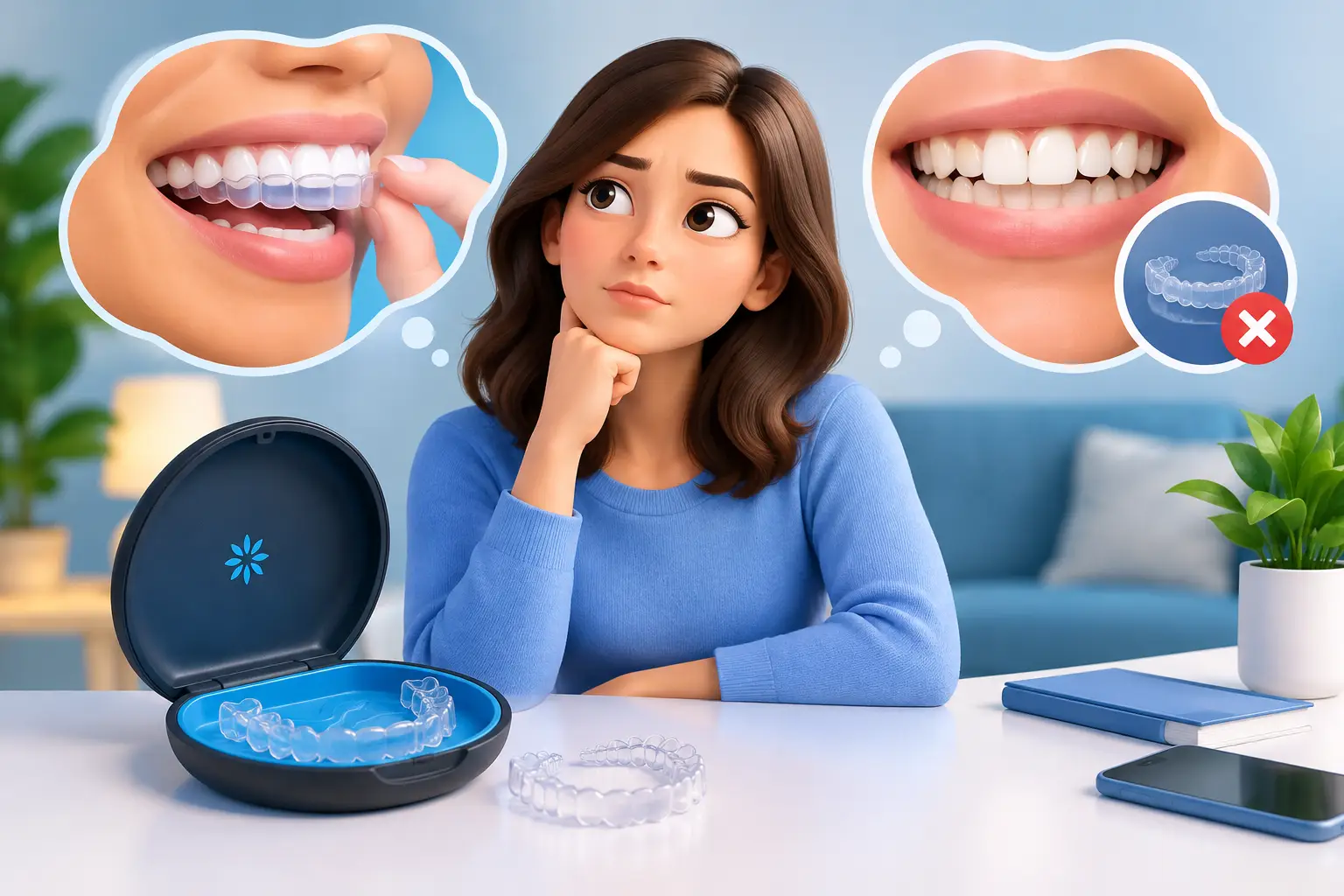
Some adults are concerned that they have waited too long to make a change. That feeling is understandable, but it can also keep people from asking a simple question that may have an encouraging answer. A consultation does not commit you to treatment. It gives you information.
Others worry about being judged for wanting cosmetic treatment later in life. There is no age limit on feeling good about your smile. Adults pursue Invisalign for many personal reasons: a milestone birthday, a new job, an upcoming wedding, retirement, or simply because they are ready to do something they have wanted for years.
How to Decide Whether Now Is the Right Time
Rather than asking whether you are “too old,” consider whether now is a workable season for treatment. You may be a good fit if you are ready to wear aligners consistently, attend periodic visits, and follow through with retainers after active treatment is complete.
It can also help to think about your goals in specific terms. Are you hoping for a subtle improvement, or do you want to explore a more comprehensive change? Are you planning other dental care soon? Do you want a discreet option that works around your career and family schedule? Clear answers make it easier for your care team to recommend a plan that feels manageable.
At Seattle Oral Care, patients are encouraged to ask questions and take the time they need to make an informed decision. For adults with existing dental work or more complex needs, a coordinated approach can bring welcome clarity to the process.
The question is not whether you should have started years ago. You cannot change that timing, and you do not need to apologize for it. If a straighter smile has stayed on your mind, a conversation now may be the most practical way to find out what is possible - and whether this is finally the right time for you.