
A teen may be ready for orthodontic treatment long before they feel ready for a mouth full of brackets. For parents asking, “Is Invisalign right for teenagers?” the honest answer is that it can be an excellent option - but only when the treatment plan and the teenager’s daily habits support it. Clear aligners offer meaningful benefits, yet they ask more of the patient than traditional braces do.
At Seattle Oral Care, we begin with a conversation rather than an assumption. Every smile, bite, schedule, and teen is different. A thoughtful orthodontic evaluation helps determine whether Invisalign can safely and predictably deliver the result your child needs.
Invisalign for Teens: What Makes It Different?
Invisalign treatment uses a series of custom clear, removable aligners to gradually guide teeth into healthier positions. Each set is worn for most of the day, then changed according to the dentist’s instructions as treatment progresses.
For many teenagers, the most obvious benefit is appearance. The aligners are clear and less noticeable in photos, at school, and during social activities. They can also be removed for meals, brushing, flossing, and special occasions. That means no food restrictions around popcorn, chewy candy, or crunchy snacks - although good judgment is still a good idea for overall dental health.
The removable design can make oral hygiene easier, too. Teens can brush and floss normally instead of cleaning around brackets and wires. This matters because orthodontic treatment can increase the risk of plaque buildup, tooth discoloration, and irritated gums when daily hygiene slips.
Invisalign for teens may also include features designed to help monitor wear and accommodate erupting teeth. Still, clear aligners are not a one-size-fits-all alternative to braces. Their success depends on careful diagnosis, consistent use, and regular check-ins.
Invisalign Teen vs. Braces: Which Is Better?
Neither option is automatically “better.” The right choice depends on the complexity of tooth movement, the bite, the health of the teeth and gums, and the teen’s likelihood of following the plan.
Traditional braces are fixed to the teeth. Because they cannot be removed, they work continuously and do not rely on a teen remembering to put them back in after lunch or sports practice. Braces may be the more predictable choice for certain complex bite concerns, significant rotations, or cases that require extensive control of tooth movement.
Clear aligners can treat many common orthodontic concerns, including crowding, spacing, and some bite issues. They are often a strong fit for teens who want a discreet option and can reliably wear their aligners as directed. Attachments - small, tooth-colored shapes placed on certain teeth - may be used to give the aligners better grip for specific movements. They are normal, effective, and usually far less noticeable than braces.
Comfort is another point of comparison. Both braces and aligners can cause temporary pressure as teeth move. Braces may occasionally irritate the lips or cheeks, particularly after adjustments. Aligners have smooth edges, but a new set can feel snug for the first day or two. Neither treatment should cause ongoing severe pain. If it does, the dental team should know.
Invisalign Compliance for a Teenager Is the Deciding Factor
The most important question is often not whether your teen wants Invisalign. It is whether they can wear it consistently.
Most Invisalign plans require aligners to be worn about 20 to 22 hours each day. They should come out for eating and drinking anything other than plain water, then go back in after brushing when possible. Leaving aligners in a backpack, wrapping them in a napkin at lunch, or taking long breaks from wear can slow treatment and affect the final result.
Invisalign compliance for a teenager is not about expecting perfection. It is about building dependable routines. A teen who keeps a case in their backpack, sets phone reminders, and understands why wear time matters may do very well. A teen who frequently loses retainers, struggles with daily hygiene, or is unlikely to follow a schedule may be better served by braces.
Parents can support success without turning every meal into a conflict. Ask your teen to show you that aligners are in before school, before bed, and after dinner for the first few weeks. Encourage them to use the storage case every time the aligners come out. Small routines can prevent expensive replacement aligners and unnecessary treatment delays.
Questions to ask before choosing clear aligners
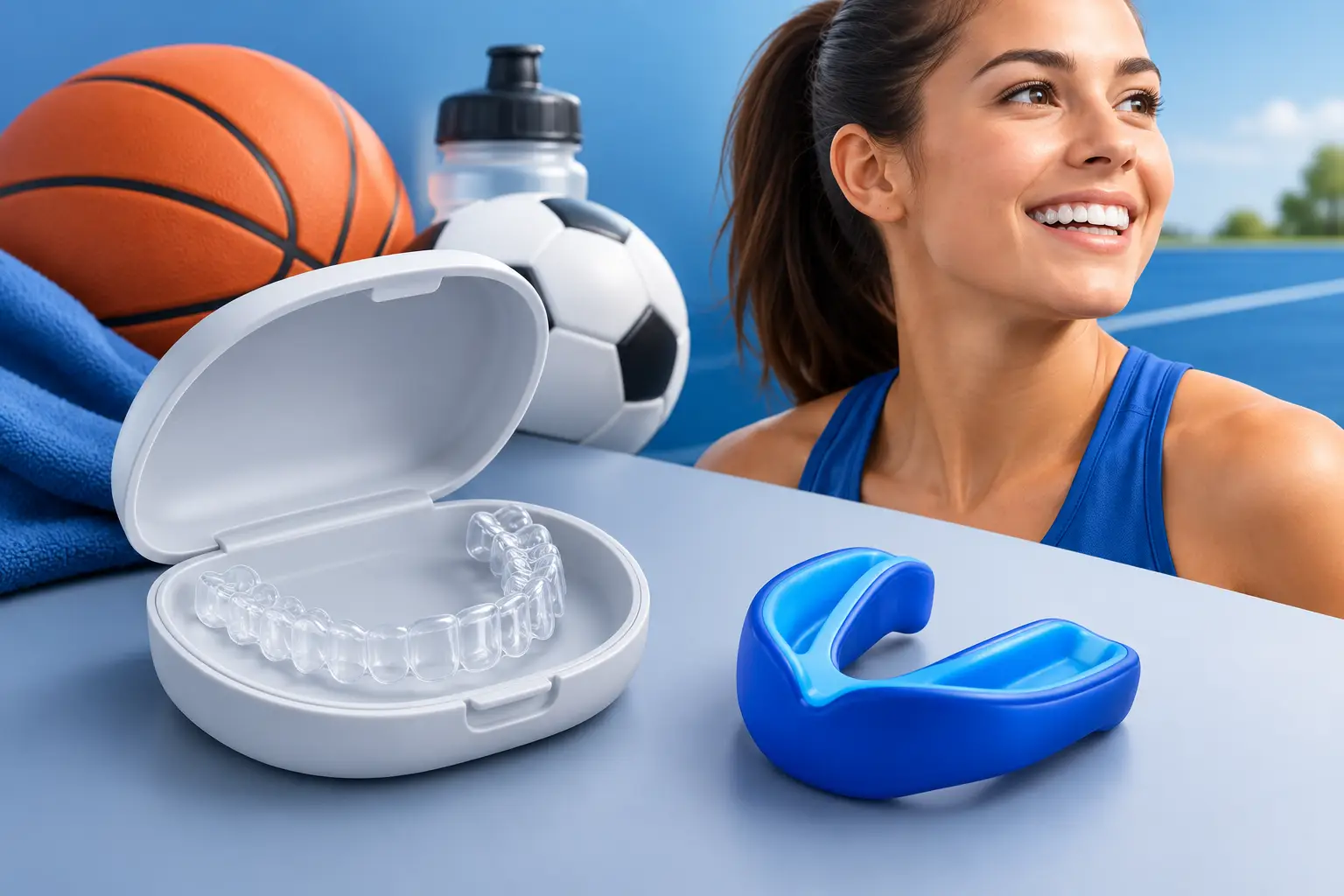
A useful family conversation includes more than, “Do you want clear aligners?” Consider whether your teen can manage them during a busy school day, remember them after meals, and keep them safe during sports, band, or travel. It also helps to ask how they have handled retainers, mouthguards, or other daily responsibilities in the past.
Teens do not need to be flawless candidates. They do need to understand that clear aligners only work when they are worn. A consultation gives your child a chance to hear that directly from their dental team, which can make the responsibility feel more real than hearing it only at home.
Invisalign Teen Cost vs. Braces: Look Beyond the Starting Price
Families understandably want to know about Invisalign teen cost vs. braces. Costs vary based on the complexity of treatment, the number of aligners required, whether additional procedures are needed, insurance benefits, and the length of care. In some cases, clear aligners and braces are priced similarly. In others, one option may be more or less expensive depending on the individual plan.
The most helpful comparison is not simply the advertised price. Ask what is included: diagnostic records, treatment visits, attachments, refinements if needed, retainers after active treatment, and replacement policies for lost aligners. A clear financial conversation should explain anticipated costs before treatment begins, along with payment options and any applicable insurance coverage.
There can also be practical costs to consider. Repeatedly losing aligners may lead to replacement fees and delays. With braces, emergency visits for a broken wire or bracket can occasionally occur. The goal is not to find the cheapest option on paper. It is to select the treatment most likely to work well for your child and fit your family’s routine.
When Braces May Be the Better Choice
Braces are not a fallback option. They remain a highly effective, time-tested orthodontic treatment, and many teens prefer knowing that their appliances stay in place without requiring daily decisions.
They may be recommended when a teen has a more complex bite, substantial tooth movement needs, or a history that suggests aligner wear would be inconsistent. Braces can also be a relief for families who do not want to worry about aligners being misplaced during school lunches, sleepovers, or team trips.
On the other hand, a responsible teen with mild to moderate alignment needs may enjoy the flexibility and confidence that clear aligners provide. The best treatment is the one that supports both oral health and consistent follow-through.
Start With a Personal Orthodontic Assessment
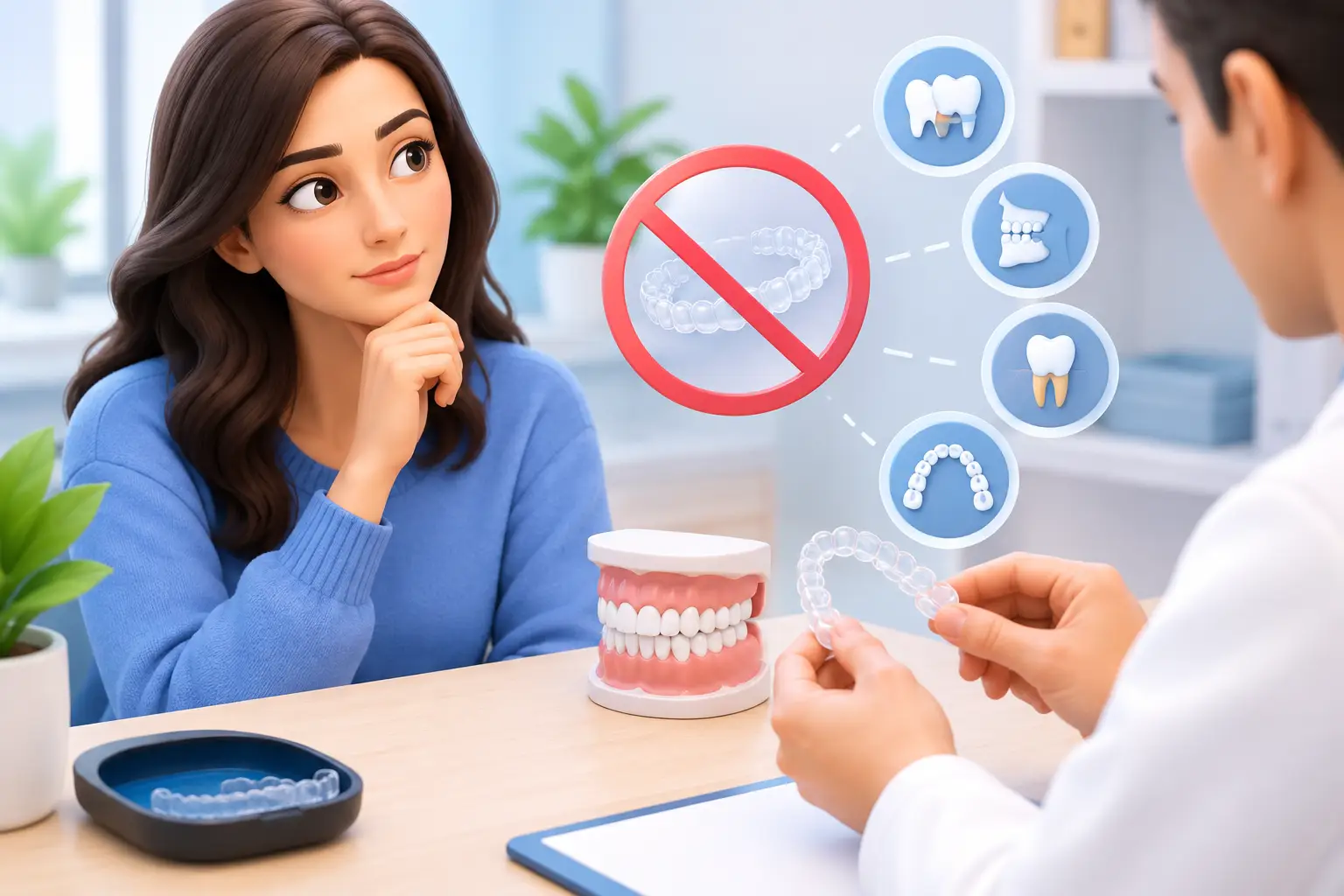
An orthodontic evaluation should look beyond straight front teeth. Your dental team will assess the bite, jaw relationship, tooth development, gum health, existing dental work, and any habits that could affect treatment. Digital imaging and scans can help show what each option may involve and what result is realistic.
This is also the right time to discuss your teen’s concerns. Some worry about appearance. Others are nervous about discomfort, sports, playing an instrument, or speaking clearly at school. A calm, detailed discussion can replace uncertainty with a plan your teen understands.
Your child does not need to choose between a confident smile and a treatment plan that fits real life. With the right evaluation, clear expectations, and support at home, your family can choose an orthodontic path that feels manageable from the first tray or bracket to the final retainer.