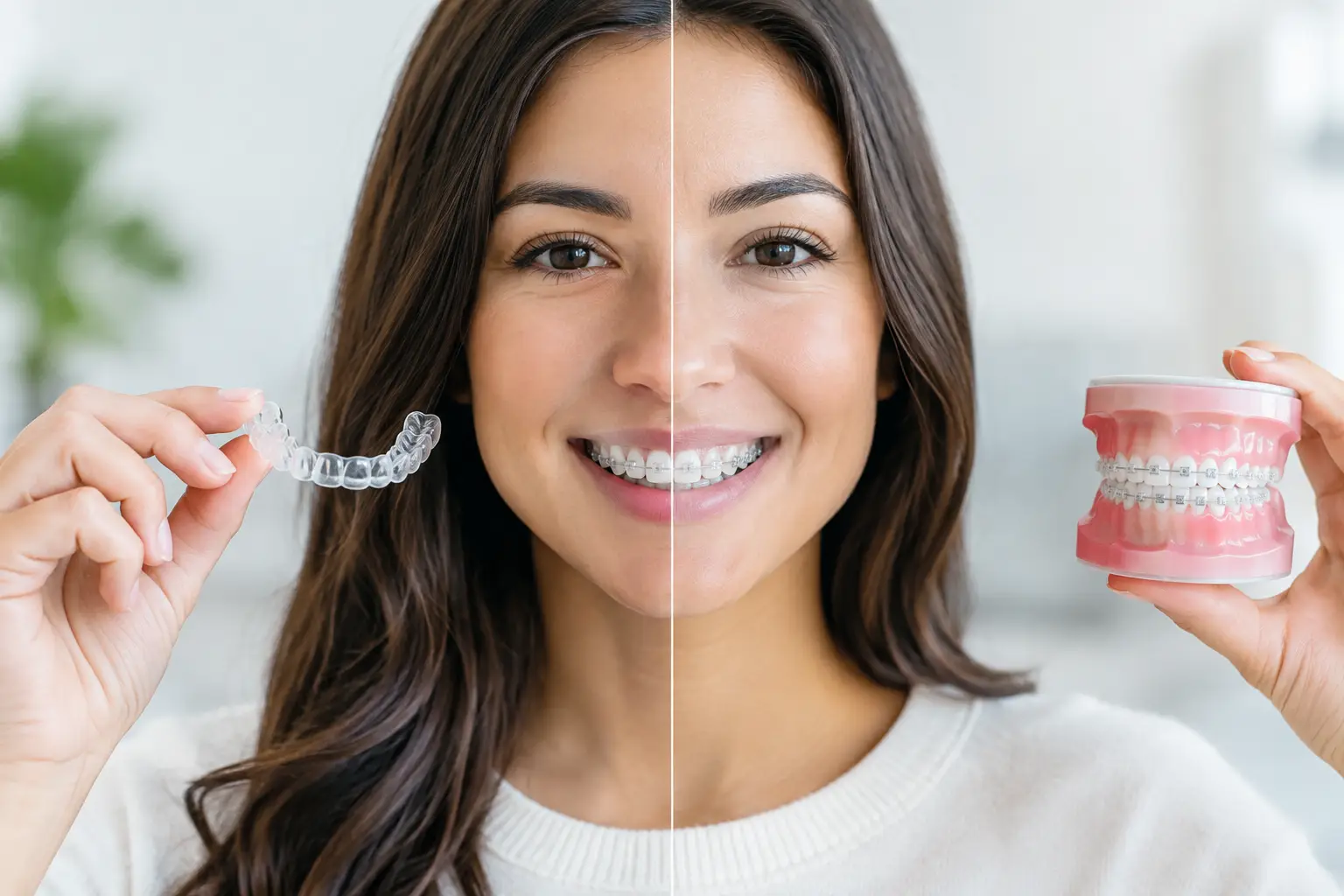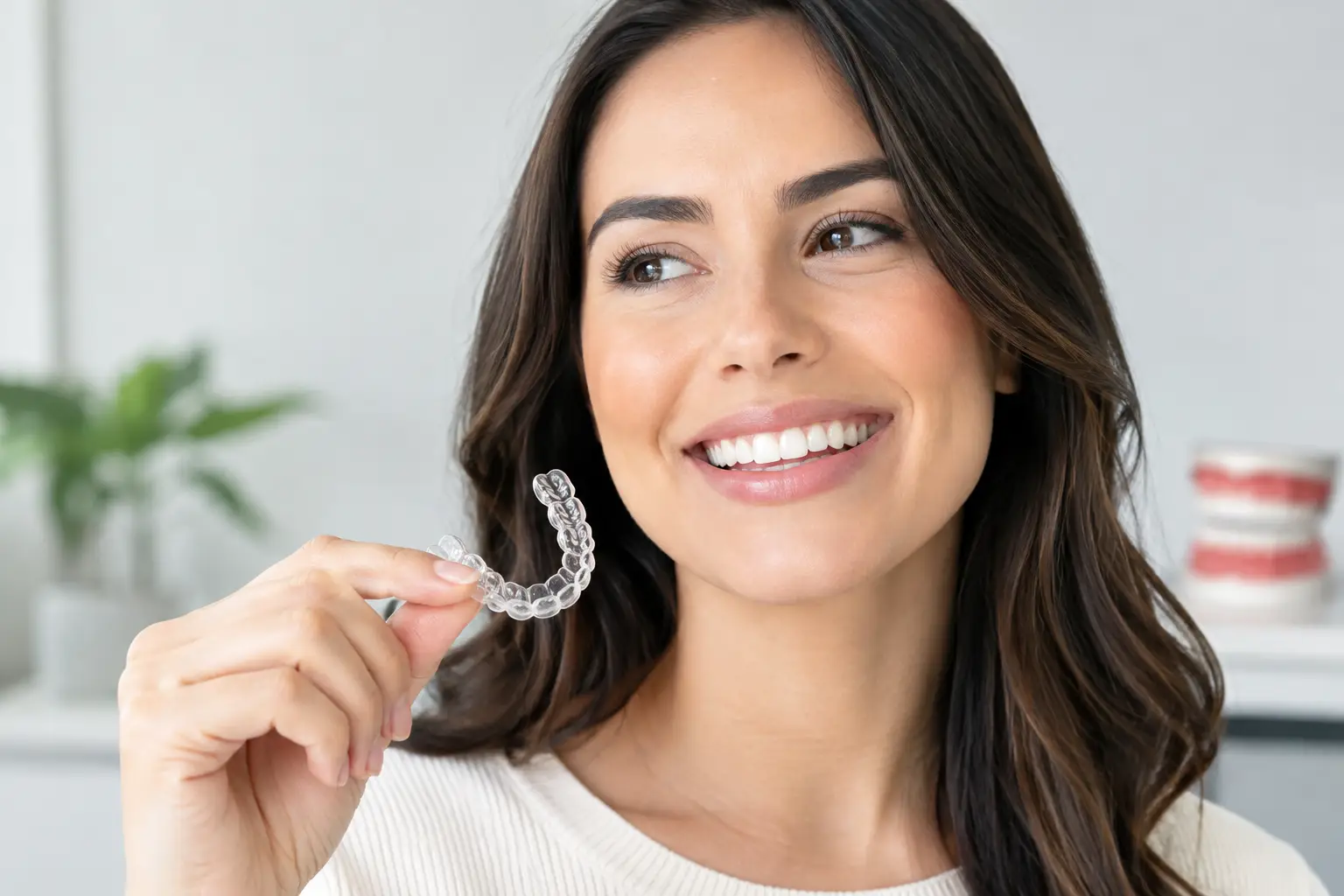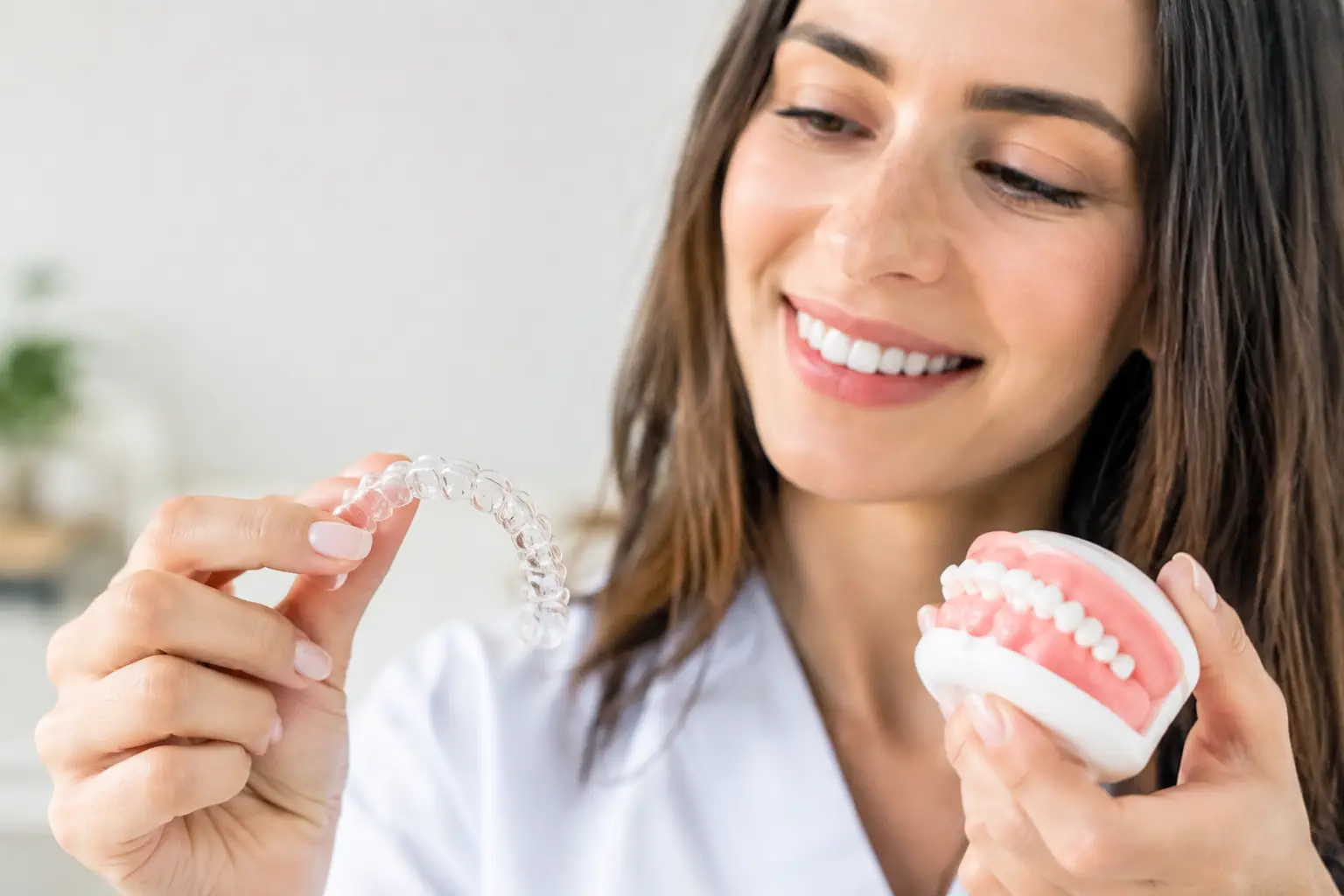
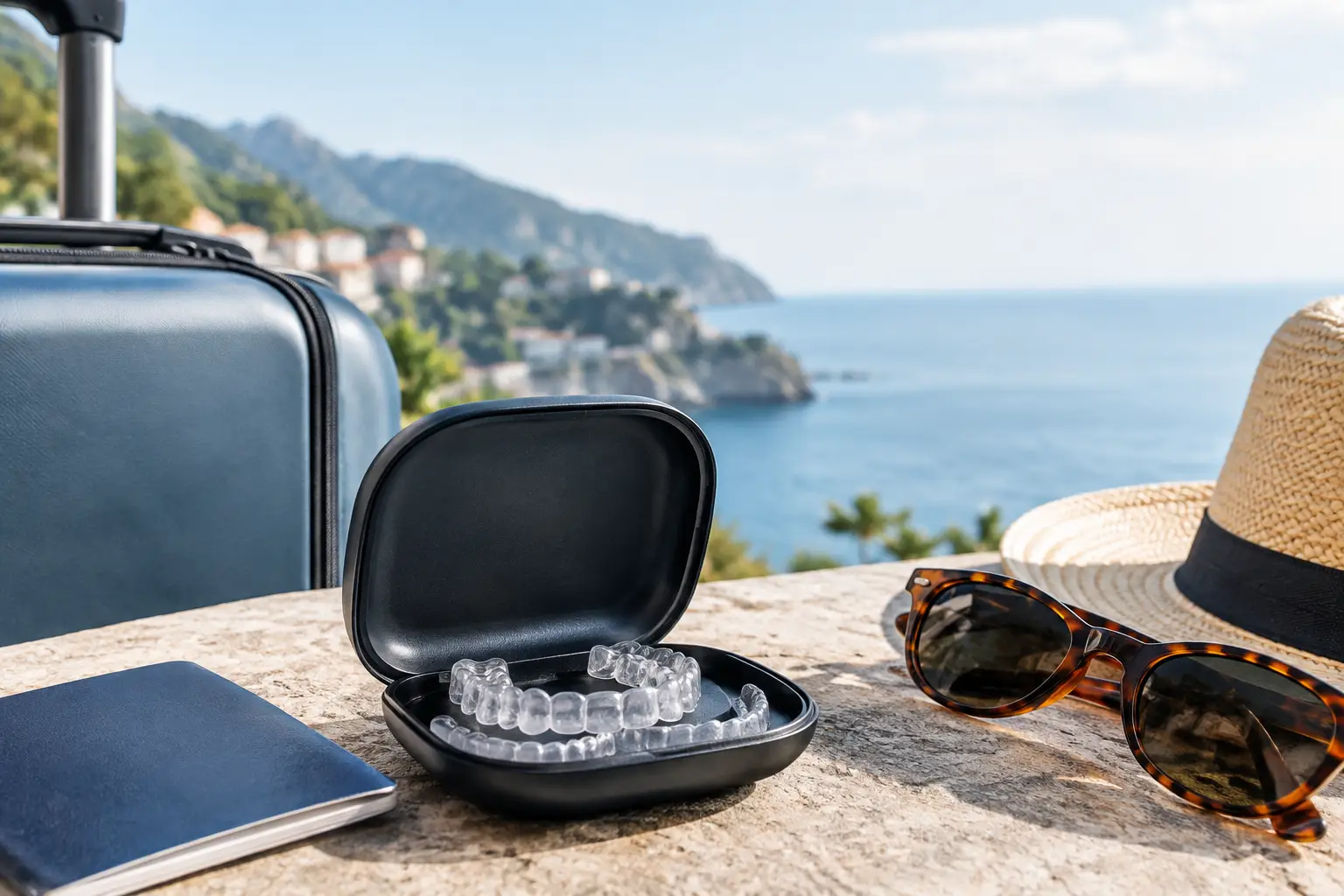
A clear aligner wrapped in a restaurant napkin is easy to forget, easy for a server to throw away, and frustrating to replace from another state or country. If you are wondering how to travel with Invisalign, a little planning can protect your progress without making your vacation feel like a dental appointment. For someone leaving for a trip mid-treatment, practical Invisalign vacation tips and a well-packed Invisalign travel case make all the difference.
Clear aligners are designed to fit into real life, including work trips, family visits, weddings, and long-awaited vacations. The goal is not perfection at every moment. It is to maintain the consistent wear and care that keeps your teeth moving according to plan.
How to Travel With Invisalign Without Losing Momentum
Most Invisalign patients are asked to wear their aligners for about 20 to 22 hours each day. Travel can make that harder because meals run longer, schedules shift, and brushing is not always convenient. A few extra minutes without aligners on a special occasion is unlikely to erase your progress, but several extended breaks can add up.
Build your travel routine around the moments when aligners usually come out: meals, coffee, snacks, and brushing. Remove them only when needed, place them directly in their case, and put them back in as soon as you have rinsed or brushed. Water is generally fine to drink while wearing aligners. For coffee, tea, wine, soda, juice, or any hot beverage, remove them first. Drinks can stain the plastic, trap sugar against teeth, or warp aligners if they are hot.
If you are crossing time zones, do not worry about changing trays at the exact hour you would have at home. What matters is following the number of days your dental team prescribed for each set. If your scheduled tray-change day occurs while you are away, ask before you leave whether you should bring the next set and when to begin wearing it.
Pack an Invisalign Travel Case You Will Actually Use
Your aligner case should stay in the same easy-to-reach place throughout your trip, such as your carry-on, purse, backpack, or day bag. Do not pack it only in checked luggage. Delayed bags happen, and you may need your aligners during a long travel day.
A useful Invisalign travel case is small, sturdy, and brightly colored enough that you can spot it quickly. The standard case provided by your dental office works well. What matters most is using it every time. Never place aligners loosely in a pocket, on a tray table, or inside a napkin.
Along with your case, pack a compact oral-care kit. It should include a travel toothbrush, toothpaste, floss or interdental cleaners, and a small bottle of alcohol-free mouth rinse if you use one. A soft toothbrush can also help clean your aligners. Use cool or lukewarm water, not hot water, which can distort the plastic. Avoid abrasive toothpaste on the trays because it can leave them looking cloudy or scratched.
Depending on the length of your trip and your treatment plan, your dental team may recommend bringing your current aligners, your previous set, and one upcoming set. Keep each pair labeled and stored separately. The previous set can be especially useful if your current aligners are lost or damaged. Do not move ahead to a future tray simply because it is available. It may not fit correctly yet.
For a trip of several weeks, ask whether you need additional aligners or a remote check-in. Your treatment plan should guide the packing list, not a one-size-fits-all rule.
Plan Ahead If You Are Leaving Mid-Treatment
A quick conversation with your dentist or orthodontic team before departure can prevent the most common travel problems. This is particularly helpful if you are due for a progress visit, have recently received attachments, are wearing elastics, or expect to change to a new set of aligners while away.
Let the office know your travel dates and destination. They can confirm whether your current aligners are fitting well and whether it is appropriate to take the next set with you. If an appointment falls during your trip, do not assume it can simply be skipped. Some visits are flexible, while others are timed to monitor tooth movement, attachment placement, or the next phase of treatment.
If you are traveling shortly after getting attachments, pack an orthodontic wax if your team recommends it. Attachments can feel unfamiliar at first, especially when you remove aligners for meals. The good news is that this adjustment period is usually brief.
It also helps to save your dental office's phone number and take a clear photo of your current aligners and their identifying number. If you need advice from afar, those details make it easier for the team to understand where you are in treatment.
Keep Your Routine Flexible, Not Casual
Vacation meals are part of the experience, and Invisalign should not prevent you from enjoying them. The practical approach is to take your aligners out for meals, rinse your mouth with water afterward when brushing is not possible, and brush as soon as you reasonably can. Then return the aligners to your teeth.
Frequent snacking is the bigger challenge. Grazing all afternoon may leave aligners out longer than intended, especially at the beach, on a road trip, or during a conference. When possible, group snacks with meals rather than removing your aligners repeatedly. This protects your wear time and reduces the chances of misplacing them.
If you are eating somewhere without a restroom, a bottle of water can help you rinse your mouth and aligners before putting them back in. This is not a replacement for brushing, but it is a reasonable short-term solution until you can clean your teeth properly.
What to Do If an Aligner Is Lost, Cracked, or Does Not Fit
Lost aligners can happen even to careful travelers. If you lose your current set, contact your dental team as soon as possible. In many cases, you may be told to wear your previous set temporarily to help prevent teeth from shifting. If you were already close to changing trays, the recommendation may be different. This is why bringing the prior set can be so valuable.
A small crack does not always mean an aligner is unusable, but it should be evaluated. Do not try to repair an aligner with glue, and do not force a damaged tray into place. If an aligner feels unusually tight after being out for a long time, wear it as directed and contact your provider if it will not seat fully or causes significant discomfort.
The same guidance applies if an attachment comes off. It is usually not an emergency, but your team should know. Continue wearing your aligners unless they tell you otherwise, and avoid guessing about whether to switch to the next tray.
Travel Days Need a Simple Strategy
Air travel itself does not affect Invisalign. You can wear aligners through airport security and on the plane without concern. Keep your case, hygiene kit, and backup trays in your personal item rather than an overhead bin or checked suitcase.
For a long flight, train ride, or drive, plan your meal timing before you leave. Eat, brush, and reinsert your aligners before boarding when possible. If you eat during transit, use your case right away. The small habit of putting trays away before you start a movie, conversation, or nap can save you from an expensive replacement later.
A trip should not put your smile on pause. Before you leave, a brief check-in with your dental team can give you clear instructions for your specific stage of treatment. With your aligner case close by and a realistic routine for meals and cleaning, you can focus on the reason you traveled while keeping your treatment moving forward.