You have decided you are ready for a straighter smile, and the next question is naturally about momentum. If you are searching for “how long to get Invisalign after consultation, invisalign first aligners wait time, what happens after the invisalign scan,” you want a clear sense of what comes next without being given a promise that may not fit your care. The process is usually straightforward, but it involves thoughtful planning before your first aligners are ready.
For adults balancing work, family, and everyday responsibilities, that planning is a good thing. Invisalign treatment is designed around your individual bite, tooth movement, and oral health, not a one-size-fits-all schedule. Knowing the stages ahead can make the waiting period feel more purposeful and help you start treatment feeling prepared.
What Happens After the Invisalign Scan?
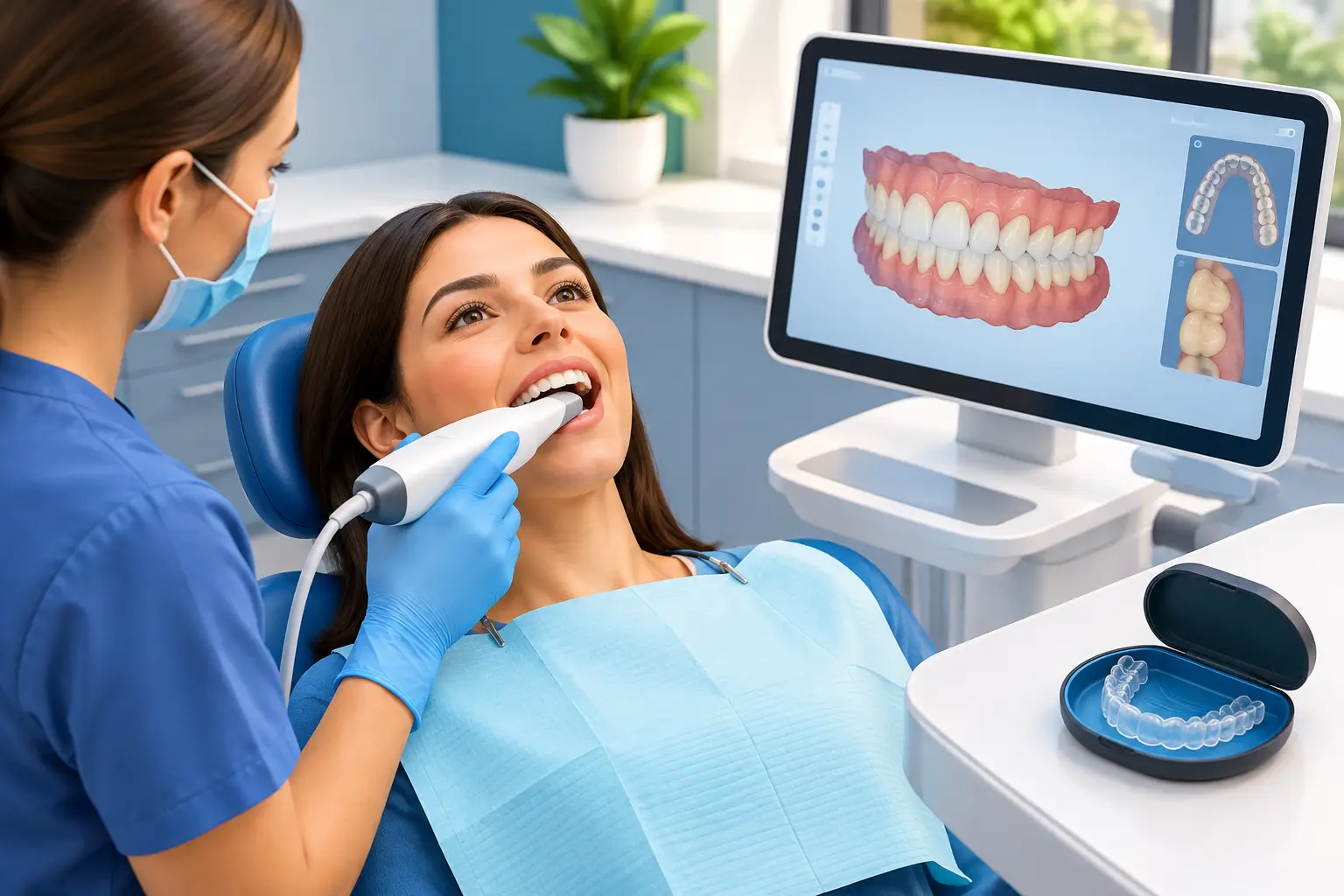
The scan is an important milestone, but it is not the final step before aligners are made. During your consultation, your dental team evaluates whether clear aligners are appropriate for your goals and your oral health. Digital scans create a detailed 3D record of your teeth and bite, replacing the messy impressions many people remember from past dental care.
After the Invisalign scan, your provider reviews the records and develops a prescription for the movements your teeth need to make. This planning phase considers much more than whether front teeth look straight. A healthy, lasting result also depends on how the upper and lower teeth meet, how much space is available, the condition of the gums, and the stability of the final bite.
Your provider then works with Invisalign to create a digital treatment plan. You may be invited to review a simulation of the projected tooth movements. This is a valuable conversation, not merely a preview of a cosmetic result. It is the time to ask questions about your priorities, such as improving crowding, closing a gap, making room for future restorative care, or correcting a bite that feels uneven.
Once the plan is approved, the aligners are manufactured from the finalized instructions and sent to the dental office. Your team checks that everything has arrived as expected before arranging your first aligner visit.
Why the First Aligners Wait Time Can Vary
It is understandable to want a precise arrival date as soon as you commit to treatment. However, the Invisalign first aligners wait time can vary because each case moves through individualized clinical and manufacturing steps.
Some plans are relatively direct. Others require more detailed review because the teeth need complex movements, the bite needs careful coordination, or the patient has existing crowns, bridges, implants, or other dental work. An implant does not move with orthodontic treatment, for example, so it may need to be considered as part of a larger restorative plan.
There can also be practical reasons for a pause between the scan and the first trays. If your gums are inflamed, a cavity needs care, or a tooth requires stabilization, addressing that concern first supports a healthier orthodontic result. Starting aligners before the foundation is ready can create avoidable complications later.
Sometimes the treatment plan needs an adjustment after the provider reviews the digital setup. That is not a sign that anything has gone wrong. It often reflects careful attention to the details that make treatment more comfortable, predictable, and durable. A plan worth following is worth reviewing closely.
Your First Aligner Appointment
When your aligners are ready, the first appointment is more than a quick handoff. Your dentist will make sure the trays fit properly and explain how to place and remove them. You will also learn how to clean them, when to wear them, and what to expect as you begin.
Many patients need small tooth-colored attachments during treatment. These are discreet shapes bonded to selected teeth that help the aligners apply pressure in precise directions. If attachments are part of your plan, they are often placed at this visit. Some patients may also need space created between certain teeth to allow for planned movement. Your dentist will explain whether either step applies to you before treatment begins.
You will leave with your first aligners and clear instructions for the next phase of care. The first few days can bring a feeling of pressure or tenderness, especially when changing to a new tray. That sensation generally means the aligners are actively engaging the teeth. It should not feel like sharp or escalating pain, and your care team should be available if something feels off.
How to Keep Your Start on Track
Once treatment begins, your daily habits matter. Invisalign aligners are removable, which is one of their greatest advantages for adults. You can take them out for meals, brushing, flossing, and special occasions. The trade-off is that treatment depends on wearing them consistently as directed.
A few practical routines make the adjustment easier. Keep your case with you so aligners do not get wrapped in a napkin and accidentally discarded. Brush your teeth after meals when possible before reinserting trays. Rinse the aligners and clean them as instructed, since cloudy or odorous trays can be a sign they need more attention.
It also helps to plan for the first visit realistically. If attachments are being placed, allow a little extra time afterward to get used to the new feeling on your teeth. Most adults settle into their routine quickly, but there is an adjustment period when speaking, snacking, and cleaning need a bit more intention.
When Other Dental Needs Affect the Timeline
Clear aligners can be part of a broader dental plan, especially for adults who have put off care or are considering cosmetic or restorative improvements. Orthodontic treatment may be recommended before a crown, bridge, veneer, or implant restoration because moving natural teeth first can create better spacing and bite relationships.
In other situations, existing dental work changes what is possible. Crowns and bridges may require a different attachment strategy. Gum health may need to be improved before tooth movement begins. If you grind your teeth, have jaw discomfort, or are managing significant wear, your dentist may also discuss how orthodontic treatment fits into protecting your bite over time.
This coordination is particularly valuable when several concerns overlap. At Seattle Oral Care, Invisalign planning can be considered alongside preventive, restorative, periodontal, and surgical needs, so patients do not have to piece together separate recommendations on their own.
Questions Worth Asking Before You Leave the Consultation
A good consultation should leave you informed, not pressured. Ask what goals Invisalign can realistically address in your case and whether any dental treatment should happen first. You can also ask what will be reviewed after the scan, whether attachments are likely, and how follow-up visits will be handled.
If a projected smile simulation is shown, ask about the bite behind the smile. Straight-looking teeth are only part of the outcome. Comfort, function, healthy gums, and a stable bite deserve equal attention.
It is also reasonable to share practical concerns. Tell your dental team if you travel frequently, work shifts, have an upcoming event, or feel nervous about managing removable aligners. These details help shape instructions and appointment planning around real life.
A Thoughtful Start Is a Strong Start
The period after an Invisalign consultation is not simply waiting for plastic trays to arrive. It is the planning stage that turns your goals into a treatment designed for your teeth, your bite, and your long-term oral health. Rather than focusing on a fixed countdown, use that time to ask questions, complete any recommended care, and get ready for the routines that will support your new smile. When your first aligners arrive, you can begin with confidence that the process was built around you.