A retainer that no longer fits can be an unsettling discovery, especially after the time and effort you put into braces. Invisalign after braces relapse is a common option for adults whose teeth have gradually moved out of alignment, whether the changes are barely noticeable or affect their bite, comfort, or confidence.
Teeth can shift years after orthodontic treatment, even for people who wore retainers faithfully for a while. The encouraging news is that a return to full braces is not always necessary. With a thoughtful exam and clear treatment plan, clear aligners may be able to guide mildly to moderately shifted teeth back into a healthier, more comfortable position.
Why teeth shift after braces
Braces move teeth by remodeling the bone and supporting tissues around their roots. Once treatment ends, those tissues need time to stabilize. They also continue to respond to natural forces throughout life, including chewing, tongue pressure, tooth grinding, gum changes, and the normal aging of the jaw.
For many people, the lower front teeth are the first to crowd again. A small rotation, overlap, or change in one front tooth can make a once-straight smile look noticeably different. Others find that a space has reopened, their bite no longer meets evenly, or an upper tooth has drifted enough to make cleaning more difficult.
Retainer use plays a major role, but relapse is not always a matter of doing something wrong. Retainers wear out, crack, become loose, or get lost. A retainer that feels tight is usually a sign that teeth have already begun to move. For long-term stability, many adults need some form of retention indefinitely.
Is Invisalign for relapse the right solution?
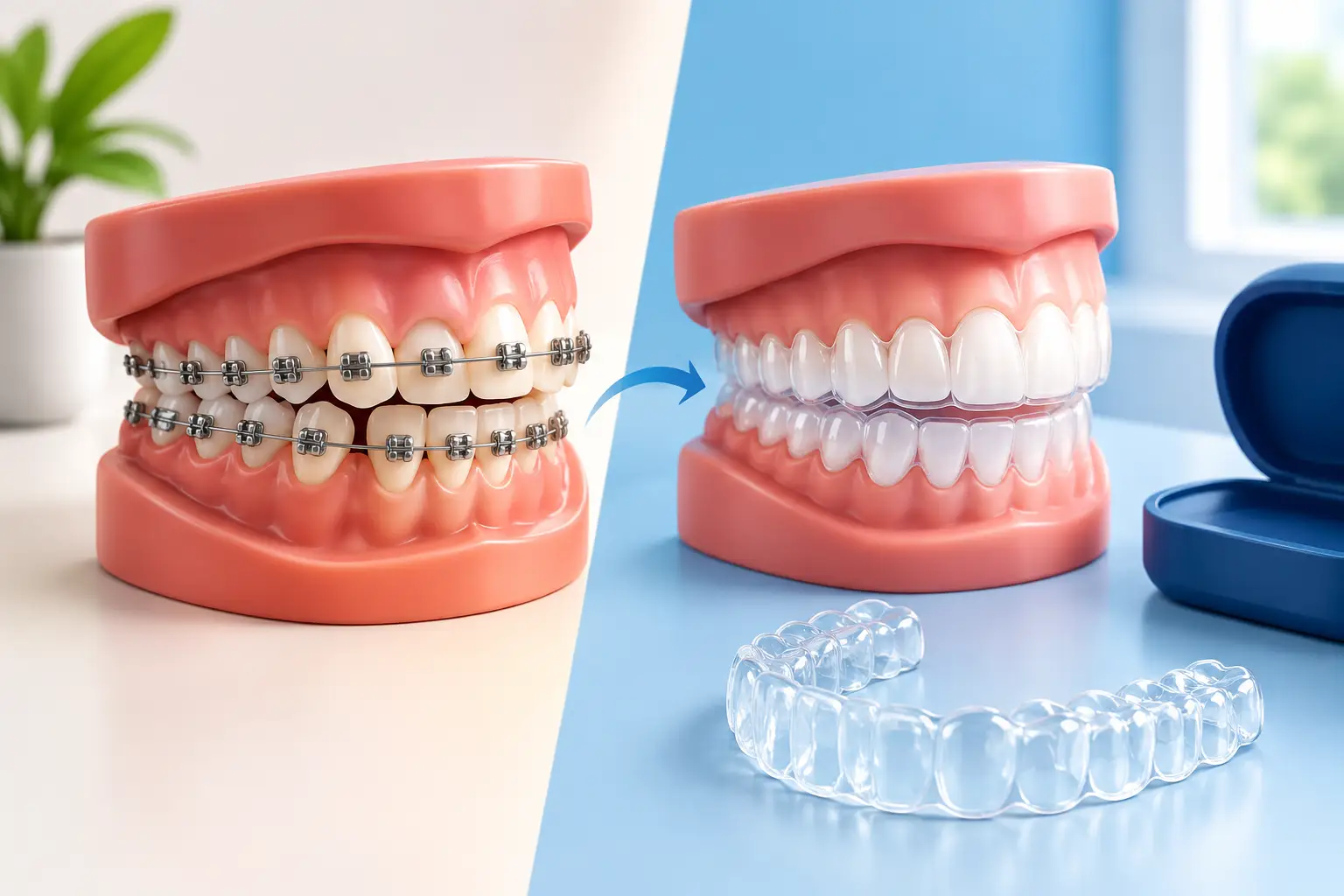
Invisalign for relapse can be an excellent fit when the movement is relatively limited and the teeth and gums are healthy. Clear aligners are custom-made trays that apply gentle, planned pressure to shift teeth in small increments. Because they are removable and discreet, they are especially appealing to adults who want to improve their smile without returning to noticeable brackets and wires.
Treatment length depends on what has changed. A minor relapse may take only a few months, while more significant crowding, spacing, bite changes, or rotations may require a longer course. The number of aligners is less important than the quality of the plan. Your dentist should evaluate how your teeth fit together, the condition of your gums and bone, any existing crowns or restorations, and the health of the jaw joints before recommending treatment.
Clear aligners require consistency. They generally need to be worn about 20 to 22 hours each day, with removal for meals and oral hygiene. They can be very convenient, but they are not passive treatment. If trays are frequently left out, teeth may not track as planned and treatment can take longer.
When clear aligners may not be enough
Some cases need a different approach or added care. Significant bite discrepancies, severe tooth rotation, complex jaw-related concerns, active gum disease, or untreated decay can affect whether aligners are appropriate at that moment. In some situations, braces offer more precise control. In others, periodontal treatment or restorative care should come first to create a stable foundation.
This is why an in-person consultation matters. The goal is not simply to make the front teeth look straighter. It is to create a result that feels comfortable, functions well, and can be maintained.
Can you fix shifted teeth without braces again?
For many adults, yes. If you are wondering how to fix shifted teeth without braces again, clear aligners are often the first treatment worth discussing. They can address relapse discreetly while allowing you to remove the trays for eating, brushing, flossing, and special occasions.
However, not every cosmetic concern requires tooth movement. If your teeth are in a healthy bite but have very small gaps, minor unevenness, or worn edges, bonding or other cosmetic treatment may sometimes be considered. These options do not move teeth, so they are not a substitute when alignment or bite needs correction. Placing restorations on teeth that are crowded or poorly positioned can also make hygiene more challenging.
A careful evaluation helps distinguish between a problem that is mainly cosmetic and one that could affect long-term oral health. If shifting has made your teeth harder to clean, caused uneven wear, or changed how you bite, orthodontic correction may offer benefits beyond appearance.
What an evaluation for teeth shifted after braces involves
When teeth shifted after braces, Invisalign planning should start with a complete assessment rather than an impression alone. Your dental team will review your health history, examine your teeth and gums, assess your bite, and take the images needed to understand the position of roots and supporting bone.
You can also share what you have noticed. Perhaps you cannot floss between two lower teeth as easily as before. Maybe your old retainer no longer sits fully in place, or you have started biting the inside of your cheek. These details help shape a plan around your daily experience, not just a photograph of your smile.
If you have crowns, implants, bridges, or extensive restorative work, that does not automatically rule out aligner treatment. Teeth with restorations can sometimes move, while implants do not move orthodontically because they are anchored to the jawbone. A coordinated plan is particularly valuable in these cases, so orthodontic movement supports the health and longevity of your existing dental work.
Invisalign retainer relapse: why the retainer still matters
Correcting relapse is only one part of treatment. An Invisalign retainer relapse can occur when a patient completes aligner therapy but does not have a realistic plan for keeping teeth in their new positions. Teeth retain a natural tendency to drift, which means retention is an ongoing commitment rather than a short final step.
After aligner treatment, you may receive clear retainers designed to hold your teeth in place. Your dentist will recommend a schedule based on your case. Some people begin with more frequent wear before transitioning to nighttime use, while others may need a different approach because of grinding, bite concerns, or the degree of prior relapse.
Keep your retainers clean, store them in their case when not in use, and bring them to regular dental visits if you have questions about fit. If a retainer becomes warped, cracked, loose, or suddenly too tight, do not force it. A prompt evaluation can help prevent minor movement from becoming a larger correction.
Small habits that protect your result
Once your smile is back in alignment, a few practical habits make a meaningful difference. Wear retainers exactly as directed, and replace them when they show signs of wear. Continue regular cleanings and exams so gum inflammation, decay, and grinding-related damage can be identified early.
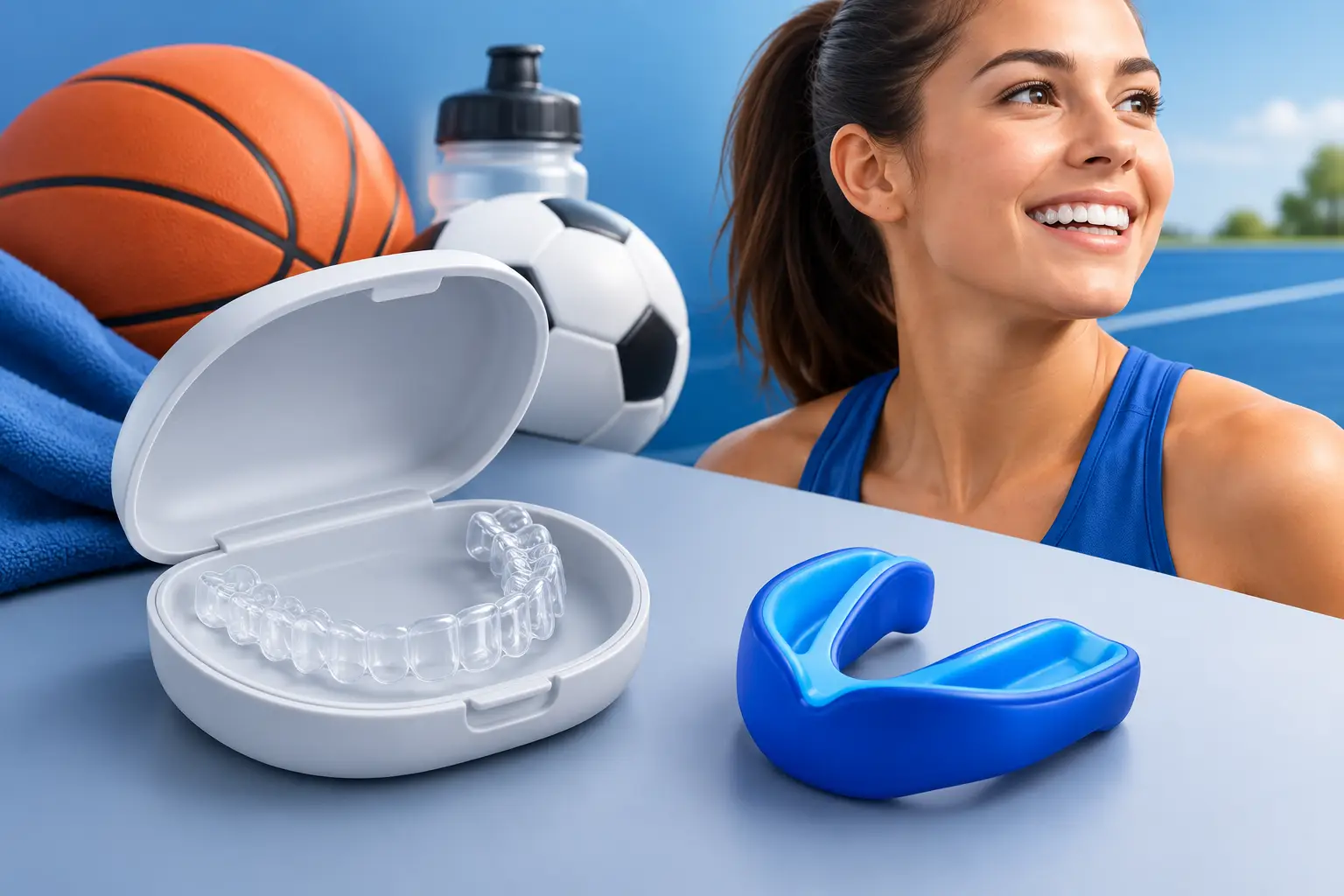
If you clench or grind your teeth, ask whether a protective night guard or another approach may be appropriate. A retainer and a night guard serve different purposes, and using the wrong appliance can compromise either tooth position or protection. People with sleep-related breathing concerns may also benefit from a discussion about how an oral appliance fits into their overall dental plan.
Relapse can feel frustrating, but it does not erase the value of your original orthodontic treatment. It is simply a signal that your smile needs renewed attention. With a personalized evaluation, clear guidance, and a retention plan you can live with, getting back to a comfortable, confident smile can be more manageable than you expect.