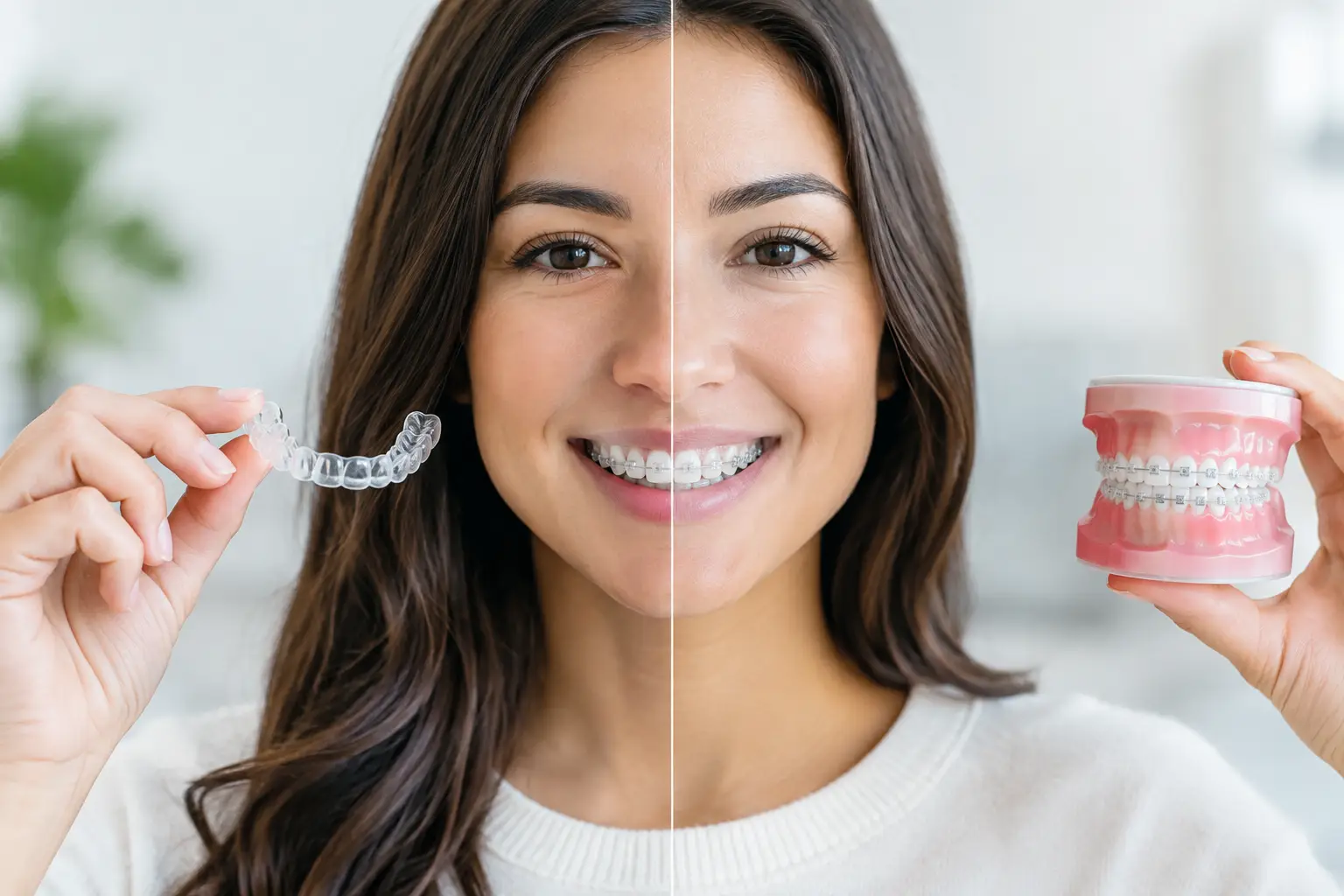

A straighter smile can feel like a personal goal you have put off long enough. If you are an adult comparing several practices, knowing how to choose an Invisalign provider , the right questions to ask an Invisalign dentist , and what “certified Invisalign provider” really means can help you move forward without second-guessing your decision.
Clear aligners are discreet, but the treatment itself is not one-size-fits-all. The quality of your result depends on careful diagnosis, thoughtful planning, your daily wear habits, and the clinical support you receive along the way. A consultation should leave you feeling informed, heard, and comfortable with the plan - not rushed into saying yes.
Start With the Person Planning Your Smile
Invisalign aligners are manufactured from a digital treatment plan, but a computer simulation is only one part of orthodontic care. Your dentist evaluates your teeth, bite, gum health, jaw function, existing dental work, and goals before recommending treatment.
Look for a provider who can explain what is happening beneath the surface, not simply show you an image of straighter front teeth. Crowding, spacing, bite imbalance, tooth wear, gum recession, and old crowns or fillings may all affect the right approach. For some adults, clear aligners are an excellent fit. For others, dental treatment should happen before aligners begin, or a different orthodontic approach may be more predictable.
A certified Invisalign provider is a licensed dental professional who has completed the education and authorization required to provide Invisalign treatment. That is a useful starting point, but it should not be the final deciding factor. Ask about the provider’s experience with cases similar to yours, how they approach bite correction, and who will monitor your progress.
Ask About Experience That Relates to Your Needs
Provider experience matters most when it is relevant to your oral health and treatment goals. A patient with mild spacing has different needs from someone with significant crowding, a deep bite, missing teeth, dental implants, gum concerns, or extensive restorative work.
Ask how often the practice provides clear-aligner treatment and whether the dentist regularly treats adult patients. You can also ask to see examples of outcomes for cases resembling yours, when appropriate. The goal is not to compare smiles as if every mouth follows the same path. It is to understand whether the dentist has the judgment to recognize predictable cases, more complex cases, and situations that require coordination with another dental specialist.
At a comprehensive practice, that coordination can be particularly valuable. If you need a crown replaced, are considering an implant, have gum concerns, or have noticed signs of tooth grinding, your orthodontic plan should account for those needs rather than treat them as separate issues later.
Questions to Ask an Invisalign Dentist at Your Consultation
A good consultation is a conversation. You do not need to know the clinical vocabulary to ask smart questions. A thoughtful dentist should welcome your questions and answer them in clear, practical language.
Consider asking the following:
- Am I a good candidate for Invisalign, and why? Ask the dentist to explain whether aligners can address your specific concerns, including the appearance of your smile and the way your teeth meet.
- What needs to be treated before I start? You may need a cleaning, periodontal care, restorative treatment, or evaluation of a sore tooth before orthodontic movement is appropriate.
- What changes do you expect in my bite, not just my front teeth? A healthy, comfortable bite is part of a lasting result. Moving teeth for appearance alone can overlook an important part of treatment.
- Will I need attachments, tooth reshaping, or rubber bands? These are common tools that can make aligner treatment more precise. Knowing about them early helps prevent surprises.
- How long do you estimate active treatment will take, and what could change that timeline? Your dentist cannot promise an exact finish date, but they should explain the factors that influence treatment progress.
- How often will you see me, and who checks my aligner progress? Some practices use a combination of in-office visits and remote monitoring. The right schedule depends on the complexity of your case and your comfort level.
- What happens if my teeth do not track as planned? Ask how the practice handles additional scans, refinements, or a lost or damaged aligner.
- What will I need to wear after treatment? Retainers are not optional after orthodontic treatment. Your teeth can shift over time, even after a beautiful result.
The answers should feel specific to you. If a consultation relies on broad promises, avoids discussion of limitations, or does not include an examination of your gums and bite, it is reasonable to seek another opinion.
Compare Treatment Plans, Not Just Before-and-After Images
When you visit multiple practices, it can be tempting to compare only the projected final smile. Instead, compare the care behind the projection.
Ask each office how they gathered diagnostic information. A thorough evaluation may include digital scans, photographs, X-rays when clinically appropriate, and a detailed examination. These records help the dentist identify concerns that may not show up in a simple scan of your teeth.
Also listen for how clearly the dentist explains trade-offs. For example, a plan that moves teeth more gradually may be recommended to protect gum health or improve bite stability. A plan may need to work around an existing crown, bridge, or implant because those restorations do not move like natural teeth. In some cases, the healthiest choice is to complete restorative care first and begin aligners afterward.
You should understand the proposed sequence of care, what success looks like, and what responsibilities are yours. Clear aligners generally need to be worn for most of the day and night, with removal for meals and daily oral hygiene. If your schedule, travel, or routine makes that difficult, tell the dentist. An honest conversation about wear time is more helpful than choosing a treatment plan that does not fit your life.
Pay Attention to Comfort and Communication
Clinical skill and personal comfort both matter. Many adults seeking orthodontic treatment have dental anxiety, have had difficult experiences in the past, or simply feel embarrassed about returning to dental care after a long gap. You deserve an office where questions are taken seriously.
Notice what happens during the consultation. Does the team explain each step before it happens? Do they give you time to think through the recommendation? Are they straightforward about what treatment can and cannot accomplish? A caring practice will not minimize your concerns about sensitivity, attachments, speech changes, or the adjustment period with new aligners.
Communication matters after you begin, too. Ask how to reach the office if an aligner breaks, a tooth feels unusually painful, an attachment comes off, or you are unsure whether an aligner fits properly. Small issues are often easier to address when they are reported early.
Look for Care That Protects Long-Term Oral Health
Orthodontic treatment is not separate from the rest of your dental health. Teeth move within bone and gum tissue, which is why preventive care remains essential throughout treatment. Ask whether you should continue routine hygiene visits on your usual schedule and how the practice will monitor gum health during aligner care.
If you have dental implants , bridges, crowns, worn teeth, or a history of periodontal treatment, choose a provider who will explain how those factors shape the plan. This does not automatically mean Invisalign is unsuitable. It means your care should be personalized, coordinated, and realistic.
For patients in Seattle and surrounding communities, Seattle Oral Care brings restorative, periodontal, surgical, and general dental expertise together when a treatment plan requires more than straightforward tooth movement. That kind of coordination can help protect both your smile and the dental work you want to keep.
Trust Clear Answers Over Big Promises
The right Invisalign provider will not make you feel pressured to decide in the chair. They will help you understand your options, explain the responsibilities that come with aligners, and give you a plan that respects your health as much as your appearance.
A straighter smile is a meaningful change, but the best result is one that feels comfortable, functions well, and is supported with ongoing care. Choose the dentist who listens carefully, plans thoroughly, and helps you feel confident at every stage of the process.