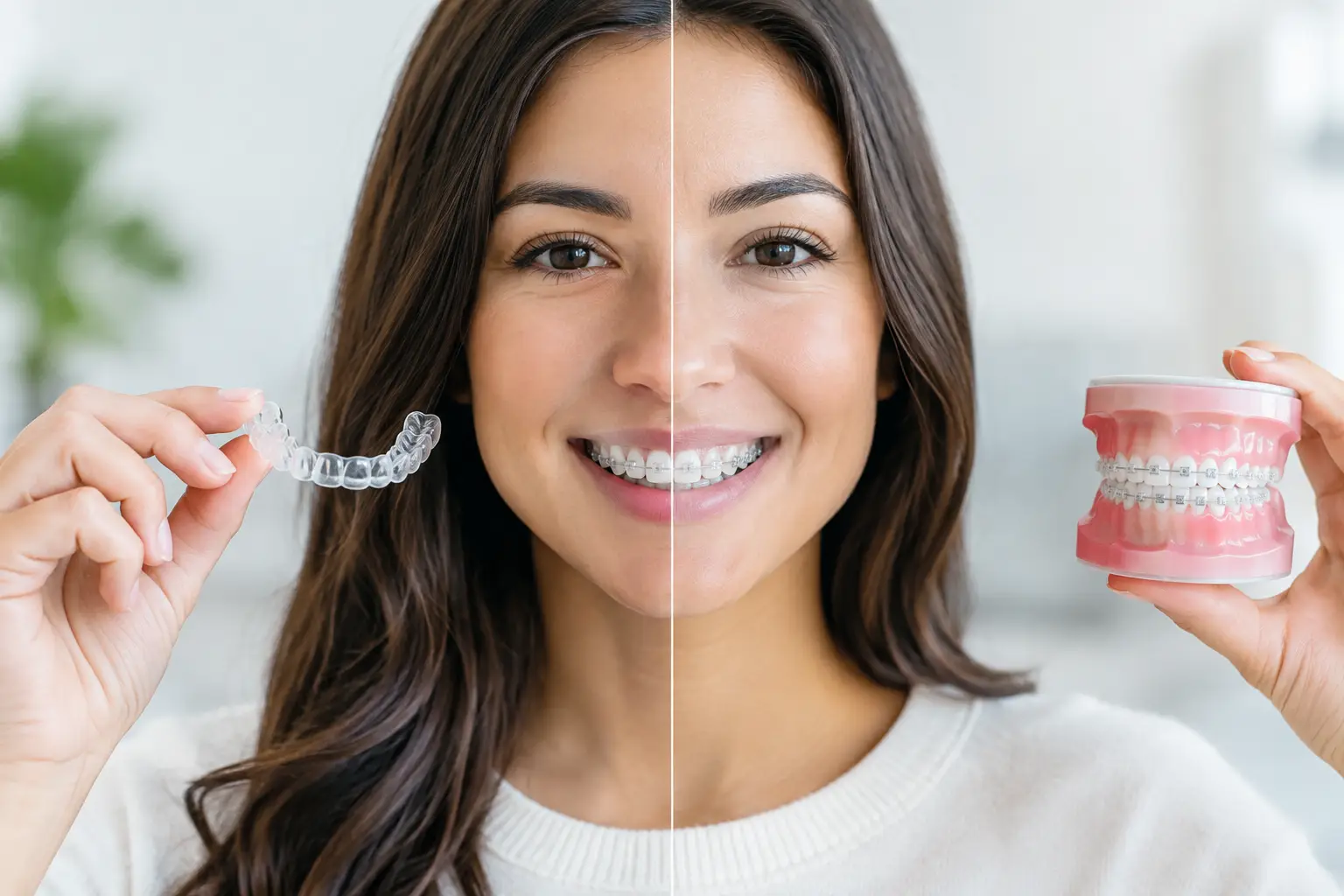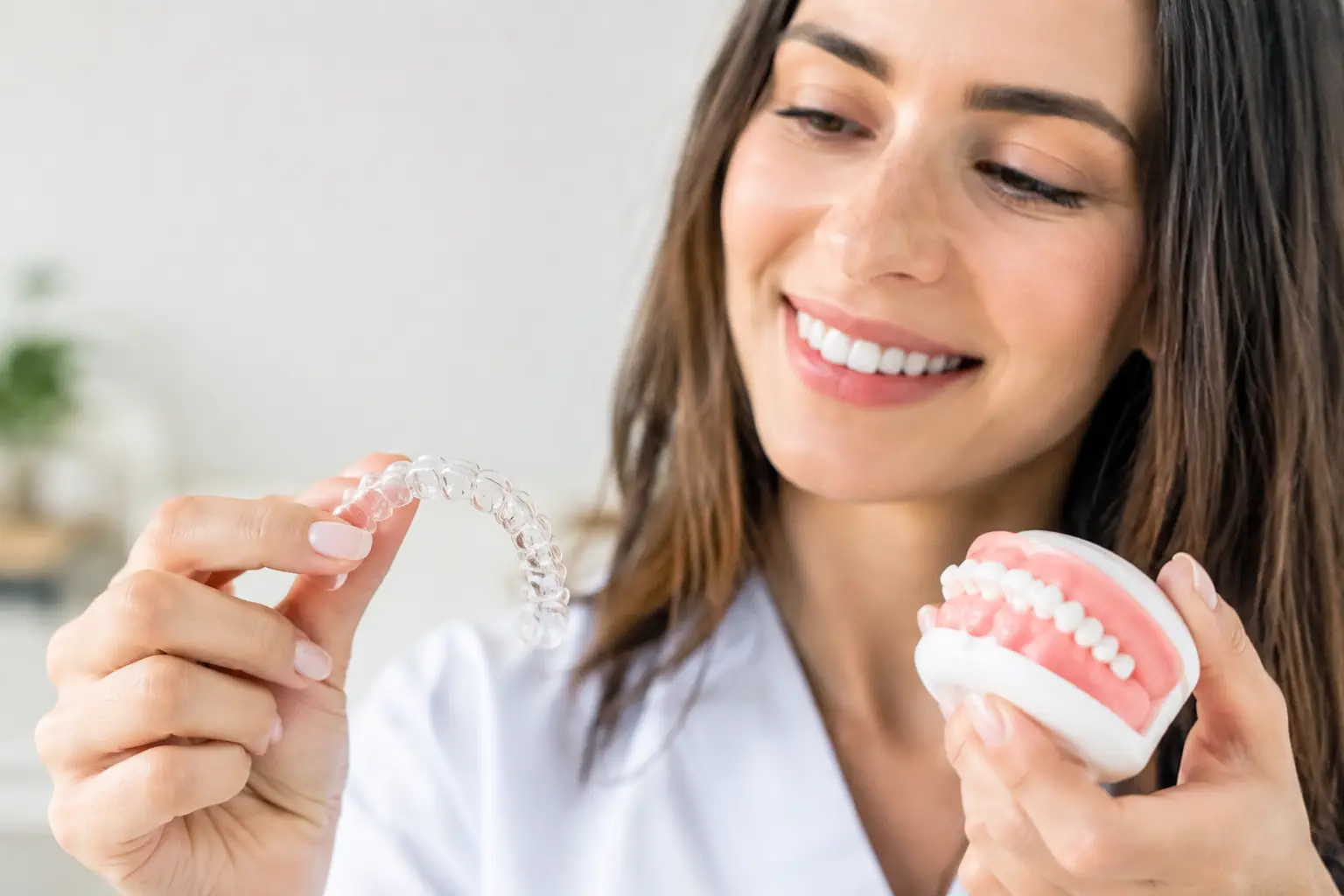
A single front tooth can draw your attention every time you see a photo, join a video call, or smile across the table. If you are an adult bothered by one crooked front tooth, it is reasonable to ask, can Invisalign fix just one crooked tooth? Clear aligners may be part of the answer, but the tooth that looks out of place is rarely the only tooth that needs to be considered.
The goal of orthodontic planning is not simply to make one tooth look straighter. It is to move teeth in a way that respects your bite, gum health, tooth roots, and the way your upper and lower teeth function together. A thoughtful consultation can clarify whether a focused aligner plan is appropriate for your smile and what other options may deserve consideration.
Invisalign for one tooth: why the answer is rarely just one tooth
Invisalign trays are designed to guide teeth through carefully planned, small movements. Although one tooth may be your visible concern, it needs space to move. The teeth beside it, and sometimes the opposing teeth, may need to shift slightly to create that space and maintain a balanced bite.
For example, a front tooth may appear rotated because the dental arch is crowded. Straightening that tooth without addressing the crowding can be difficult or may create unwanted pressure elsewhere. In other cases, the tooth may sit forward or behind neighboring teeth because of a bite relationship that is not obvious from the front.
That does not automatically mean extensive orthodontic treatment is necessary. It means the plan should be based on a complete view of your mouth, rather than a photo of one tooth. Some adults are good candidates for limited movement; others may benefit from a broader approach to achieve a stable, healthy result.
What single tooth Invisalign can address
The phrase single tooth Invisalign is understandable, but it can be misleading. Clear aligner treatment generally involves a series of trays that fit over multiple teeth. Even when the cosmetic goal centers on one crooked tooth, treatment commonly uses the surrounding teeth for support and control.
A focused aligner plan may be considered when the concern is mild, such as a small rotation, slight overlap, or modest misalignment of a front tooth. Your dentist will look at whether there is enough room to move the tooth, whether the gums and bone are healthy, and whether the bite can accommodate the change.
Sometimes small tooth-colored attachments are placed on selected teeth to help aligners apply force in precise directions. In certain situations, a dentist may recommend creating a very small amount of space between teeth. These details are not necessary for every plan, but they illustrate why clear aligner treatment is more customized than simply placing a tray over one tooth.
Your bite still matters
Front teeth do more than create a smile. They help guide the jaw during biting and protect back teeth during certain movements. Changing the position of one front tooth can affect the way it meets the teeth below it.
A clinician will assess whether you have a deep bite, edge-to-edge contact, clenching patterns, or uneven wear. If a tooth is already receiving heavy pressure when you bite, moving it without considering that pressure may not serve your long-term oral health. This is one reason a thorough exam matters, even when the concern seems small.
The consultation: what your dentist needs to evaluate
A clear aligner consultation should feel like a conversation, not a quick sales pitch. You should have room to explain what bothers you, what you hope will change, and any previous orthodontic or dental treatment you have had.
Your care team may take photographs, digital scans, and X-rays as appropriate. These records help evaluate tooth positions below the gumline, root health, bone support, existing restorations, and the relationship between your upper and lower teeth. They also allow the dentist to identify issues that may need attention before orthodontic movement begins, such as active gum disease, cavities, a cracked tooth, or a restoration that needs repair.
If you have crowns, veneers, implants, bridges, or extensive dental work, planning deserves extra care. Natural teeth can move with orthodontic forces, but an implant does not move like a natural tooth. Restorations can often be incorporated into a plan, yet their condition and placement may affect which approach makes sense.
When another cosmetic option may fit better
Clear aligners are not the only way to improve the appearance of one front tooth. The right choice depends on the cause of the concern and the condition of the tooth.
If a tooth is slightly uneven in shape rather than position, conservative contouring or bonding may be worth discussing. Bonding can sometimes improve the look of a small edge irregularity, chip, or narrow gap. A veneer or crown may be considered when a tooth also has significant discoloration, wear, or structural damage. These treatments change the tooth's appearance, while orthodontics changes its position.
Each option has trade-offs. Restorative treatment can involve altering tooth structure and may need maintenance over time. Orthodontic treatment asks for consistent aligner wear and retention after active treatment. A careful conversation about your priorities, dental health, and comfort with each approach can help you choose thoughtfully rather than quickly.
What daily life with aligners can involve
For adults who prefer a discreet orthodontic option, clear aligners can be appealing because they are removable. That convenience also makes daily consistency essential. Aligners are typically worn for most of the day and removed for meals, beverages other than water, and brushing and flossing.
You may notice pressure when beginning a new set of aligners. This is commonly a sign that teeth are being guided into the next planned position, though experiences vary. Clear aligners should be cleaned regularly, and your teeth should be brushed before putting them back in after eating whenever possible. Keeping aligners in a case when they are out can help prevent loss or damage.
Appointments allow the dental team to monitor tracking, bite changes, gum health, and any needed adjustments. A tray may not fit as expected if wear has been inconsistent or if teeth are responding differently than planned. Regular monitoring creates an opportunity to address concerns early.
Retainers protect the progress you make
After teeth move, they have a natural tendency to drift. Retainers are an essential part of orthodontic care, including treatment focused on a single visible tooth. Without retention, a tooth that once bothered you may gradually shift again.
Your dentist can recommend a retainer approach based on your treatment and bite. This may involve a removable clear retainer, a fixed retainer behind certain front teeth, or both. Ongoing dental visits are also valuable for checking retainers, monitoring wear, and supporting long-term oral health.
Questions worth bringing to your appointment
Before choosing treatment, ask what is causing the tooth to look crooked and whether surrounding teeth need to move. Ask how your bite, gums, roots, and existing dental work affect the plan. It is also helpful to ask what retention will involve and what alternatives could address your concerns if aligners are not the best match.
The most reassuring answer may not be the fastest or simplest one. If one front tooth has been on your mind for years, a personalized evaluation can replace guesswork with a clear understanding of your options and the care needed to support your smile.