A wedding photo, a client presentation, or simply seeing your smile in the mirror can make orthodontic treatment feel more personal than clinical. When comparing metal versus ceramic braces , most people are not only asking which option straightens teeth. They want to know what treatment will look like in daily life, how it will feel, and whether it can deliver a lasting result.
Both types of braces use brackets and a carefully adjusted wire to guide teeth into healthier positions. Both can treat many concerns, including crowding, gaps, bite misalignment, and teeth that have shifted over time. The better choice depends on the complexity of your case, your priorities around appearance, and the habits you can realistically maintain throughout treatment.
Metal Versus Ceramic Braces at a Glance
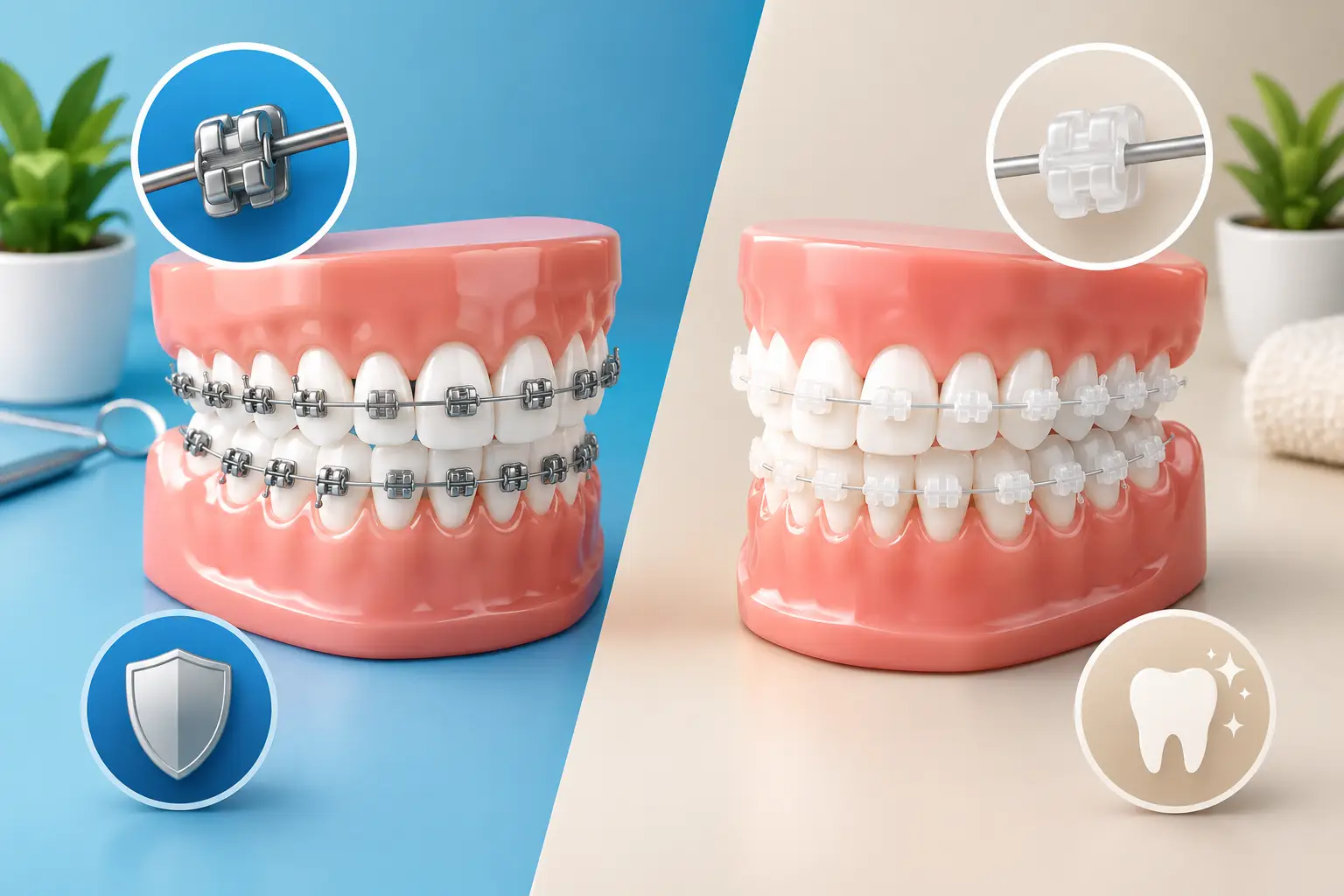
Metal braces use high-grade stainless steel brackets. They are the most visible traditional option, but they are also exceptionally durable, efficient, and versatile. Modern metal brackets are much smaller and more comfortable than many adults remember from childhood.
Ceramic braces work in the same basic way, but their brackets are made from tooth-colored or clear ceramic material. The wire is still visible, although a tooth-colored wire may make the appliance less noticeable. From a conversational distance, ceramic braces can blend more naturally with your smile than metal brackets.
Neither option is automatically superior. A person with significant bite correction may benefit from the strength and predictability of metal braces. Someone with a mild to moderate alignment concern who feels self-conscious about visible brackets may find ceramic braces a worthwhile trade-off.
Appearance: The Most Noticeable Difference
For many adults and older teens, appearance is the deciding factor. Ceramic brackets are designed to be discreet. They can be especially appealing for professionals who speak with clients, people preparing for a major event, or anyone who prefers a less noticeable orthodontic appliance.
Metal braces make no attempt to blend in, but that does not mean they look outdated. Their smaller profile gives them a cleaner appearance than earlier designs, and some patients appreciate that they are straightforward and easy to maintain. Metal braces also allow patients to choose colored elastic ties if they want a more expressive look.
Ceramic braces do have one cosmetic limitation: the clear or tooth-colored elastic ties around the brackets may discolor between appointments. Coffee, tea, red wine, tomato-based sauces, and tobacco can contribute to staining. The ceramic brackets themselves resist staining well, but consistent brushing and mindful food choices help preserve their appearance.
Strength and Treatment Capability
Metal is stronger than ceramic, which matters when forces need to be applied precisely over time. Metal brackets are less likely to chip or break, making them a dependable choice for complex tooth movement and more significant bite concerns.
Ceramic braces can still treat a wide range of orthodontic cases. However, ceramic material is more brittle than metal. A bracket may be more likely to fracture if it is exposed to hard foods or repeated impact. In some situations, an orthodontic provider may recommend metal brackets on the lower teeth and ceramic brackets on the upper teeth, balancing appearance with function.
Treatment time is not determined by bracket color alone. The condition of your teeth and gums, the amount of movement required, your bite, your appointment schedule, and your cooperation with home care all influence the timeline. In certain complex cases, metal braces may offer slightly more efficient mechanics. Your dentist or orthodontic provider can explain whether that difference is likely to matter for your smile.
Comfort and Day-to-Day Living
Both metal and ceramic braces can cause pressure or tenderness after they are placed and after adjustment appointments. This is a normal sign that teeth are responding to gentle force. The feeling usually improves within several days, and over-the-counter pain relief may help when appropriate for you.
Ceramic brackets can be slightly bulkier than metal brackets, so some people notice them more against the inside of their lips at first. Others find little difference once they have adjusted. Orthodontic wax can protect an irritated spot while your mouth gets used to the brackets.
With either type of braces, avoiding certain foods protects the brackets and wires. Hard candy, popcorn kernels, ice, sticky caramel, and chewing gum can loosen or damage orthodontic hardware. Cutting apples, carrots, and crusty bread into smaller pieces can make meals easier without giving up foods you enjoy.
Cost: Why Estimates Can Differ
Ceramic braces often cost more than metal braces because of the material and, in some cases, the additional care involved. The price difference varies by treatment plan, so it is best not to assume that every ceramic case will carry the same added cost.
A complete estimate should account for diagnostics, appliances, adjustment visits, retainers, and any dental work needed before orthodontic treatment begins. If you have cavities, gum inflammation, worn restorations, or a missing tooth, those issues may need attention before teeth are moved.
The lowest initial price is not always the best value. Orthodontic treatment affects how teeth meet, how easily they can be cleaned, and how long dental restorations may last. A thoughtful plan considers your bite and oral health alongside cosmetic goals.
Oral Hygiene Matters More With Ceramic Braces
Every brace system creates additional surfaces where plaque can collect. Brushing carefully around each bracket, flossing beneath the wire, and attending regular preventive visits are essential with both metal and ceramic braces.
Ceramic braces require extra attention because plaque and food debris can stand out around a lighter-colored bracket. Gum inflammation can also make teeth appear less even in color once the braces come off. A soft toothbrush, fluoride toothpaste, interdental brushes, and a floss threader or water flosser can make daily care more manageable.
If brushing and flossing have been difficult in the past, be honest about that during your consultation. It is not a reason to avoid orthodontic care. It is useful information that helps your dental team recommend an approach and support system that fits your routine.
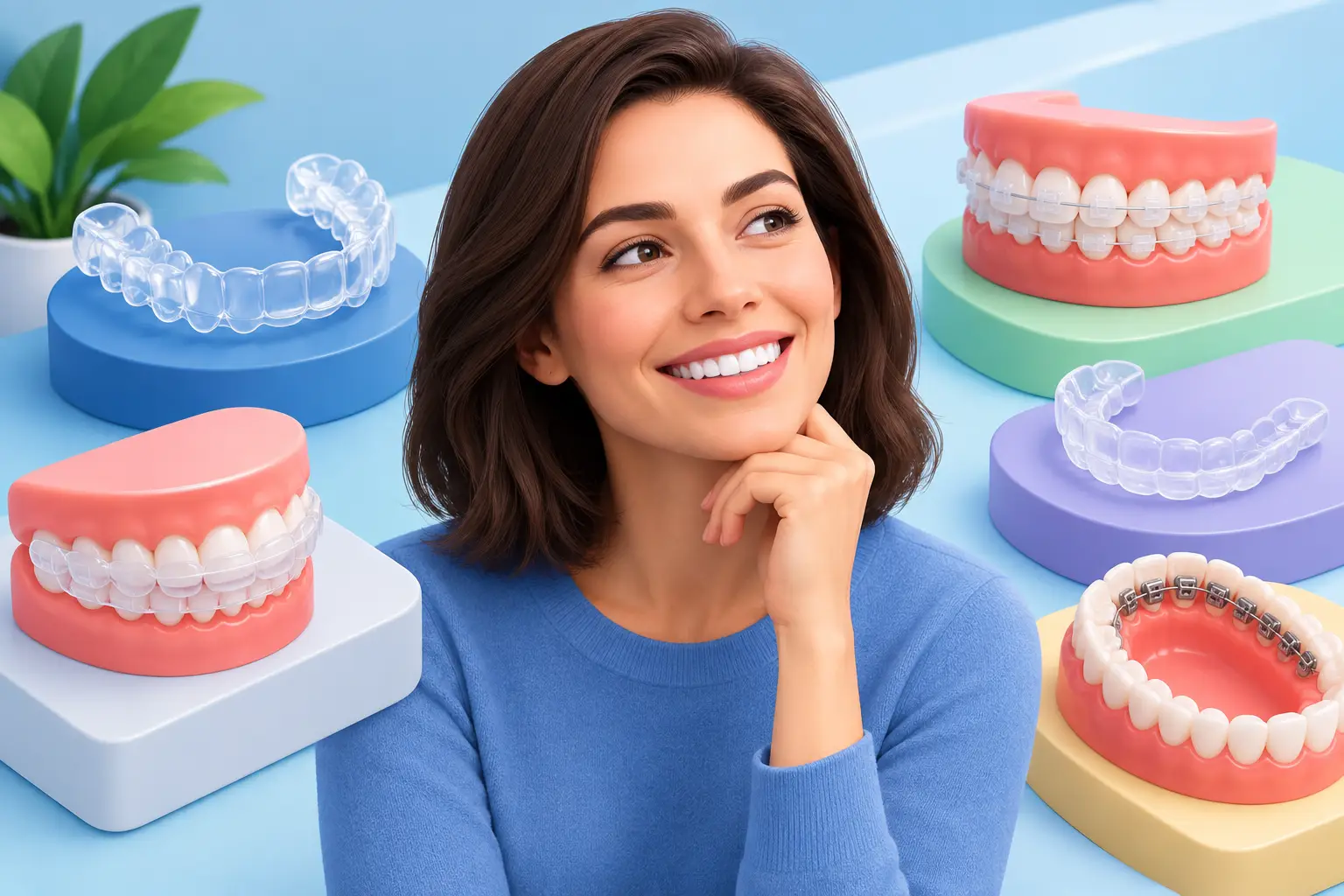
Could Clear Aligners Be a Better Fit?
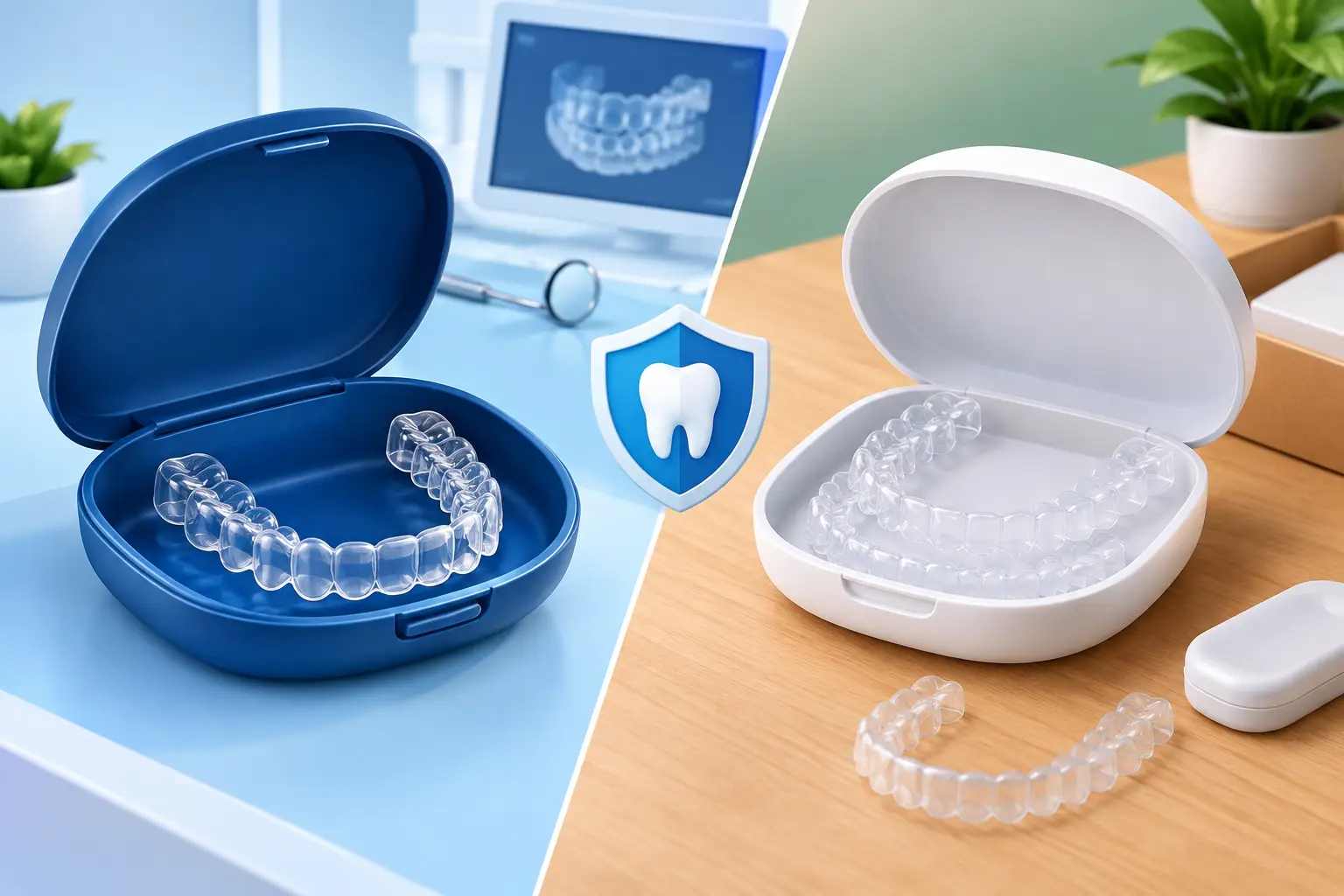
Some adults comparing braces are also considering clear aligners. Aligners can be a discreet option for many cases and can be removed for meals and brushing. That flexibility is appealing, particularly for people who want fewer food restrictions.
They also require consistent wear, usually about 20 to 22 hours each day. If aligners are often left in a case or forgotten during busy workdays, treatment may not progress as planned. Braces remain on the teeth at all times, which can make them a more reliable option for patients who prefer not to manage a removable appliance.
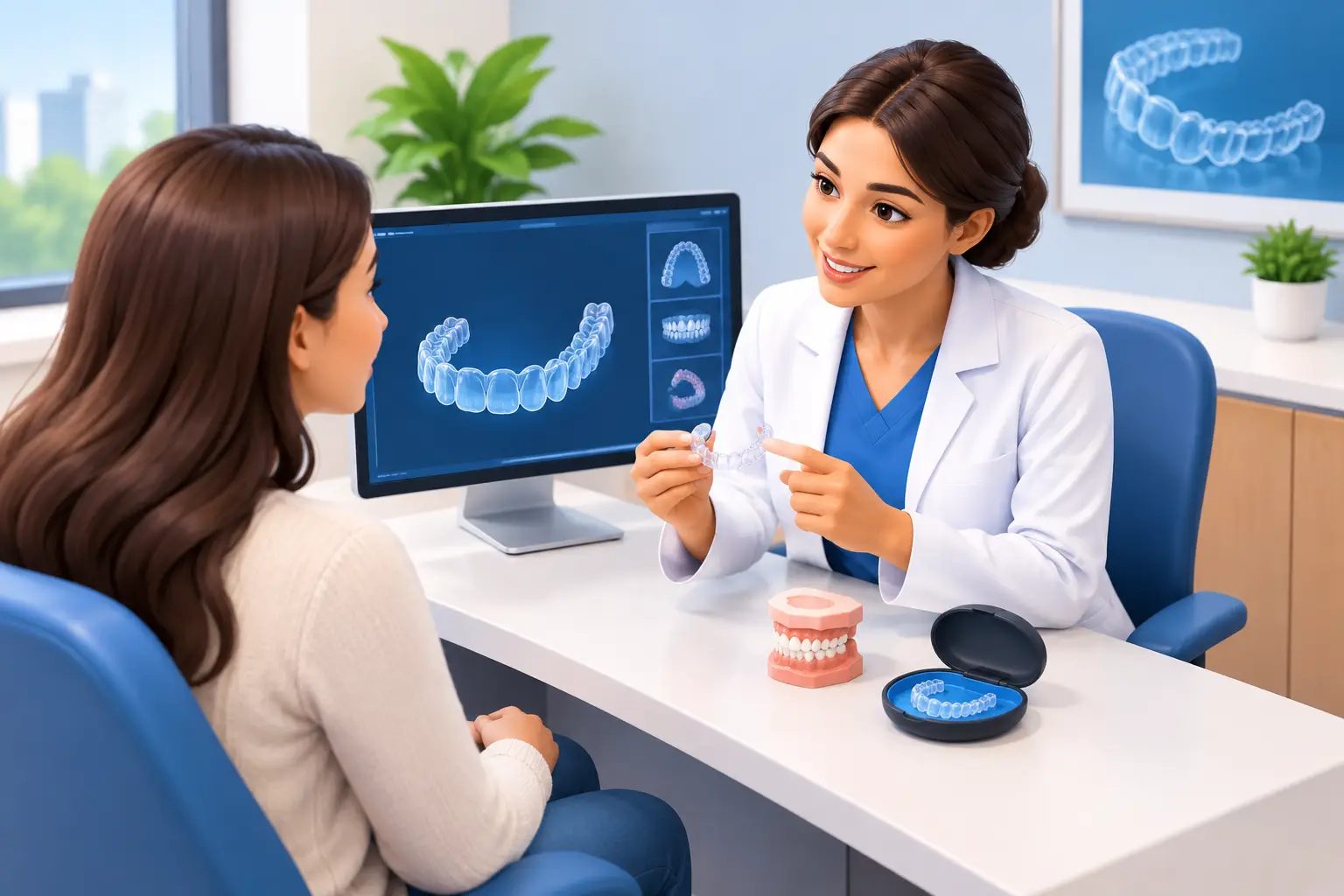
Clear aligners are not the right solution for every bite or level of tooth movement. Likewise, braces are not a one-size-fits-all answer. A comprehensive exam, digital imaging, and a conversation about your goals provide much better guidance than choosing an appliance based on photographs alone.
Choosing the Option You Can Feel Good About
A good orthodontic decision begins with more than asking which braces are less visible. Consider how complex your treatment is, whether you are comfortable with possible staining, how carefully you can follow cleaning instructions, and how strongly appearance affects your confidence during treatment.
Metal braces may be the practical choice when durability, affordability, and maximum treatment flexibility are your priorities. Ceramic braces may be worth considering when you want traditional braces with a more subtle appearance and are prepared for attentive care. If your goals include a removable, nearly invisible option, clear aligners may also belong in the conversation.
At Seattle Oral Care, treatment planning begins by listening. Whether you are seeking orthodontic care for yourself or a family member, you deserve clear answers, a gentle experience, and a plan built around the health and future of your smile.