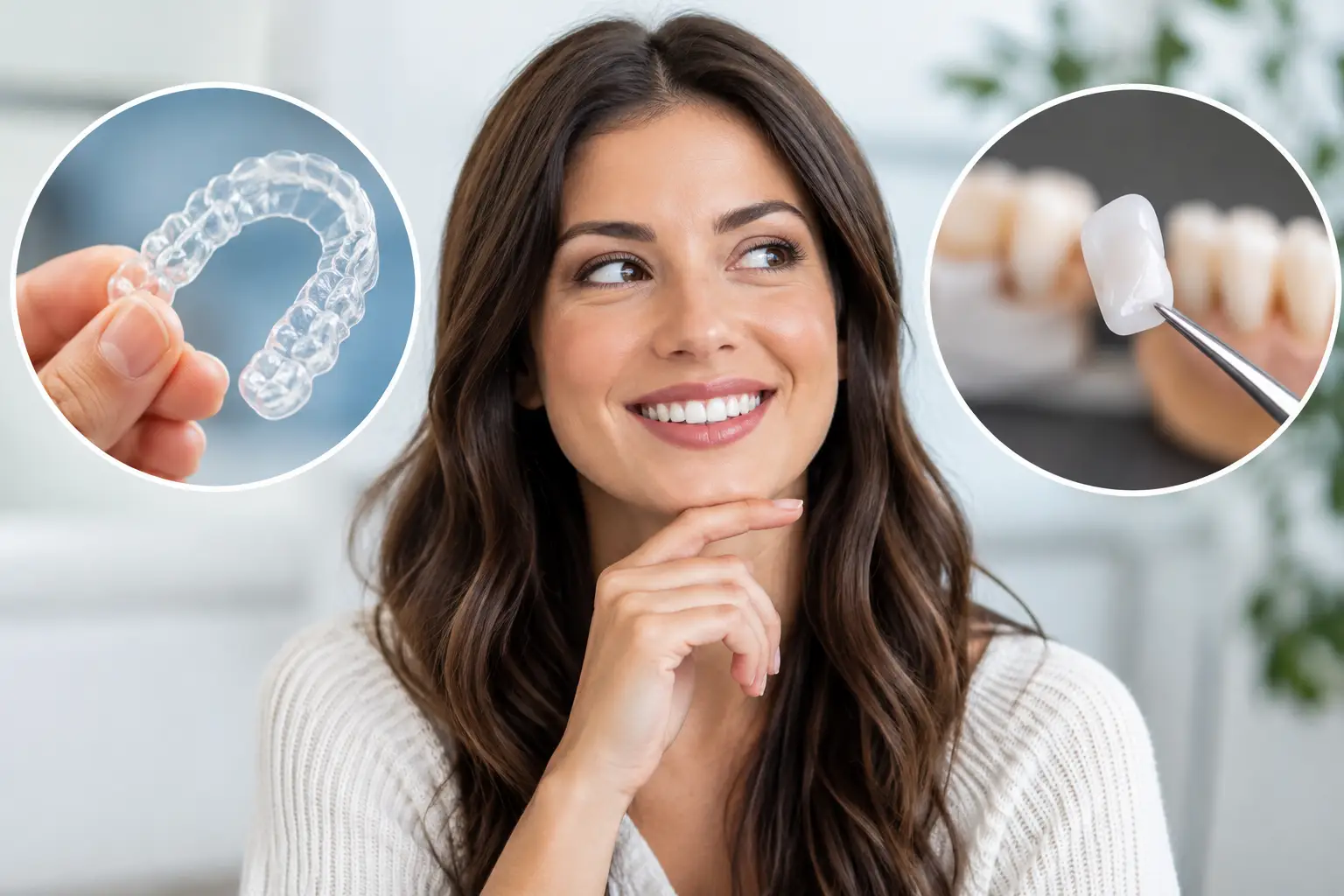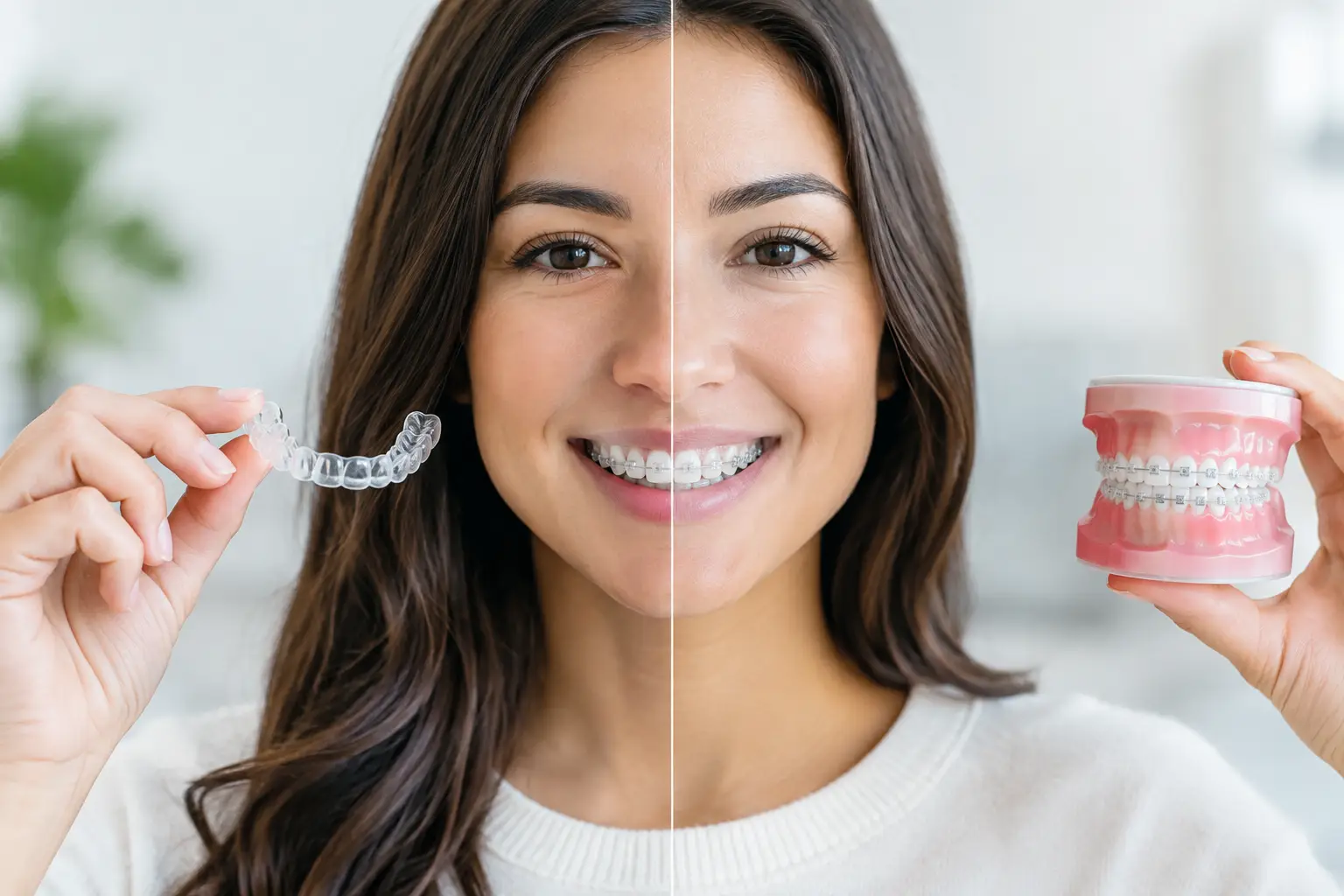

A presentation, a client call, dinner with friends - it is understandable to wonder whether Invisalign speech changes will be noticeable. Clear aligners are designed to fit closely over your teeth, but they still introduce a thin new surface inside your mouth. For some people, that temporarily affects the way certain sounds come out, particularly during the first few days of treatment or when switching to a new set of aligners.
The reassuring news is that most patients adapt quickly. Your tongue is remarkably good at learning where to move around a new appliance, and a mild lisp usually improves as speaking with aligners becomes familiar. Knowing what is normal, what can help, and when to ask your dentist about an ongoing concern can make the adjustment feel far more manageable.
Why Invisalign Speech Changes Can Happen
Speech depends on precise coordination between your tongue, teeth, lips, palate, and airflow. Sounds such as “s,” “sh,” “z,” “t,” and “th” are especially sensitive to small changes in the space behind your front teeth. Because Invisalign aligners cover the teeth, your tongue may initially meet a slightly different surface while forming those sounds.
A temporary lisp is the most common change patients notice. It may be subtle enough that other people do not hear it, even when you do. Some patients also find they produce more saliva at first, which can make speech feel less crisp until the mouth adjusts.
The fit of the aligner matters, too. An aligner that is not seated fully against the teeth can feel bulkier and may make pronunciation more difficult. Small tooth-colored attachments, when needed to help guide tooth movement, can change the feel of an aligner but are not usually the main cause of speech changes.
Every mouth and treatment plan is different. If you already have a speech difference, have a public-facing job, or regularly speak for long periods, your dentist can discuss the adjustment period before treatment begins. That conversation is part of creating a plan that works with your life, not just your smile.
How Long Do Speech Changes With Invisalign Last?
For many people, speech improves within a few days to a couple of weeks of wearing aligners consistently. The more often you wear them as prescribed, usually about 20 to 22 hours a day, the sooner your tongue has a chance to adapt. Taking aligners in and out frequently during the first week can make the adjustment take longer because your mouth is repeatedly re-learning the new position.
You may notice a brief return of the same sensation when you move to a new series of aligners. This is generally milder than the first adjustment because your tongue has already learned how to speak around the trays.
If a pronounced lisp persists beyond a few weeks, gets worse, or begins suddenly after you had been speaking comfortably, contact your dental team . The issue may be as simple as an aligner that needs to be seated more fully, a rough edge that needs smoothing, or a tray that should be checked for fit. You do not have to simply work around a problem that is interfering with your confidence or daily communication.
Practical Ways to Adjust More Quickly
The most effective approach is simple: wear your aligners consistently and give yourself a little practice time. Reading aloud is particularly helpful because it lets your tongue repeat the sounds that feel unfamiliar without the pressure of a conversation.
Try a short routine once or twice a day during your first week:
- Read a page from a book, article, or work document aloud for five to 10 minutes.
- Repeat words with “s,” “sh,” “z,” “ch,” and “th” sounds slowly, then at a normal pace.
- Record a short voice memo and listen back only to identify sounds you want to practice.
- Have a low-pressure conversation with someone you trust while keeping your aligners in.
Avoid the temptation to remove aligners before every phone call or meeting. Invisalign treatment depends on consistent wear, and regularly taking them out can slow both your speech adjustment and your orthodontic progress. If you have an especially important speaking event during your first week, ask your dentist in advance for guidance based on your treatment plan. There are situations where brief removal may be appropriate, but it should not become a daily habit without professional direction.
Comfort also helps. Drink water throughout the day if your mouth feels dry, and clean your aligners as instructed so they remain clear and fresh. Never try to trim, reshape, or smooth an aligner at home. Even a small alteration can affect how it fits and how your teeth move.
Will Other People Notice?
Usually, Invisalign speech changes are more noticeable to the person wearing the aligners than to everyone else. We hear our own voices through both the air and the bones of the skull, so even a minor change can sound much larger to us. Friends, coworkers, and family may not notice a difference at all.
That said, it is reasonable to care about how you sound. Adults often choose clear aligners because they want orthodontic treatment that fits discreetly into professional and social life. If you are preparing for a wedding, a major presentation, a performance, or a new customer-facing role, timing your start date thoughtfully can give you room to adjust before the event.
For some patients, speaking comfortably is also tied to confidence after years of feeling self-conscious about their teeth. A caring dental team should take that concern seriously. Orthodontic treatment is not only about straightening teeth. It should support your comfort, function, and ability to feel like yourself throughout the process.
When to Call Your Dentist
A short adjustment period is common. Ongoing discomfort, pain, or a major change in speech deserves attention. Call your dental office if an aligner feels loose, does not sit fully on the teeth, has a sharp or cracked edge, or causes sores that do not improve. You should also check in if you have trouble swallowing, significant jaw pain, or an issue that makes it hard to wear your aligners for the recommended amount of time.
It is especially helpful to bring the specific aligner causing concern to your appointment. Your dentist can evaluate the fit, check whether the aligner is tracking as planned, and determine whether any adjustment is needed. At Seattle Oral Care, Invisalign planning is approached with the same attention given to your long-term oral health , bite, and comfort, so questions are always worth bringing forward.
A Small Adjustment With a Lasting Goal
Clear aligner treatment asks your mouth to adapt in small ways while your teeth gradually move into healthier alignment. A brief lisp or altered sound can feel distracting at first, but it is usually a temporary part of that process rather than a sign that anything is wrong.
Give yourself permission to practice, speak normally, and ask for help if the fit does not feel right. With consistent wear and thoughtful support from your dental team, your voice typically settles in quickly while your smile continues moving toward the result you chose treatment for.