A hard foul, an errant elbow, or a fast-moving ball can change a game quickly. For parents and adult competitors alike, the questions are practical: Invisalign and mouthguards for sports, can you play sports with Invisalign, what should Invisalign athletes know, and how does Invisalign vs braces in contact sports compare? The reassuring answer is that most people can continue participating in the sports they enjoy during Invisalign treatment. The key is protecting your teeth correctly and keeping your aligner schedule on track.
Can You Play Sports With Invisalign?
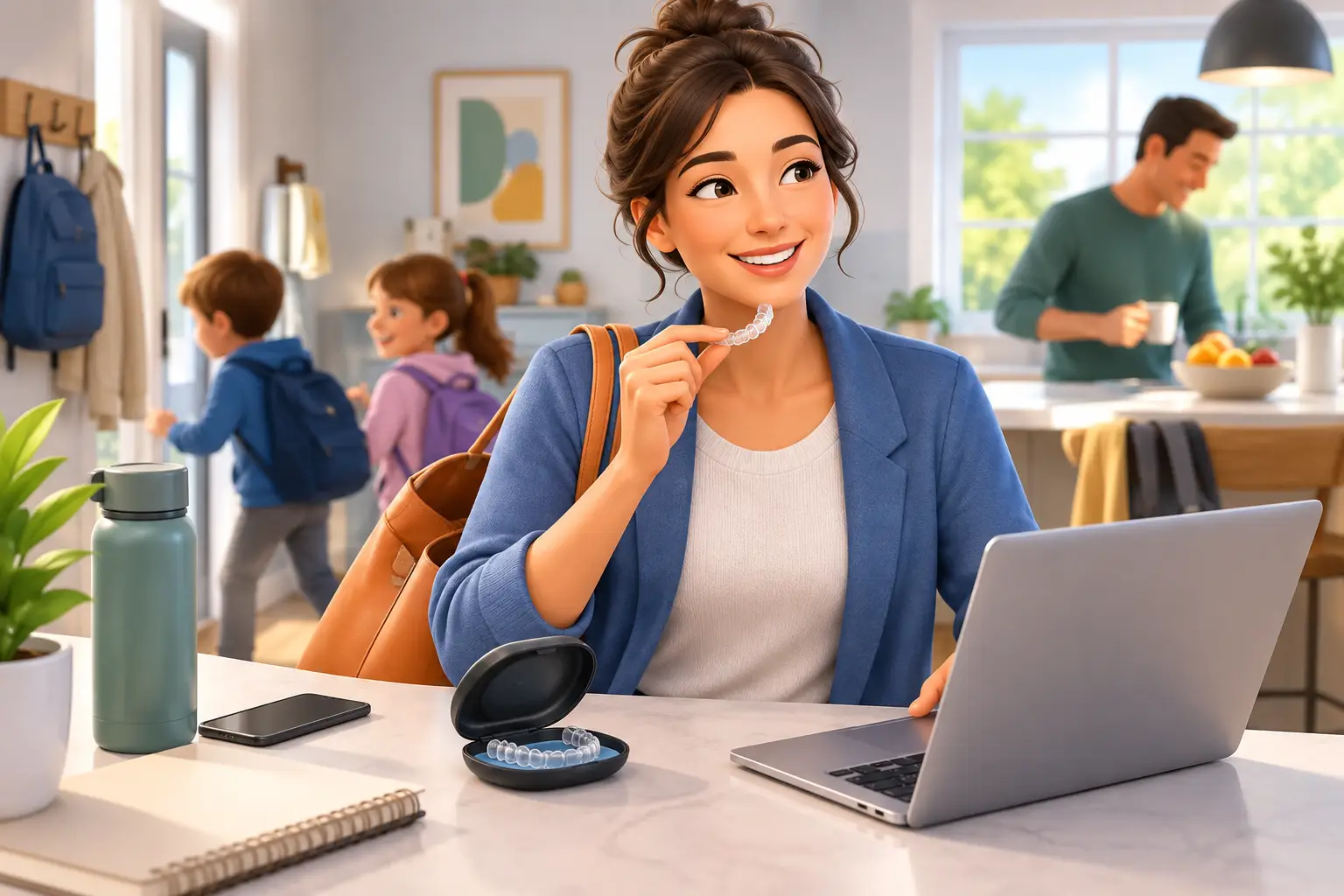
Yes. Invisalign aligners are designed to fit into daily life, which can include practices, races, workouts, and games. For activities with little chance of impact to the face, such as running, cycling, yoga, swimming, or strength training, many patients can wear their aligners as usual. Water is the best choice for hydration while aligners are in place.
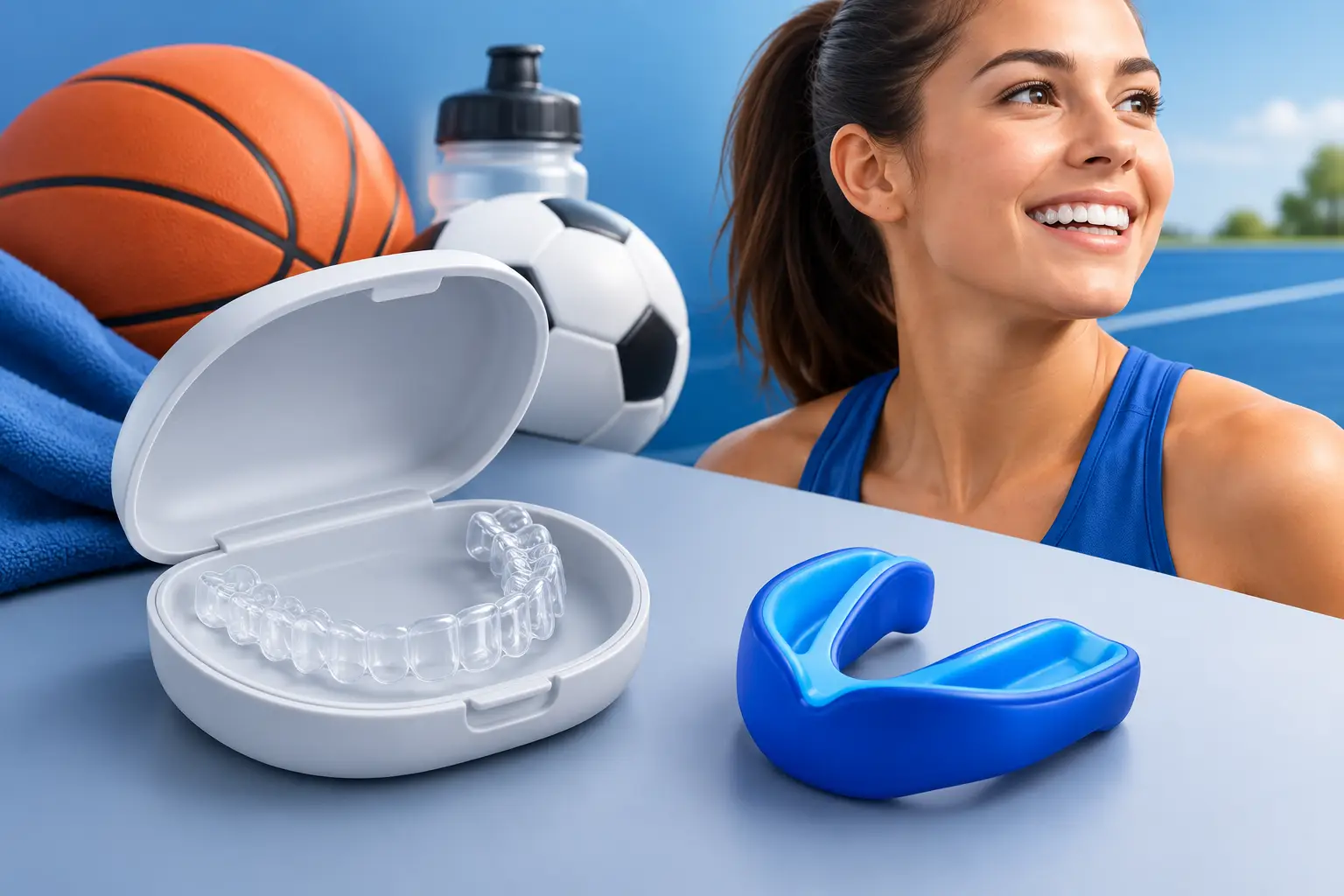
Contact and collision sports require a different routine. If there is a meaningful risk of a blow to the mouth, remove your aligners before play and wear a properly fitted athletic mouthguard. Clear aligners are thin orthodontic appliances, not protective sports equipment. They cannot absorb and distribute impact the way a mouthguard can.
This also applies to sports that are not formally labeled as contact sports. Basketball, baseball, softball, soccer, skateboarding, mountain biking, and even recreational activities can involve unexpected contact. Your dentist can help you assess the real risk based on how you play, your position, and the level of competition.
Invisalign and Mouthguards for Sports: The Right Routine
For an impact-risk activity, take out both aligners, place them in their protective case, and put in your sports mouthguard before practice or competition. Never wrap aligners in a napkin or place them loosely in a pocket. Lost aligners are a common and frustrating reason treatment can fall behind.
Afterward, rinse your mouthguard and aligners, clean your teeth if possible, and put your aligners back in. Invisalign is generally worn for 20 to 22 hours each day, so time out for a game or practice needs to be considered as part of your overall plan. A short, predictable removal period is usually manageable. Long tournaments, doubleheaders, or daily extended training sessions may call for individualized guidance from your Invisalign provider.
Do not assume that a store-bought mouthguard will fit well over aligners. Likewise, do not wear a mouthguard over your trays unless your dental team has specifically instructed you to do so. A mouthguard that presses on the aligners can affect comfort and fit, while a loose guard may provide less reliable protection when it matters most.
Why a Custom Mouthguard Can Make a Difference
A well-made custom athletic mouthguard is shaped to your teeth and can provide a more secure, comfortable fit than a generic boil-and-bite guard. That can make it easier to breathe, speak, and stay committed to wearing it. For people in higher-risk sports, particularly those with a history of dental injury, a custom guard is often worth discussing.
Because teeth shift during Invisalign treatment, the fit of a custom mouthguard may change over time. Some athletes need a new guard or an adjustment as treatment progresses. This is not a reason to skip protection. It is a reason to have the mouthguard checked when you change aligner stages or notice it feels loose, tight, or uneven.
Invisalign Athletes Need to Protect Treatment Time, Too
The biggest day-to-day challenge for Invisalign athletes is not usually playing the sport. It is remembering that aligners only work when they are worn consistently. Keep a hard-sided aligner case in your gym bag, sports bag, or equipment locker, and make putting trays back in part of your post-practice routine.
Sports drinks deserve extra attention. Sugary or acidic drinks can sit against the teeth when aligners are in place, increasing the risk of enamel erosion and cavities. Remove your aligners for sports drinks, gels, soda, or flavored beverages, then rinse your mouth with water before replacing them. If you cannot brush immediately, rinsing is still better than trapping residue under the trays.
If an aligner cracks, warps, is lost, or suddenly no longer fits after a hit to the mouth, contact your dental office. Do not force a damaged tray into place. Your provider may advise you to wear the previous aligner temporarily, move to the next one, or order a replacement based on your treatment stage.
Invisalign vs Braces in Contact Sports
Both Invisalign and braces can successfully straighten teeth, and both require thoughtful protection during sports. Neither treatment makes mouthguards optional.
Traditional braces have brackets and wires that can cut the lips, cheeks, and tongue during a collision. Athletes with braces should wear an orthodontic mouthguard designed to cover the brackets and reduce soft-tissue injury. A direct impact can also damage wires or loosen brackets, creating an orthodontic problem in addition to the risk of tooth injury.
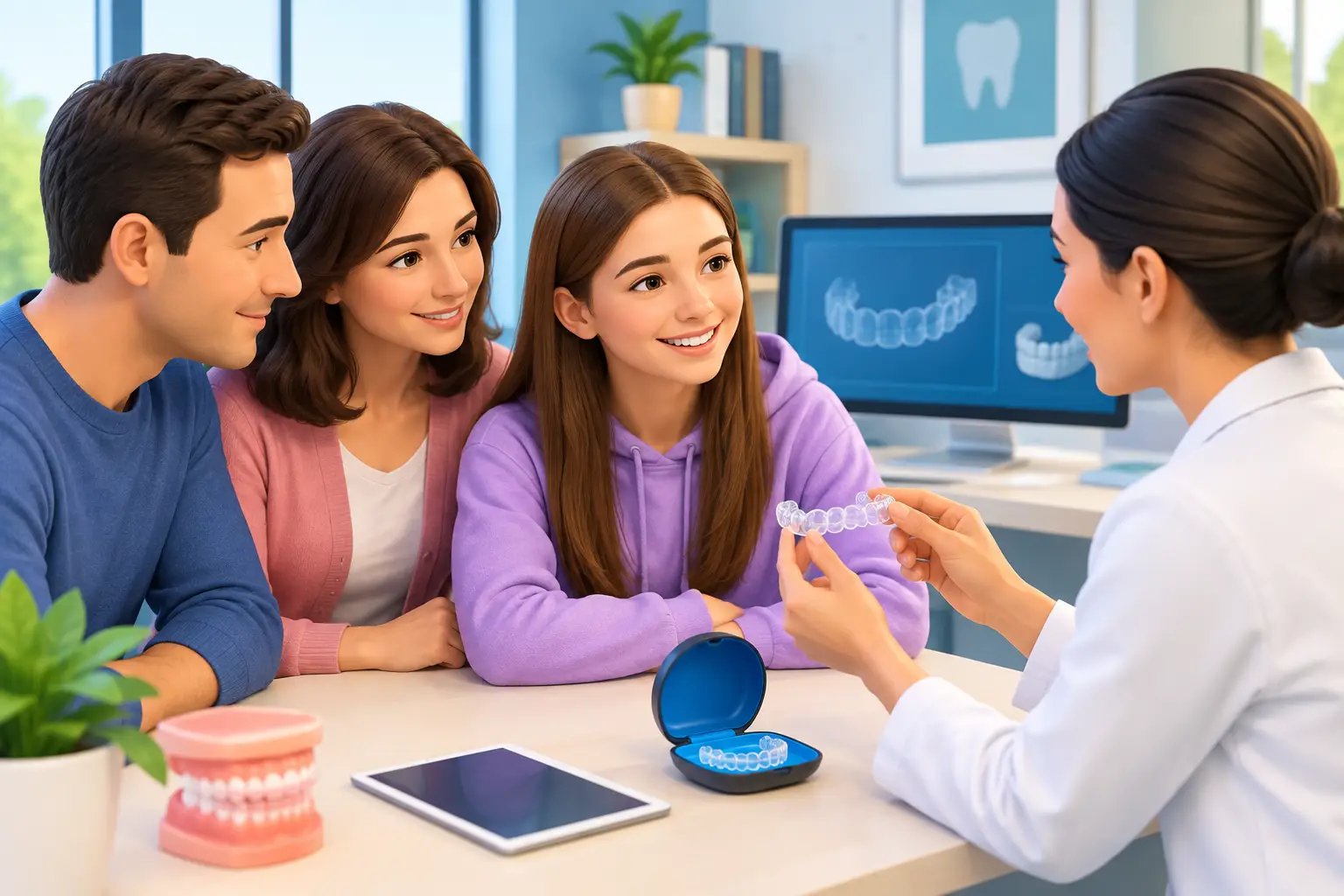
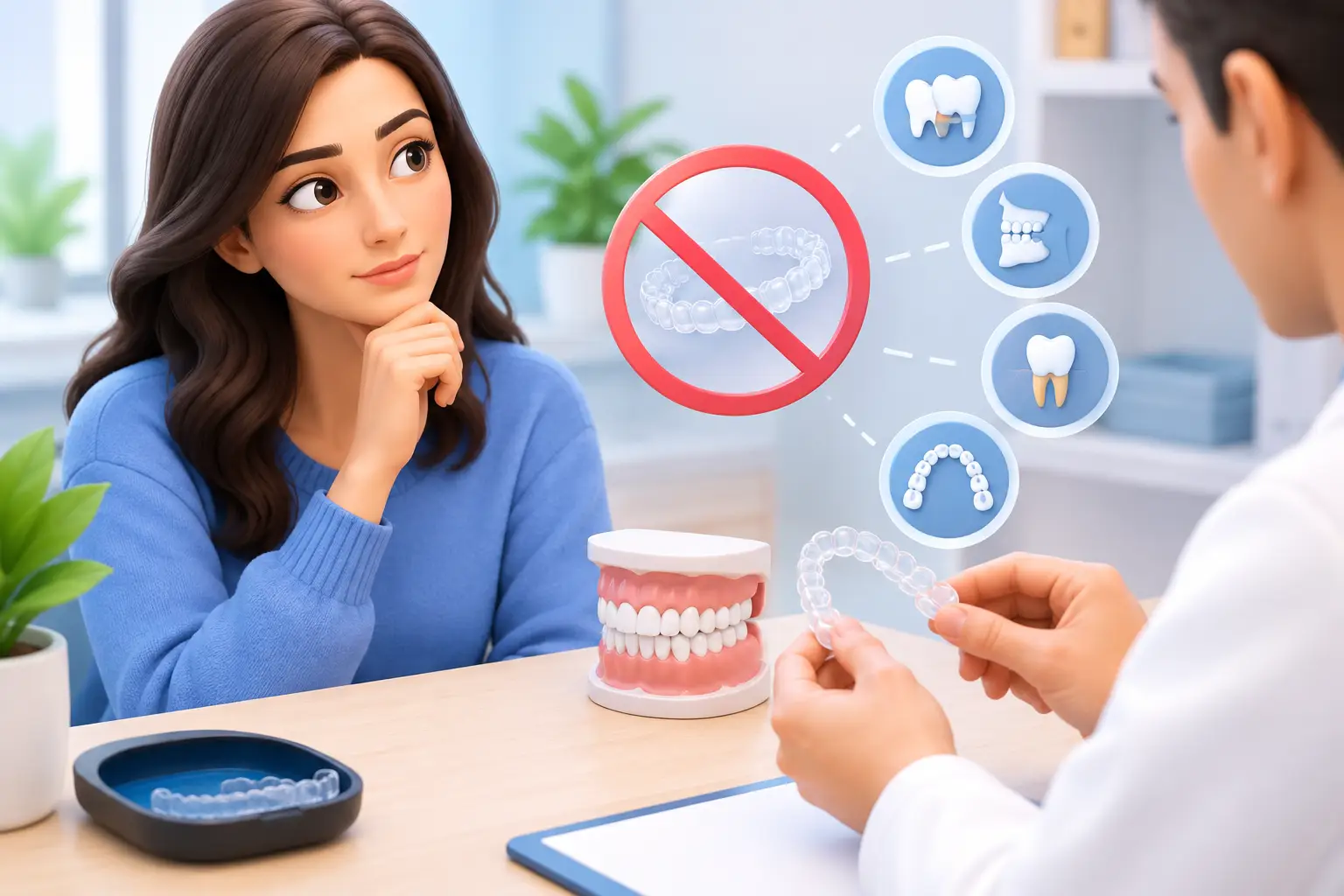
With Invisalign, you can remove the aligners and wear a dedicated mouthguard. This can be a practical advantage for athletes because the guard protects the teeth without needing to fit over brackets. It also means the aligners themselves are less likely to crack during a game. However, Invisalign may not be the right orthodontic choice for every bite, tooth movement, or patient. Treatment should be selected for your clinical needs first, then adapted to your lifestyle and sport.
For some athletes, braces remain the most effective option. For others, clear aligners offer the discretion and flexibility they want. A careful examination can clarify the trade-offs without making you choose between a straighter smile and the activities that matter to you.
What to Do After a Mouth Injury
Even with a mouthguard, a significant blow should be taken seriously. Call your dentist promptly if a tooth feels loose, chips, changes color, becomes painful, or if your bite feels different. Also seek care for a cut that will not stop bleeding, a jaw injury, or an aligner that no longer seats correctly.
If a tooth is knocked out, hold it by the crown rather than the root. If it is visibly dirty, gently rinse it with milk or clean water without scrubbing it. Try to place it back in the socket if you can do so safely, or keep it moist in milk, and seek urgent dental care right away. Fast action can make a meaningful difference.
Keep Your Smile in the Game
Playing sports during Invisalign treatment is usually very doable, but the plan should match the sport and the individual. Protect your teeth with a fitted mouthguard when impact is possible, keep aligners safely stored during play, and return them to your teeth as soon as practical. If you are starting Invisalign or your current mouthguard no longer fits, the team at Seattle Oral Care can help you build a plan that protects both your smile and your season.