
A missing upper back tooth can make everyday things feel harder than they should - chewing on one side, avoiding certain foods, or worrying about the space getting worse. If you are an upper-back-tooth implant candidate who gets sinus infections, you may wonder whether a sinus lift with sinus problems is still an option. In many cases, it can be. The answer depends on why the sinus is acting up, whether the problem is active, and how carefully your implant and sinus health are evaluated before surgery.
Why upper-back-tooth implants sometimes need a sinus lift
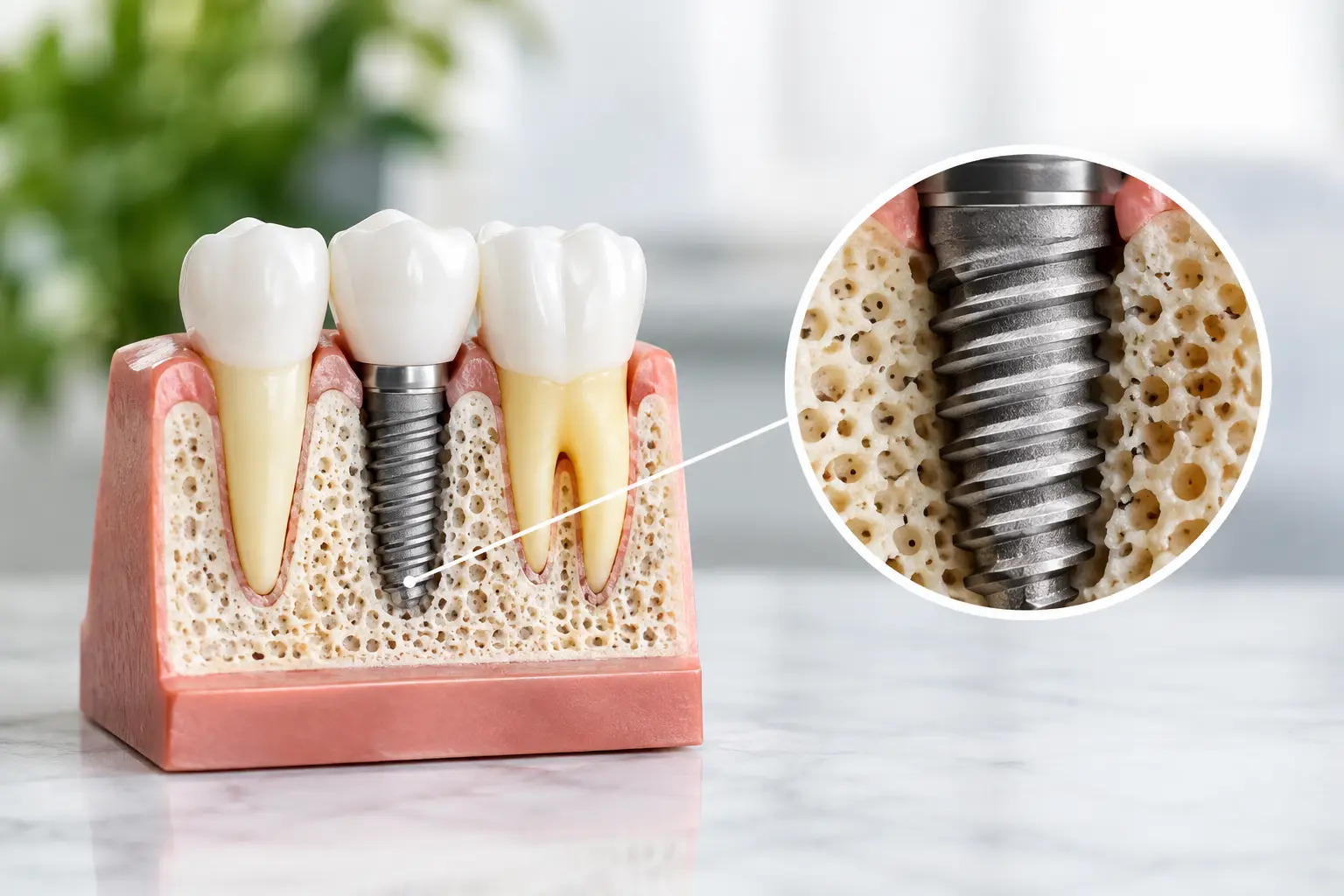
The roots of upper premolars and molars sit close to the maxillary sinus, the air-filled space behind your cheekbones. After a tooth has been missing for a while, the bone beneath that sinus can become thinner. An implant needs enough healthy bone around it to be stable for the long term.
A sinus lift, also called sinus augmentation, creates additional space for bone graft material beneath the sinus membrane. After that area heals, the implant may be placed or, in some situations, placed during the same procedure. The goal is not simply to make implant placement possible. It is to create a stable foundation for a tooth replacement that can handle everyday chewing.
A sinus lift is a common procedure, but it is not a one-size-fits-all solution. Your sinus anatomy and current health matter as much as the amount of available bone.
Can you have a sinus lift with sinus problems?
A history of sinus trouble does not automatically rule out a sinus lift. Seasonal congestion, occasional colds, well-managed allergies, and even prior sinus infections can be compatible with treatment. What matters most is whether there is active inflammation, infection, blockage, or another condition that could interfere with healing or sinus drainage.
An active sinus infection is generally a reason to pause. Proceeding while the sinus is infected may raise the risk of postoperative infection, discomfort, delayed healing, or problems with the graft. Treatment should wait until symptoms have resolved and the underlying cause has been addressed.
That distinction is reassuring for many patients: a past infection is not the same as a current infection. If you tend to get sinus infections several times a year, however, the treatment plan may need more coordination. Your dental team may recommend an evaluation with an ear, nose, and throat specialist before moving forward, particularly if you have persistent pressure, facial pain, thick nasal drainage, fever, reduced sense of smell, or symptoms that do not improve as expected.
A three-dimensional CBCT scan helps the dental team assess bone height, sinus shape, and findings that may need further attention. It is valuable for implant planning, but it does not replace a medical sinus evaluation when recurrent or chronic sinus disease is suspected.
Sinus lift and a deviated septum
A deviated septum means the wall between the nasal passages is shifted to one side. Some people have one without meaningful symptoms. Others experience nasal obstruction, frequent congestion, snoring, or difficulty with sinus drainage.
A deviated septum does not automatically prevent a sinus lift. The septum is not in the same location as the sinus floor where the graft is placed. Still, if the deviation contributes to poor drainage or recurring infections, it becomes part of the larger picture. A dental implant plan should account for the health of the entire sinus system, not just the amount of bone visible on a scan.
If an ENT physician recommends treatment for a significant nasal or sinus issue, that care may need to come first. In other cases, a patient with a stable deviated septum and no active sinus disease can proceed with a sinus lift using an appropriately tailored surgical plan.
Sinus lift and allergies
Allergies can inflame the lining of the nose and sinuses, causing congestion, pressure, and drainage. That does not mean an implant is off the table. It does mean timing matters.
For someone with mild, controlled seasonal allergies, the dental team may simply plan surgery during a time when symptoms are quiet and make sure the patient understands postoperative instructions. For someone with severe, persistent congestion or frequent allergy-related sinus flare-ups, the goal is to get symptoms under better control before surgery.
Be open about the medications you use, including nasal sprays, antihistamines, decongestants, steroid medications, and over-the-counter cold remedies. Your dentist and physician can determine what is appropriate around surgery. Do not start or stop medication solely to prepare for a sinus lift without guidance from the clinician managing your care.
What a careful evaluation should include
When sinus symptoms are part of the conversation, a thorough consultation protects both your comfort and your outcome. Your team should ask about infection frequency, allergies, prior sinus surgery, nasal breathing, sleep concerns, smoking or vaping, medications, and medical conditions that affect healing.
The evaluation also includes your gum health and the condition of neighboring teeth. An untreated tooth infection near the planned implant site can affect the sinus and should be managed first. Likewise, uncontrolled diabetes, heavy tobacco use, or significant gum disease may change the recommended timeline or approach.
At Seattle Oral Care, complex implant planning can be coordinated among a prosthodontist, oral surgeon, periodontist, and general dentist. That collaborative approach is especially helpful when a patient needs both a durable tooth replacement plan and thoughtful attention to sinus health.
When a sinus lift may need to wait
There are times when delaying treatment is the safer choice. This is not a failure or a lost opportunity. It is a step toward reducing risk and protecting the result.
A sinus lift may be postponed when there is an active sinus infection, unresolved chronic sinus symptoms, a suspicious finding on imaging, or poor control of allergies that is causing substantial inflammation. Referral to an ENT physician can clarify whether medical treatment, additional imaging, or sinus treatment is needed before dental surgery.
Sometimes the implant plan itself can change. Depending on the location and available bone, alternatives may include a shorter implant, a different implant position, or a staged approach in which grafting heals before implant placement. Whether these are appropriate depends on your bite forces, bone quality, the tooth being replaced, and the long-term restoration plan. The best choice is the one that does not compromise stability simply to make treatment faster.
What recovery requires from you
After a sinus lift, the grafted area needs protection while it heals. Your surgeon will provide personalized instructions, but patients are often asked to avoid forceful nose blowing, keep sneezing gentle with the mouth open, and avoid activities that create pressure in the sinus. Flying, scuba diving, exercise, and use of certain devices may require temporary limits depending on the procedure and your healing.
Call the office promptly if you develop worsening facial swelling, fever, increasing pain after initial improvement, persistent bleeding, drainage that concerns you, or symptoms of a sinus infection. Early communication helps the team determine what is normal healing and what needs attention.
Healing time varies. Some patients can receive an implant at the time of the sinus lift when enough initial stability is possible. Others benefit from several months of graft healing before implant placement. A slower plan can be the more predictable plan.
A history of sinus problems deserves careful planning, not an automatic no. With symptoms properly evaluated, allergies managed, and the right specialists involved when needed, many patients can still move forward with an upper-back-tooth implant. The next helpful step is a consultation where you can be heard, your scan can be reviewed, and the plan can be built around both your smile and your health.