Being told you need a sinus lift can feel like an unexpected detour when all you want is a dependable new tooth. The question, how long after a sinus lift can you get an implant , is really about more than a procedure. You want to know when eating, smiling, and speaking without thinking about a missing tooth will feel normal again.
The honest answer is that a sinus lift implant timeline is personal. Your care team needs to see that the bone graft has become a stable foundation before placing an implant. That wait protects the long-term result. It is not a delay for delay’s sake - it is the preparation that helps your future tooth stay secure.
Why a Sinus Lift May Come Before an Implant
The upper back jaw sits close to the maxillary sinus, an air-filled space above your teeth. After a back tooth has been missing for a while, the bone beneath that sinus can become too thin to support an implant safely. A sinus lift creates room for bone graft material, building the support needed for an implant in that area.
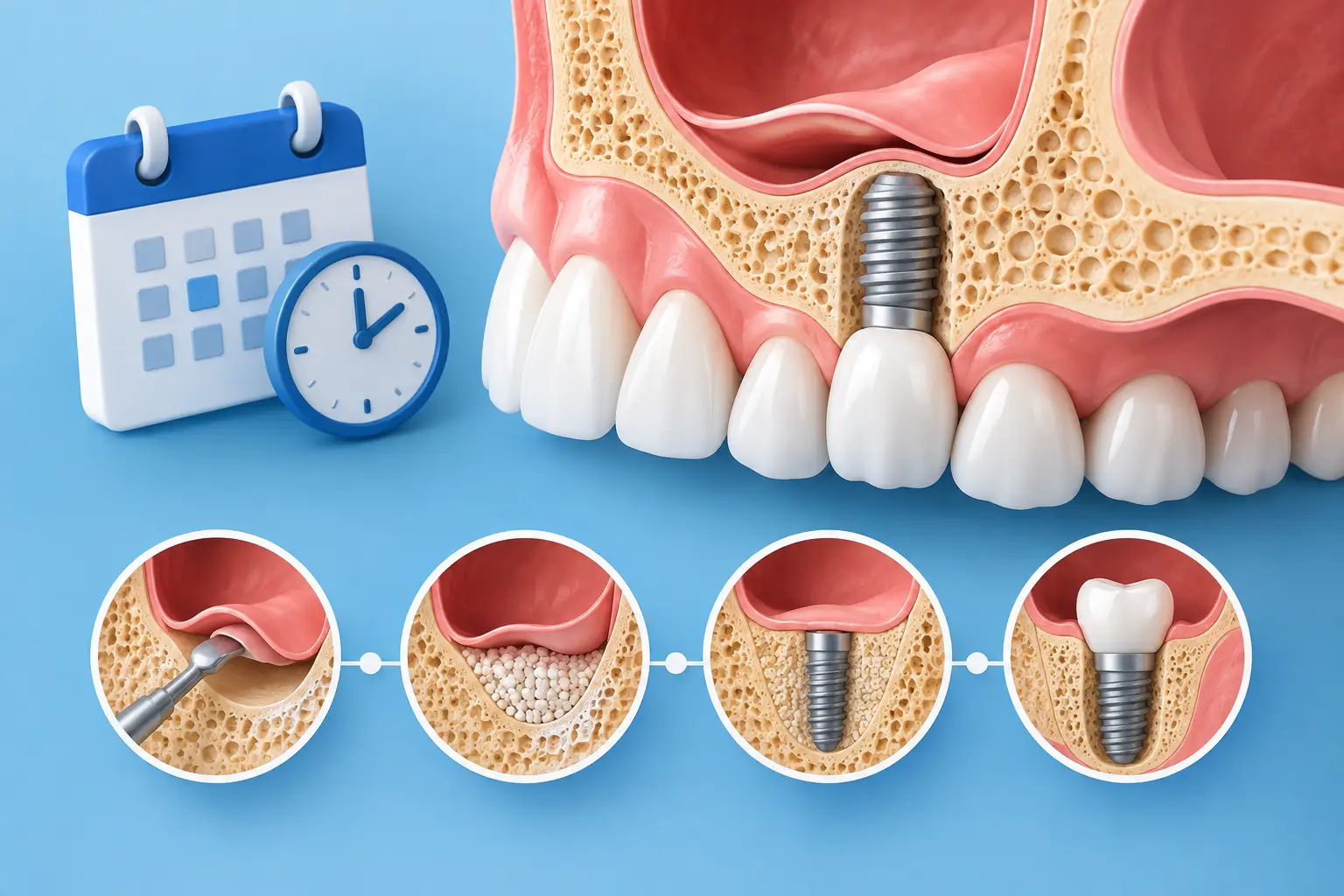
During the procedure, the surgeon gently raises the sinus membrane and places grafting material beneath it. Over time, your body works with that material to form stronger bone. Once the area is ready, an implant can be placed in a position designed to support a crown that looks and functions like a natural tooth.
For many people, learning they need this extra step brings frustration. That reaction is completely understandable. But placing an implant without enough support can compromise stability and lead to more treatment later. A sinus lift is often the thoughtful choice for a durable result.
Sinus Lift Healing Time Before Implant Placement
Sinus lift healing time before implant placement depends on how much bone needs to be developed, the type of lift performed, and how your body heals. Your surgeon will monitor the grafted area with follow-up visits and imaging rather than relying on a calendar alone.
In some cases, there is enough existing bone to place the implant during the same visit as the sinus lift. This can shorten the overall treatment sequence. In other cases, the graft needs time to mature before an implant is placed. Neither approach is automatically better. The right path is the one that gives your implant the strongest possible foundation.
Your overall health also matters. Conditions that affect healing, tobacco use, untreated gum disease, certain medications, and clenching or grinding can all influence planning. Good oral hygiene and careful follow-through with post-treatment instructions support a smoother recovery.
What Your Care Team Is Looking For
Your team is not simply waiting for soreness to go away. Feeling better is encouraging, but it does not confirm that the graft has developed into bone capable of holding an implant. At follow-up visits, the clinician evaluates healing inside the mouth and assesses the grafted site through imaging.
They are looking for healthy tissue, stable graft development, and enough bone in the planned implant location. They also consider the shape of your sinus, the position of nearby teeth, and the bite forces your new tooth will need to handle. This careful review helps prevent surprises during implant placement.
Your Sinus Lift Implant Timeline, Step by Step
While every plan is individualized, treatment generally follows a clear sequence. Knowing the purpose of each phase can make the process feel far more manageable.
First comes the consultation and diagnostic planning. Your dentist and surgical team review your health history, examine your teeth and gums, and use detailed imaging to understand the bone and sinus anatomy. This is the time to discuss your concerns, whether that is dental anxiety, time away from work, temporary tooth options, or the appearance of the missing space.
Next is the sinus lift itself. Afterward, you will receive clear instructions for protecting the surgical site. Because the sinus is involved, you may be asked to avoid actions that create pressure in the area, such as forceful nose blowing. Follow your specific instructions closely, and contact the office if something does not feel right.
Then comes the healing and monitoring phase. This is where patience matters most. Your clinician checks that the graft is progressing as planned and determines when the site is ready for the implant. If healing is taking longer than expected, that does not mean treatment has failed. It often means your team is choosing caution over rushing a permanent restoration.
Once the implant is placed, it needs its own period of integration with the jawbone. The implant is a small post that replaces the tooth root, and it must become stable before it carries the everyday pressure of chewing. A healing cap or temporary restoration may be used depending on your situation.
The final phase is the custom crown. Your restorative dentist designs it to match your neighboring teeth, bite comfortably, and support easy cleaning. This is the moment many patients have been waiting for: the missing-tooth space is restored with a tooth designed for everyday life.
When Will You Finally Get a Tooth?
If you are a patient told you need a sinus lift who wants to know when you will finally get a tooth, ask your team to distinguish between a temporary solution and your final crown. In some situations, a removable temporary tooth or other cosmetic option may be appropriate while treatment is underway. In others, leaving the site undisturbed is the safer choice.
Your final tooth comes after the bone graft, implant, and surrounding tissues are ready to support it. That may feel like a long road when you are missing a visible tooth or struggling to chew on one side. Still, each phase has a job: build the foundation, secure the implant, then create the tooth you will use every day.
A coordinated team can make this process easier to navigate. Surgical planning, gum health, implant placement, and crown design should work together, not feel like disconnected appointments. You deserve to understand what is happening at each stage and why.
Questions Worth Asking at Your Consultation
A clear conversation can replace much of the uncertainty. Ask whether your implant can be placed at the same time as the sinus lift or whether staged treatment is safer in your case. Ask what your imaging shows, what temporary options may be available, and what signs would prompt your clinician to adjust the schedule.
It is also reasonable to ask who will handle each part of treatment. Complex restorative care often benefits from collaboration among a general dentist, oral surgeon, periodontist, and prosthodontist. Knowing that the people planning your smile are communicating with one another can provide real peace of mind.
If you feel nervous, say so. Gentle care includes explaining what you may feel, offering comfort options when appropriate, and giving you time to ask questions without pressure. A treatment plan should never leave you wondering what comes next.
A sinus lift may add a step before your implant, but it can also make the difference between simply filling a space and building a tooth replacement meant to last. The next step is a personalized evaluation - one that gives you a clear path from today’s missing tooth to a confident, comfortable smile.