Hearing that traditional upper-jaw implants may not be an option can feel discouraging, especially if you have already lived with missing teeth, loose dentures, or failed dental work. If you are searching zygomatic implant surgery what to expect , the most reassuring place to start is this: the procedure is carefully planned, performed under appropriate anesthesia, and designed for people whose upper-jaw bone is not strong enough for conventional implants.
Zygomatic implants are not the right solution for everyone. But for the right patient, they can avoid or reduce the need for extensive bone grafting and create a stable foundation for fixed teeth. Knowing what happens before, during, and after surgery can make a complex treatment plan feel much more manageable.
Why zygomatic implants may be recommended
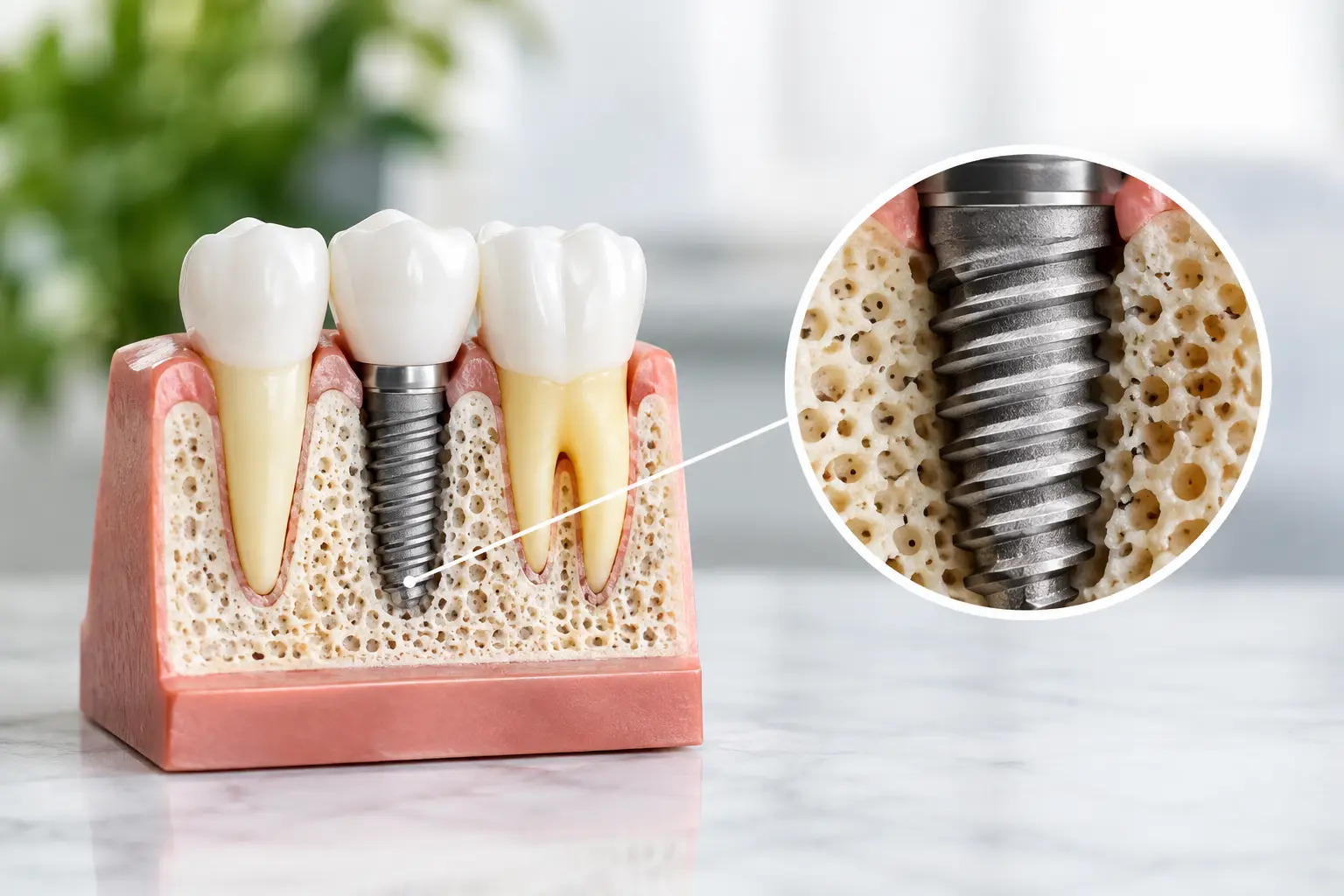
Conventional dental implants are placed in the jawbone. In the upper jaw, long-term tooth loss, gum disease, infection, denture pressure, or natural bone changes can leave too little bone to support them securely. Bone grafting may still be an option in some cases, but it can add treatment stages and healing time.
Zygomatic implants take a different approach. They are longer implants that are anchored in the zygomatic bone, commonly called the cheekbone. This bone is naturally dense and can provide reliable support when the upper jaw has significant bone loss.
A patient told they need zygomatic implants is often seeking a full-arch restoration, meaning replacement teeth for most or all teeth in the upper jaw. Depending on your anatomy and treatment plan, zygomatic implants may be combined with conventional implants in the front of the jaw. The number, position, and angle of implants are individualized. There is no one-size-fits-all procedure.
Before your zygomatic implant procedure
The surgery day is only one part of treatment. The planning phase is where much of the precision happens. Your dental team will review your medical history, medications, past dental treatment, bite, gum health, and goals for your new teeth.
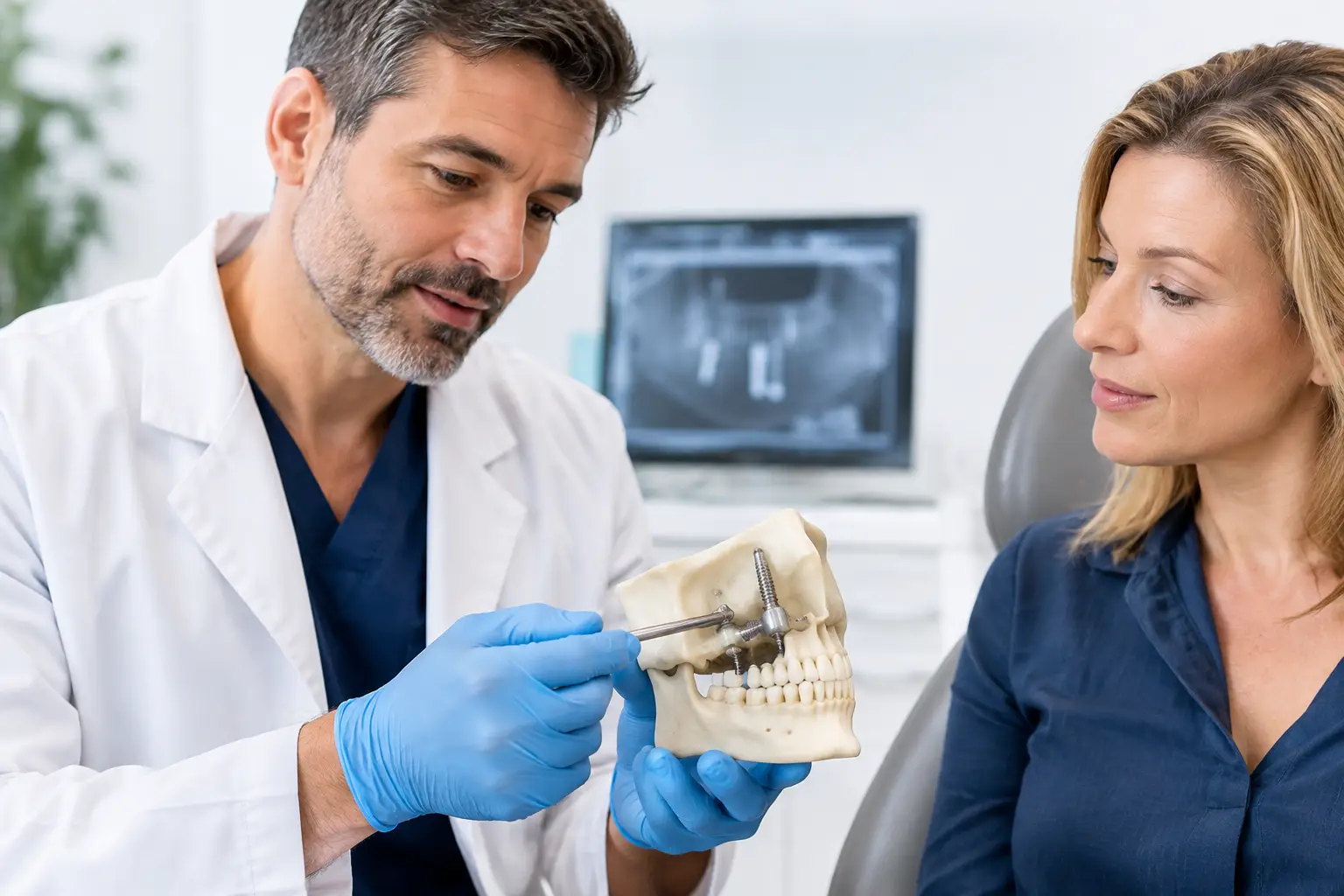
A 3D cone beam CT scan is typically used to evaluate the upper jaw, sinuses, cheekbones, nasal area, and surrounding structures. These images allow the surgical team to plan implant placement in detail before your appointment. If teeth need to be removed, that timing will also be discussed in advance.
You will receive specific preoperative instructions based on the type of anesthesia or sedation planned. If you are having IV sedation or general anesthesia, you will generally need to stop eating and drinking for a designated period beforehand and arrange for a trusted adult to drive you home and stay with you initially. Your care team should also know about blood thinners, diabetes medications, sleep apnea, allergies, and any history of difficulty with anesthesia.
This is the right time to ask practical questions. Will you leave with a temporary fixed bridge? How many days should you take away from work? What foods can you eat? Who should you call after hours if you have concerns? Clear answers reduce surprises and help you prepare your home, schedule, and support system.
What happens on surgery day
On the day of your zygomatic implant procedure, you will check in, review the plan, and have a final opportunity to ask questions. The team will confirm your health information and make sure you understand the consent process. You should not feel rushed through this step.
Because zygomatic implant placement is more involved than placing a single routine implant, many patients receive IV sedation or general anesthesia. Your surgeon will recommend the appropriate option based on your health, the extent of treatment, and the planned procedure. Local anesthetic is also used to keep the surgical area comfortable as you wake up.
Once you are comfortably sedated or asleep, the surgeon makes carefully planned access points in the upper mouth. The implants are placed through the upper jaw and anchored into the cheekbone. If conventional implants are part of your plan, those may be placed during the same appointment.
The surgical team works closely with the restorative dentist or prosthodontist so implant position supports both stability and the final appearance of your teeth. This coordination matters. Implants must be secure, but they also need to be placed in positions that allow for a functional bite, natural speech, and a smile that suits your face.
Surgery length varies. A full-arch case with extractions, implant placement, and a temporary bridge naturally takes longer than a more limited procedure. Your team can give you a realistic estimate beforehand, but it is wise to keep the rest of the day free.
Will you receive teeth the same day?
Many zygomatic implant patients can receive a fixed temporary bridge on the day of surgery or shortly afterward. This is often called immediate loading. It means you do not have to leave with an open space or rely on a removable denture while healing.
However, immediate teeth are not guaranteed in every case. Whether it is appropriate depends on implant stability, bone quality, your bite, the condition of your gums, and the complexity of your restoration. When a same-day temporary is possible, it is still a healing prosthesis, not the final bridge. It is designed to protect the implants while you recover.
The first days after surgery
You will need someone to take you home. Drowsiness, grogginess, and mild nausea can occur after sedation or anesthesia, so plan to rest rather than make decisions, work, drive, or exercise.
Swelling and bruising are common after upper-jaw surgery, and they often peak about two to three days afterward before gradually improving. Your team may recommend cold packs during the first day, prescribed or over-the-counter pain medication, antibiotics when indicated, and a medicated mouth rinse. Take medications exactly as directed, including completing an antibiotic course if one is prescribed.
For the first several weeks, your diet will be intentionally soft. Think scrambled eggs, yogurt, blended soups that are not hot, mashed vegetables, soft fish, and protein shakes. The goal is not simply comfort. Avoiding hard, chewy, or crunchy foods protects the healing implants and temporary teeth from too much force.
You may also be asked to avoid blowing your nose, using straws, smoking, or vigorous rinsing for a period of time. Because the implants are placed near the sinus region, these instructions can be particularly important. Smoking and nicotine use can interfere with healing and increase the risk of complications, so discuss support options if quitting feels difficult.
What recovery really feels like
Most patients are surprised that recovery is more about swelling, fatigue, and adjusting to a new temporary bridge than severe pain. Still, every person’s experience is different. Extensive extractions, sinus involvement, medical conditions, and individual healing patterns can affect how you feel.
You may notice temporary changes in speech, saliva flow, lip movement, or chewing confidence. These usually improve as swelling resolves and you become accustomed to your temporary teeth. Follow-up visits allow your dental team to check healing, make adjustments, and answer questions before small concerns become larger problems.
Call your surgical team promptly if you have persistent heavy bleeding, worsening swelling after the expected peak, fever, trouble breathing or swallowing, uncontrolled pain, a loose temporary bridge, or numbness that concerns you. These symptoms do not always mean something is seriously wrong, but they deserve timely professional guidance.
Healing before your final teeth
The implants need time to integrate with the surrounding bone. During this healing period, you will return for scheduled examinations and adjustments. Your temporary bridge lets you smile and function while the team monitors your progress, but you will still need to follow food restrictions and home-care instructions carefully.
After healing, the final bridge is designed with attention to comfort, bite, speech, cleanability, and appearance. A beautiful result matters, but a restoration must also be practical to maintain. You will be shown how to clean around the bridge, and long-term professional maintenance remains essential.
At Seattle Oral Care, complex implant care is approached as a coordinated process between restorative and surgical providers, with your comfort and long-term function guiding each decision. If zygomatic implants have been recommended, bring your questions to a consultation and ask for a clear explanation of the plan, alternatives, recovery expectations, and the support available to you. Feeling informed before surgery is one of the best ways to walk into treatment with greater calm and confidence.